Information You Need To Know About Retort Pouches
Anna_Yu
Information You Need To Know About Retort Pouches
Before diving into the world of retort pouches, it’s important to understand that this packaging innovation has reshaped how we preserve, protect, and distribute food across the globe. Once limited to traditional cans and glass jars, the food industry has embraced flexible packaging for its lightweight design, superior preservation capabilities, and sustainability potential. Retort pouches—often known as “soft cans”—offer the perfect balance between protection and convenience. They maintain the flavor, color, and nutritional quality of food products while drastically reducing shipping and storage costs. As global demand for ready-to-eat and shelf-stable products continues to rise, understanding the design, materials, and benefits of retort pouches becomes crucial for any brand looking to remain competitive. This article provides a comprehensive guide to everything you need to know about retort pouches, including their composition, functionality, market relevance, and future trends.
1. What is a Retort Pouch?
A retort pouch is a type of flexible packaging specifically engineered to withstand high-temperature sterilization processes, usually at 121°C to 135°C. It serves as an alternative to traditional metal cans or glass jars in food preservation, offering a lightweight, compact, and durable solution for long-term storage.
The name “retort” comes from the retorting process, a thermal sterilization method designed to eliminate microorganisms and extend shelf life without compromising food quality. During this process, sealed pouches are placed inside a retort machine, where they undergo pressurized steam heating to destroy bacteria, spores, and enzymes.
Key Characteristics:
- Lightweight and portable: Reduces transportation costs and improves convenience.
- Durable: Withstands pressure and high temperatures during sterilization.
- Shelf-stable: Keeps food fresh for up to 12–24 months without refrigeration.
- Safe and non-reactive: Internal coatings prevent chemical interactions with food.
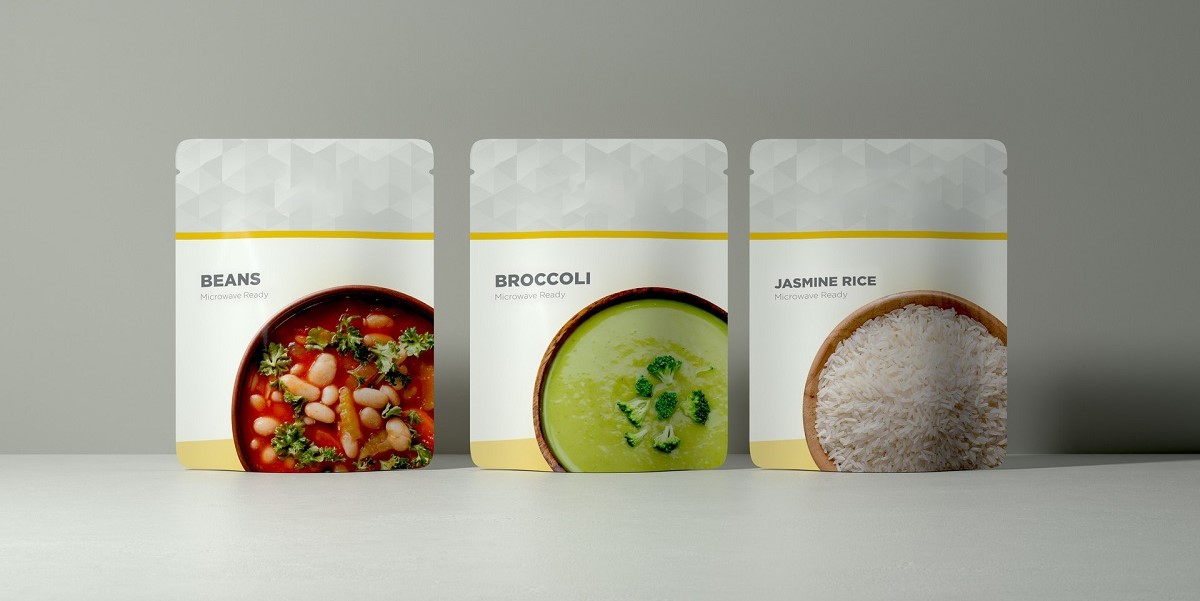
Today, retort pouches are widely used in ready-to-eat meals, soups, sauces, seafood, pet food, and military rations, reflecting their versatility and safety for high-value applications.
2. What Materials Are Retort Pouches Made Of?
The effectiveness of retort pouches lies in their multi-layer laminated structure, designed to combine flexibility with resistance to heat, moisture, and oxygen. A typical retort pouch consists of three to four layers, each serving a unique function.
| Layer | Material | Function |
|---|---|---|
| Outer Layer | Polyester (PET) | Provides strength, printability, and temperature resistance |
| Middle Layer | Aluminum Foil (AL) | Acts as a barrier against light, oxygen, and moisture |
| Inner Layer | Polypropylene (PP) | Provides heat sealability and food contact safety |
| Optional Layer | Nylon (PA) | Adds puncture resistance and flexibility |
Material Functions in Detail:
- PET Layer (Polyethylene Terephthalate) – Ensures durability and excellent printability for branding and product information.
- Aluminum Foil Layer – Blocks out oxygen and UV light, crucial for maintaining flavor and preventing oxidation.
- Nylon Layer (optional) – Enhances tear and puncture resistance, especially for products with sharp edges.
- PP Layer (Polypropylene) – Forms a tight, heat-resistant seal during the retort process, preventing leakage.
Emerging Material Innovations
In response to sustainability trends, companies are exploring mono-material retort structures, using recyclable PP or PE laminates without aluminum foil. According to Smithers (2024), the global retort packaging market is expected to grow by 6.8% CAGR through 2030, driven largely by eco-friendly innovations.
3. What Are the Advantages of Retort Pouches?
Retort pouches are celebrated for combining the protective power of cans with the convenience of flexible packaging. Here are the key advantages:
1. Extended Shelf Life
Retort sterilization eliminates bacteria and enzymes, keeping food safe for up to 24 months without refrigeration. This is especially beneficial for regions with limited cold chain logistics.
2. Lightweight and Space-Saving
Retort pouches can be up to 70% lighter than cans or jars, reducing shipping costs and carbon emissions. Their flat shape also optimizes warehouse and retail shelf space.
3. Enhanced Food Quality
Unlike canning, which can cause overcooking due to long heating times, retort pouches offer faster heat transfer, preserving color, flavor, and nutrients.
4. Convenient and Easy to Use
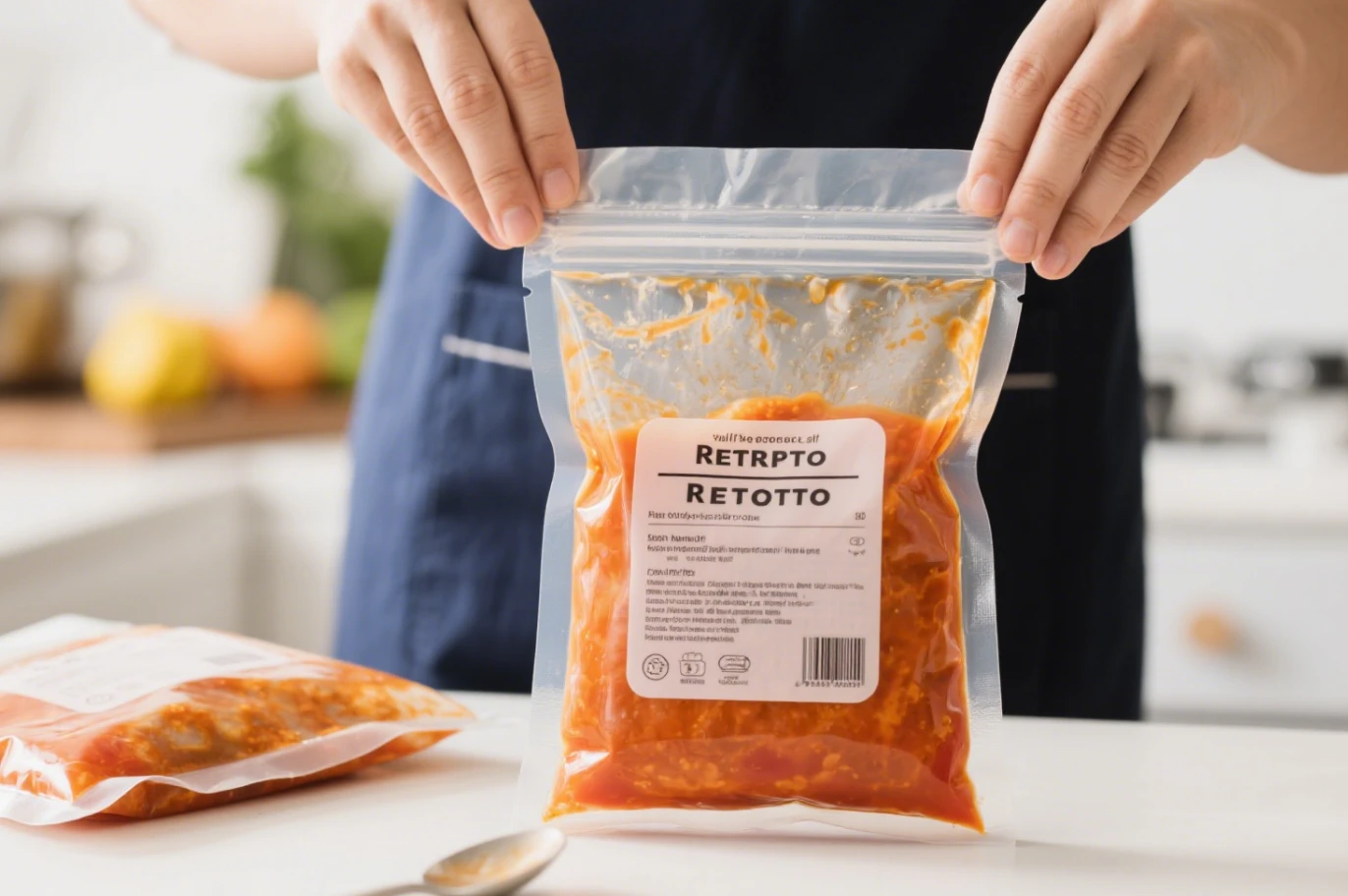
Consumers can easily open, heat, and consume products directly from the pouch. Some pouches include tear notches or spouts for added convenience.
5. Eco-Friendly Potential
Although traditional retort pouches are difficult to recycle due to mixed materials, new recyclable or compostable variants are being developed. Brands like Nestlé and Amcor have announced full recyclability targets for flexible packaging by 2030.
4. Why Are More and More Brands Choosing Retort Pouches?
The growing global demand for ready-to-eat (RTE) and on-the-go meals has made retort pouches a strategic choice for manufacturers. According to Fortune Business Insights (2024), the global retort packaging market size is projected to reach USD 7.8 billion by 2028, driven by food diversification, urbanization, and sustainability demands.
Key Industry Drivers:
- Consumer Convenience:
Modern consumers value packaging that saves time and effort. Retort pouches align perfectly with this lifestyle shift. - Logistics Efficiency:
The compact, lightweight structure reduces transportation and storage costs, benefiting both brands and distributors. - Visual Branding:
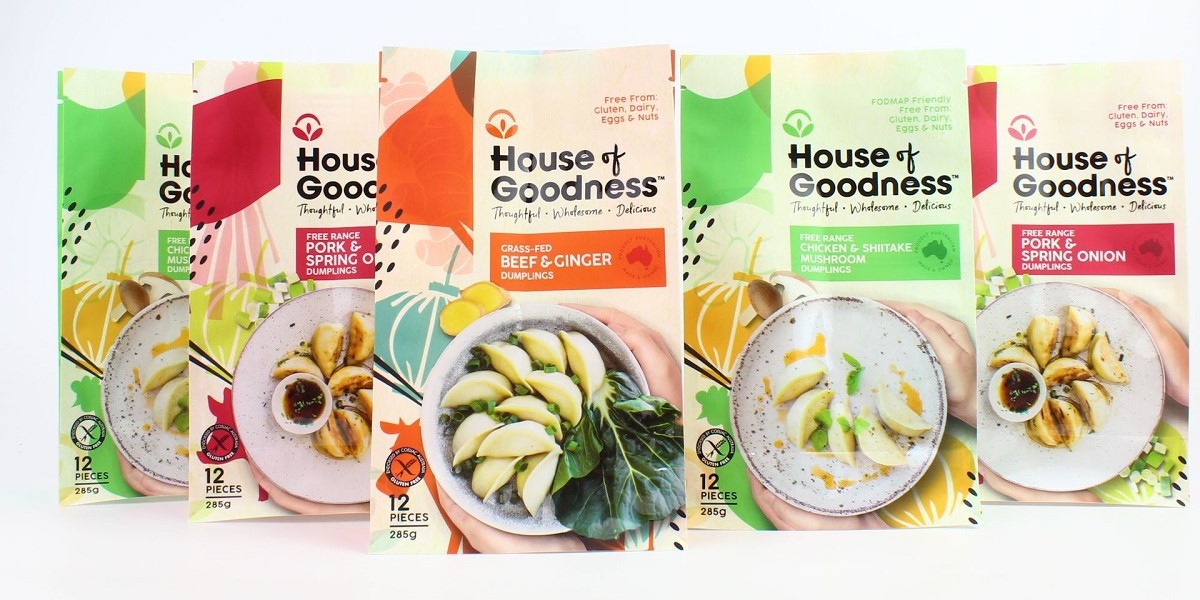
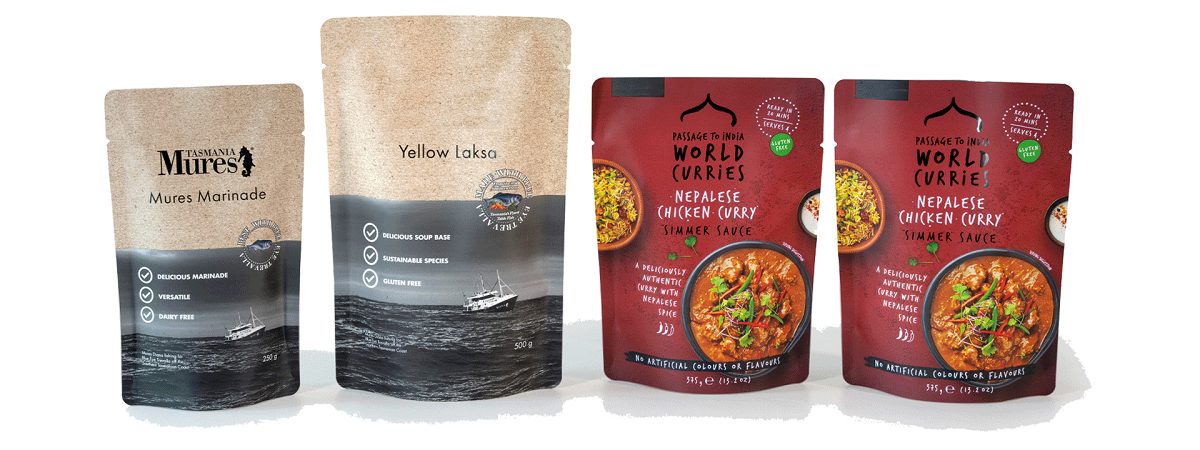
Unlike cans, retort pouches offer a large printable surface for vivid designs and product information. - Extended Shelf Life in Global Trade:
Retort pouches maintain product safety during long-distance transportation, crucial for exporters in the food industry. - Sustainability and Reduced Waste:
As eco-conscious consumers grow, brands increasingly favor lightweight packaging with smaller carbon footprints.
5. Are Retort Pouches Suitable for Your Product?
Retort pouches are ideal for moist, semi-solid, and liquid-based foods, but product suitability depends on formulation, sterilization needs, and desired shelf life.
Product Categories That Commonly Use Retort Pouches:
- Ready-to-eat curries, soups, and sauces
- Cooked meats and seafood
- Pet foods
- Baby foods
- Camping and military rations
- Instant noodles and rice dishes
Considerations Before Choosing Retort Packaging:
- Temperature Tolerance:
Ensure your product can withstand sterilization without texture or flavor degradation. - Barrier Needs:
Choose materials with suitable barrier levels to protect against moisture, light, and oxygen. - Sealing and Filling Equipment:
Your production line must support heat-sealing technology and retort sterilization. - Sustainability Goals:
Evaluate whether recyclable or aluminum-free options align with your brand image.
Brands seeking to balance performance, cost, and sustainability will find retort pouches to be a smart investment for the long term.
FAQ: Common Questions About Retort Pouches
Q1: Can retort pouches replace metal cans entirely?
Not completely—while retort pouches offer superior flexibility and portability, metal cans still provide stronger protection for highly pressurized or carbonated contents.
Q2: Are retort pouches microwave-safe?
Yes, most modern retort pouches are designed for microwave reheating, but always check labeling for specific safety instructions.
Q3: How long can food last in a retort pouch?
When properly sterilized, products can last up to 24 months without refrigeration.
Q4: Are there recyclable retort pouch options?
Yes, advancements in mono-material PP and PE structures are creating recyclable versions, though recycling infrastructure remains limited in some regions.
Q5: What printing options are available for retort pouches?
Gravure and digital printing offer vivid colors, metallic effects, and high-resolution branding, ideal for retail shelf impact.
Conclusion
Retort pouches represent the evolution of food packaging—a solution that merges safety, sustainability, and consumer convenience. Their ability to extend shelf life while preserving taste and nutrition makes them indispensable for today’s food industry. As technology advances, we can expect more recyclable, eco-friendly, and visually appealing versions that redefine the standards of flexible packaging. Whether you’re a startup or a global food manufacturer, understanding the science and strategy behind retort pouches will empower you to make smarter, future-ready packaging decisions.