What You Need to Know About Rice Packaging
Anna_Yu
What You Need to Know About Rice Packaging
Before diving into the detailed analysis of rice packaging, it is important to understand why the topic matters in the modern food industry. Rice is one of the most consumed staple foods worldwide, feeding billions of people across diverse cultures. Because of its high demand and long distribution chain, rice must be packaged in ways that preserve freshness, maintain quality, and ensure food safety from farm to table. In addition, global consumers are increasingly focused on packaging sustainability, convenience, and brand trustworthiness. This means that companies must choose packaging that not only protects rice from moisture, oxygen, pests, and contamination, but also reflects the brand image and aligns with environmental expectations. With the rise of flexible packaging technology, the rice industry is seeing rapid innovation—from improved barrier materials to intelligent packaging designs. Understanding these changes helps brands make informed decisions to remain competitive, reduce waste, and enhance consumer satisfaction.
1. What are the common packaging options for rice?
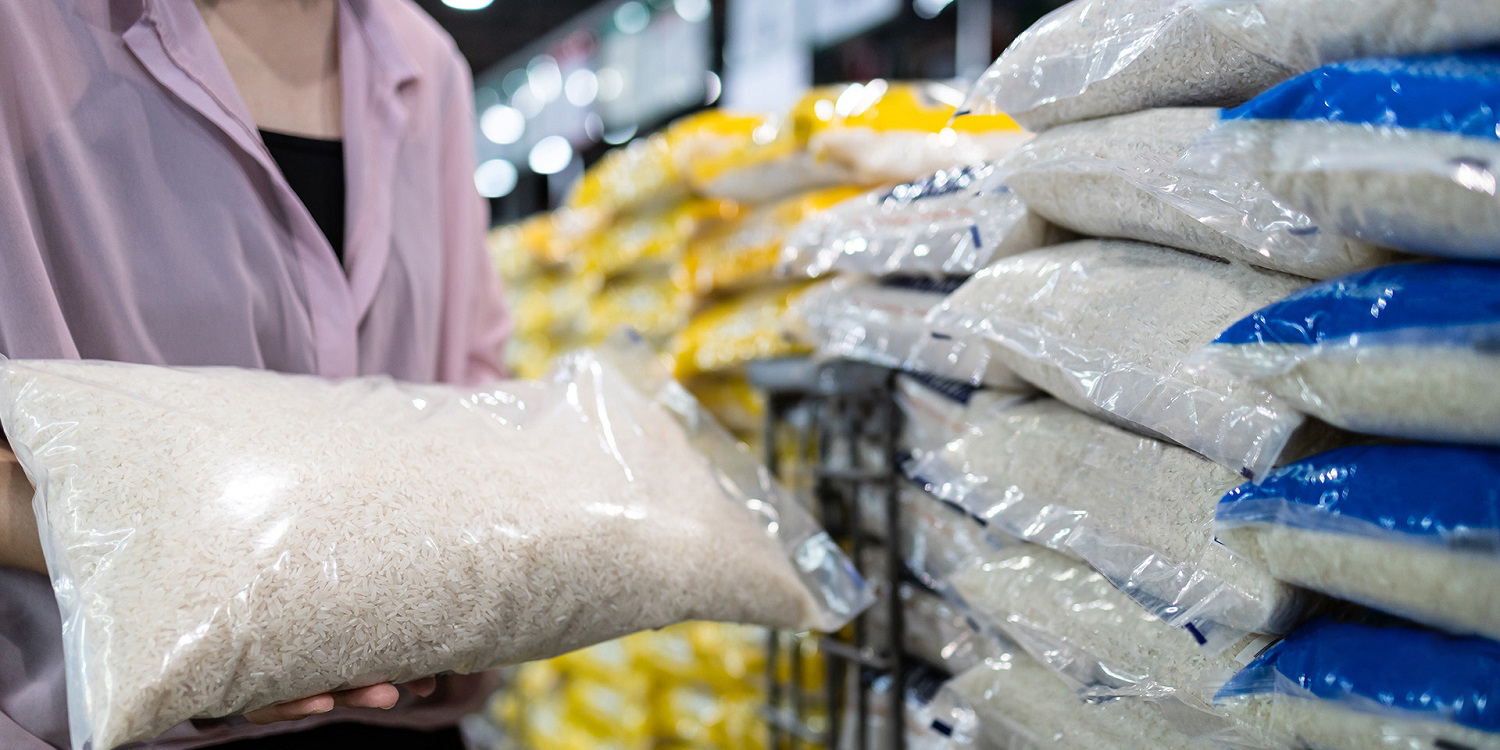
Rice packaging has evolved significantly over the past decades, moving from simple woven bags to sophisticated high-barrier flexible packaging. Each packaging type serves specific market needs depending on product volume, distribution channels, and longevity requirements.
1.1 Woven Polypropylene (PP) Bags
Woven PP bags are one of the most traditional and widely used forms of rice packaging. These bags are durable, cost-effective, and ideal for large volumes such as 10kg, 25kg, and 50kg commercial rice.
Advantages include:
- High tensile strength
- Resistant to tearing
- Reusable and relatively inexpensive
However, woven PP bags provide limited barrier protection. Without an inner liner, they allow moisture and oxygen transfer, which may reduce shelf life.
1.2 PE (Polyethylene) Bags
These bags are often used for smaller retail packaging: 1kg, 2kg, and 5kg rice bags. PE provides better moisture resistance compared to PP woven bags.
Typical PE bags include:
- Mono-layer LDPE bags
- Multi-layer PE bags
- Vacuum-sealed PE bags
They’re convenient and appealing for retail display.
1.3 Nylon/PE Vacuum Bags
Vacuum packaging is increasingly used for premium rice varieties such as jasmine rice, basmati rice, and organic rice.
Benefits include:
- Removal of oxygen, extending shelf life
- Prevention of pest infestation
- Compact shape for efficient storage and transport
This type of packaging also gives an appearance of “freshly harvested” quality.
1.4 High-Barrier Laminated Bags
These are considered the gold standard in modern rice packaging. Common structures include:
- PET/PE
- BOPP/PE
- PET/AL/PE
- NY/PE
Different structures offer varying barrier levels depending on whether the rice is white, brown, parboiled, or specialty grains.
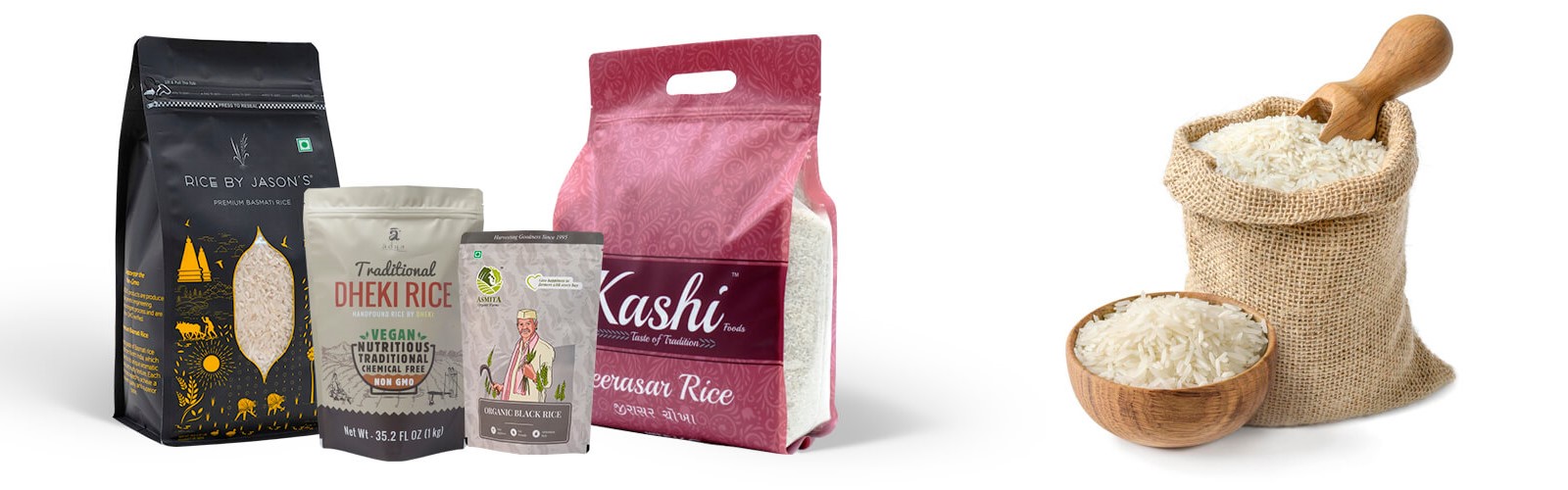
1.5 Stand-Up Pouches With Zippers
Used mainly for small quantities (250g–1kg), often seen in premium retail rice, meal kits, or gourmet product lines.
Features:
- Excellent shelf display
- Convenient resealability
- Compatible with clear windows and matte finishes
2. What are the requirements for flexible packaging materials for rice?
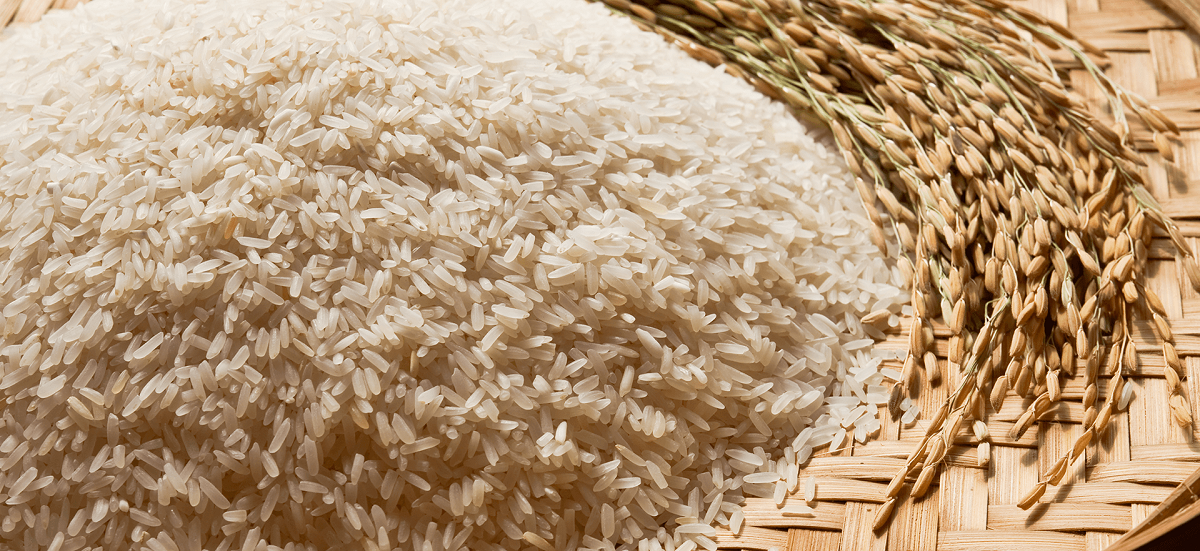
To maintain freshness and extend shelf life, rice packaging must meet specific performance requirements. The materials used need to withstand environmental factors during transport and storage.
2.1 Moisture Barrier
Rice is highly sensitive to moisture. Even slight humidity exposure leads to:
- Clumping
- Mold growth
- Loss of fragrance
- Reduced cooking quality
High-barrier films like PET/AL/PE or BOPP/PE provide effective moisture blocking.
2.2 Oxygen Barrier
Oxygen can degrade rice quality over time, especially in brown rice, which contains natural oils prone to oxidation.
Materials with strong oxygen barrier properties:
- Aluminum foil
- Metallized PET (VMPET)
- Nylon-based structures
These materials significantly extend product shelf life.
2.3 Strength & Durability
Rice is heavy, and packaging must resist both puncture and compression.
Important strength indicators:
- Tensile strength
- Impact resistance
- Seal strength
Multi-layer laminates are particularly suitable.
2.4 Food-Safe Materials
Packaging must comply with food contact safety standards such as:
- FDA (U.S.)
- EU Regulation 10/2011
- LFGB (Germany)
These regulations ensure no harmful substances migrate into the rice.
2.5 Printing Quality
Retailers rely heavily on visual appeal. Flexible packaging allows:
- Matte finishes
- Clear windows
- Metallic effects
- High-color gravure printing
These help brands stand out on supermarket shelves.

3. How can flexible packaging ensure the freshness of rice?
Flexible packaging uses advanced material science to maintain rice quality through prolonged storage and shipment. Several mechanisms play important roles.
3.1 Multi-Layer Barrier Design
A typical high-barrier film may include:
| Layer | Material | Function |
|---|---|---|
| Outer layer | PET or BOPP | Printing surface, scratch resistance |
| Middle layer | AL or NY | Barrier against oxygen, moisture, and light |
| Inner layer | PE | Heat sealing, food contact |
Together, these layers form a powerful protective system.
3.2 Vacuum Sealing
Vacuum-sealed rice maintains freshness by:
- Removing oxygen
- Preventing oxidation
- Inhibiting the growth of insects and bacteria
It also enhances packing density, reducing shipping costs.
3.3 Light Protection
Light, especially UV exposure, can degrade rice’s nutritional compounds. Aluminum foil layers completely block light, making them ideal for long-term storage.
3.4 Pest Prevention
Insects, primarily rice weevils, thrive in warm and humid conditions. High-barrier packaging creates an airtight environment, eliminating breeding potential.
3.5 Strong Heat Seals
High-quality seals prevent leakage and contamination. Advanced sealing methods include:
- Hot bar sealing
- Impulse sealing
- Continuous band sealing
Seal integrity is essential for long-distance transport.
4. What are the future trends in rice packaging?
Rice packaging continues to evolve alongside consumer expectations, environmental concerns, and technological developments. Several major trends are shaping the future of this market.
4.1 Eco-Friendly Materials
Consumers increasingly demand sustainable packaging. Future solutions include:
- Recyclable mono-material PE and PP pouches
- Compostable bioplastic packaging
- Water-based inks and adhesives
Efforts are made to maintain barrier strength while reducing environmental impact.
4.2 Smart Packaging
Smart packaging integrates technology such as:
- Freshness indicators
- QR codes for traceability
- Anti-counterfeit digital tags
This adds value and enhances consumer trust.
4.3 Lightweight Packaging
Reducing packaging weight lowers carbon footprints and shipping costs. Flexible packaging is already more efficient compared to rigid packaging, and further advancements are expected.
4.4 Customization & Premiumization
Small-batch premium rice products are on the rise. Packaging trends include:
- Matte textures
- Metallic effects
- Window patches
- Artistic cultural designs
These elements help brands differentiate their product in a saturated market.
4.5 Automation-Friendly Designs
As automation becomes more widespread, rice packaging must be compatible with:
- Filling machines
- Weighing systems
- High-speed sealing equipment
Modern packaging materials are optimized for machine efficiency.
FAQ
Q1: Which packaging material is best for long-term rice storage?
Aluminum foil laminated bags or vacuum-sealed nylon/PE bags provide the longest shelf life due to excellent moisture and oxygen barriers.
Q2: Is brown rice harder to store than white rice?
Yes. Brown rice contains natural oils that oxidize easily. High-barrier packaging is strongly recommended.
Q3: Can rice packaging be fully recyclable?
Traditional multi-layer laminates are not easily recyclable, but new mono-material PE and PP solutions are emerging.
Q4: How long can vacuum-sealed rice last?
Under proper conditions, vacuum-sealed rice can last 2–5 years, depending on storage environment.
Q5: Do printed designs affect food safety?
As long as inks and adhesives comply with food-contact regulations, printed packaging is completely safe.
Conclusion
Rice packaging plays a vital role in ensuring freshness, safety, and product longevity. With rising consumer expectations and global distribution challenges, high-barrier flexible packaging has become the preferred choice for both large-scale manufacturers and premium brands. Understanding the differences between packaging materials, barrier properties, and design trends helps businesses choose solutions that enhance shelf life, reduce costs, and strengthen brand identity. As sustainability and smart technology continue to shape the future, brands that adopt advanced packaging strategies will achieve stronger market competitiveness and deeper consumer trust.