Comprehensive Guide: How to Customize Flexible Packaging for Snacks
Anna_Yu
Comprehensive Guide: How to Customize Flexible Packaging for Snacks
Snack foods are one of the most diverse, fast-moving, and highly competitive categories in the global food market. From potato chips, nuts, popcorn, and crackers to trail mixes, dried fruits, and functional snacks, consumers expect snacks to be fresh, flavorful, visually appealing, and convenient. In this context, packaging is no longer just a protective layer—it has become a critical factor influencing shelf life, brand differentiation, and purchasing decisions.
Flexible packaging has become the dominant packaging format for snack products worldwide. Compared with rigid containers and paper-based packaging, flexible packaging offers better barrier performance, lighter weight, lower transportation costs, and exceptional customization flexibility. With the right customization strategy, snack brands can improve freshness, extend shelf life, reduce costs, and stand out in crowded retail and e-commerce environments.
However, snack packaging customization is a complex process. Different snack types have very different requirements for barrier properties, material structures, bag formats, and functional features. This comprehensive guide explains how to customize flexible packaging for snacks by exploring suitable bag types, freshness protection strategies, material and barrier selection, custom features, and the key design, performance, and cost factors manufacturers should consider.
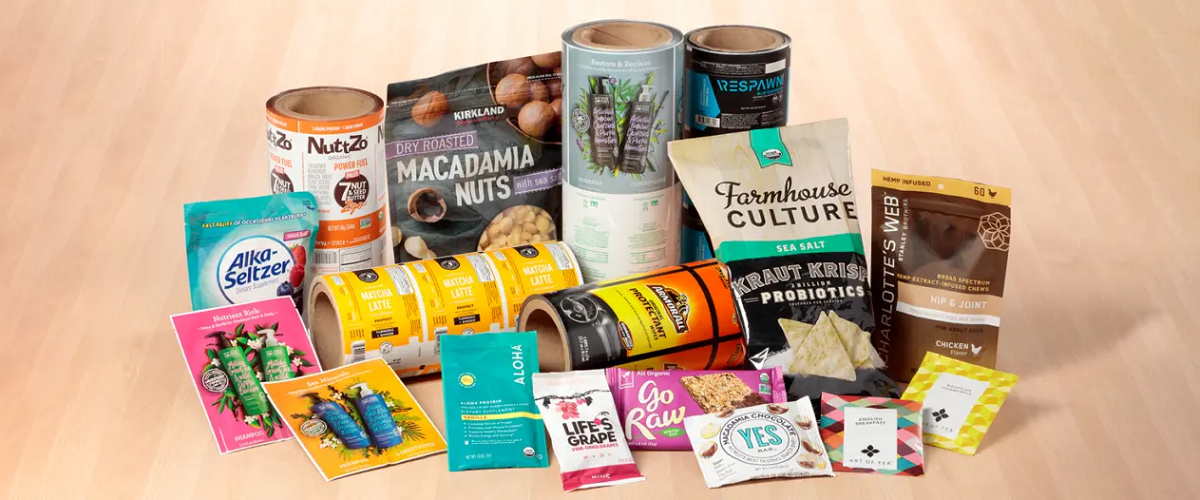
1. What Types of Flexible Packaging Are Most Suitable for Snack Products?
The most suitable flexible packaging format for snacks depends on product texture, oil content, serving size, and sales channel.
Stand-Up Pouches (Doypacks)
Stand-up pouches are one of the most popular packaging formats for snacks. They are widely used for:
- Nuts and roasted seeds
- Trail mixes and dried fruits
- Granola, popcorn, and functional snacks
Their ability to stand upright improves shelf visibility, while resealable options enhance consumer convenience.
Flat Bottom Bags (Box Pouches)
Flat bottom bags are often selected for premium snack brands and export products. Key advantages include:
- Excellent stability and shelf presence
- Five printable panels for branding and compliance
- High compatibility with premium finishes
They are commonly used for nuts, protein snacks, and specialty snack mixes.
Pillow Bags
Pillow bags are widely used for:
- Potato chips and puffed snacks
- Mass-market snack products
- High-speed automated production lines
They are cost-effective and ideal for large-volume snack manufacturing.
3-Side Seal and Quad Seal Bags
These formats are suitable for:
- Small portion snacks
- Value packs and private-label products
- Snacks sold through convenience channels
They offer flexibility in sizing and cost control.
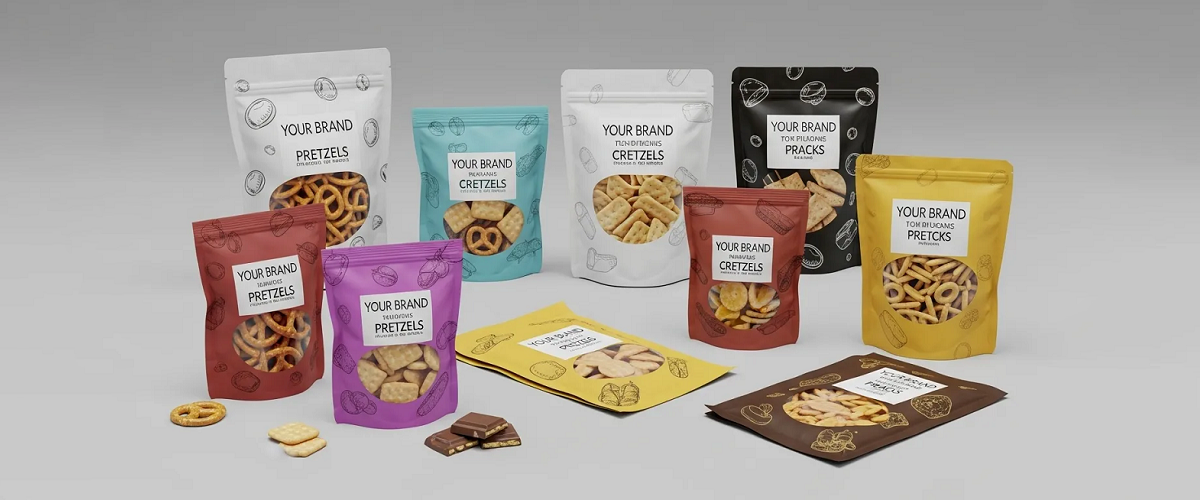
2. How Can Customized Flexible Packaging Improve Snack Freshness and Shelf Life?
Freshness protection is one of the most important goals of snack packaging customization.
Oxygen Control
Oxygen exposure causes:
- Oil oxidation
- Flavor degradation
- Texture softening
Customized high-barrier structures significantly slow oxidation and preserve snack quality.
Moisture Protection
Many snacks are sensitive to moisture. Poor moisture control leads to:
- Loss of crispness
- Clumping or sogginess
- Reduced shelf appeal
Customized moisture barriers help maintain ideal texture throughout shelf life.
Light Protection
Light accelerates degradation of oils, colors, and seasonings. Metallized or foil layers reduce UV exposure and improve product stability.
Modified Atmosphere Packaging (MAP)
Nitrogen flushing is commonly used for snacks to:
- Prevent crushing
- Reduce oxygen content
- Extend shelf life without preservatives
Customized packaging structures must be compatible with MAP systems.

3. Which Materials and Barrier Structures Are Best for Snack Packaging Customization?
Material selection should be customized based on snack type, fat content, and shelf-life requirements.
Common Materials Used in Snack Flexible Packaging
- PET: Strength, heat resistance, and high-quality printing
- BOPP: Cost efficiency and stiffness
- CPP / PE: Food-contact sealing layers
- VMPET: Enhanced oxygen and moisture barrier
- Aluminum Foil (AL): Maximum barrier protection
Typical Material Structures for Snacks
| Snack Type | Recommended Structure | Key Benefit |
|---|---|---|
| Potato chips | BOPP/VMPET/CPP | Crispness and oxidation control |
| Nuts & seeds | PET/VMPET/PE | Oil and moisture protection |
| Dried fruits | PET/PE | Moisture balance |
| Premium snacks | PET/AL/PE | Long shelf life and premium image |
| Export snacks | PET/AL/PE | Maximum barrier for transport |
Customized laminate structures ensure the right balance between performance and cost.
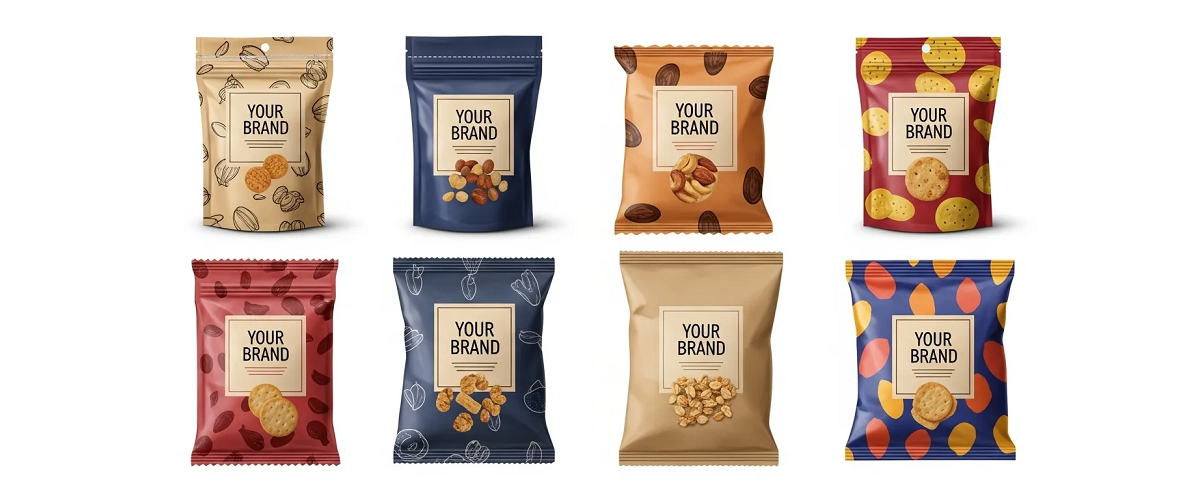
4. What Custom Features Should You Include in Snack Flexible Packaging Bags?
Customization goes beyond materials—functional features strongly affect user experience and brand value.
Resealable Zippers
Zippers help:
- Maintain freshness after opening
- Support multi-serve consumption
- Reduce food waste
They are increasingly expected by consumers.
Easy-Open Tear Notches
Tear notches improve first-use experience and reduce packaging frustration.
Transparent Windows (Optional)
Windows allow consumers to see product quality, but must be carefully sized to avoid excessive light exposure.
Premium Printing and Finishes
Custom finishes such as matte coating, spot UV, or metallic inks enhance shelf impact and perceived value.
Custom Shapes and Sizes
Flexible packaging allows brands to tailor:
- Portion sizes
- Pack shapes
- Weight ranges
to specific markets and consumption occasions.
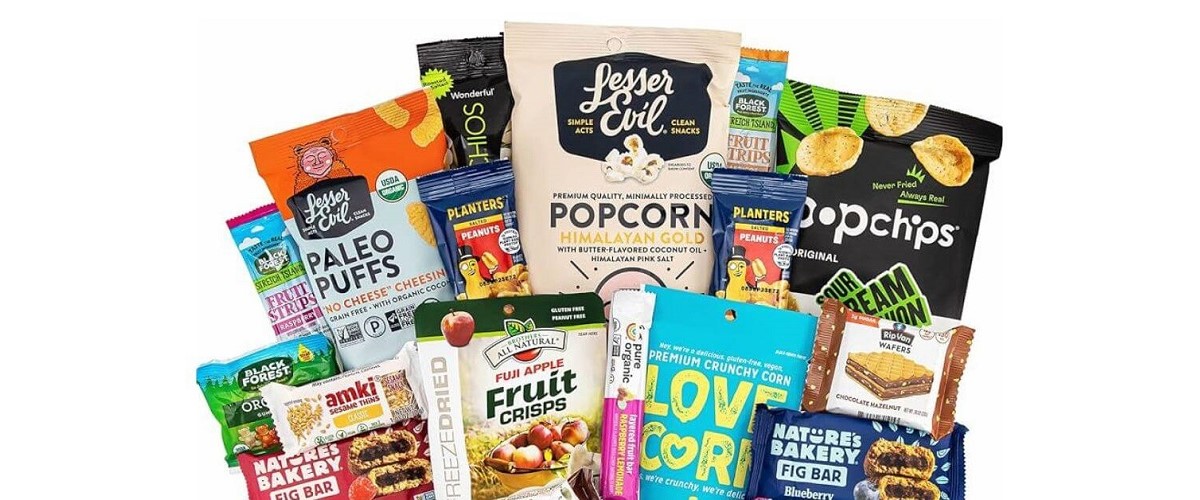
5. Flexible Packaging Customization for Snacks: Key Design, Performance, and Cost Factors
Successful snack packaging customization requires a balanced strategy.
Shelf-Life Requirements
Most snack products require 6–12 months, while export or premium snacks may need 12–18 months of shelf life.
Distribution and Sales Channels
Packaging must withstand:
- Long-distance transportation
- E-commerce shipping
- Temperature and humidity variations
Cost Optimization
While aluminum foil structures provide the highest barrier, metallized films often offer a cost-effective alternative for mainstream snacks.
Sustainability Considerations
Customized recyclable structures, downgauged materials, and reduced plastic usage are becoming increasingly important.
Brand Differentiation
Packaging design should clearly communicate:
- Flavor and positioning
- Brand personality
- Quality level
Turning packaging into a core marketing asset.
FAQ
What is the most common flexible packaging for snacks?
Pillow bags and stand-up pouches are the most widely used formats.
Do snack products need high-barrier packaging?
Yes. Oxygen and moisture barriers are critical for freshness and texture.
Is nitrogen flushing necessary for snack packaging?
For chips and fragile snacks, nitrogen flushing is highly recommended.
Can flexible packaging be customized for small snack brands?
Absolutely. Flexible packaging supports low MOQs and high design flexibility.
Conclusion
Customizing flexible packaging for snacks is a strategic investment that directly impacts freshness, shelf life, brand visibility, and cost efficiency. By selecting the right bag types, material structures, barrier properties, and functional features, snack brands can protect product quality while standing out in competitive markets. In a category driven by impulse purchases and sensory appeal, well-designed flexible packaging is not just protection—it is a powerful driver of snack brand success.