Why Is Flexible Packaging Suitable for Herbal Teas?
Anna_Yu
Why Is Flexible Packaging Suitable for Herbal Teas?
Herbal teas have gained significant popularity worldwide due to increasing consumer awareness of natural wellness, functional beverages, and plant-based nutrition. Products such as chamomile, peppermint, ginger, hibiscus, lemongrass, and mixed botanical teas are now widely consumed for relaxation, digestion, immunity support, and stress relief. However, unlike traditional black or green teas, herbal teas are often composed of dried flowers, leaves, roots, and fruits, making them especially sensitive to moisture, oxygen, light, and aroma contamination.
Maintaining the purity, potency, and sensory quality of herbal teas requires carefully engineered packaging solutions. Improper packaging can quickly lead to aroma loss, discoloration, flavor degradation, microbial growth, and cross-contamination from surrounding odors. In competitive retail and export markets, poor packaging not only affects product performance but also damages brand credibility and consumer trust.
Flexible packaging has emerged as the preferred solution for herbal tea manufacturers and private-label brands. Compared with paper boxes, glass jars, and rigid tins, flexible packaging offers superior barrier performance, lightweight logistics advantages, advanced customization capabilities, and strong compatibility with modern filling systems. From resealable stand-up pouches to foil-based sachets and flat bottom bags, flexible packaging enables herbal tea brands to protect freshness while strengthening shelf appeal and operational efficiency.
This comprehensive guide explains why flexible packaging is suitable for herbal teas by analyzing packaging performance, material selection, functional features, shelf-life protection strategies, and the key benefits for long-term storage and global distribution.
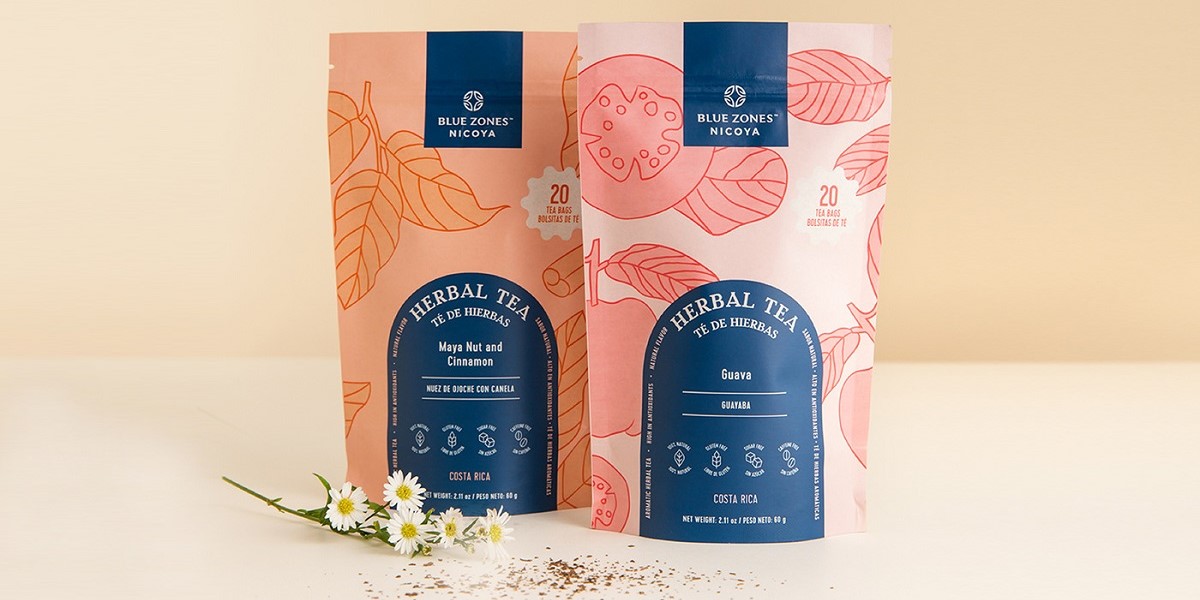
1. What Makes Flexible Packaging Ideal for Herbal Tea Products?
Flexible packaging aligns perfectly with the physical and commercial characteristics of herbal tea products.
Excellent Barrier Adaptability
Flexible laminates can be engineered to provide:
- High moisture resistance
- Oxygen and odor barriers
- UV and light protection
This adaptability ensures consistent quality across different herbal blends.
Lightweight and Space Efficiency
Compared with tins and glass containers, flexible packaging significantly reduces:
- Transportation costs
- Carbon footprint
- Warehouse space requirements
This is especially important for export-oriented tea brands.
Superior Branding and Customization
Flexible packaging supports:
- Full-surface high-definition printing
- Premium finishes (matte, metallic, soft-touch)
- Multiple pack sizes and formats
Helping brands build strong shelf presence.
Compatibility with Automation
Modern flexible packaging integrates seamlessly with automated filling, sealing, and labeling systems.

2. How Does Flexible Packaging Protect the Aroma and Freshness of Herbal Teas?
Aroma preservation is critical for herbal tea quality.
Oxygen Control
Oxygen exposure causes:
- Volatile oil evaporation
- Flavor oxidation
- Loss of therapeutic properties
High-barrier laminates minimize oxygen transmission.
Moisture Regulation
Herbal teas must remain dry to prevent:
- Mold formation
- Clumping
- Texture deterioration
Low MVTR materials help stabilize internal humidity.
Odor Isolation
Herbal teas easily absorb surrounding odors. Multi-layer laminates prevent cross-contamination during storage and transportation.
Light Protection
Metallized and foil layers block UV radiation, preserving natural color and active compounds.
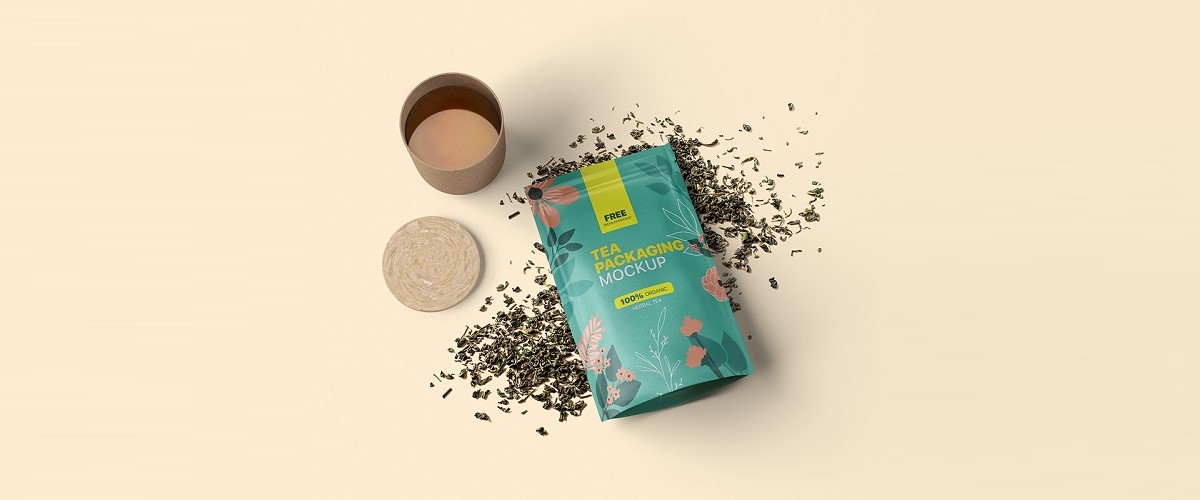
3. Which Packaging Materials Are Best for Herbal Tea Flexible Packaging?
Material selection should reflect product sensitivity and target market positioning.
Common Materials Used in Herbal Tea Packaging
- PET: Mechanical strength and print quality
- BOPP: Cost efficiency and stiffness
- PE / CPP: Food-contact sealing layers
- VMPET: Enhanced aroma and moisture barrier
- Aluminum Foil (AL): Maximum protection for premium and export products
Typical Material Structures for Herbal Teas
| Product Category | Recommended Structure | Key Benefit |
|---|---|---|
| Daily-use teas | BOPP/CPP | Cost-effective moisture control |
| Premium blends | PET/VMPET/PE | Strong barrier and visual appeal |
| Export products | PET/AL/PE | Long shelf life |
| Sachets | PET/PE | Lightweight and portability |
| Sustainable line | Mono PE | Recyclability |
Proper material selection ensures optimal performance and regulatory compliance.
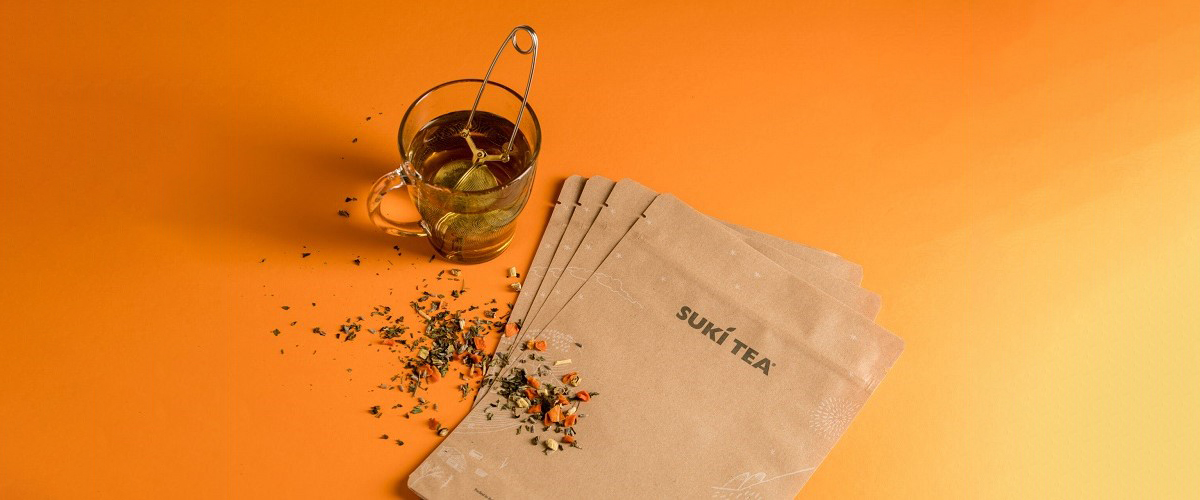
4. What Packaging Features Help Extend the Shelf Life of Herbal Teas?
Functional features directly affect post-opening quality and storage stability.
Resealable Zippers
Zippers maintain freshness after opening and reduce moisture exposure.
One-Way Valves (Selective Use)
In specialty blends, valves help regulate internal gas pressure in certain fermentation processes.
Easy-Tear Openings
Tear notches improve usability and reduce accidental package damage.
Controlled Transparent Windows
Small windows can display product quality while minimizing light penetration.
Anti-Static Inner Layers
These reduce fine powder adhesion and improve product handling.
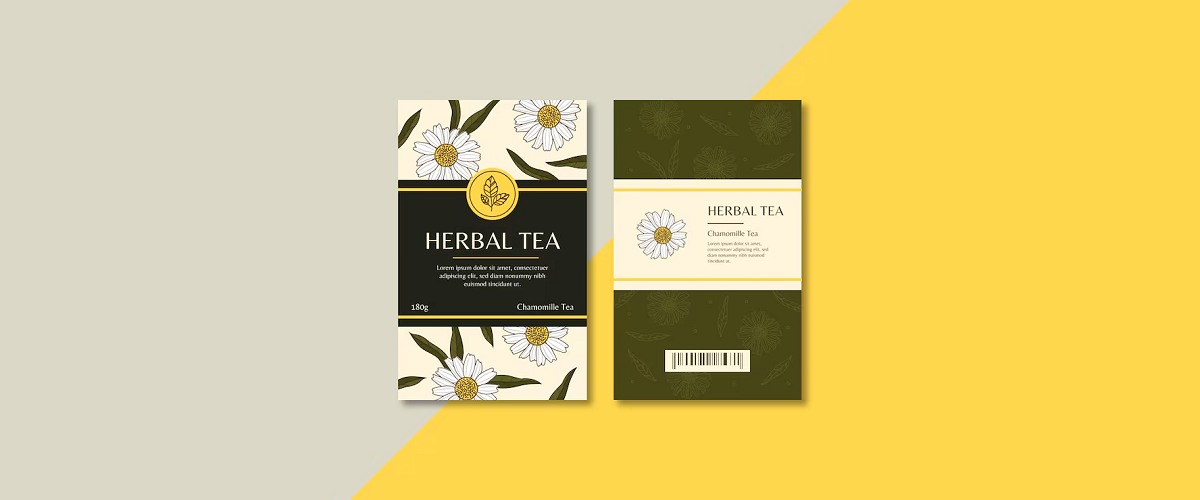
5. Flexible Packaging for Herbal Teas: Key Benefits for Storage and Distribution
Strategic packaging design supports long-term commercial success.
Extended Shelf Life
High-barrier flexible packaging enables 12–24 months of shelf life under proper conditions.
Improved Logistics Efficiency
Lightweight packs reduce:
- Freight expenses
- Handling risks
- Breakage losses
Cost Optimization
Metallized films provide an effective balance between protection and cost.
Sustainability Alignment
Eco-friendly packaging enhances brand image and meets regulatory trends.
Global Market Access
Flexible packaging supports:
- Multilingual labeling
- Export compliance
- Private-label customization
Expanding international business opportunities.
Industry Trends in Herbal Tea Flexible Packaging
| Trend | Description | Market Impact |
|---|---|---|
| Eco-packaging | Recyclable mono-material films | Brand differentiation |
| Smart packaging | QR codes & traceability | Consumer trust |
| Premium finishes | Matte & soft-touch coatings | Higher perceived value |
| Small formats | Single-serve sachets | Convenience growth |
| Custom blends | Limited editions | Marketing innovation |
FAQ
What is the best packaging for loose herbal teas?
Stand-up pouches or flat bottom bags with high-barrier laminates and resealable zippers.
Do herbal teas require aluminum foil packaging?
For export and premium blends, foil laminates provide maximum protection.
Is flexible packaging suitable for organic herbal teas?
Yes. It supports compliance labeling and contamination prevention.
Can flexible packaging extend herbal tea shelf life?
With proper materials, shelf life can reach 24 months.
Conclusion
Flexible packaging plays a critical role in preserving the aroma, potency, and visual quality of herbal teas. By combining advanced barrier materials, functional features, and high-quality printing, herbal tea brands can protect product integrity, enhance brand positioning, and optimize global distribution. In a wellness-driven market where purity and freshness define value, flexible packaging is not just a container—it is a strategic asset for sustainable brand growth.