What Kind of Flexible Packaging Do You Need for Your Fried Pork Cutlets?
Anna_Yu
What Kind of Flexible Packaging Do You Need for Your Fried Pork Cutlets?
Fried pork cutlets, commonly known as breaded pork schnitzel or tonkatsu-style pork cutlets, are popular in both retail and food service markets. These products are typically sold in chilled ready-to-cook formats, fully cooked frozen formats, or as part of ready-to-eat meal kits. Because fried pork cutlets combine high-protein meat content with oil-rich crispy breading, they present unique packaging challenges that differ significantly from raw or unbreaded meat products.
The main quality characteristics consumers expect from fried pork cutlets include a crispy outer coating, juicy interior texture, appealing golden color, and clean flavor without rancidity. However, oil oxidation, moisture migration, freezer burn, microbial contamination, and mechanical damage can quickly reduce product quality if packaging performance is inadequate.
Flexible packaging has become the preferred solution for fried pork products because it supports vacuum and modified atmosphere packaging (MAP), offers excellent oil resistance, maintains barrier stability under freezing conditions, and improves cost efficiency during cold-chain distribution. Compared with rigid trays or bulky containers, flexible laminated films reduce material consumption, enhance sealing performance, and provide better adaptability for export logistics.
This comprehensive guide explores the best flexible packaging types, barrier materials, food safety features, and key considerations for storing, transporting, and exporting fried pork cutlets.
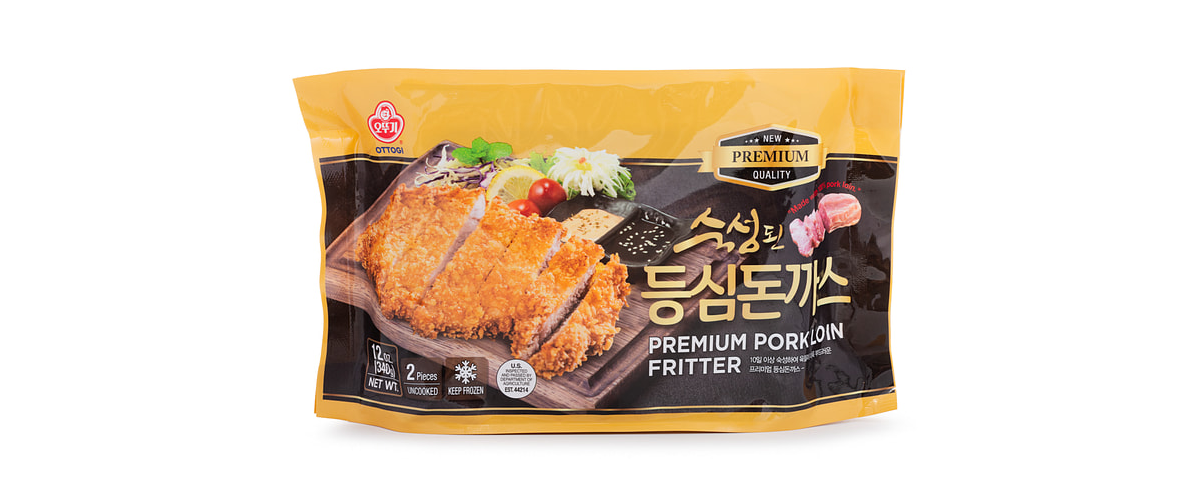
1. What Types of Flexible Packaging Are Best for Fried Pork Cutlets?
The appropriate packaging type depends on whether the product is chilled, frozen, or fully cooked.
Vacuum Pouches
Suitable for:
- Fully cooked fried pork cutlets
- Chilled distribution
- Extended refrigerated shelf life
Vacuum packaging reduces oxygen exposure and slows fat oxidation.
Thermoforming Films (Top & Bottom Web)
Common in supermarkets:
- Tray-sealed fried pork cutlets
- MAP applications
- Attractive product display
Provide structural support and controlled gas atmosphere.
Stand-Up Pouches (Frozen Products)
Ideal for:
- Frozen breaded pork cutlets
- Family-size retail packs
Offer strong moisture barrier and freezer durability.
Flow Wrap Packaging
Used for:
- Individually wrapped portions
- Short shelf-life distribution
Provides moderate protection and production efficiency.
Retort Pouches (Ready-to-Eat Meals)
For:
- Shelf-stable fried pork meals
- Heat-processed food products
Require high-temperature resistant laminated structures.
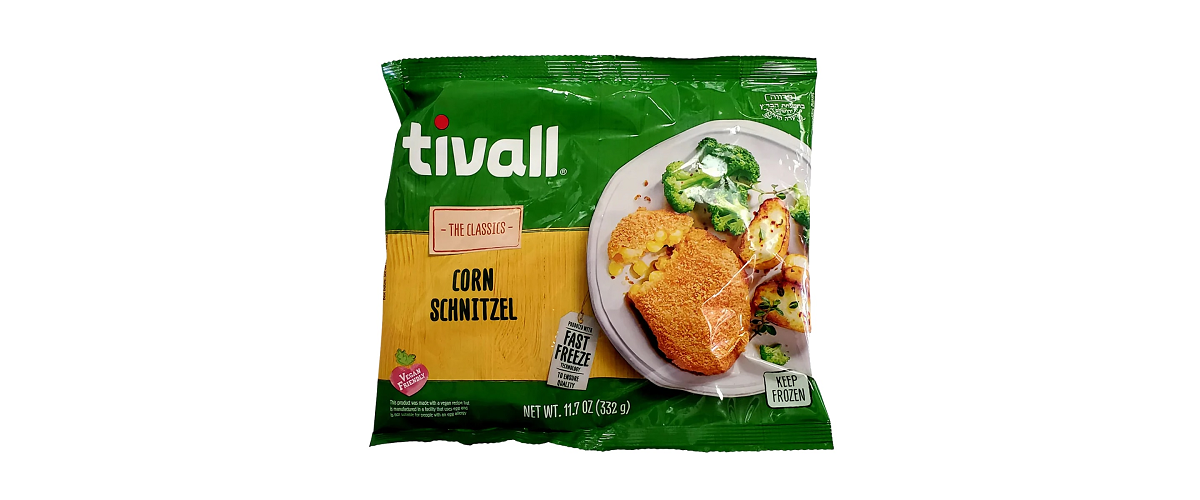
2. How Does Flexible Packaging Protect the Crisp Texture and Freshness of Breaded Pork Cutlets?
Texture preservation requires moisture and oxygen control.
Oxygen Barrier Protection
Oxygen exposure leads to:
- Oil oxidation
- Rancid flavor development
- Color fading
Low OTR (Oxygen Transmission Rate) films extend product freshness.
Moisture Management
Moisture migration can:
- Soften breading
- Destroy crisp texture
- Encourage microbial growth
Appropriate MVTR (Moisture Vapor Transmission Rate) helps maintain coating integrity.
Freezer Burn Prevention
For frozen products:
- High-barrier films reduce moisture loss
- Prevent surface dehydration
- Maintain product weight and appearance
Mechanical Protection
Flexible laminates protect against:
- Crumb breakage
- Surface scratches
- Compression damage during stacking
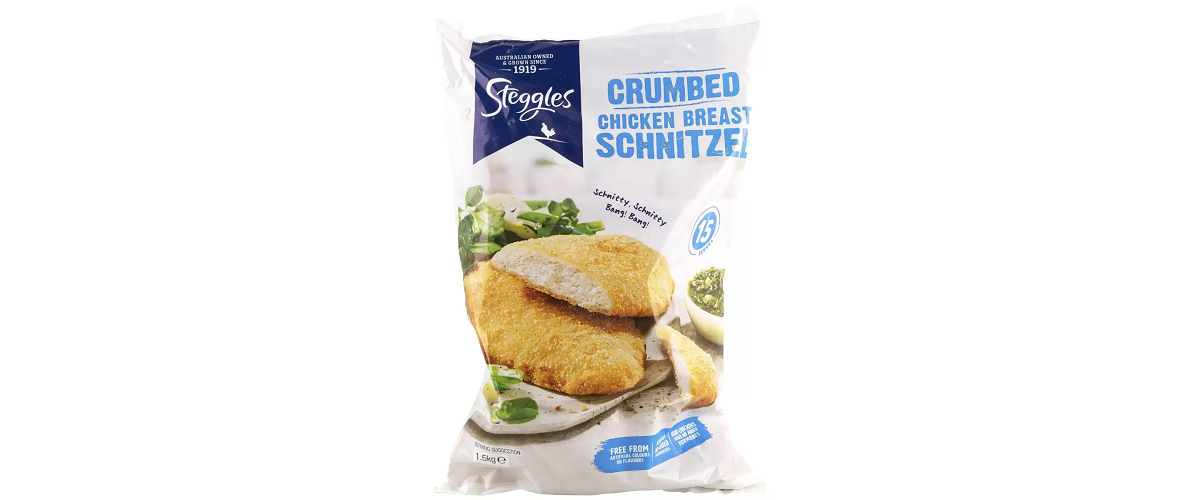
3. Which Barrier Materials Are Suitable for Frozen and Chilled Fried Pork Products?
Material selection must consider oil content and temperature conditions.
PA/PE (Nylon/Polyethylene)
Common for:
- Vacuum packaging
- Chilled meat products
Provides puncture resistance and moderate oxygen barrier.
PET/PA/PE Laminates
Offer:
- Enhanced mechanical strength
- Improved oxygen barrier
- Stable sealing performance
Suitable for export distribution.
PET/VMPET/PE Structures
Provide:
- High oxygen and moisture barrier
- Oil resistance
- Freezer stability
Ideal for frozen fried products.
PET/AL/PE Laminates
Deliver:
- Maximum barrier protection
- Light blocking
- Extended shelf life
Recommended for long-distance export and extended storage.
EVOH-Based Co-Extruded Films
Used in MAP systems to:
- Achieve ultra-low oxygen transmission
- Maintain gas mixture stability
Especially effective in chilled retail environments.
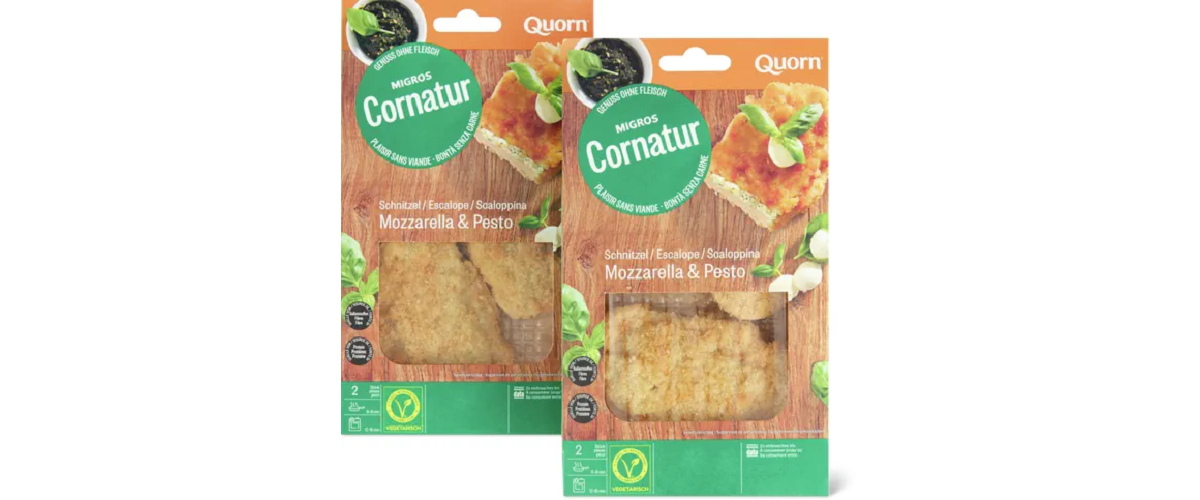
4. What Packaging Features Are Essential for Food Safety and Oil Resistance?
Oil-rich fried foods require specialized packaging design.
Oil-Resistant Inner Layers
The inner sealing layer must:
- Resist grease penetration
- Prevent delamination
- Maintain seal strength
Food-grade PE or CPP layers are commonly used.
Strong Heat Seal Integrity
Critical to:
- Prevent leakage
- Maintain vacuum or MAP atmosphere
- Ensure hygiene protection
Anti-Fog Properties
For retail display trays:
- Prevent condensation
- Maintain visual clarity
- Improve consumer confidence
Puncture and Tear Resistance
Breaded edges may create sharp points. Films must withstand:
- Handling stress
- Cold storage conditions
- Transportation vibration
Regulatory Compliance
Packaging must comply with:
- EU food-contact regulations
- FDA standards
- Migration safety requirements
Especially important for export markets.
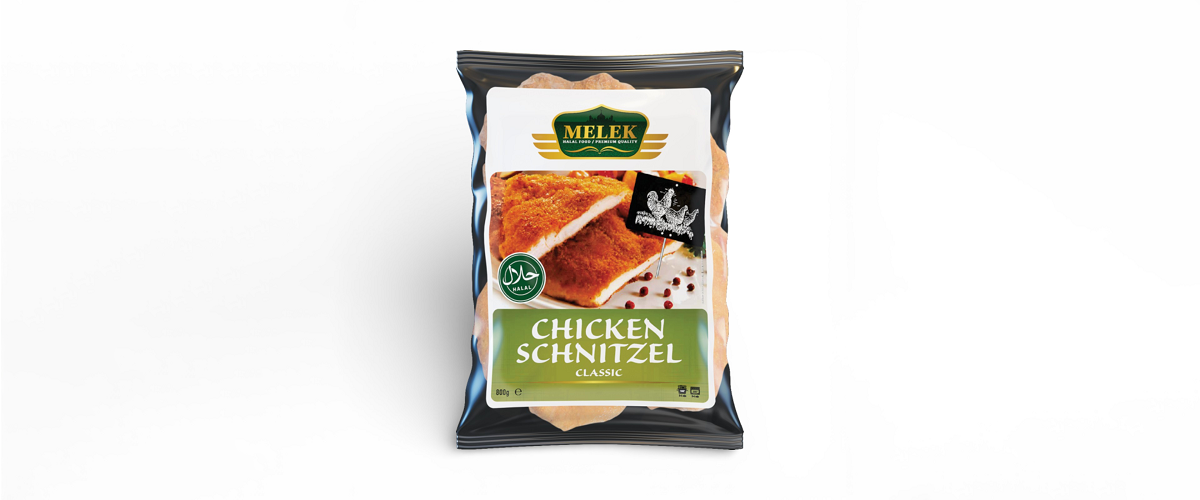
5. Flexible Packaging for Fried Pork Cutlets: Key Factors for Storage, Transportation, and Export
Strategic packaging planning improves profitability and product safety.
Shelf-Life Requirements
Typical expectations:
- Chilled vacuum-packed: 10–30 days
- MAP retail packs: 7–21 days
- Frozen products: 6–12 months
Barrier selection must match target shelf life.
Cold-Chain Compatibility
Packaging must maintain:
- Seal strength at low temperatures
- Structural stability during freezing and thawing
- Resistance to brittleness
Export Durability
For international shipping:
- High-barrier laminates
- Strong mechanical performance
- Temperature fluctuation resistance
Are essential.
Logistics Efficiency
Flexible packaging reduces:
- Transportation weight
- Storage space
- Handling costs
Improving supply chain efficiency.
Sustainability Considerations
Growing demand for:
- Recyclable mono-material PE films
- Reduced plastic thickness
- Lower carbon footprint packaging
Aligns with modern environmental standards.
Industry Trends in Fried Food Flexible Packaging
| Trend | Description | Market Impact |
|---|---|---|
| MAP packaging | Extended chilled shelf life | Reduced spoilage |
| High-barrier laminates | Oil oxidation prevention | Quality retention |
| Freezer-resistant films | Improved frozen stability | Export growth |
| Anti-fog technology | Clear retail display | Increased consumer trust |
| Lightweight structures | Material reduction | Cost optimization |
FAQ
What is the best packaging for frozen fried pork cutlets?
High-barrier laminated pouches such as PET/VMPET/PE or PET/AL/PE are ideal.
Does fried pork require vacuum packaging?
Vacuum packaging is effective for cooked chilled products to reduce oxidation.
How can packaging prevent breading from becoming soggy?
By controlling moisture transmission and minimizing internal condensation.
Is oil resistance important in fried food packaging?
Yes, inner sealing layers must resist grease penetration to maintain integrity.
Conclusion
Fried pork cutlets require flexible packaging solutions that balance oxygen control, moisture management, oil resistance, and mechanical strength. Whether distributed as chilled, frozen, or ready-to-eat products, proper barrier materials and packaging features are essential to preserve crisp texture, prevent spoilage, and ensure food safety compliance. Flexible packaging provides a cost-effective and adaptable solution that enhances shelf life, supports cold-chain logistics, improves retail presentation, and strengthens export competitiveness. For manufacturers seeking consistent quality and long-term market growth, investing in high-performance flexible packaging is a strategic decision.