Are Tea Packages the Same as Coffee Packages?
Anna_Yu
Are Tea Packages the Same as Coffee Packages?
Tea and coffee are two of the most widely consumed beverages in the world. Although both products are plant-based, dried, and distributed in powder or leaf form, their packaging requirements are fundamentally different. Many new beverage brands mistakenly assume that tea packaging and coffee packaging can use similar materials and structures. However, differences in roasting processes, gas release behavior, oil content, oxidation sensitivity, and aroma retention demands make these two product categories distinct from a packaging engineering perspective.
Coffee, especially freshly roasted whole beans, is highly sensitive to oxygen and actively releases carbon dioxide after roasting. Improper packaging can lead to bag swelling, flavor degradation, and rapid staling. Tea, on the other hand, does not release gas but is extremely sensitive to moisture, light, and external odors. Even slight humidity exposure can cause clumping, mold growth, and loss of aroma compounds.
Because of these differences, flexible packaging solutions for tea and coffee must be carefully designed to match each product’s chemical characteristics, shelf-life goals, and branding strategy. Understanding barrier requirements, degassing needs, material selection, and retail presentation factors is essential for beverage brands aiming to protect product quality while strengthening market competitiveness.
This comprehensive guide compares tea and coffee packaging requirements, explains technical differences, and outlines the best flexible packaging solutions for each category.
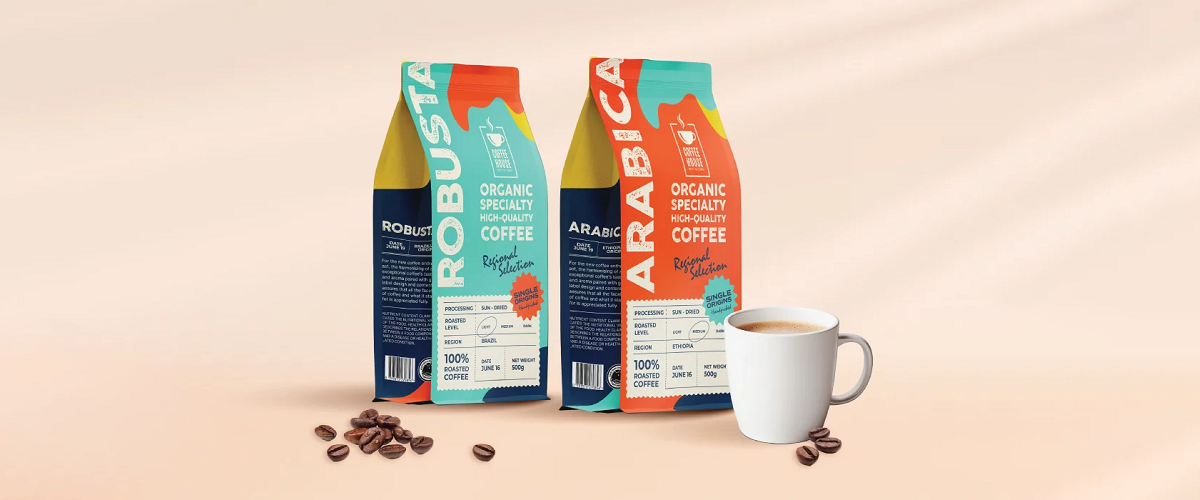
1. What Are the Main Differences Between Tea Packaging and Coffee Packaging?
Although both are dry products, their behaviors after processing differ significantly.
Gas Release Behavior
- Coffee (roasted beans): Releases CO₂ after roasting
- Tea (green, black, herbal): Does not release gas
This difference directly affects packaging structure.
Oil Content
- Coffee contains natural oils that oxidize easily
- Tea generally contains lower oil levels
Oil oxidation risk is higher in coffee.
Aroma Volatility
Both products are aromatic, but:
- Coffee aroma degrades quickly when exposed to oxygen
- Tea aroma is highly sensitive to moisture and light
Shelf-Life Expectations
- Specialty coffee: 6–12 months (sealed)
- Tea: 12–24 months (depending on type)
Packaging must align with these timelines.

2. How Do Barrier Requirements Differ for Tea and Coffee Products?
Barrier performance requirements vary based on product sensitivity.
Oxygen Barrier (OTR)
Coffee requires:
- Extremely low oxygen transmission rate
- Strong protection against oxidation
Tea also requires oxygen protection but generally less critical than coffee.
Moisture Barrier (MVTR)
Tea requires:
- Very low moisture vapor transmission
- Protection from humidity
Coffee also needs moisture protection but is more sensitive to oxygen than tea.
Light Protection
- Light can degrade both products
- Green tea is particularly sensitive to UV exposure
Metallized or foil layers are commonly used for both.
Odor Protection
Tea easily absorbs external odors. Packaging must prevent flavor contamination during storage and shipping.
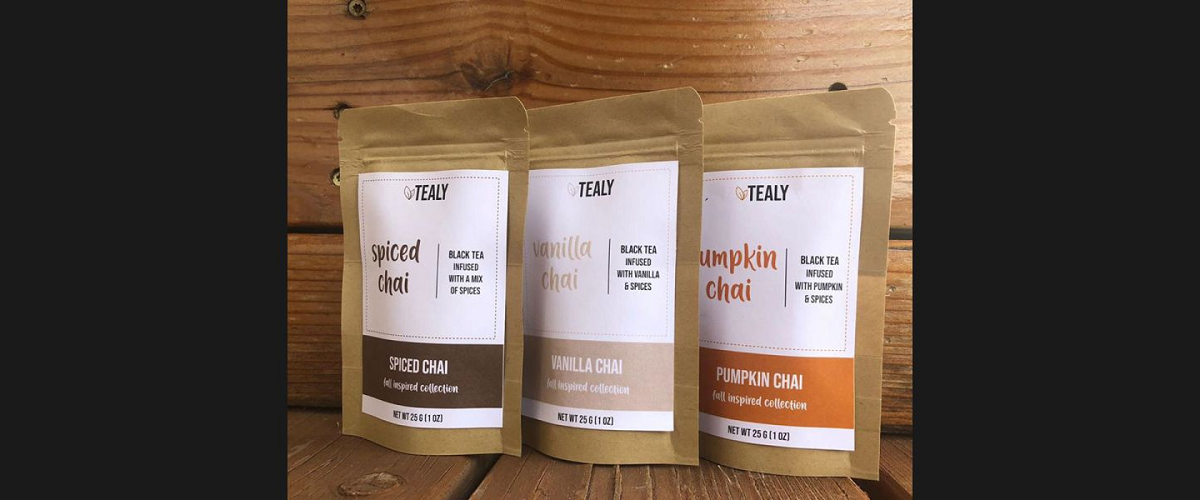
3. Do Coffee Packaging Bags Require Degassing Valves While Tea Packaging Does Not?
Yes, in most cases.
Why Coffee Requires Degassing Valves
After roasting, coffee beans release carbon dioxide. Without a one-way degassing valve:
- Bags may inflate or burst
- Oxygen may re-enter if manually vented
- Flavor stability decreases
Degassing valves allow CO₂ to escape while preventing oxygen from entering.
Why Tea Does Not Require Degassing Valves
Tea:
- Does not release gas
- Remains stable after drying
Adding a valve to tea packaging is unnecessary and increases cost without functional benefit.
Ground Coffee Consideration
Ground coffee may release less gas than whole beans, but valves are still commonly used for freshness preservation.
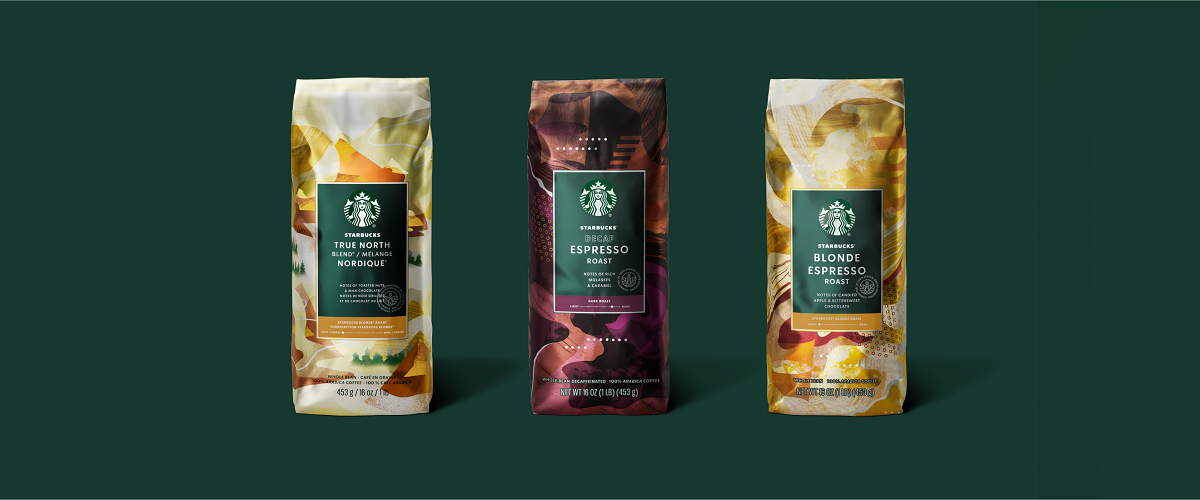
4. Which Flexible Packaging Materials Are Best for Tea vs. Coffee?
Material structure depends on barrier and functional requirements.
Best Materials for Coffee Packaging
Common structures:
- PET/PE (basic level)
- PET/VMPET/PE (high barrier)
- PET/AL/PE (maximum barrier)
Features often include:
- Degassing valve
- Strong bottom gusset
- Heat seal reliability
Best Materials for Tea Packaging
Common structures:
- BOPP/CPP (short shelf life)
- PET/PE (standard retail)
- PET/VMPET/PE (premium tea)
- PET/AL/PE (export & high humidity regions)
Optional features:
- Zipper reseal
- Tear notch
- Transparent window
Structural Comparison
| Feature | Tea Packaging | Coffee Packaging |
|---|---|---|
| Degassing valve | Not required | Required (roasted beans) |
| Oxygen barrier | High | Very high |
| Moisture barrier | Very high | High |
| Oil resistance | Moderate | Important |
| Light protection | Important | Important |
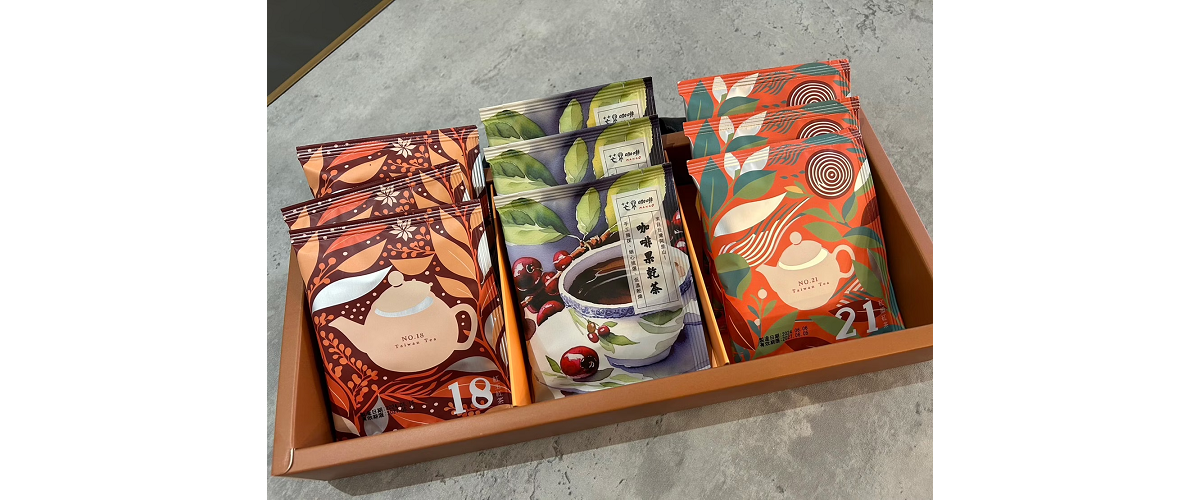
5. Tea vs. Coffee Packaging: Key Factors for Freshness, Shelf Life, and Branding
Strategic packaging decisions influence brand perception and product stability.
Freshness Preservation
- Coffee: Focus on oxygen control and degassing
- Tea: Focus on moisture and odor protection
Shelf-Life Extension
High-barrier laminates significantly extend both products’ shelf stability.
Retail Branding
Coffee packaging trends:
- Matte finish
- Kraft-style design
- Bold branding
- Valve visibility
Tea packaging trends:
- Elegant minimalist design
- Metallic accents
- Transparent windows for leaf visibility
Export Considerations
Both require:
- Strong sealing
- Puncture resistance
- Climate-adapted barrier structures
Especially for humid or tropical markets.
Sustainability Trends
Growing demand for:
- Recyclable mono-material PE films
- Reduced aluminum usage
- Compostable coffee bags (emerging market)
Environmental compliance increasingly affects purchasing decisions.
Industry Trends in Tea and Coffee Flexible Packaging
| Trend | Application | Market Impact |
|---|---|---|
| Degassing valves | Coffee beans | Extended freshness |
| High-barrier laminates | Tea & coffee | Shelf-life stability |
| Recyclable PE films | Both categories | Sustainability growth |
| Premium matte finishes | Specialty beverages | Brand differentiation |
| Lightweight structures | Export logistics | Cost efficiency |
FAQ
Can tea use coffee packaging bags with valves?
Technically possible, but unnecessary and increases cost without benefit.
Why does coffee packaging inflate after sealing?
Because roasted beans release carbon dioxide.
Which product requires stronger oxygen protection?
Coffee, especially freshly roasted beans.
Is aluminum foil necessary for tea packaging?
In humid climates or for export markets, foil laminates provide superior moisture protection.
Conclusion
Although tea and coffee may appear similar as dry beverage products, their packaging requirements differ significantly. Coffee packaging must address post-roasting degassing and oxygen sensitivity, often requiring one-way valves and ultra-low oxygen transmission materials. Tea packaging, on the other hand, prioritizes moisture control, light protection, and odor isolation. Selecting the appropriate flexible packaging structure ensures optimal freshness, extended shelf life, regulatory compliance, and enhanced brand positioning. For beverage brands seeking competitive advantage in retail and export markets, understanding the technical differences between tea and coffee packaging is essential for long-term product success.