How Emerging Brands Can Enhance Product Value Through Packaging
Anna_Yu
How Emerging Brands Can Enhance Product Value Through Packaging
In today’s highly competitive marketplace, emerging brands face the challenge of gaining visibility, building trust, and convincing consumers to choose their products over established competitors. While product quality remains fundamental, packaging has become one of the most powerful tools for shaping consumer perception and enhancing product value. For new brands with limited market recognition, packaging is often the first point of interaction with potential customers—both online and offline.
Packaging is no longer just about protection; it serves as a silent salesperson that communicates brand identity, product quality, and value proposition. A well-designed package can instantly elevate a product’s perceived worth, making it appear more premium, reliable, and desirable. On the other hand, poorly designed packaging can undermine even the best products by creating doubts about quality and professionalism.
Flexible packaging, in particular, offers emerging brands a strategic advantage due to its cost efficiency, design flexibility, and scalability. It allows brands to experiment with creative designs, optimize production costs, and adapt quickly to market trends. Combined with thoughtful branding and functional features, packaging can significantly influence consumer trust and purchasing decisions.
This article explores why packaging is critical for emerging brands, how flexible packaging helps them stand out, which design elements enhance perceived value, and how packaging influences consumer behavior. It also outlines key strategic considerations for balancing cost, branding, and long-term growth.
1. Why Is Packaging Critical for Emerging Brands to Build Product Value?
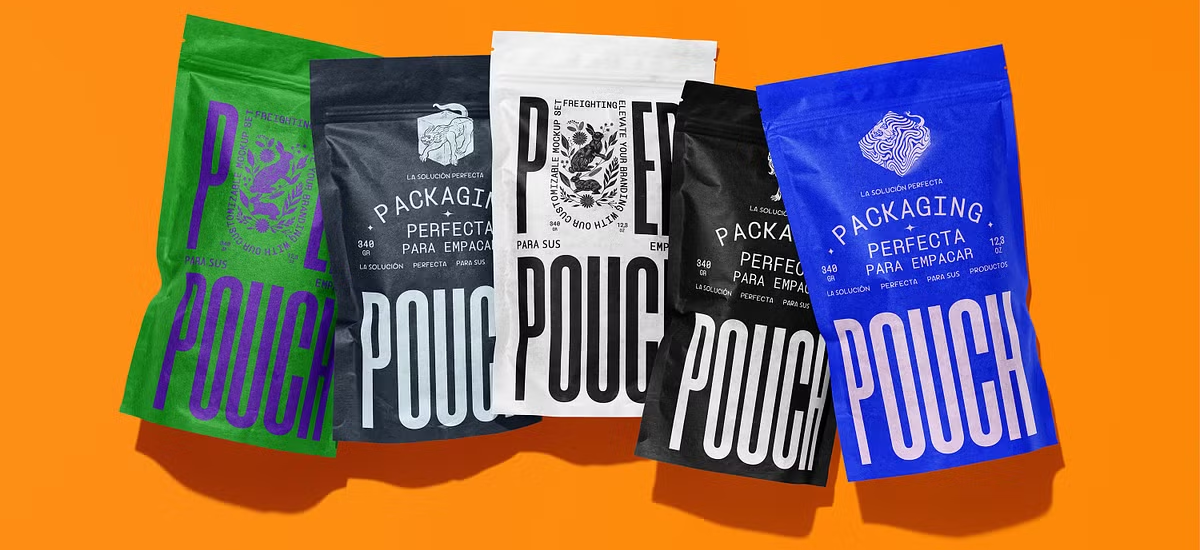
For emerging brands, packaging plays a foundational role in shaping market perception.
First Impressions Matter
Consumers often make quick decisions based on visual cues. Packaging is the first thing they see, and it directly influences whether they pick up or click on a product.
Communicating Brand Identity
Packaging conveys essential brand elements such as:
- Brand personality
- Product positioning
- Target audience
Clear and consistent messaging helps establish a recognizable identity.
Competing with Established Brands
New brands often lack brand recognition. High-quality packaging helps level the playing field by signaling professionalism and credibility.
Enhancing Perceived Quality
Even if two products are similar, the one with better packaging is often perceived as higher quality and more valuable.

2. How Can Flexible Packaging Help New Brands Stand Out in Competitive Markets?
Flexible packaging provides unique advantages for emerging brands.
Design Flexibility
Flexible packaging supports:
- Custom shapes and sizes
- High-quality printing
- Unique finishes
This allows brands to create distinctive packaging that captures attention.
Lower Minimum Order Quantities (MOQs)
Compared with rigid packaging, flexible packaging often requires lower production volumes, making it ideal for startups and small businesses.
Cost Efficiency
Flexible packaging reduces:
- Material costs
- Shipping costs
- Storage requirements
This helps emerging brands manage limited budgets more effectively.
Faster Time to Market
Shorter production cycles enable brands to launch products quickly and respond to market trends.
3. What Design Elements Increase Perceived Value in Product Packaging?
Strategic design choices can significantly enhance product value.
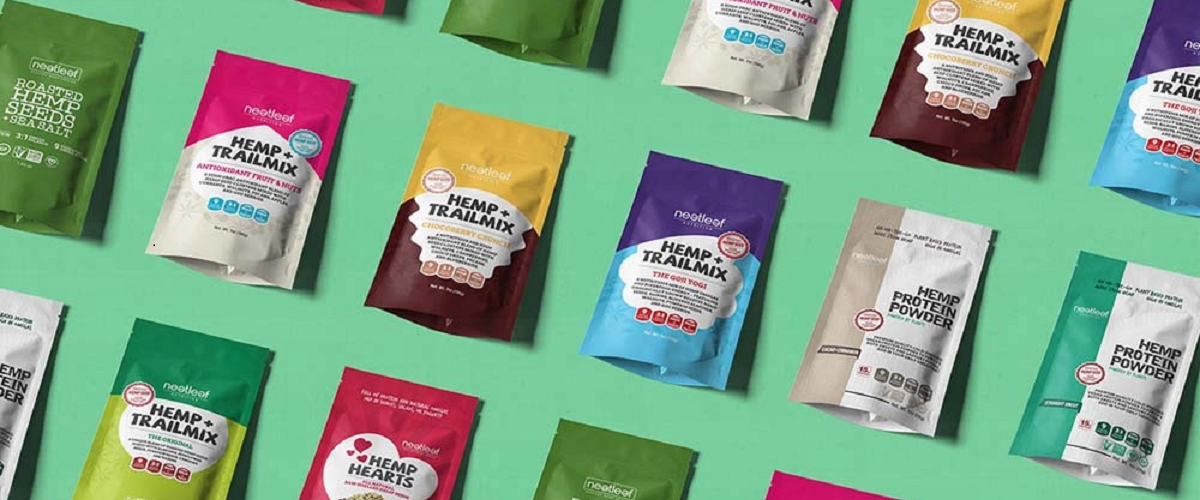
Color and Visual Identity
Color selection influences emotional perception:
- Dark tones (black, navy) suggest luxury
- Bright colors convey energy and fun
- Natural tones reflect sustainability
Typography and Layout
Clean, readable typography and balanced layouts improve professionalism and clarity.
Material and Finish
Premium finishes such as:
- Matte coatings
- Gloss effects
- Soft-touch textures
- Metallic accents
Enhance the tactile and visual experience.
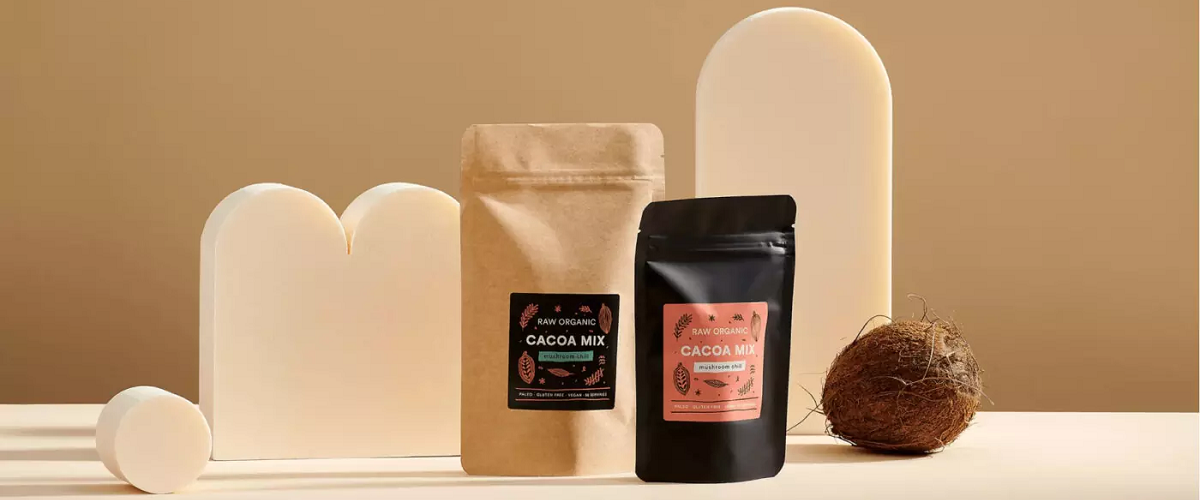
Minimalist Design
Simple and uncluttered designs often create a more premium impression compared to overly complex packaging.
4. How Does Packaging Influence Consumer Trust and Purchase Decisions?
Packaging plays a critical role in building consumer confidence.
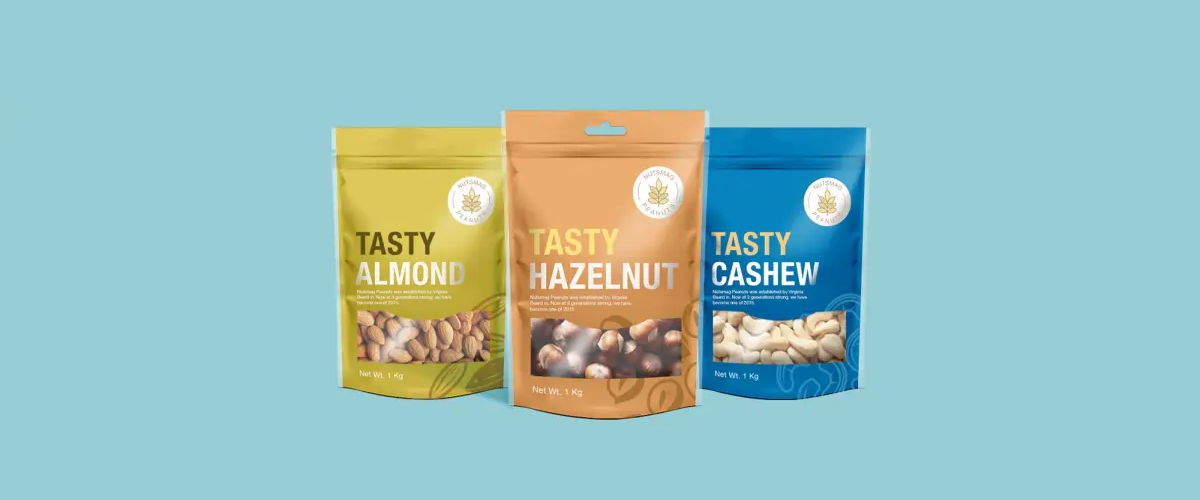
Transparency and Information
Clear labeling of:
- Ingredients
- Usage instructions
- Certifications
Helps consumers make informed decisions.
Consistency and Reliability
Consistent packaging design across product lines builds brand recognition and trust over time.
Perceived Safety and Quality
Well-sealed, durable packaging signals that the product is safe and well-protected.
Emotional Connection
Packaging design can evoke emotions and create a connection with consumers, increasing brand loyalty.
5. Packaging Strategy for Emerging Brands: Key Factors for Cost, Branding, and Growth
Developing an effective packaging strategy requires balancing multiple priorities.
Cost Optimization
Emerging brands must carefully manage costs by selecting materials and designs that provide value without exceeding budget constraints.
Scalability
Packaging solutions should support future growth, allowing brands to scale production without major redesigns.
Sustainability
Eco-friendly packaging options can enhance brand image and appeal to environmentally conscious consumers.
Brand Consistency
Maintaining consistent visual identity across all packaging helps strengthen brand recognition.
Market Adaptability
Packaging should be flexible enough to adapt to:
- Different product lines
- Regional markets
- Sales channels (retail vs. e-commerce)
FAQ
Why is packaging important for emerging brands?
Packaging creates first impressions, communicates brand identity, and enhances perceived product value.
How does flexible packaging benefit new brands?
It offers cost efficiency, design flexibility, and lower minimum order quantities, making it ideal for startups.
What design elements make packaging look more premium?
High-quality materials, clean typography, strategic color choices, and premium finishes improve perceived value.
Can packaging influence purchasing decisions?
Yes. Packaging affects consumer trust, emotional connection, and overall perception of product quality.
Conclusion
For emerging brands, packaging is a powerful tool that goes far beyond basic product protection. It serves as a critical touchpoint that shapes consumer perception, builds trust, and enhances product value. Flexible packaging provides an ideal solution by combining cost efficiency, design versatility, and scalability, allowing new brands to compete effectively in crowded markets. By focusing on thoughtful design, strong brand identity, and functional performance, emerging brands can leverage packaging to create a lasting impression, drive consumer engagement, and support long-term business growth.