A Beginner’s Guide to Flexible Packaging Design
Anna_Yu
A Beginner's Guide to Flexible Packaging Design
Packaging has evolved far beyond its original purpose of merely protecting a product. In today’s global marketplace, flexible packaging design represents a fusion of aesthetics, functionality, and sustainability. It not only shields products from external damage but also shapes consumer perceptions, enhances brand identity, and supports the circular economy.
This guide explores the essentials of flexible packaging design — what it is, what makes it effective, and how to create packaging that performs in a competitive environment.
1. What is packaging design? What is three-layer packaging?
Packaging design is the art and science of creating a protective and visually appealing exterior for a product. It encompasses everything from material selection and structural engineering to graphic design and user experience. The ultimate goal is to strike the right balance between protection, branding, and practicality.
The Concept of Flexible Packaging
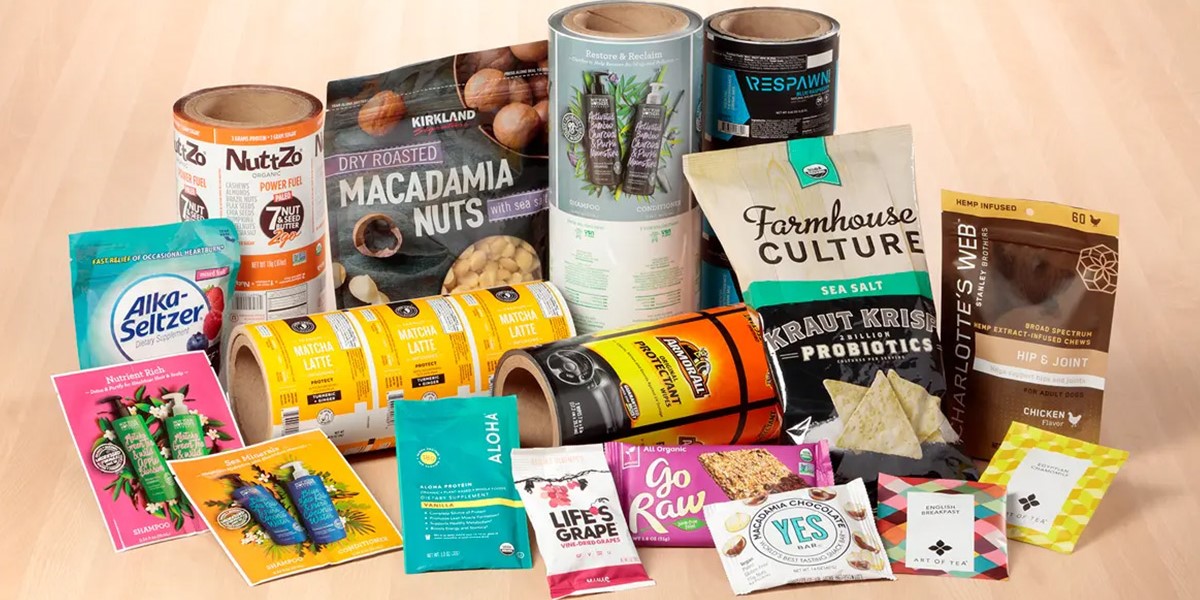
Flexible packaging refers to any type of packaging made from flexible or easily moldable materials — such as plastic films, paper, aluminum foil, or laminates — that can easily change shape when filled or sealed. These packages are lightweight, versatile, and ideal for food, beverage, cosmetic, and pharmaceutical industries.
Flexible packaging accounts for over 45% of the global consumer goods packaging market in 2025, according to a report by Smithers Pira. The growing preference for flexible packaging stems from its cost-efficiency, reduced carbon footprint, and extended product shelf life.
What is Three-Layer Packaging?
Three-layer (or multilayer) packaging is a laminated structure composed of multiple film layers, each contributing a unique function:
| Layer | Material | Function |
|---|---|---|
| Outer Layer | PET or BOPP | Provides printability, gloss, and mechanical strength |
| Middle Layer | Aluminum foil or metallized PET | Acts as a barrier against light, oxygen, and moisture |
| Inner Layer | PE or CPP | Ensures heat sealing and food-grade safety |
This layered structure ensures that the packaging not only looks premium but also provides durability, freshness, and safety. For instance, snack bags or coffee pouches use these three layers to preserve aroma and crispness for months.
2. What are the key elements of effective packaging?
An effective packaging design requires a holistic understanding of consumer psychology, product characteristics, logistics, and brand communication. It’s not just about looking good — it’s about functioning perfectly from factory to shelf.
1. Protection and Functionality
The first and most essential purpose of packaging is protection. It must defend the product against environmental threats such as moisture, oxygen, UV rays, temperature fluctuations, and mechanical stress. For food products, maintaining freshness and preventing contamination are critical.
In flexible packaging, this protection is achieved through barrier materials like EVOH, aluminum foil, and metallized PET. These materials block external elements while keeping the package lightweight and compact.
2. Visual Appeal and Brand Identity
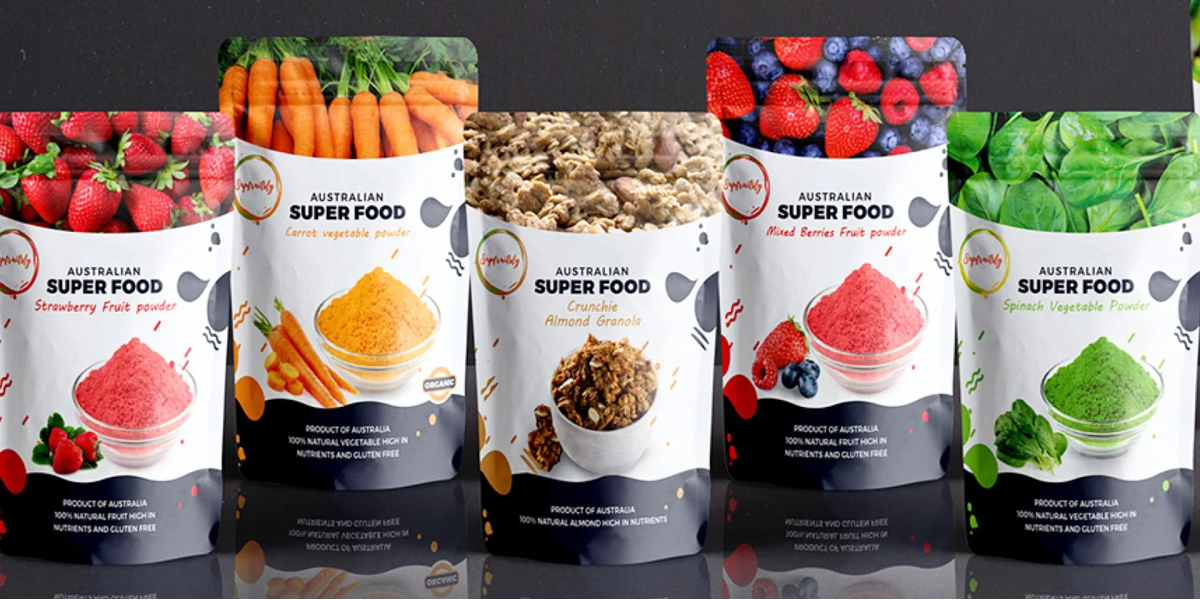
In a crowded retail environment, visual differentiation can make or break a product. According to a Nielsen study, 64% of consumers try a new product simply because the packaging caught their eye.
A successful design combines color psychology, typography, and brand storytelling:
- Colors convey emotion — green suggests natural and organic, gold implies luxury, red draws attention.
- Typography establishes tone — serif fonts feel traditional; sans-serif communicates modernity.
- Imagery builds association — for example, coffee beans, fresh fruits, or clean minimalist graphics.
3. Sustainability
Modern consumers — especially Gen Z and millennials — increasingly favor eco-conscious brands. Around 73% of global consumers are willing to change habits to reduce environmental impact. Thus, sustainable packaging materials such as recyclable PE, compostable PLA, or mono-material laminates are rapidly replacing traditional plastics.
Designers must balance functionality and recyclability. Using less ink, water-based adhesives, and biodegradable laminates all contribute to lower environmental impact.
4. Convenience and Usability
Consumer convenience is another key factor. Features like resealable zippers, tear notches, spouts, and stand-up bases improve usability and encourage repeat purchases.
For instance:
- Resealable pouches maintain product freshness.
- Transparent windows allow consumers to see what they’re buying.
- Lightweight flexible packaging improves portability.
5. Compliance and Safety
Food and pharmaceutical packaging must comply with FDA, EU, and ISO standards for material safety and labeling. Using certified, non-toxic inks and adhesives ensures compliance while maintaining consumer trust.
3. A Step-by-Step Guide to Creating High-Quality Packaging
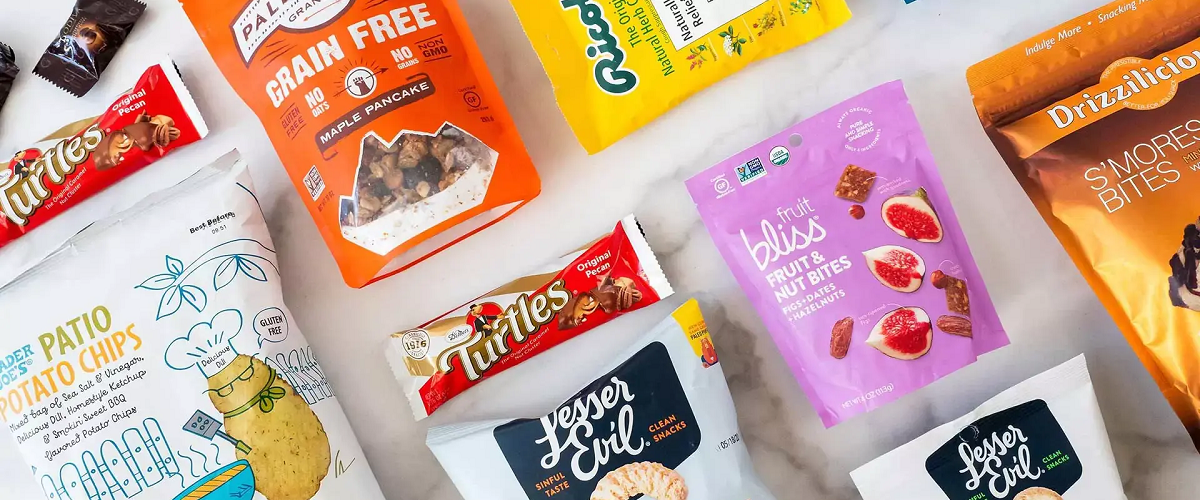
Designing flexible packaging involves more than graphics — it’s a strategic collaboration between design, engineering, and marketing. Below is a structured process for creating impactful, efficient, and compliant packaging.
Step 1: Define the Purpose and Target Audience
Every packaging project starts with a clear understanding of the product and its target market. A snack for children will require a different design approach than premium skincare packaging.
Key questions:
- Who is the consumer?
- How will they use the product?
- What emotions should the packaging evoke?
- What are the product’s storage and distribution conditions?
The answers determine material choice, size, and visual strategy.
Step 2: Choose the Right Packaging Structure
Different product categories demand different structural solutions. Here are some common flexible packaging formats:
| Bag Type | Best For | Key Features |
|---|---|---|
| Stand-up Pouch (Doypack) | Snacks, pet food, coffee | Good shelf presence, reclosable |
| Flat Pouch | Single-use food, powders | Cost-effective, lightweight |
| Gusset Bag | Grains, coffee beans | Expands for larger volume |
| Retort Pouch | Ready-to-eat meals | Heat-resistant, sterilizable |
| Spout Pouch | Sauces, juices | Easy pouring, reclosable cap |
Selecting the right format ensures both functional protection and brand visibility.
Step 3: Select the Appropriate Material Combination
Material selection should reflect product sensitivity and sustainability goals.
Some examples include:
- PET/AL/PE: Ideal for high-barrier needs (coffee, jerky).
- BOPP/CPP: For dry snacks and confections.
- Kraft Paper/PE: Eco-friendly option with natural aesthetics.
- PLA/PE: Compostable, renewable alternative.
Emerging technologies like monomaterial PE films enable 100% recyclability, reducing waste without compromising performance.
Step 4: Develop Graphic Design and Branding
Graphic design transforms packaging from a container into a brand ambassador. It should:
- Reflect the brand’s core identity.
- Communicate product benefits at a glance.
- Maintain consistency across sizes and SKUs.
Digital printing has revolutionized flexible packaging by allowing short-run, high-quality prints with vivid colors and variable data. This enables brands to run personalized or seasonal designs without costly plates or minimum orders.
Step 5: Prototype and Test
Before mass production, physical or virtual prototyping ensures the packaging performs as expected. Tests include:
- Drop tests for durability.
- Seal integrity tests for leak prevention.
- Barrier testing for moisture and oxygen resistance.
- Consumer testing for usability feedback.
Brands that invest in testing experience fewer recalls and higher customer satisfaction.
Step 6: Optimize for Production
Once the design is finalized, it must be adapted for the manufacturing line. This includes:
- Adjusting print layout for roll-fed machines.
- Choosing the correct heat sealing temperature and pressure.
- Ensuring efficient material yield to reduce waste.
Modern digital presses and automated lamination systems have drastically shortened lead times, enabling on-demand packaging runs.
Step 7: Sustainability Integration and Certification
To align with global sustainability standards, brands should:
- Use FSC-certified paper or PCR (post-consumer recycled) films.
- Minimize overpackaging and ink coverage.
- Obtain certifications like BPI, TÜV OK Compost, or RecyClass to communicate environmental responsibility.
These practices strengthen brand credibility and attract eco-conscious consumers.
Step 8: Launch, Monitor, and Improve
After launch, the work isn’t done. Packaging performance should be continuously monitored through:
- Sales analytics.
- Customer feedback.
- Return and complaint data.
By analyzing real-world results, brands can make data-driven improvements for the next design cycle.
Conclusion
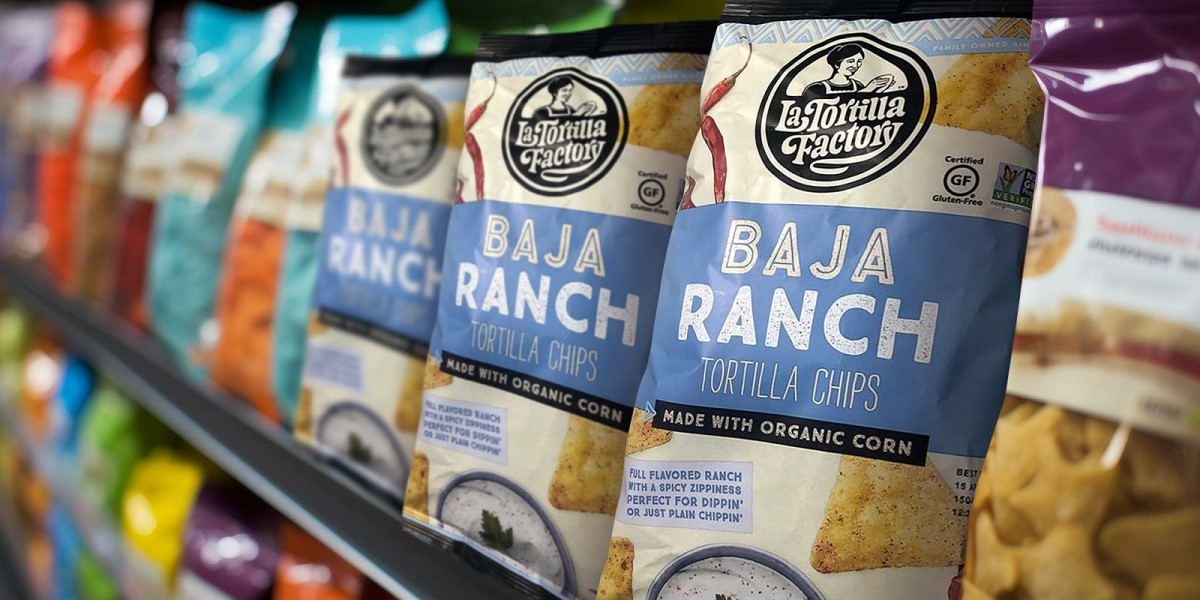
Flexible packaging design sits at the intersection of creativity, material science, and consumer behavior. Whether you are launching a startup product or refreshing an established line, thoughtful packaging design can dramatically influence how your brand is perceived and how well your product performs on the shelf.
The future of flexible packaging lies in innovation and sustainability — incorporating renewable materials, smarter designs, and digital printing that allows customization at scale. As technology advances, designers and brands alike have the opportunity to create packaging that is beautiful, functional, eco-friendly, and emotionally resonant.
In essence, mastering flexible packaging design isn’t just about keeping products safe — it’s about building trust, telling stories, and shaping the consumer experience in every fold and print layer.