A Comprehensive Guide to Tea Packaging
Anna_Yu
A Comprehensive Guide to Tea Packaging
Tea is one of the oldest and most beloved beverages in the world, cherished for its aroma, taste, and cultural significance. From ancient Chinese tea ceremonies to modern global markets, tea has transcended borders and traditions. However, one of the most critical yet often overlooked aspects of the tea industry is tea packaging.
Tea packaging is not only about preserving freshness—it’s about storytelling, branding, and building emotional connections with consumers. As consumer expectations evolve, tea brands must adapt by choosing the right materials, shapes, and visual styles that communicate quality, authenticity, and sustainability.
This comprehensive guide explores everything you need to know about tea packaging: its purpose, importance, design principles, packaging types, and future trends shaping the industry.
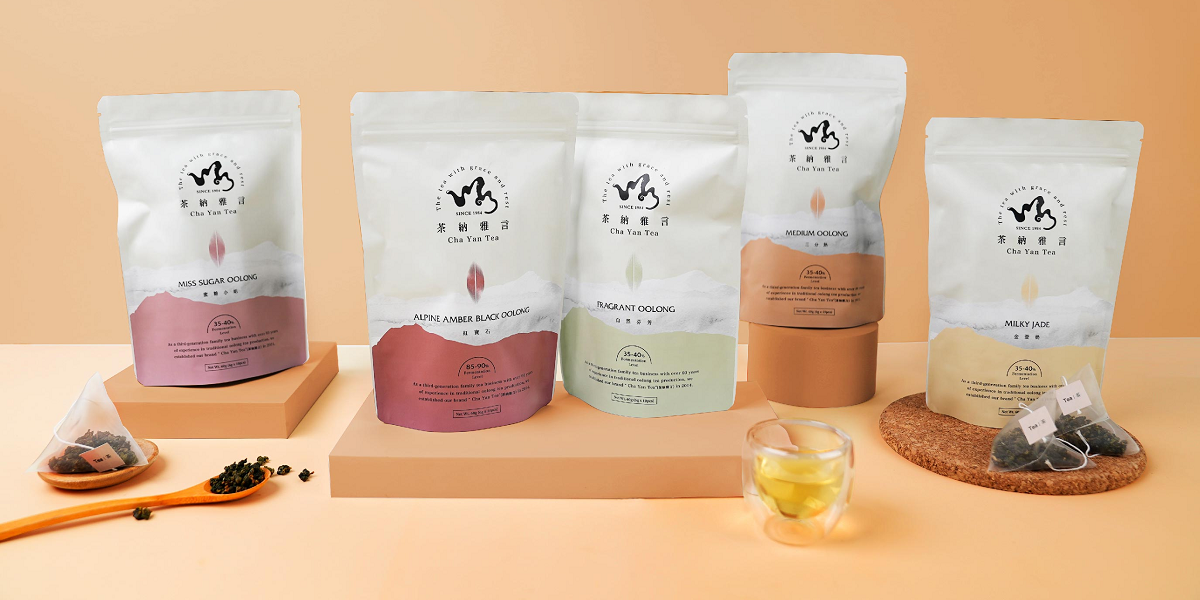
1. What Is Tea Packaging?
Tea packaging refers to the materials, designs, and methods used to protect, store, and present tea leaves or tea products. It encompasses the entire process from production to the point of sale and even post-consumption reuse or recycling.
Tea packaging plays multiple roles—it keeps the tea fresh, ensures aroma retention, prevents contamination, and conveys the brand’s identity. It also helps differentiate one product from another in a competitive market.
1.1 The Primary Functions of Tea Packaging
The key roles of tea packaging include:
- Protection: Tea is sensitive to moisture, oxygen, light, and temperature. Proper packaging prevents oxidation and flavor degradation.
- Preservation: A well-sealed package ensures that volatile aromatic compounds are retained over time.
- Information Delivery: Packaging communicates important details such as origin, flavor, brewing instructions, and certifications (organic, fair trade, etc.).
- Marketing & Branding: The design serves as a silent salesperson that attracts attention, builds recognition, and enhances perceived value.
- Convenience: Good packaging allows for easy storage, transport, and portion control.
- Sustainability: Modern consumers expect packaging that minimizes waste and environmental impact.
1.2 Evolution of Tea Packaging
Historically, tea was stored in bamboo canisters, paper wrappings, or tin boxes. These materials reflected both function and local culture. With the rise of global trade in the 19th and 20th centuries, tea packaging evolved into more standardized, transport-friendly forms such as metal tins, foil pouches, and laminated films.
In today’s market, innovation in materials, printing, and environmental technology has made tea packaging more sophisticated and sustainable than ever.
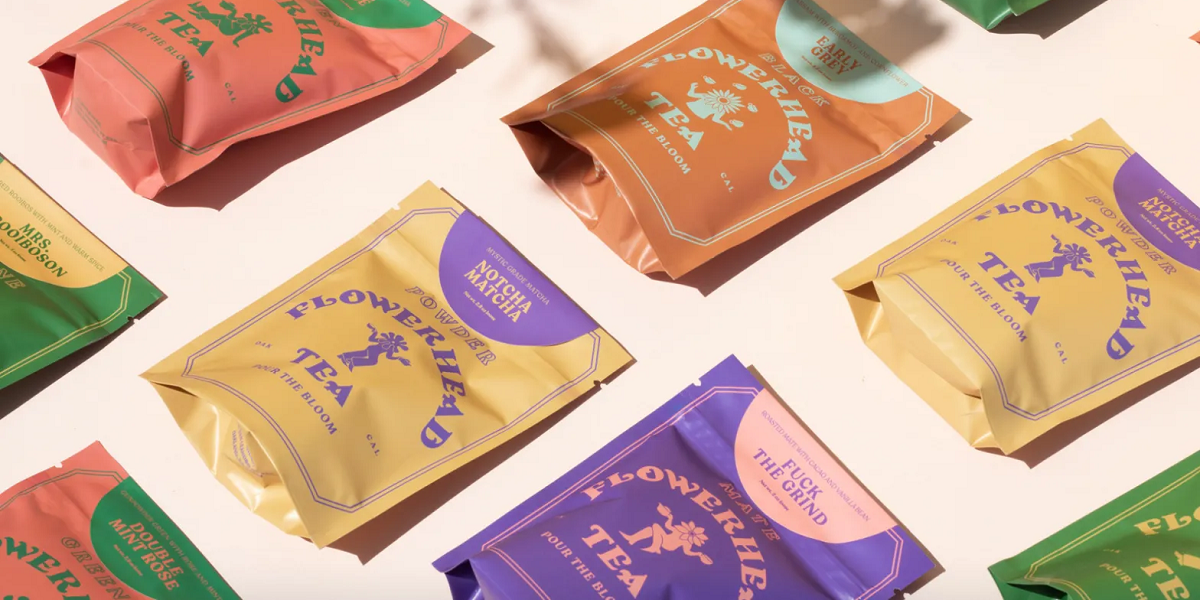
2. Why Is Tea Packaging So Important?
Packaging is the bridge between product and consumer. In the tea industry, it plays an even more crucial role because tea is a sensory and emotional product. Its aroma, flavor, and even preparation ritual are influenced by how well it’s protected and presented.
2.1 Preserving Freshness and Aroma
Tea’s value lies in its volatile compounds and essential oils, which give it flavor and fragrance. If exposed to oxygen, humidity, or light, these compounds degrade quickly.
High-quality packaging—especially multi-layer barrier pouches—can extend the tea’s shelf life significantly. Foil-laminated bags with resealable zippers prevent air entry and moisture absorption, ensuring that every cup brewed tastes as fresh as the day it was packaged.
2.2 Building a Brand Identity
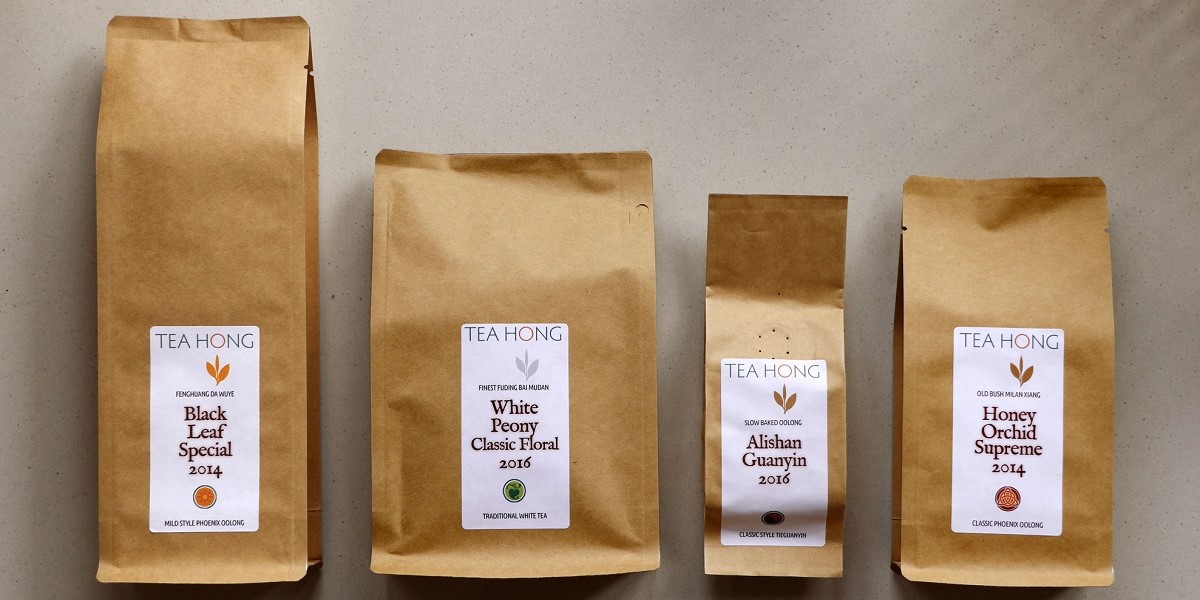
Tea packaging reflects brand personality and values. For premium teas, minimalistic yet luxurious packaging communicates exclusivity and refinement. For artisanal or eco-friendly brands, kraft paper, matte finishes, or recycled materials convey authenticity and environmental consciousness.
A 2023 Nielsen report showed that 65% of consumers consider packaging design an important factor when choosing tea products, especially in the specialty tea segment.
2.3 Differentiating in a Competitive Market
With thousands of tea brands on the market—from local craft producers to multinational giants—distinctive packaging is essential for standing out. Unique shapes, textures, and graphics capture attention and help build long-term consumer loyalty.
2.4 Enhancing Customer Experience
Modern tea consumers don’t just drink tea—they experience it. Packaging that’s easy to open, resealable, and visually pleasing contributes to an enjoyable ritual. Some brands go a step further by including QR codes linking to tea origin videos, brewing tutorials, or sustainability information.
2.5 Ensuring Safety and Compliance
Packaging must meet health and safety regulations, especially when exporting. Tea bags and pouches must be food-grade certified, free from harmful inks, adhesives, and plasticizers. Clear labeling of ingredients, production dates, and batch numbers ensures traceability and consumer trust.
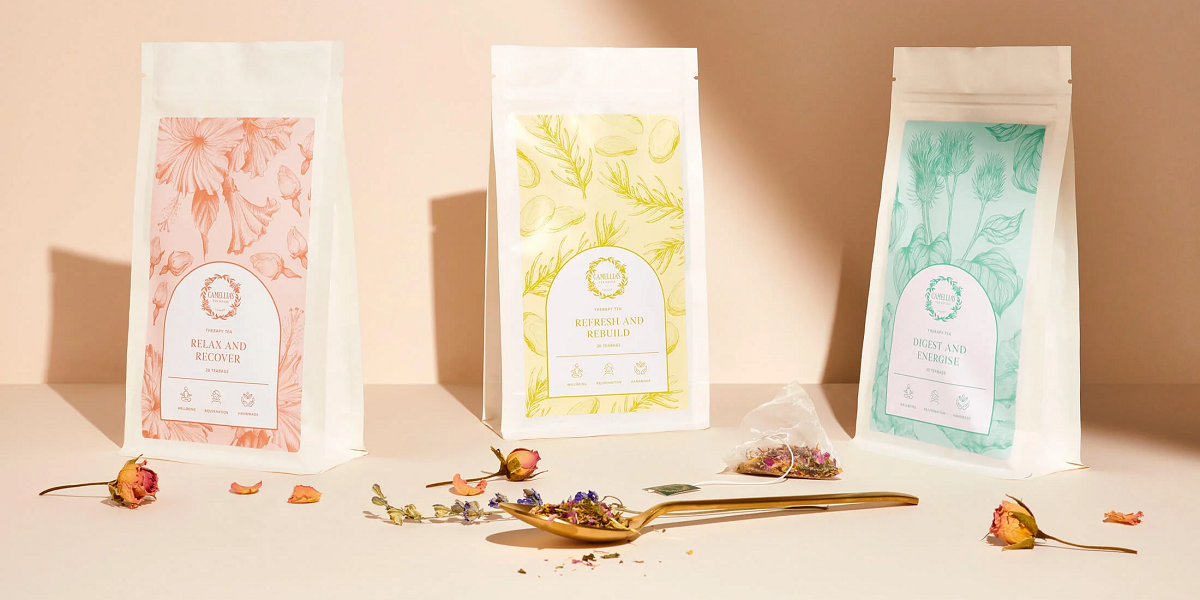
3. What Is the Key Point of Tea Packaging?
The effectiveness of tea packaging depends on balancing functionality, aesthetics, and sustainability. Below are the key points every brand should focus on when designing or selecting tea packaging.
3.1 Barrier Protection
Tea requires protection from oxygen, moisture, and light. Therefore, barrier materials are the foundation of good tea packaging. Common barriers include:
- Aluminum foil layers: Excellent for blocking light and oxygen.
- Metalized films: Offer strong protection with lower cost and weight.
- Multi-layer laminates (PET/AL/PE): Provide superior aroma retention and mechanical strength.
3.2 Aroma Retention
Aroma is the soul of tea. Materials used must not absorb or react with volatile compounds. Odor-neutral packaging with airtight seals ensures the aroma stays intact.
3.3 Design and Branding
Visual identity plays a major role in how consumers perceive tea quality. Key design aspects include:
- Color palette that reflects flavor profiles (e.g., green for matcha, black for Assam).
- Typography and imagery that align with brand storytelling.
- Tactile elements such as embossing, matte finishes, or foil accents to enhance luxury appeal.
3.4 Sustainability
Eco-conscious consumers now demand biodegradable or recyclable tea packaging. Brands are switching from traditional plastics to materials like:
- PLA (polylactic acid) films derived from corn starch.
- Kraft paper with inner bio-laminates.
- Compostable ziplock closures.
3.5 Convenience and Functionality
User-friendly features can set a product apart:
- Zipper locks for resealability.
- Tear notches for easy opening.
- Spout or valve options for larger tea packs.
- Single-serve sachets for portability and freshness control.
3.6 Visual Storytelling
Tea is tied deeply to culture. Packaging can use traditional motifs, calligraphy, or regional patterns to evoke authenticity. For example:
- Japanese matcha packaging may use minimal Zen-inspired aesthetics.
- Chinese oolong packaging often incorporates gold, red, and mountain imagery.
- Western herbal teas favor clean, botanical illustrations.
4. What Types of Bags Are Suitable for Tea Packaging? What Are Their Respective Advantages?
Different tea types and markets demand different packaging styles. Below are the most popular flexible bag types used in the tea industry and their advantages.
| Bag Type | Description | Advantages | Best For |
|---|---|---|---|
| Stand-Up Pouch (Doypack) | Pouch with bottom gusset allowing it to stand upright. | Excellent shelf visibility, resealable zipper, printable surface. | Loose-leaf teas, premium blends, herbal infusions. |
| Flat Pouch | Simple pillow-shaped design with three or four seals. | Cost-effective, compact, easy to transport. | Tea sachets, sample sizes, small retail packs. |
| Gusseted Bag | Side or bottom gusset for bulkier packaging. | High capacity, durable, elegant. | Bulk tea, family packs, commercial use. |
| Tin Tie Bag | Paper bag with tin tie closure for resealability. | Eco-friendly, artisanal appearance. | Craft teas, organic or specialty teas. |
| Window Pouch | Pouch with transparent window section. | Allows visibility of tea leaves, builds trust. | Whole-leaf teas, premium blends. |
| Vacuum-Sealed Bag | Air completely removed to extend shelf life. | Ultimate freshness retention. | High-grade green teas or export packaging. |
| Pyramid Tea Bag Pouch | Contains individual pyramid tea bags. | Convenient for consumers, maintains flavor profile. | Branded retail packs, modern convenience teas. |
4.1 Stand-Up Pouches
Stand-up pouches dominate the modern tea packaging market. With resealable zippers, glossy or matte finishes, and full-color printing, they combine functionality and design freedom. The wide printable surface allows storytelling, ingredient details, and brand art to stand out.
4.2 Tin Tie Kraft Bags
These paper-based bags have a nostalgic, organic charm that appeals to eco-conscious buyers. They’re commonly used by artisanal tea brands and specialty coffee shops. With compostable linings, they also satisfy sustainability criteria.
4.3 Vacuum Bags
Vacuum packaging is essential for premium teas, especially delicate varieties like Longjing or Gyokuro, which oxidize easily. By removing oxygen, these bags keep flavor and fragrance locked in for months.
4.4 Metalized Foil Bags
For mass-market tea brands, metalized foil bags offer the perfect balance of barrier protection and cost efficiency. They’re ideal for black tea, oolong, or flavored blends requiring long shelf life.
4.5 Glassine and Paper Bags
Used mostly for short-term retail or gifting, glassine paper offers a semi-transparent, natural aesthetic. It’s often paired with an inner aluminum pouch for actual preservation.
5. Which Direction Should Tea Packaging Go in the Future?
The future of tea packaging is defined by sustainability, technology, and personalization. As consumers evolve, brands must adapt to align with emerging expectations and environmental standards.
5.1 Sustainability as the Core Value
The global movement toward eco-friendly products is reshaping packaging industries. Tea brands must consider carbon footprint, recyclability, and compostability at every stage. This involves:
- Replacing multilayer plastics with mono-material laminates.
- Using plant-based films like PLA or cellulose.
- Introducing refillable tea packaging systems.
Many leading tea companies are pledging to achieve 100% recyclable packaging by 2030.
5.2 Smart and Interactive Packaging
Technology is bridging the gap between brands and consumers. Future tea packaging may integrate:
- QR codes or NFC chips for traceability and storytelling (e.g., “Scan to see where your tea was grown”).
- AR (Augmented Reality) features for virtual unboxing or brewing guidance.
- Smart freshness indicators that show oxidation levels.
5.3 Minimalism and Cultural Authenticity
The modern consumer values simplicity. Minimalist designs with clean typography and meaningful cultural elements are becoming dominant. For example:
- Subtle tea leaf line art or embossed kanji characters.
- Use of muted colors inspired by nature—sage green, ivory, clay.
5.4 Personalization and Small-Batch Customization
Digital printing enables cost-efficient short-run production, allowing brands to offer personalized messages, limited-edition themes, or holiday packaging without excess inventory. Consumers can even customize tea labels with their names or greetings.
5.5 Reusability and Refill Systems
As zero-waste trends grow, reusable pouches and refill systems are gaining traction. Some brands encourage customers to bring empty pouches back for refilling, offering loyalty discounts and reducing material waste.
5.6 Premiumization and Experience-Driven Design
Tea drinking is an experience of mindfulness and sophistication. Future packaging will emphasize premium tactile experiences—soft-touch materials, embossed textures, magnetic closures, and multi-sensory engagement.
Conclusion
Tea packaging is far more than a container—it’s a bridge between culture, craftsmanship, and modern innovation. The ideal tea package preserves freshness, tells a story, and reflects a brand’s philosophy.
As the tea industry continues to evolve, the future belongs to those who blend traditional wisdom with sustainable innovation. Whether you’re crafting artisanal oolong pouches or launching a modern herbal tea line, thoughtful packaging design will remain your most powerful tool for connection and differentiation.
By mastering the art of tea packaging—balancing protection, presentation, and environmental responsibility—you not only preserve the soul of the tea but also deliver a meaningful experience that resonates with consumers across generations.