A Detailed Look at Flexible Packaging for Energy Gels
Anna_Yu
A Detailed Look at Flexible Packaging for Energy Gels
Energy gels have become an essential nutrition product for endurance athletes, including marathon runners, cyclists, triathletes, hikers, and fitness enthusiasts. Designed to deliver fast-absorbing carbohydrates, electrolytes, amino acids, caffeine, and other performance-enhancing ingredients, energy gels require packaging that is lightweight, hygienic, durable, and easy to use during physical activity. Choosing the right flexible packaging is therefore critical for preserving product quality while ensuring maximum convenience for consumers.
Unlike many solid snack products, energy gels are semi-liquid formulations with relatively high moisture content and carefully balanced ingredients. They must be protected from oxygen, moisture loss, light, and microbial contamination to maintain flavor, texture, and nutritional stability throughout their shelf life. In addition, because energy gels are often consumed while exercising, packaging must allow athletes to open and dispense the product quickly with one hand, even under demanding outdoor conditions.
Flexible packaging has become the industry standard for energy gel products because it combines excellent barrier protection, lightweight transportation, leak resistance, and outstanding branding opportunities. From single-serve sachets to spouted refill pouches, flexible packaging offers manufacturers versatile solutions that improve product protection, consumer convenience, and production efficiency. This guide explores the key considerations for selecting flexible packaging for energy gels.
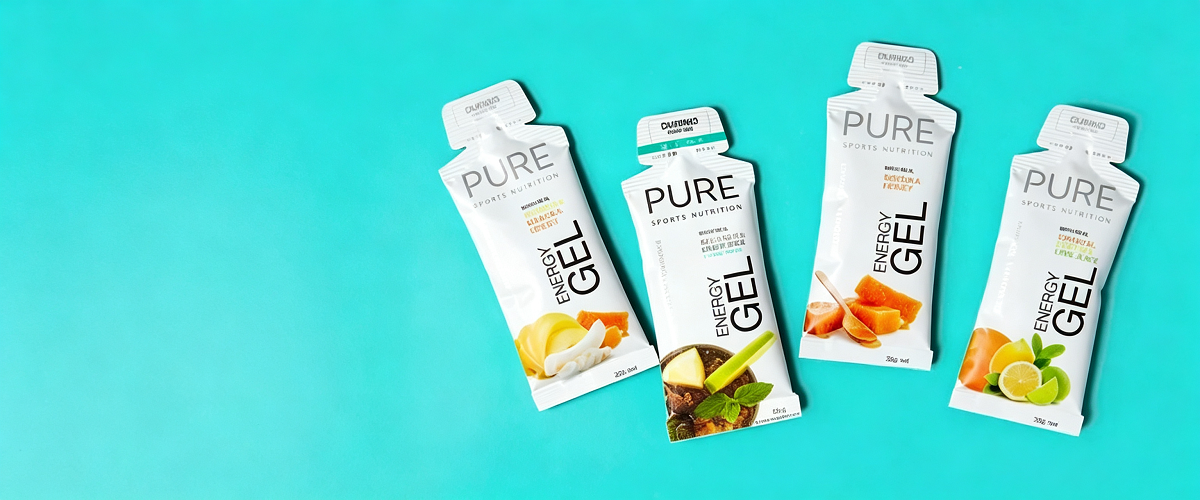
1. What Types of Flexible Packaging Are Best for Energy Gel Products?
Different packaging formats meet the needs of various product sizes and consumer preferences.
Three-Side Seal Sachets
- Industry-standard format for single-serve energy gels
- Excellent sealing performance
- Suitable for high-speed automated filling
Four-Side Seal Sachets
- Increased package strength
- More printable surface area
- Premium product appearance
Stick Packs
- Slim and portable design
- Easy to carry during running or cycling
- Ideal for controlled single servings
Spout Pouches
- Suitable for multi-serving energy gels
- Convenient for refill applications
- Resealable after opening
Sample Sachets
- Ideal for promotional campaigns
- Convenient for product trials
- Cost-effective marketing format
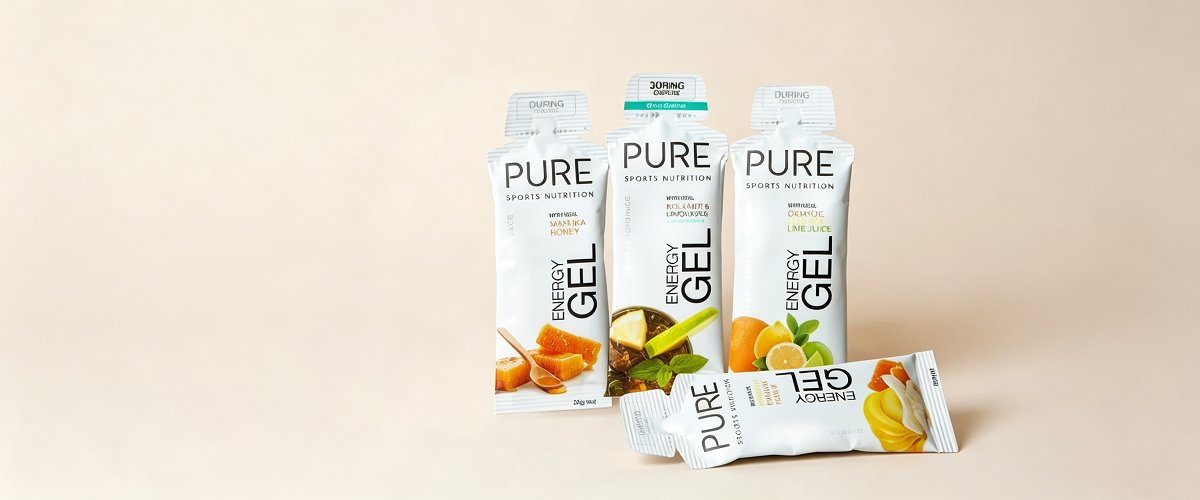
2. How Does Flexible Packaging Protect Energy Gels from Moisture, Oxygen, and Contamination?
Proper packaging helps preserve the stability and safety of energy gel formulations.
Oxygen Barrier Protection
Reducing oxygen exposure helps:
- Protect carbohydrates and active ingredients
- Preserve flavor
- Minimize oxidation of sensitive nutrients
Moisture Retention
High-barrier packaging prevents:
- Water loss
- Texture changes
- Product thickening or drying
Light Protection
Barrier materials reduce degradation of light-sensitive vitamins, caffeine, and botanical extracts.
Leak Prevention
Strong heat seals prevent product leakage during transportation, storage, and athletic use.
Contamination Prevention
Hermetically sealed packaging protects against:
- Bacteria
- Dust
- Foreign particles
- External contaminants
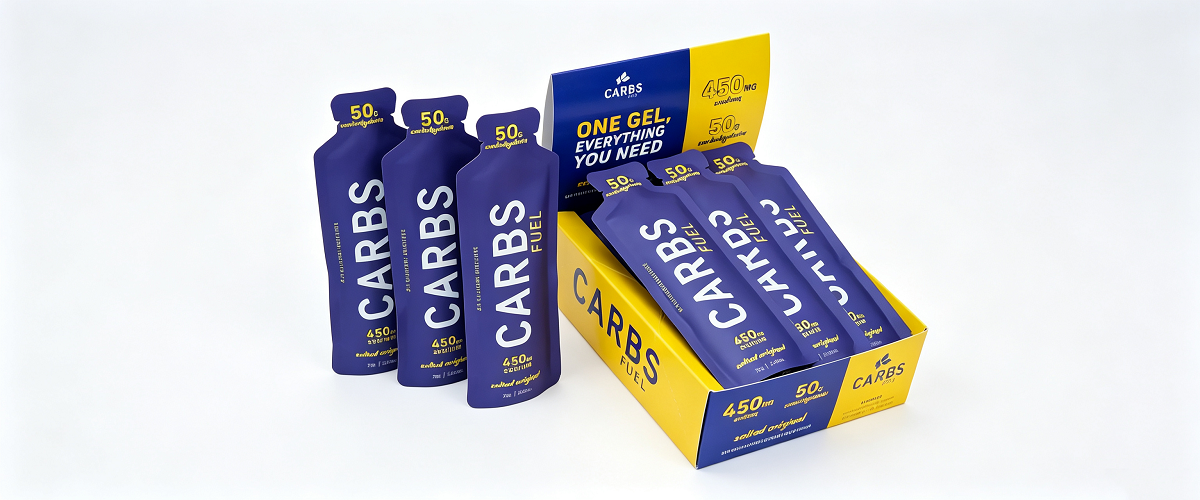
3. Which Packaging Materials Are Best for Single-Serve Energy Gel Sachets?
Material selection directly influences product stability, durability, and shelf life.
PET (Polyethylene Terephthalate)
- Excellent mechanical strength
- Superior print quality
- Durable outer layer
PE (Polyethylene)
- Reliable heat sealing
- Excellent flexibility
- Food-contact inner layer
Nylon (PA)
- High puncture resistance
- Excellent toughness
- Suitable for active outdoor use
Aluminum Foil Laminates
- Outstanding protection against oxygen, moisture, and light
- Ideal for premium and export products
Metallized Films (MPET)
- High barrier performance
- Lightweight alternative to aluminum foil
- Excellent shelf appearance
EVOH-Based Structures
- Excellent oxygen barrier
- Suitable for recyclable packaging solutions
Typical Laminated Structures
| Structure | Features | Applications |
|---|---|---|
| PET/PE | Durable and economical | Standard energy gel sachets |
| PET/PA/PE | High puncture resistance | Outdoor sports applications |
| PET/MPET/PE | Enhanced barrier performance | Premium energy gels |
| PET/AL/PE | Maximum protection | Long shelf-life and export products |
| PE/EVOH/PE | Recyclable high-barrier structure | Sustainable packaging solutions |

4. What Packaging Features Improve Portability, Easy Dispensing, and Consumer Convenience?
Functional packaging is especially important for products consumed during exercise.
Easy-Tear Notches
Allow athletes to open the package quickly without scissors.
One-Hand Operation
Packaging should enable fast consumption while running, cycling, or hiking.
Controlled Dispensing Opening
Helps prevent spills and allows consumers to consume the gel gradually.
Rounded Corners
Improve carrying comfort and reduce the risk of scratching clothing or skin.
High-Quality Printing
Supports premium branding while clearly displaying nutritional information and usage instructions.
Compact and Lightweight Design
Fits easily into:
- Running belts
- Cycling jersey pockets
- Backpacks
- Hydration vests
Leak-Resistant Heat Seals
Ensure reliable product integrity under pressure during transportation and outdoor activities.
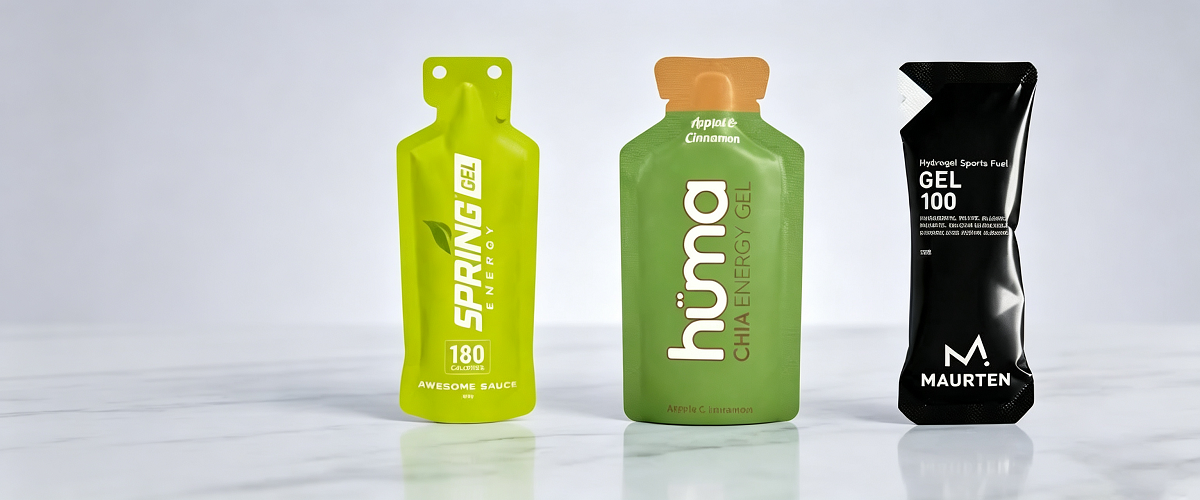
5. Flexible Packaging for Energy Gels: Key Factors for Product Safety, Branding, and Shelf Life
A successful packaging strategy combines technical performance with marketing effectiveness.
Product Safety
High-barrier materials and reliable seals help maintain product hygiene and ingredient stability.
Shelf Life Extension
Excellent oxygen and moisture barriers preserve flavor, consistency, and nutritional performance.
Consumer Convenience
Portable, lightweight, and easy-to-open packaging supports active lifestyles.
Brand Differentiation
Premium graphics, metallic finishes, and custom shapes improve shelf visibility and brand recognition.
Transportation Efficiency
Flexible packaging reduces shipping weight, storage space, and logistics costs compared with rigid containers.
Sustainability Opportunities
Recyclable mono-material and EVOH-based structures help brands meet increasing environmental expectations.
FAQ
Why are energy gels usually packaged in sachets?
Single-serve sachets are lightweight, hygienic, easy to carry, and allow athletes to consume the product quickly during physical activity.
Which packaging materials are commonly used for energy gels?
PET, PE, nylon (PA), aluminum foil laminates, metallized films, and EVOH-based structures are commonly selected based on barrier, durability, and sustainability requirements.
Why is high-barrier packaging important for energy gels?
Energy gels contain moisture and sensitive nutritional ingredients that can degrade when exposed to oxygen, light, or contamination. High-barrier packaging helps maintain product quality throughout its shelf life.
Can energy gel packaging be recyclable?
Yes. Many manufacturers now offer recyclable mono-material and EVOH-based flexible packaging solutions that balance sustainability with excellent barrier performance.
Conclusion
Choosing the right flexible packaging for energy gels is essential for protecting product quality, preserving nutritional performance, and delivering a convenient consumer experience. Because energy gels contain moisture-rich formulations and performance-sensitive ingredients, advanced barrier materials are critical for preventing oxygen exposure, moisture loss, light degradation, leakage, and contamination. Flexible packaging offers an ideal combination of lightweight portability, reliable product protection, premium branding, and user-friendly features such as easy-tear openings, controlled dispensing, and compact single-serve formats. By selecting suitable packaging formats, high-performance material structures, and sustainable packaging solutions, manufacturers can extend shelf life, improve athlete satisfaction, strengthen brand competitiveness, and successfully serve the growing global sports nutrition market.