Analysis of Application Scenarios for Aluminum Foil Packaging Bags
Anna_Yu
Analysis of Application Scenarios for Aluminum Foil Packaging Bags
Aluminum foil packaging bags are among the most widely used high-barrier packaging solutions in the flexible packaging industry. Known for their exceptional protection against moisture, oxygen, light, odors, and contaminants, aluminum foil bags are commonly used across food, pharmaceutical, chemical, agricultural, and industrial sectors. As product shelf life requirements become increasingly demanding, aluminum foil packaging continues to play a critical role in maintaining product quality and ensuring safe storage and transportation.
Unlike standard plastic packaging, aluminum foil laminates provide nearly complete barrier protection, making them ideal for products that are highly sensitive to environmental conditions. Whether preserving the aroma of coffee, protecting pharmaceuticals from moisture, or preventing oxidation in industrial materials, aluminum foil packaging offers a reliable solution for long-term product preservation.
In addition to their protective performance, aluminum foil bags can be customized into various formats, including stand-up pouches, flat pouches, vacuum bags, retort pouches, and gusseted bags. This versatility allows manufacturers to meet the specific requirements of different industries while enhancing branding and operational efficiency. This article explores the major application scenarios and advantages of aluminum foil packaging bags across multiple sectors.
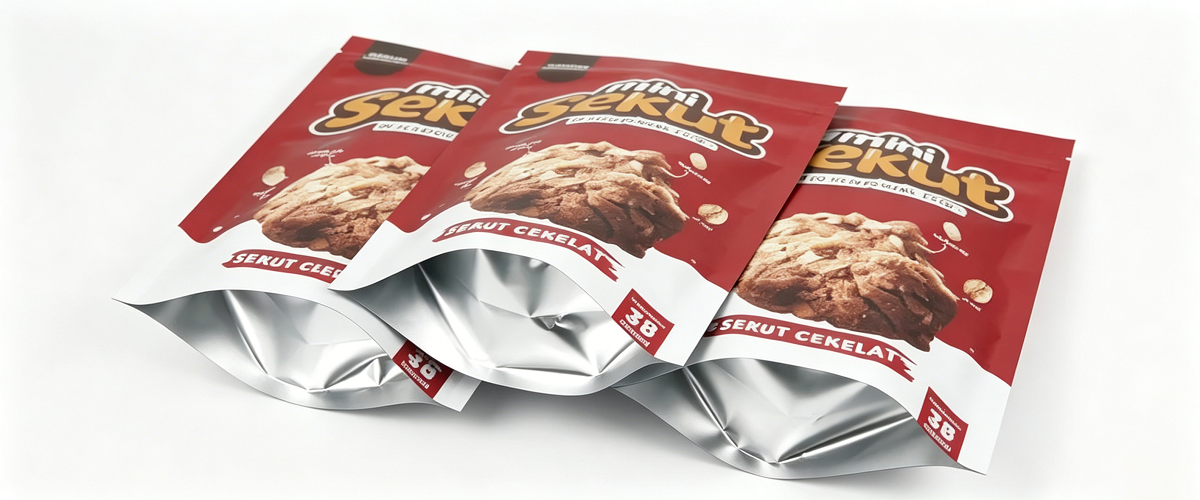
1. What Are Aluminum Foil Packaging Bags and Why Are They Widely Used Across Industries?
Aluminum foil packaging bags are multi-layer flexible packaging structures that incorporate a layer of aluminum foil between other packaging materials.
Typical Structure
Common laminations include:
- PET/AL/PE
- PET/AL/NY/PE
- BOPP/AL/PE
Each layer contributes specific functions:
| Layer | Function |
|---|---|
| PET | Strength and printability |
| Aluminum Foil | Oxygen, moisture, and light barrier |
| Nylon (PA) | Puncture resistance |
| PE | Heat sealing and food contact |
Key Advantages
- Exceptional barrier protection
- Long shelf life preservation
- Strong odor containment
- Excellent light-blocking capability
- High durability during transportation
Because of these benefits, aluminum foil packaging is widely used wherever product stability is critical.
2. Which Food Products Benefit Most from Aluminum Foil Flexible Packaging?
Many food categories require high-barrier protection to maintain freshness and quality.
Coffee and Tea
Aluminum foil helps preserve:
- Aroma compounds
- Flavor integrity
- Freshness during storage
Nuts and Dried Fruits
Protection against oxygen helps prevent:
- Oxidation
- Rancidity
- Moisture absorption
Snack Foods
Chips, crackers, and other crispy products remain fresher due to superior moisture barriers.
Frozen Foods
Aluminum foil structures help reduce freezer burn and moisture migration.
Meat and Seafood Products
High-barrier packaging supports longer shelf life and food safety.
Ready-to-Eat Meals
Retort pouches containing aluminum foil provide excellent protection during thermal processing and storage.
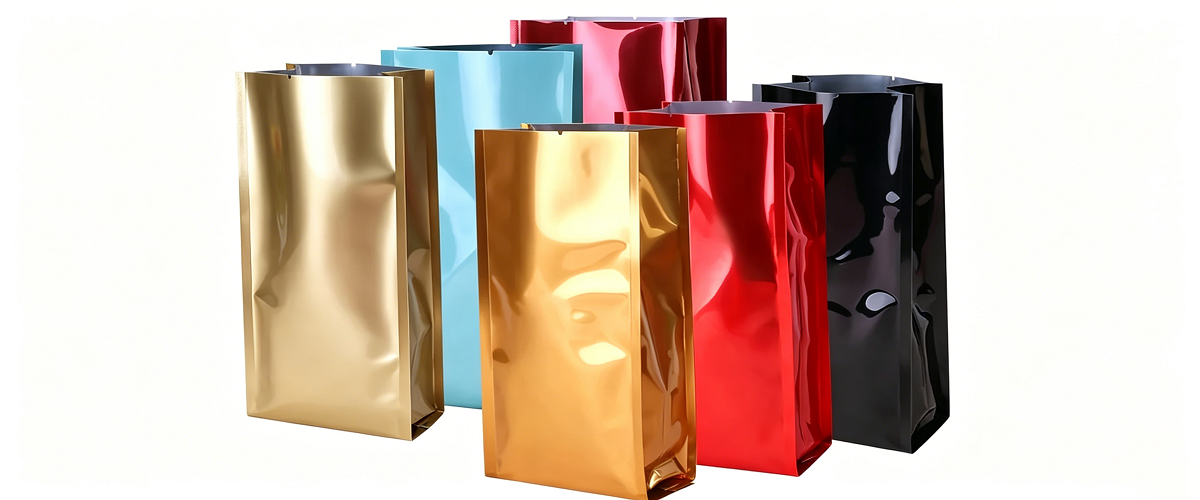
3. How Do Aluminum Foil Packaging Bags Protect Products from Moisture, Oxygen, and Light?
The unique barrier characteristics of aluminum foil make it one of the most effective packaging materials available.
Moisture Barrier
Aluminum foil significantly reduces water vapor transmission, helping maintain product texture and stability.
Oxygen Barrier
Near-complete oxygen protection helps prevent:
- Oxidation
- Flavor loss
- Color degradation
Light Barrier
Aluminum foil blocks UV and visible light that may damage sensitive ingredients.
Odor Barrier
The foil layer prevents the transfer of internal and external odors.
Contamination Protection
When combined with proper sealing, aluminum foil packaging protects against environmental contaminants.
Extended Shelf Life
The combination of moisture, oxygen, and light barriers substantially extends product shelf life.
4. What Non-Food Industries Commonly Use Aluminum Foil Packaging Bags?
The applications of aluminum foil packaging extend far beyond food products.
Pharmaceutical Industry
Used for:
- Medical devices
- Powders
- Tablets
- Diagnostic products
High-barrier packaging protects against moisture and contamination.
Chemical Industry
Suitable for:
- Industrial powders
- Specialty chemicals
- Moisture-sensitive compounds
Electronics Industry
Used to package:
- Electronic components
- Circuit boards
- Semiconductor materials
Protection against moisture and static-sensitive environments is critical.
Agricultural Products
Applications include:
- Seeds
- Fertilizers
- Agricultural additives
Pet Food Industry
Premium pet food products often use aluminum foil structures to preserve freshness and nutritional quality.
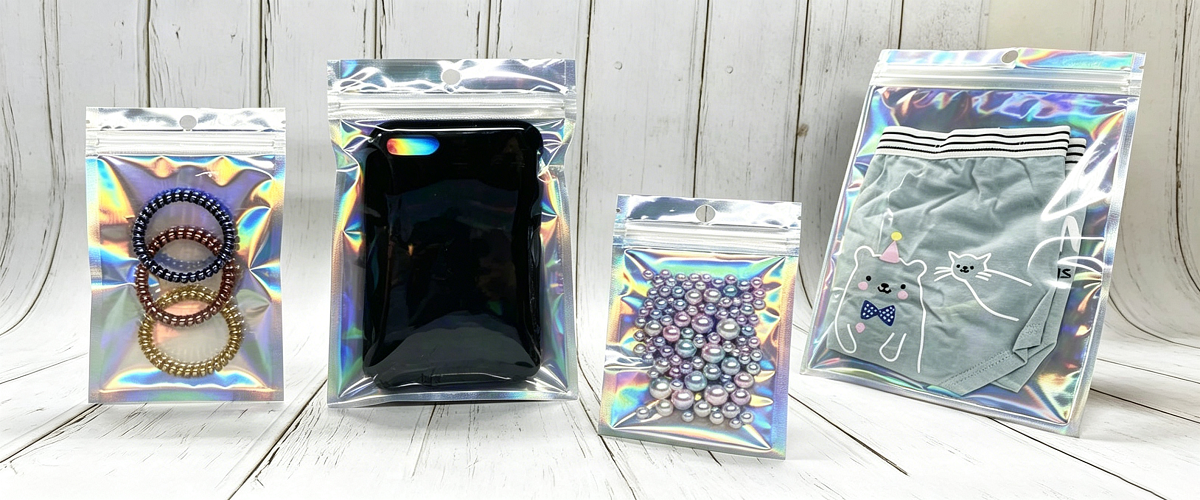
5. Aluminum Foil Packaging Bags: Key Application Scenarios and Performance Advantages
The versatility of aluminum foil packaging makes it suitable for numerous demanding applications.
Long-Term Storage
Ideal for products requiring extended shelf life.
Export Distribution
Provides reliable protection during long-distance transportation.
Premium Product Packaging
Supports high-end branding and quality positioning.
Sensitive Product Protection
Suitable for products affected by moisture, oxygen, or light exposure.
Multi-Industry Adaptability
Applicable across food, pharmaceutical, industrial, agricultural, and consumer goods sectors.
Typical Industry Applications
| Industry | Common Products |
|---|---|
| Food | Coffee, snacks, dried fruits, frozen foods |
| Pharmaceuticals | Tablets, powders, medical products |
| Pet Food | Dry pet food, treats |
| Electronics | Components, circuit boards |
| Agriculture | Seeds, fertilizers |
| Chemicals | Industrial powders, additives |
FAQ
Why are aluminum foil packaging bags considered high-barrier packaging?
Because aluminum foil provides exceptional protection against oxygen, moisture, light, and odors.
Are aluminum foil bags suitable for food packaging?
Yes. They are widely used for coffee, tea, snacks, frozen foods, meat products, and many other food categories.
Can aluminum foil packaging be used for pharmaceuticals?
Yes. It is commonly used for moisture-sensitive medicines and medical products.
What is the difference between aluminum foil and metallized packaging?
Aluminum foil provides a stronger barrier, while metallized films offer lower cost and lighter weight but generally lower barrier performance.
Conclusion
Aluminum foil packaging bags remain one of the most versatile and effective flexible packaging solutions available today. Their exceptional resistance to moisture, oxygen, light, odors, and contamination makes them ideal for products that require maximum protection and extended shelf life. From coffee and snacks to pharmaceuticals, electronics, chemicals, and agricultural products, aluminum foil packaging serves a wide range of industries with demanding preservation requirements. By selecting the appropriate aluminum foil laminate structure and packaging format, manufacturers can enhance product stability, improve transportation reliability, strengthen brand value, and meet the increasingly stringent expectations of global markets.