Analysis of Flexible Packaging for Protein Powder
Anna_Yu
Analysis of Flexible Packaging for Protein Powder
Protein powder has become a daily essential for athletes, fitness enthusiasts, busy professionals, and even seniors looking to support healthy aging. As consumption scenarios expand—from gyms and offices to travel and home use—the way protein powder is packaged has evolved dramatically. Traditional rigid containers like plastic tubs are no longer the only dominant option. Instead, flexible packaging has emerged as a strong, and often superior, alternative.
Flexible packaging for protein powder is not just a cost-saving solution. It reflects broader changes in consumer behavior, logistics efficiency, sustainability awareness, and brand communication. Lightweight pouches, resealable designs, and high-barrier materials now play a key role in preserving product quality while improving convenience and shelf appeal. At the same time, manufacturers face pressure to reduce shipping costs, minimize environmental impact, and respond quickly to market trends—all areas where flexible packaging performs exceptionally well.
In this article, we will take a deep look at flexible packaging for protein powder. We will explore what it is, why it works so well for this product category, why manufacturers are rapidly adopting it, and which materials are most commonly used today. This analysis is based on real industry practices rather than theory, helping brands make informed packaging decisions.
1. What is flexible packaging for protein powder?
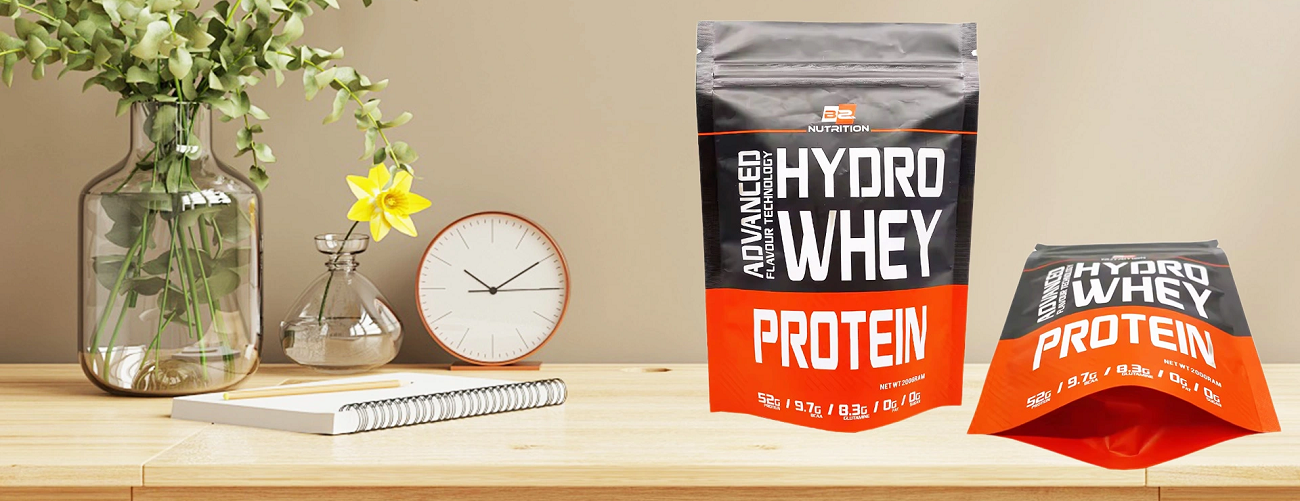
Flexible packaging for protein powder refers to pouch-based packaging solutions made from laminated flexible materials rather than rigid containers. These packages can bend, fold, and adapt to the volume of product inside, unlike hard plastic jars or metal cans.
Common forms include stand-up pouches with zippers, flat-bottom pouches, side-gusset bags, and sachets for single-serving protein powder. These formats are typically produced using multi-layer films that provide protection against moisture, oxygen, light, and contamination—key threats to protein powder stability.
Unlike rigid packaging, flexible packaging allows brands to choose precise sizes, reduce empty space, and offer resealability. It also enables high-quality surface printing, which is essential for branding, nutritional information, and regulatory compliance. For protein powder, where freshness, dosage accuracy, and trust are critical, flexible packaging offers a modern and efficient solution.
2. Why are flexible packaging options suitable for protein powder?
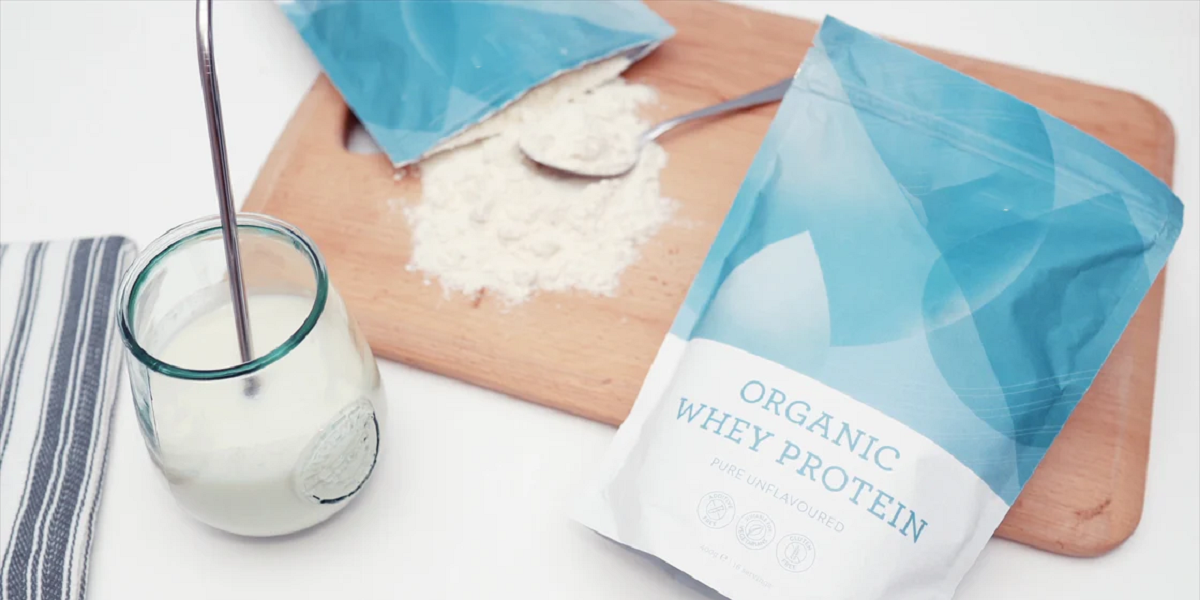
Protein powder is highly sensitive to moisture, oxygen, and improper storage. Exposure to humidity can cause clumping, while oxygen can lead to flavor degradation and nutrient loss. Flexible packaging is specifically engineered to address these challenges.
High-barrier laminated films effectively block moisture and oxygen, maintaining product freshness throughout its shelf life. Many flexible protein powder pouches also feature resealable zippers, allowing consumers to open and close the package multiple times without compromising product quality.
From a user experience perspective, flexible packaging is lighter and easier to handle than bulky tubs. Consumers can pour, scoop, or reseal protein powder with minimal effort. For brands targeting athletes or travelers, flexible packaging is far more portable and practical.
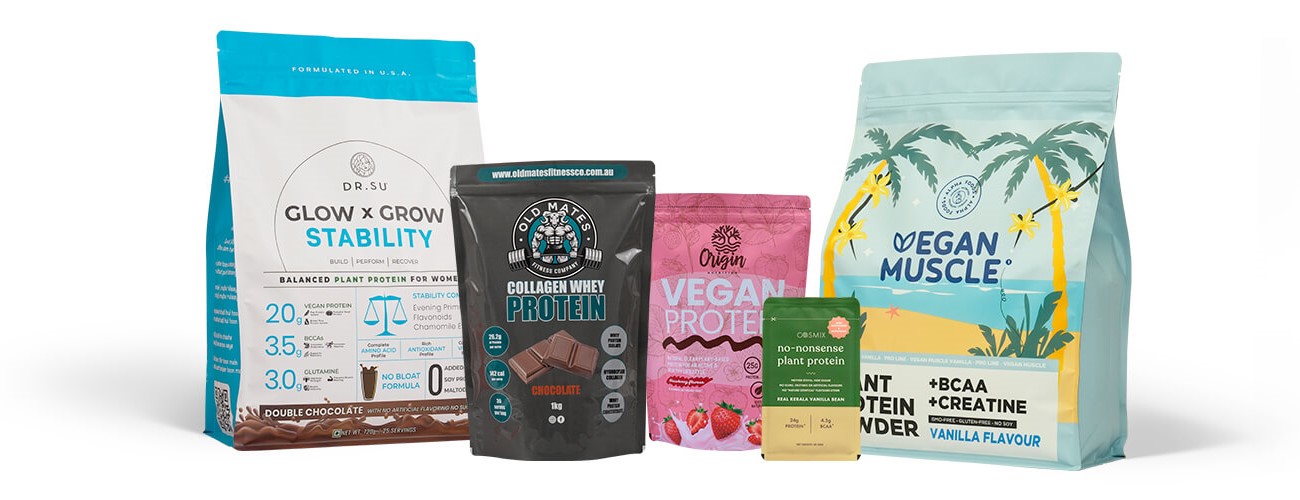
Additionally, flexible packaging supports portion control and product variety. Manufacturers can easily offer different sizes—from sample packs to bulk options—without changing the core packaging structure. This flexibility aligns perfectly with today’s diversified protein powder market.
3. Why are more and more manufacturers choosing to use flexible packaging to package protein powder?
The growing shift toward flexible packaging is driven by both economic and strategic factors. From a manufacturing standpoint, flexible packaging significantly reduces material usage compared to rigid containers. This directly lowers packaging costs and reduces storage space requirements.
Transportation efficiency is another major advantage. Flexible pouches weigh less and take up less volume, which leads to lower shipping costs and reduced carbon emissions. For brands distributing protein powder globally or through e-commerce channels, these savings are substantial.
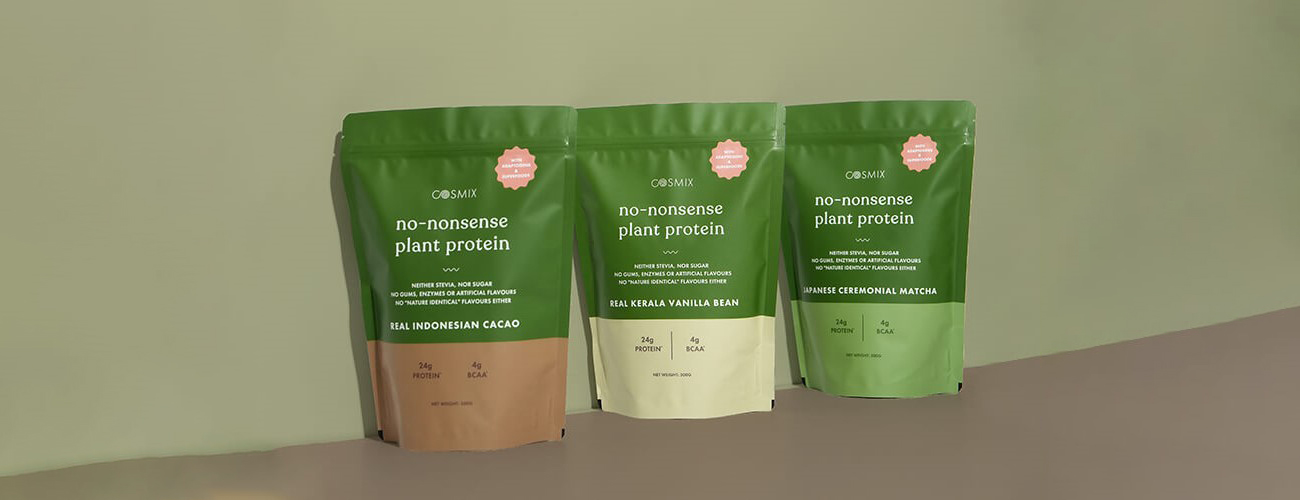
Branding flexibility also plays a critical role. Flexible packaging offers a larger printable surface area, allowing brands to communicate benefits, ingredients, certifications, and lifestyle messaging more effectively. In a competitive protein powder market, packaging often becomes the first point of differentiation.
Finally, sustainability considerations are accelerating adoption. Many manufacturers are exploring recyclable, mono-material, or downgauged flexible packaging solutions to meet environmental goals. Compared to rigid plastic tubs, flexible packaging often has a lower overall environmental footprint.
4. What materials are currently used for flexible protein powder packaging?
Flexible protein powder packaging typically uses multi-layer laminated structures, each layer serving a specific function.
The outer layer is commonly PET or BOPP, chosen for its strength, printability, and resistance to abrasion. This layer protects the package during transportation and provides a premium visual appearance on shelves.
The middle layer often includes aluminum foil, metallized film, or nylon (PA), depending on the required barrier level. Aluminum foil offers the highest protection against moisture, oxygen, and light, making it ideal for sensitive protein formulations. Nylon adds puncture resistance and durability.
The inner layer is usually PE or CPP, which provides heat sealability and direct food contact safety. This layer ensures the pouch can be securely sealed and safely store protein powder without contamination.
In recent years, there has been growing interest in recyclable and mono-material solutions, especially PE-based structures that still deliver acceptable barrier performance. While these materials are still evolving, they represent an important direction for the future of protein powder packaging.
FAQ
Is flexible packaging safe for protein powder?
Yes. Flexible packaging materials used for protein powder are food-grade and designed to meet strict safety and regulatory standards.
Does flexible packaging protect protein powder as well as plastic tubs?
In many cases, it performs even better due to superior barrier properties and resealable features.
Can flexible protein powder packaging be recycled?
Some structures can be recycled, especially mono-material designs, though recyclability depends on local recycling systems.
Are consumers willing to switch from tubs to pouches?
Yes. Many consumers prefer pouches for their portability, ease of storage, and modern appearance.
Conclusion
Flexible packaging has become a powerful solution for protein powder brands seeking efficiency, protection, and differentiation. Its ability to preserve freshness, reduce costs, improve logistics, and support sustainability makes it increasingly attractive in a competitive market. As materials and recycling technologies continue to advance, flexible packaging is likely to become the dominant choice for protein powder packaging in the years ahead.