Application Areas of Aluminized Packaging Bags
Anna_Yu
Application Areas of Aluminized Packaging Bags
In modern flexible packaging, aluminized (metallized) packaging bags have become one of the most widely used high-barrier solutions across food, pet food, pharmaceutical, and industrial product sectors. By depositing a thin layer of aluminum onto plastic film substrates such as PET or BOPP, manufacturers achieve significantly enhanced barrier performance without the full thickness and cost of aluminum foil. This balance between performance and efficiency has positioned aluminized packaging as a strategic material choice in global supply chains.
Aluminized packaging bags are particularly valued for their excellent moisture resistance, strong oxygen barrier properties, and light protection capabilities. These characteristics help extend product shelf life, preserve flavor and aroma, prevent oxidation, and protect sensitive ingredients from environmental degradation. Compared to transparent plastic films, metallized laminates dramatically improve preservation performance while maintaining flexibility and lightweight advantages.
As brands increasingly demand cost-effective, sustainable, and high-performance packaging solutions, aluminized flexible packaging continues to expand into new applications. Understanding how these bags work, where they are most commonly used, and how they compare to aluminum foil laminates is essential for businesses seeking optimal barrier packaging strategies.
This guide explores the structure, working principles, application industries, and comparative advantages of aluminized packaging bags across diverse product categories.
1. What Are Aluminized Packaging Bags and How Do They Work?
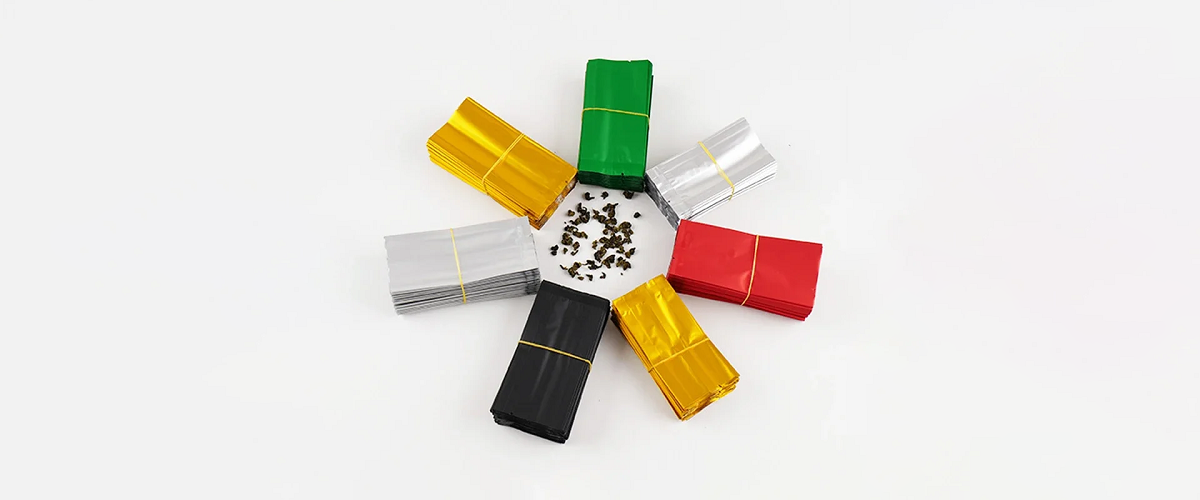
Aluminized packaging bags are flexible pouches made from films coated with a thin aluminum layer through vacuum metallization.
Structure Overview
Typical laminated structure:
- PET/VMPET/PE
- BOPP/VMPET/CPP
- PET/VMPET/PA/PE
VMPET refers to vacuum metallized PET film.
How Vacuum Metallization Works
During production:
- Plastic film is placed in a vacuum chamber.
- Aluminum is vaporized.
- A microscopic aluminum layer deposits evenly onto the film surface.
This creates a reflective metallic barrier.
Functional Benefits
The aluminum layer provides:
- Reduced oxygen transmission rate (OTR)
- Lower moisture vapor transmission rate (MVTR)
- Strong light barrier protection
All while keeping material thickness low.
2. Which Industries Commonly Use Aluminized Flexible Packaging Bags?
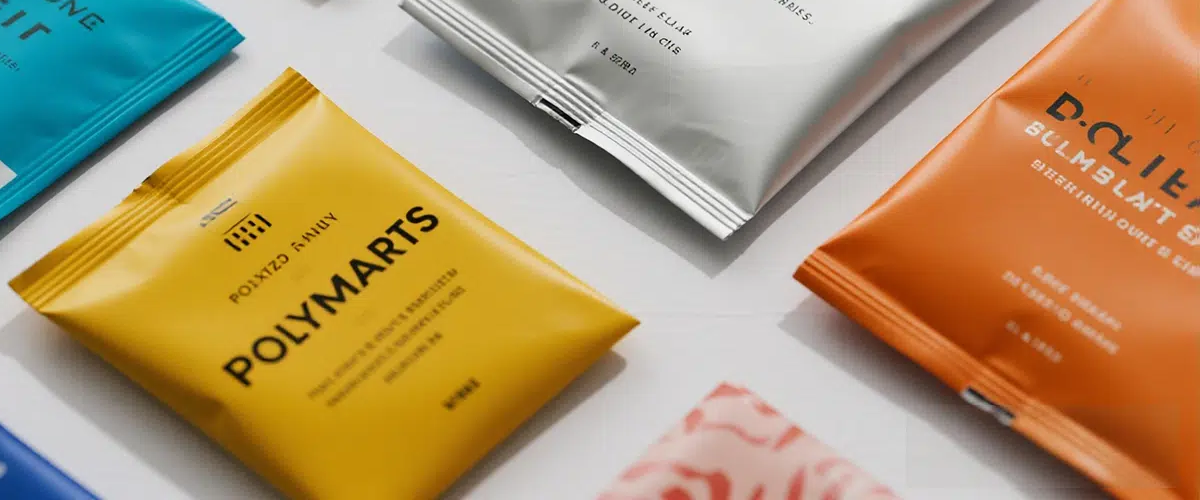
Aluminized packaging is widely adopted across multiple sectors.
Food Industry
Common applications:
- Snacks (chips, nuts, popcorn)
- Coffee and tea
- Powdered beverages
- Dried fruits
High barrier protection preserves freshness and flavor.
Pet Food Industry
Used for:
- Dry pet food
- Pet treats
- Nutritional supplements
Protects against moisture and fat oxidation.
Pharmaceutical & Healthcare
Applied to:
- Medical device packaging
- Powder sachets
- Nutraceutical products
Provides light and oxygen protection.
Industrial Products
Suitable for:
- Electronic components
- Chemical powders
- Moisture-sensitive materials
Prevents humidity-related damage.
Agricultural Products
Used for:
- Seeds
- Fertilizers
- Specialty additives
Improves storage stability.
3. Why Are Aluminized Packaging Bags Ideal for Moisture and Oxygen Barrier Protection?
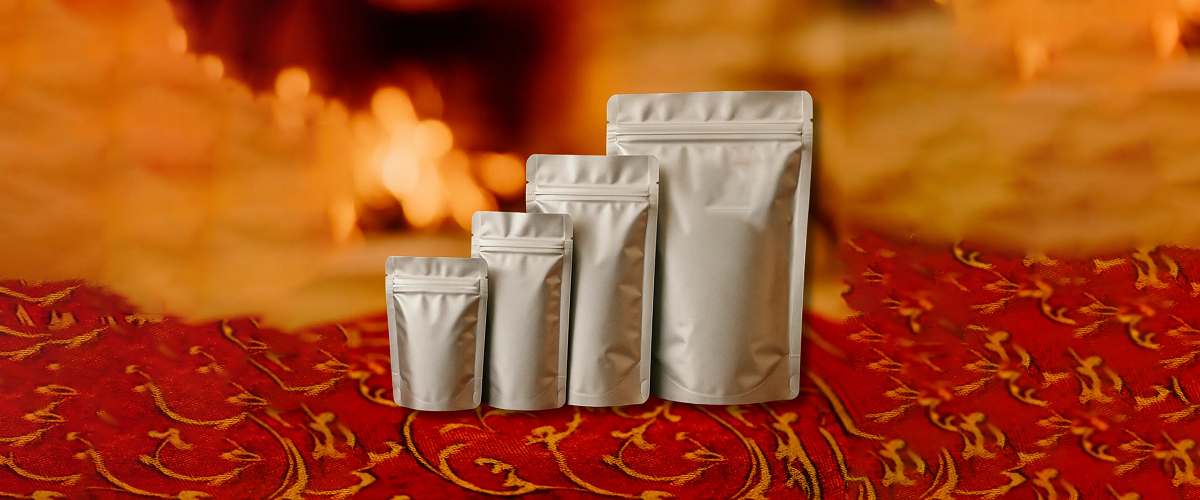
Barrier performance is the primary reason for widespread adoption.
Oxygen Barrier Performance
The metallized layer significantly reduces oxygen permeability, which helps:
- Prevent oxidation
- Preserve aroma compounds
- Extend shelf life
Especially important for fat-containing products.
Moisture Resistance
Aluminized films lower MVTR, protecting products from:
- Humidity absorption
- Clumping
- Mold growth
Critical in tropical and high-humidity regions.
Light Protection
Reflective metallic surface blocks UV and visible light exposure, reducing:
- Nutrient degradation
- Color fading
- Flavor deterioration
Cost-to-Performance Balance
Compared to aluminum foil:
- Lower material cost
- Better flexibility
- Reduced cracking risk
Making it a cost-efficient high-barrier solution.
4. How Do Aluminized Bags Compare to Aluminum Foil Packaging in Different Applications?
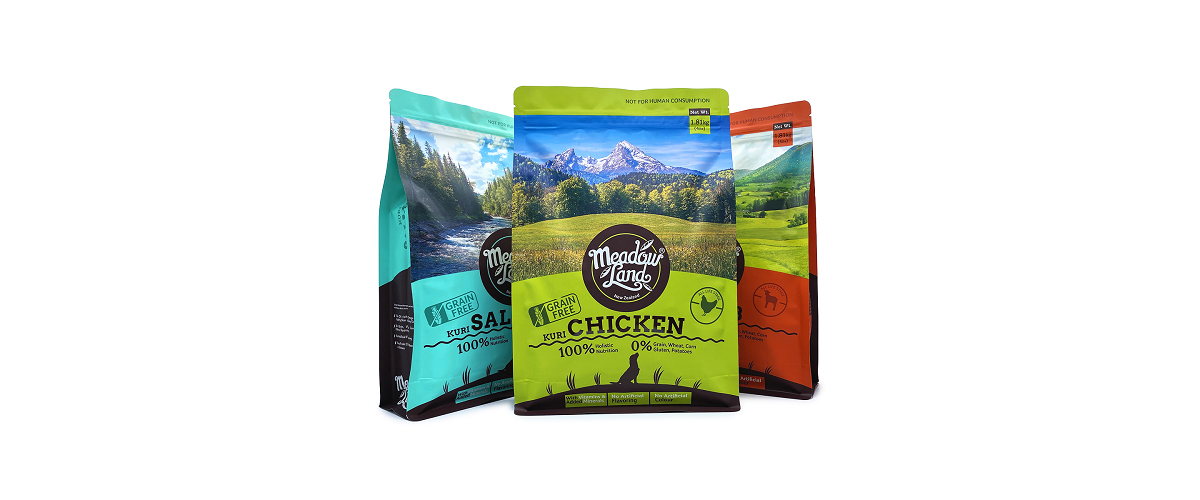
Although similar in function, metallized films and foil laminates differ.
Barrier Performance Comparison
| Feature | Aluminized Film | Aluminum Foil |
|---|---|---|
| Oxygen barrier | High | Very high |
| Moisture barrier | High | Excellent |
| Light protection | Strong | Complete |
| Flexibility | Very good | Moderate |
| Cost | Lower | Higher |
Application Differences
Aluminized films are suitable for:
- Snack packaging
- Coffee bags
- Pet food
Aluminum foil laminates are preferred for:
- Long-term pharmaceutical storage
- Ultra-sensitive products
- High-retort processing
Mechanical Durability
Metallized films:
- Less prone to cracking
- Maintain barrier integrity under flexing
Foil:
- Can develop pinholes when folded repeatedly
5. Aluminized Flexible Packaging: Key Benefits Across Food, Pet Food, and Industrial Products
Aluminized packaging offers strategic advantages across sectors.
Extended Shelf Life
High barrier protection slows oxidation and moisture ingress.
Lightweight Structure
Flexible laminates reduce:
- Shipping weight
- Storage space
- Logistics costs
Strong Printing Compatibility
PET-based metallized films support:
- High-resolution graphics
- Matte or glossy finishes
- Premium visual appeal
Cost Efficiency
Compared to full foil structures, aluminized films:
- Lower production costs
- Reduce material usage
- Maintain competitive pricing
Versatile Format Options
Available in:
- Stand-up pouches
- Flat pouches
- Vacuum bags
- Rollstock films
Adaptable to different packaging lines.
Industry Trends in Aluminized Flexible Packaging
| Trend | Description | Market Impact |
|---|---|---|
| High-barrier metallized laminates | Replacing full foil in many categories | Cost optimization |
| Lightweight packaging | Reduced material thickness | Sustainability alignment |
| Recyclable mono-material attempts | Metallized PE structures | Eco-focused innovation |
| Premium matte metallized finish | Enhanced branding | Shelf differentiation |
| Growth in pet food packaging | Barrier demand increase | Market expansion |
FAQ
Are aluminized packaging bags food safe?
Yes, when manufactured with food-grade materials and compliant with regulatory standards.
Do aluminized bags provide the same protection as aluminum foil?
They provide high barrier protection but slightly lower than full aluminum foil laminates.
Are metallized films recyclable?
Recycling depends on structure; mono-material metallized PE films are being developed to improve recyclability.
Can aluminized bags be used for vacuum packaging?
Yes, when laminated with suitable sealant layers such as PE or CPP.
Conclusion
Aluminized packaging bags offer an excellent balance between barrier performance, cost efficiency, flexibility, and visual appeal. By applying a vacuum-deposited aluminum layer to plastic films, manufacturers achieve high moisture, oxygen, and light protection without the higher cost and rigidity of full aluminum foil structures. Widely used in food, pet food, pharmaceutical, and industrial applications, aluminized flexible packaging continues to expand as brands seek lightweight, high-performance, and competitively priced packaging solutions. As sustainability innovations progress, metallized films are expected to play an increasingly important role in modern barrier packaging strategies.