Are Pillow Pouches A Good Fit For Your Packaging?
Anna_Yu
Are Pillow Pouches A Good Fit For Your Packaging?
In the modern packaging world, flexibility, convenience, and efficiency have become key to attracting consumers and optimizing production processes. Among various flexible packaging formats, the pillow pouch stands out as one of the most versatile and widely used options. You’ve likely seen them everywhere—from snack chips and candy to frozen foods and even personal care products. Their simple yet effective design, easy sealing, and cost-efficiency make them a top choice for both manufacturers and retailers.
A pillow pouch gets its name from its shape—after filling and sealing, it resembles a small pillow. This form of packaging not only provides excellent protection for a variety of products but also allows for attractive graphics and branding opportunities. With the global flexible packaging market expected to surpass USD 315 billion by 2030, pillow pouches continue to play a central role in driving packaging innovation.
This article explores everything you need to know about pillow pouches—their structure, materials, applications, benefits, and future trends—to help you decide if they’re the right fit for your brand.
1. What Exactly Is a Pillow Pouch?
A pillow pouch is a flexible packaging format made by sealing the film on three sides—top, bottom, and back. It forms a flat, pillow-shaped bag that holds and protects various types of goods. These pouches are typically produced on vertical form-fill-seal (VFFS) machines, where a continuous roll of film is shaped into a tube, filled with product, and sealed automatically.
Key Features:
- Three-side sealing design – Ensures product integrity and prevents leakage.
- Highly customizable – Can be made in different sizes, with matte, glossy, or transparent finishes.
- Efficient for mass production – Ideal for high-speed packaging lines.
- Flexible filling options – Suitable for solid, powder, granule, and even liquid products.
The pillow pouch structure is simple yet effective. Its back seal allows the film to wrap around the product, minimizing waste and offering a smooth printable surface for branding. Because it is lightweight and economical, pillow pouches are often the first choice for companies seeking efficient, cost-effective packaging that still looks appealing on shelves.
2. What Materials Are Used in Pillow Pouches?
The materials used in pillow pouches depend largely on the product’s shelf life, moisture sensitivity, and protection needs. Typically, pillow pouches consist of multi-layer laminated films combining the strengths of different materials.
Common Material Combinations:
| Layer | Material | Function |
|---|---|---|
| Outer Layer | PET (Polyester) or BOPP (Biaxially Oriented Polypropylene) | Provides strength, printability, and heat resistance |
| Middle Layer | Aluminum Foil or Metallized Film | Acts as a barrier against oxygen, moisture, and light |
| Inner Layer | LDPE (Low-Density Polyethylene) or CPP (Cast Polypropylene) | Provides heat-sealing and product contact safety |
Explanation of Each Material:
- PET – Known for its clarity, toughness, and excellent print quality.
- BOPP – Offers good moisture barrier and affordability; often used for snacks and dry foods.
- Aluminum Foil or Metallized PET – Blocks oxygen and UV rays, extending shelf life.
- CPP/LDPE – Offers strong heat sealability and flexibility for product protection.
Sustainable Material Developments:
With the shift toward environmental responsibility, manufacturers are now exploring mono-material pillow pouches, made entirely from recyclable polyethylene (PE) or polypropylene (PP). According to Smithers 2025 Packaging Report, more than 40% of flexible packaging producers are investing in recyclable and compostable film structures to meet global sustainability targets by 2030.
3. Application Scenarios of Pillow Pouch
The adaptability of pillow pouches has made them a go-to solution for various industries. From dry snacks to liquid detergents, pillow pouches can be tailored to meet diverse packaging needs.
Food Industry
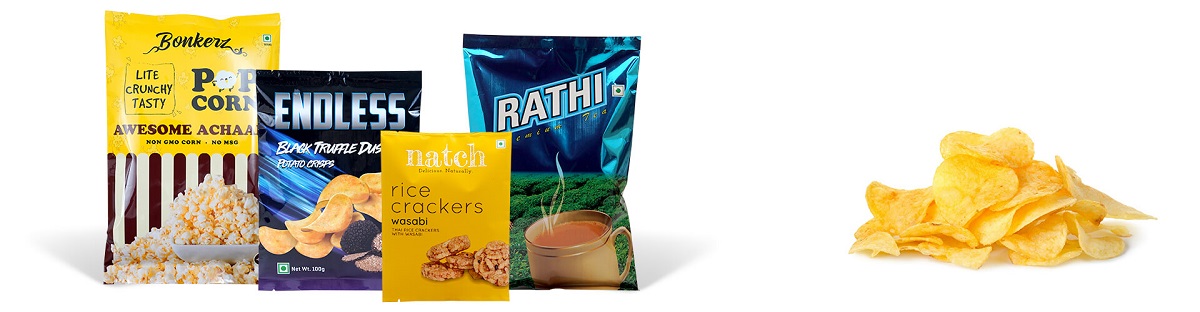
The largest user of pillow pouches, the food industry relies on them for snacks, coffee, sugar, frozen foods, and instant noodles. The lightweight structure helps reduce shipping costs while maintaining freshness through barrier films.
Examples:
- Snack foods like chips, candies, or popcorn.
- Frozen foods such as vegetables or ready meals.
- Powdered goods like flour, coffee, or protein powder.
Non-Food Industry
Outside food, pillow pouches serve multiple purposes:
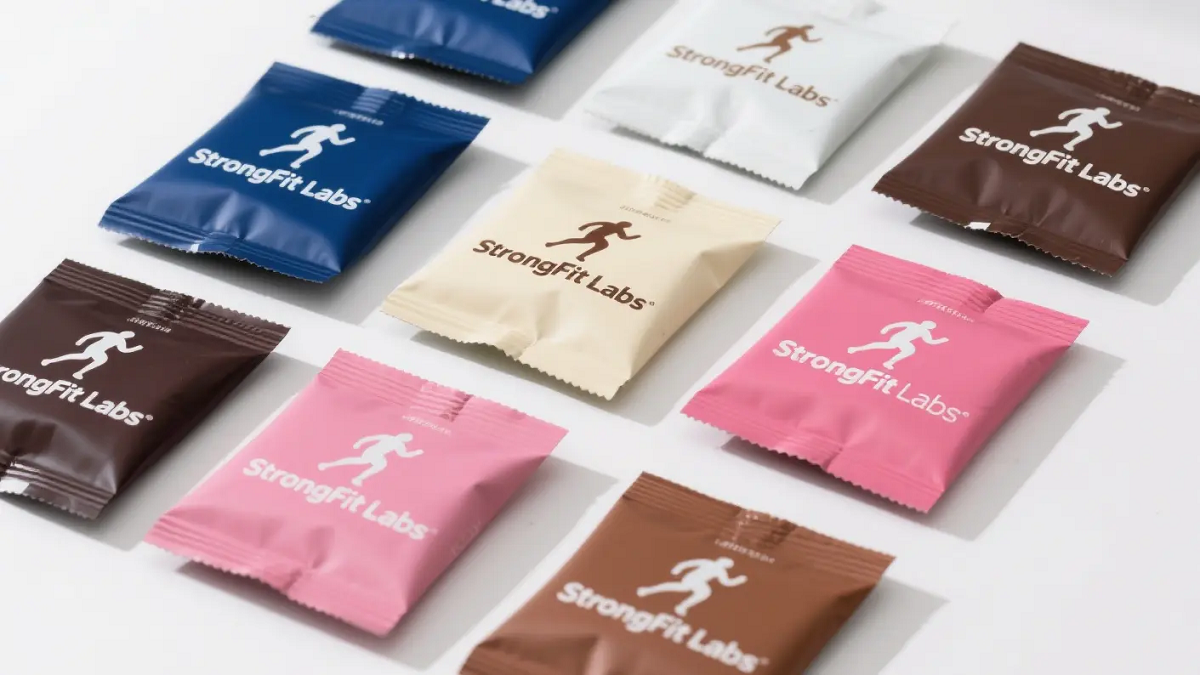
- Personal care products (e.g., shampoo, facial masks).
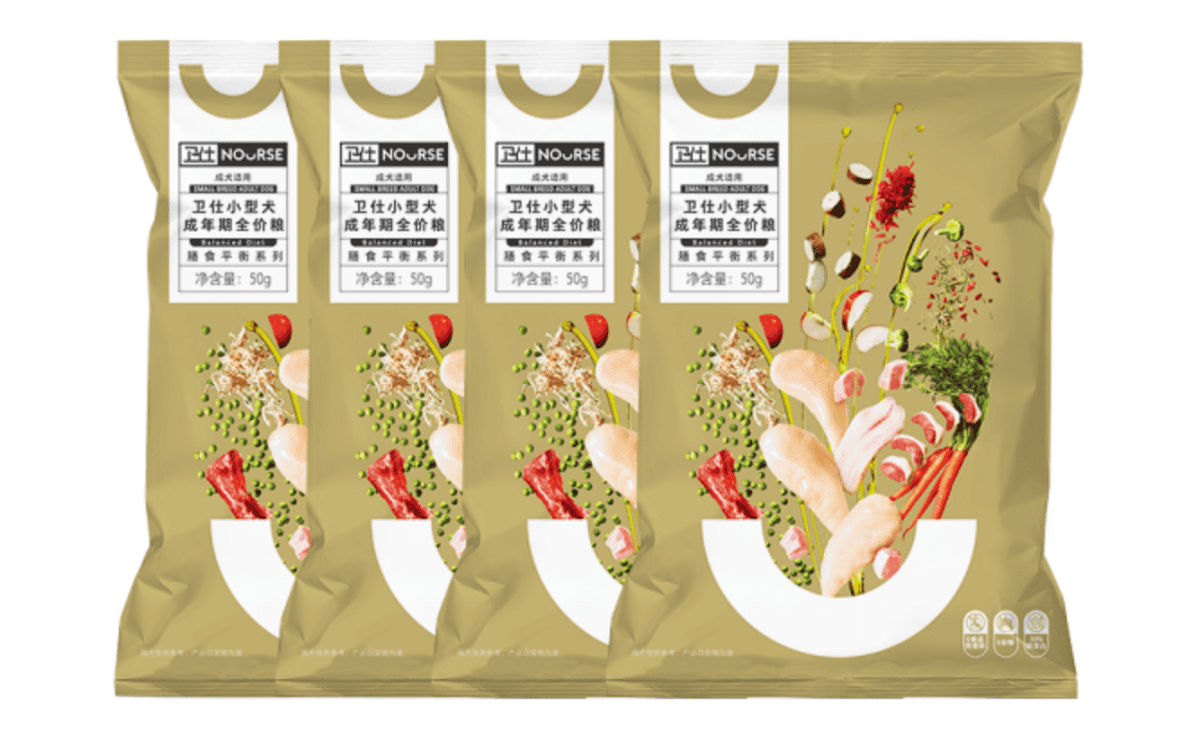
- Pet food packaging, where durability and freshness are key.
- Household items, such as detergents or cleaning powder.
Industrial Applications
Pillow pouches are also found in industrial applications like fertilizers, seed storage, and automotive chemicals, where product containment and barrier properties are essential.
According to Allied Market Research (2024), the global pillow pouch market will reach approximately USD 27 billion by 2029, driven by growing demand from both FMCG and personal care sectors.
4. Advantages and Benefits of Pillow Pouch
The widespread adoption of pillow pouches across industries is a testament to their multiple advantages, which span production efficiency, cost savings, and consumer convenience.
1. Cost-Effective Production
Pillow pouches use less material than rigid packaging like jars or tins. This leads to lower manufacturing and transportation costs. The high-speed form-fill-seal process reduces labor and improves throughput.
2. Space and Weight Efficiency
Compared to bottles or boxes, pillow pouches occupy up to 70% less space, allowing more products to be shipped or displayed per unit area. This efficiency also cuts down on storage costs and carbon emissions.
3. Excellent Product Protection
Through multi-layer structures, pillow pouches offer superior barriers against moisture, air, and UV light, which are crucial for preserving flavor and freshness—especially in snacks, coffee, or dry foods.
4. High Branding Flexibility
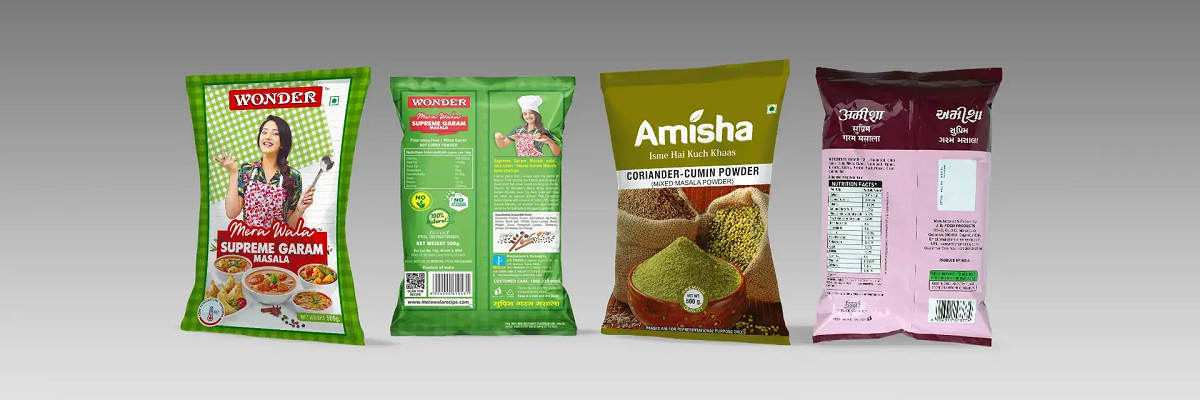
The smooth surface of pillow pouches is ideal for high-definition printing, allowing brands to stand out on retail shelves. Options include matte, gloss, metallic, and transparent windows for visual appeal.
5. Consumer Convenience
Pillow pouches can be designed with easy-tear notches, resealable zippers, or hang holes, improving usability and consumer satisfaction.
6. Environmental Potential
As brands push toward sustainability, pillow pouches are evolving into eco-friendly versions made from recyclable mono-materials or compostable bioplastics such as PLA (Polylactic Acid). These innovations help brands reduce their environmental footprint while maintaining functionality.
5. The Future Trend of Pillow Pouch
The future of pillow pouch packaging is being shaped by three major trends: sustainability, smart packaging technology, and digital printing.
1. Sustainability as the Core
Consumers and regulatory bodies are pressuring brands to reduce waste. In response:
- Brands are switching from multi-layer laminates to mono-material films for easier recycling.
- Companies are adopting biodegradable films such as PLA and PBAT.
- The industry is moving toward carbon-neutral packaging using renewable resources.
2. Smart and Interactive Packaging
Emerging technologies such as QR codes, NFC chips, and time-temperature indicators (TTIs) are being integrated into pillow pouches. These features allow consumers to verify product authenticity, track freshness, and even interact with digital content.
3. Advancements in Digital Printing
Digital printing enables shorter production runs, faster lead times, and personalized packaging—all without sacrificing print quality. This is ideal for promotional campaigns, limited editions, or small-batch artisanal brands.
4. Automation and Efficiency
Next-generation VFFS machines are improving sealing precision, material usage, and production speed, helping manufacturers meet growing global demand without compromising quality.
5. Global Market Outlook
According to Grand View Research (2025), the flexible packaging sector—including pillow pouches—is projected to grow at a CAGR of 5.7% through 2032, driven by the food and beverage segment. The rise of e-commerce grocery delivery also fuels the need for lightweight, durable, and visually appealing pouch packaging.
FAQ: Common Questions About Pillow Pouches
Q1: Can pillow pouches be used for liquid products?
Yes, though not as common as for dry goods, pillow pouches can be adapted for sauces, condiments, and detergents with proper sealing and lamination materials.
Q2: Are pillow pouches recyclable?
Traditional pillow pouches with multiple materials are hard to recycle, but new mono-material PE or PP structures are 100% recyclable in many countries.
Q3: What’s the typical shelf life for products in pillow pouches?
Depending on barrier material and sealing quality, products can last from 6 months to over 18 months without degradation.
Q4: Can pillow pouches be resealed after opening?
Yes, resealable zippers or spouts can be incorporated to extend usability.
Q5: How are pillow pouches printed?
Most are printed using rotogravure or digital printing, allowing vibrant designs and fine details that attract customers on shelves.
Q6: Are pillow pouches suitable for automated filling?
Absolutely. Pillow pouches are specifically designed for high-speed automated form-fill-seal (FFS) systems, minimizing manual handling.
Conclusion
Pillow pouches are a timeless and adaptable packaging solution that continues to dominate the flexible packaging market. They balance economy, functionality, and design flexibility, making them suitable for both large-scale manufacturers and emerging brands. As technology evolves, innovations in sustainable materials, digital printing, and smart packaging will make pillow pouches even more valuable to modern businesses.
For brands striving to reduce environmental impact while delivering visually striking, consumer-friendly packaging, pillow pouches represent the perfect intersection of practicality, innovation, and sustainability.