Breakfast Friends: Coffee, Bread, and Cereal
Anna_Yu
Breakfast Friends: Coffee, Bread, and Cereal
Breakfast is often the most intimate meal of the day. It happens quietly in the early morning, sometimes rushed, sometimes calm, but almost always repeated day after day. Coffee, bread, and cereal have become our “breakfast friends”—familiar, reliable, and deeply connected to daily routines across cultures. While we often focus on taste, aroma, and nutrition, one crucial element quietly shapes our breakfast experience every single day: packaging.
Packaging determines whether coffee smells fresh, whether bread stays soft, and whether cereal remains crisp. It protects these products from moisture, oxygen, light, and contamination, while also communicating brand values, quality, and trust at first glance. In modern markets, breakfast packaging is no longer just a container—it is part of the product itself. Poor packaging can ruin even the best recipe, while well-designed packaging can elevate everyday food into a premium experience.
As consumer habits evolve, breakfast packaging must respond. Busy lifestyles demand convenience. Health-conscious buyers expect safety and transparency. Sustainability concerns influence material choices. Meanwhile, brands must balance cost control with shelf appeal and performance. Coffee, bread, and cereal may seem simple, but their packaging requirements are surprisingly complex and technically demanding.
In this article, I’ll walk through the packaging behind these breakfast staples. We’ll explore what types of packaging they use, how materials are chosen, the key properties those materials must deliver, and where breakfast packaging is heading in the future. Whether you’re a brand owner, buyer, or simply curious, this guide will help you understand the quiet science behind your morning routine.
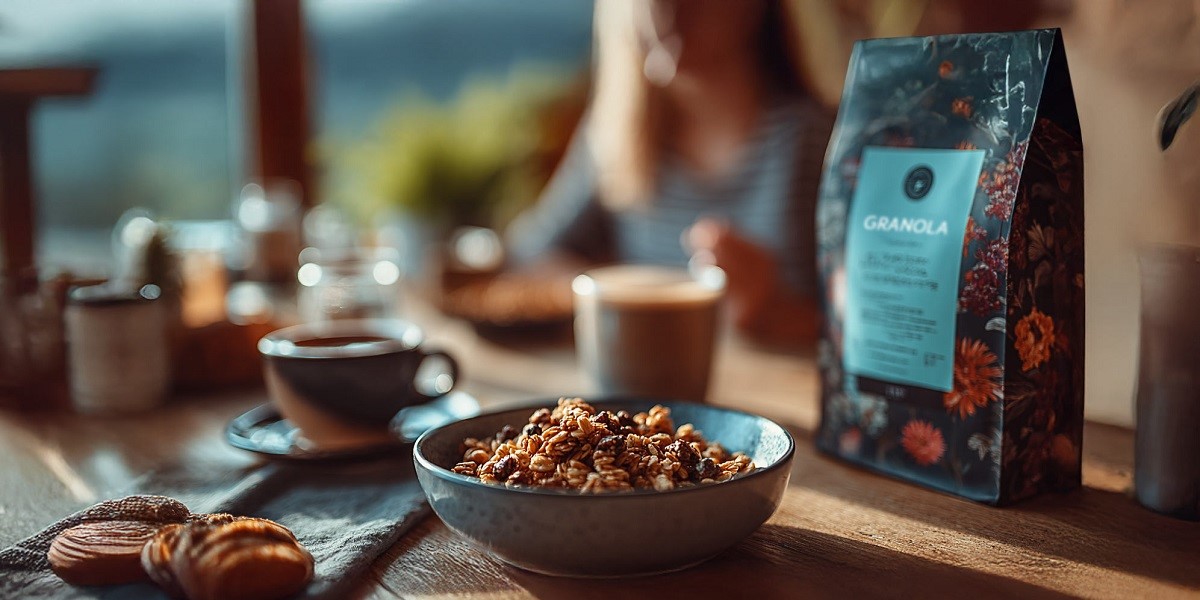
Do You Know What Kind of Packaging Our Breakfast Friends Use?
Although coffee, bread, and cereal often share the same table, their packaging solutions are very different. Each product faces unique challenges related to freshness, shelf life, and consumer use.
Coffee Packaging
Coffee is extremely sensitive to oxygen, moisture, light, and temperature. Whole beans and ground coffee also release carbon dioxide after roasting, which adds another layer of complexity.
Common coffee packaging formats include:
- Stand-up pouches with one-way degassing valves
- Flat bottom bags for premium brands
- Vacuum-sealed bags
- Laminated sachets for single-serve coffee
These packages focus heavily on barrier performance and aroma protection, while also supporting strong branding and resealability.
Bread Packaging
Bread packaging is designed around softness, moisture balance, and mold prevention. Unlike coffee, bread needs to “breathe” slightly while still being protected.
Typical bread packaging includes:
- PE or PP plastic bread bags
- Laminated film bags with micro-perforation
- Paper-plastic composite bags
Here, flexibility, clarity, and cost efficiency matter more than extreme barrier performance.
Cereal Packaging
Cereal is highly sensitive to moisture and oxygen, which can quickly destroy crunch and texture.
Common cereal packaging formats:
- Inner laminated plastic bags (often metallized)
- Outer paperboard boxes for structure and branding
- Flexible stand-up pouches for modern cereal brands
Cereal packaging often combines flexible and rigid elements to balance protection and shelf presentation.
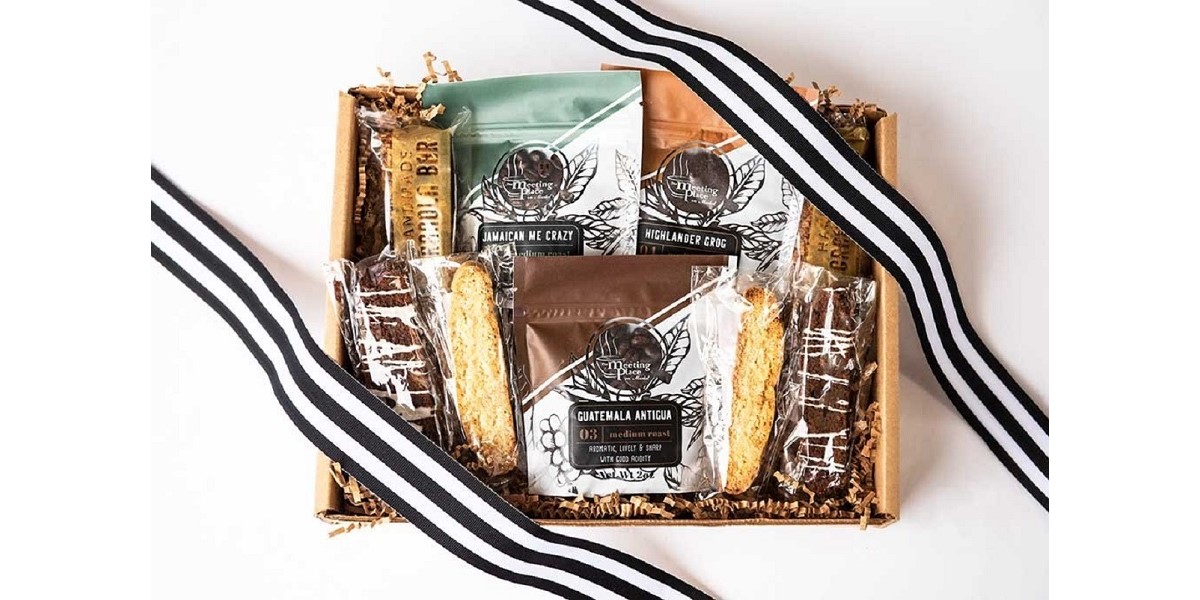
How Do We Choose the Right Materials for These Packages?
Material selection is the foundation of effective breakfast packaging. The choice depends on product sensitivity, shelf life expectations, distribution environment, and brand positioning.
Matching Material to Product Sensitivity
- Coffee requires high oxygen and moisture barriers, often using aluminum foil, metallized films, or EVOH layers.
- Bread prioritizes moisture balance and flexibility, commonly using PE or PP.
- Cereal needs moisture and oxygen protection but also benefits from lightweight, cost-effective structures.
Considering Consumer Usage
Resealability is critical for coffee and cereal, where products are used over time. Bread packaging, on the other hand, must be easy to open and close without damaging the product.
Balancing Cost and Performance
Not every product needs the highest barrier materials. Choosing materials that match real-world requirements helps brands control costs without sacrificing quality.
Sustainability Considerations
More brands now prefer mono-material structures, downgauged films, and recyclable or paper-based solutions—especially for everyday breakfast products.
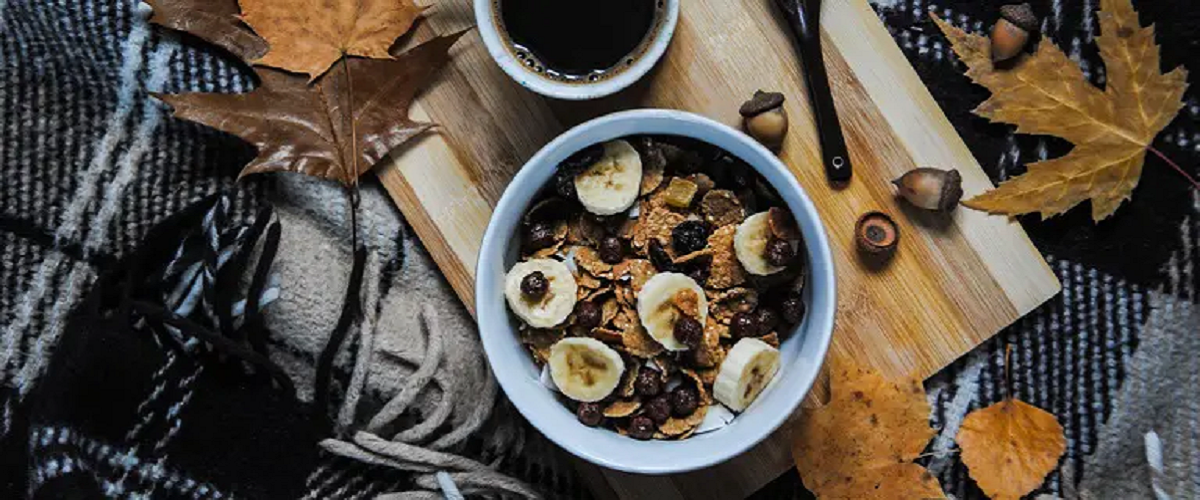
What Are the Properties of These Materials?
The materials used in breakfast packaging are selected for specific functional properties. Each property plays a direct role in product quality and consumer satisfaction.
Barrier Properties
- Oxygen barrier protects coffee aroma and cereal crunch.
- Moisture barrier prevents staling, sogginess, and mold growth.
- Light barrier protects flavor and nutritional stability.
Mechanical Strength
Packaging must withstand filling, transportation, stacking, and repeated opening without tearing or puncturing.
Seal Performance
Strong and consistent seals are essential to prevent leaks and contamination, especially for coffee and cereal packaging.
Printability and Appearance
High-quality surfaces support clear branding, nutritional labeling, and visual appeal—critical in competitive breakfast aisles.
Food Safety and Compliance
All materials must meet food-contact regulations and migration standards, ensuring safety for daily consumption.
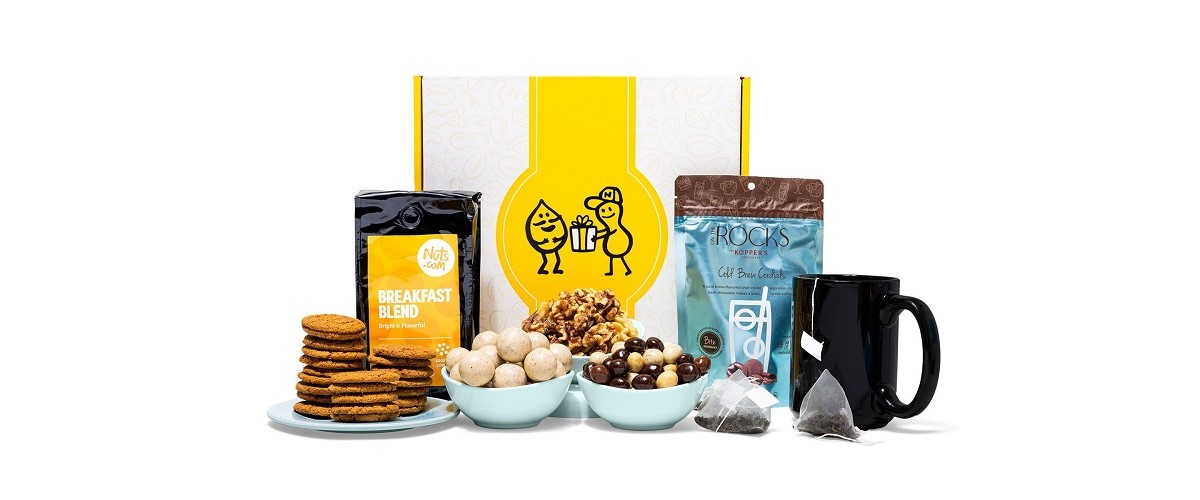
What Will the Trends in Packaging Be in the Future?
Breakfast packaging is evolving rapidly, driven by consumer behavior, technology, and sustainability goals.
Sustainability-Driven Design
Future packaging will focus on:
- Recyclable mono-material structures
- Reduced material thickness
- Increased use of paper-based laminates
Smarter Packaging Functions
Expect more:
- Improved resealable systems
- Freshness indicators
- QR codes for traceability and brand storytelling
Premiumization of Everyday Products
Even basic breakfast items are moving toward more refined packaging, with matte finishes, minimalist design, and tactile effects.
Flexible Packaging Replacing Rigid Formats
Flexible pouches are increasingly replacing boxes and rigid containers due to lower carbon footprint and better logistics efficiency.
FAQ
Why does coffee packaging look more complex than bread packaging?
Coffee is far more sensitive to oxygen and moisture and releases gas after roasting, requiring higher barrier materials and valves.
Can cereal be packaged only in flexible bags?
Yes, many modern brands use only flexible stand-up pouches, eliminating the outer box to reduce waste.
Is paper packaging better for the environment?
Paper can be more sustainable, but only when properly sourced and combined with recyclable barrier solutions.
Why is resealable packaging so important for breakfast products?
Most breakfast foods are consumed over multiple days, making freshness retention critical.
Conclusion
Coffee, bread, and cereal may seem simple, but their packaging tells a story of material science, consumer behavior, and evolving market demands. The right packaging preserves freshness, protects quality, and enhances daily routines. As sustainability and convenience continue to shape purchasing decisions, breakfast packaging will become smarter, lighter, and more thoughtful. Understanding these packaging choices helps brands build trust—and helps consumers enjoy better mornings.