Cat Food Packaging Strategy
Anna_Yu
Cat Food Packaging Strategy
Intro
Cat food packaging is no longer just a container—it’s a strategic communication tool, a freshness protector, a branding asset, and a cost-control mechanism. As the pet industry grows rapidly and consumer expectations continue to rise, packaging has evolved from a simple plastic bag to a multi-layered, technology-enhanced, user-friendly solution. Today’s cat parents expect packaging that keeps food fresher for longer, maintains nutrition, is easy to store and use, and looks attractive on shelves or online product photos. At the same time, manufacturers need packaging that balances quality with efficiency, sustainability, and cost.
In this guide, we will explore the full landscape of cat food packaging—from common pouch types to material considerations, from cost-saving ideas to regulatory requirements, from design strategies to future technological trends. Each section is designed to help brand owners, packaging buyers, and pet food manufacturers better understand how packaging impacts product safety, consumer trust, and long-term growth. Whether you sell premium wet cat food, dry kibble, treats, freeze-dried, or supplements, the right packaging strategy can significantly elevate your brand.
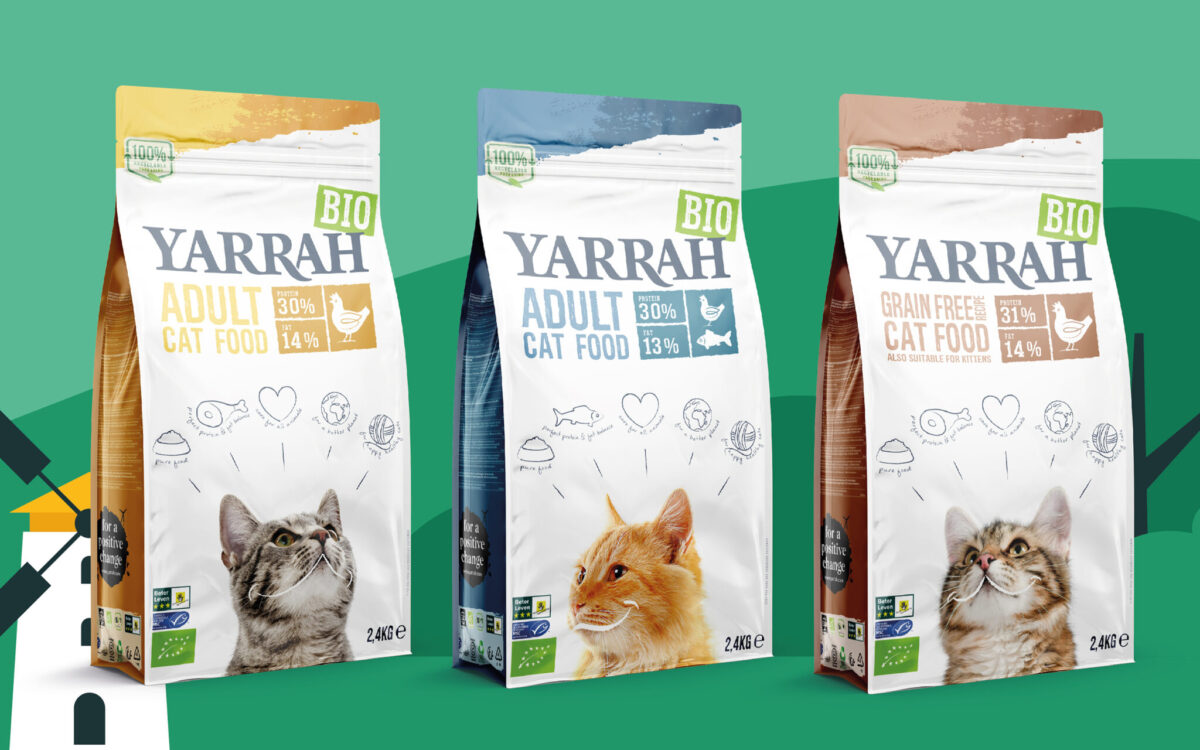
1. What Are the Different Types of Bags Used for Cat Food Packaging?
1.1 Stand-Up Pouch
A versatile format with strong shelf impact. Ideal for treats, small-volume kibble, and freeze-dried products. Benefits include portability, resealability, and excellent display visibility.
1.2 Flat Bottom Pouch
Popular for dry cat food. Stable, spacious, and able to hold heavier volumes. Offers cost-effective transportation and efficient pallet use.
1.3 Side Gusset Bag
Offers a larger fill volume and is very common for mid-range to premium kibble. Gussets expand to create more internal space.
1.4 Quad Seal Bag
Provides excellent rigidity and structural strength. Suitable for heavy cat food packaging (>2kg).
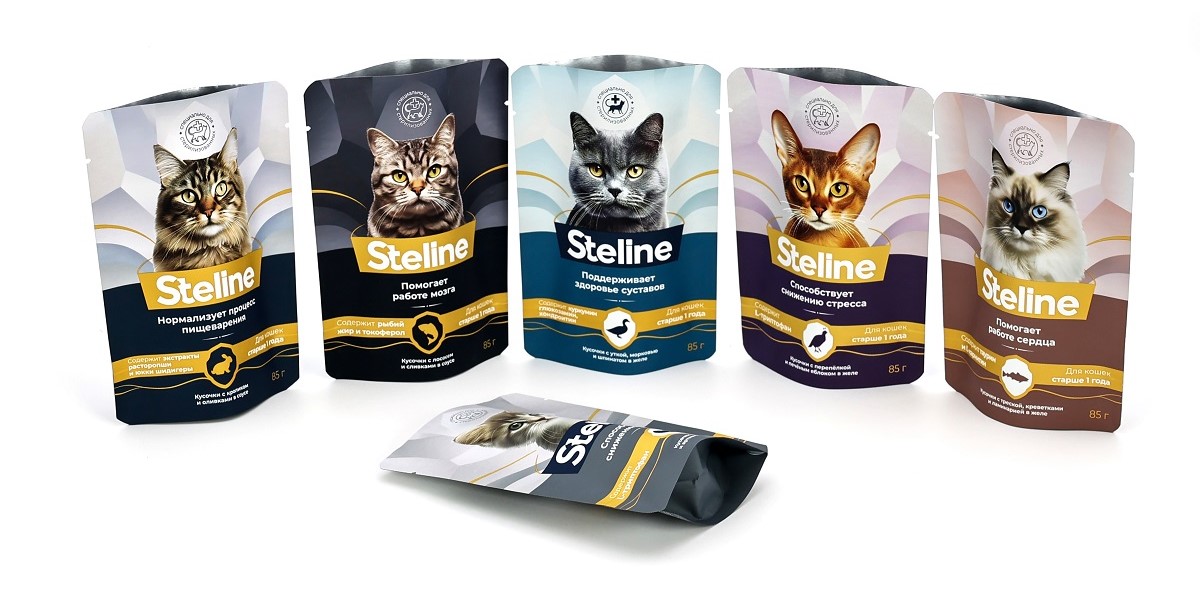
1.5 Retort Pouches (for wet cat food)
Heat-resistant laminated pouches that sterilize the food inside. Lightweight replacement for metal cans.
1.6 Single-Serve Sachets
For gravy, wet toppings, or supplement pastes. Easy-open tear notches improve convenience and portion control.
2. Why Is Cat Food Packaging So Important Now?
2.1 Food Safety & Freshness
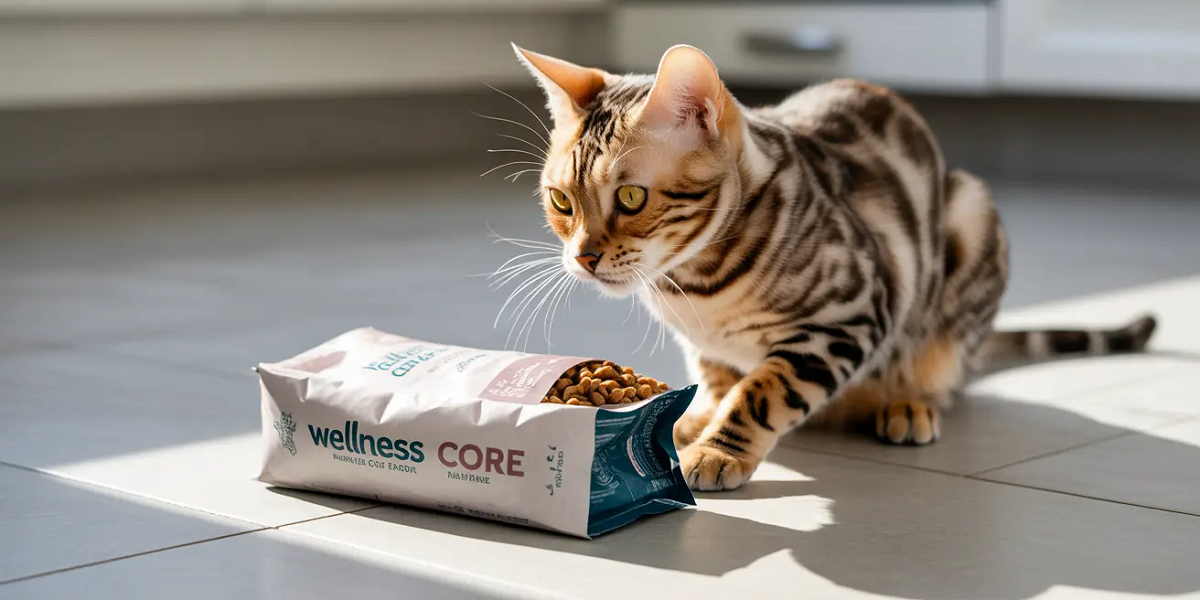
Cat food—especially kibble and wet food—contains proteins and fats that oxidize quickly. Packaging prevents moisture, oxygen, and harmful bacteria from degrading the product.
2.2 Branding and Market Differentiation
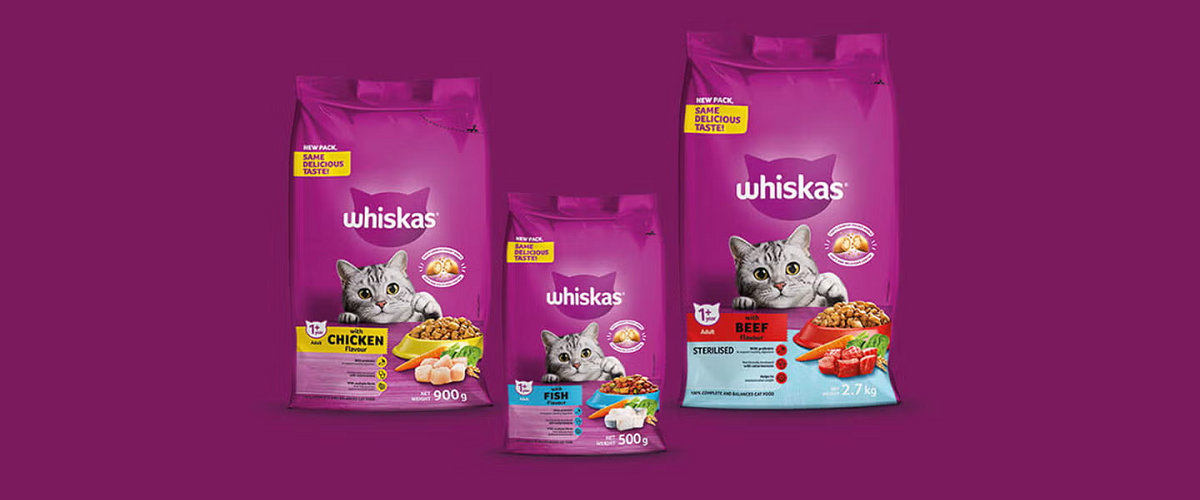
The pet food aisle is crowded. Packaging design plays a crucial role in grabbing attention, communicating quality, and shaping brand perception.
2.3 E-commerce Growth
Cat food is widely purchased online. Packaging must withstand long-distance transportation, prevent leaks, and maintain structural integrity.
2.4 Rising Pet Humanization
Cat owners want premium, clean-label, and visually appealing products. Packaging acts as a trust-building tool that signals transparency and responsibility.
2.5 Sustainability Demands
Consumers increasingly expect recyclable or environmentally friendly packaging. Brands that adopt green solutions gain a competitive edge.
3. How Can We Reduce the Cost of Cat Food Packaging Without Sacrificing Quality?
3.1 Optimize Material Structures
- Use lightweight laminated films
- Replace metalized layers with high-barrier alternatives when possible
- Shift from rigid containers to flexible pouches
3.2 Improve Production Efficiency
- Minimize changeovers in packaging design
- Use standard bag sizes
- Reduce unnecessary special features unless essential (windows, metallic inks, spot matte)
3.3 Print Smartly
- Choose digital printing for small batches
- Use gravure for large-volume runs
- Reduce excessive color usage on long print runs
3.4 Optimize Packaging Format
Flat bottom and side gusset pouches reduce logistics costs due to efficient palletization.
3.5 Bulk Packaging Options
For large volumes (5kg–10kg), multi-layer PE structures reduce cost without sacrificing barrier properties.
4. What Information Do Buyers Look for on Cat Food Packaging?
4.1 Clear Product Description
- Food type (dry, wet, grain-free, freeze-dried)
- Flavor (chicken, tuna, salmon, beef, blend)
- Intended cat stage (kitten, adult, senior)
4.2 Nutritional Transparency
Owners want:
- Protein content
- Ingredients list
- Additives or preservatives
- AAFCO or equivalent certification
4.3 Convenience Features
- Resealable zippers
- Easy tear notches
- Lightweight construction
- Standing stability
4.4 Visual Appeal & Branding
A clean layout, high-quality graphics, and premium matte/gloss finishes help influence purchase decisions.
4.5 Sustainability Statements
Recyclable packaging icons boost buyer confidence.
4.6 Safety & Compliance Labels
- Batch number
- Production date
- Expiration date
- Storage instructions
5. Future Trends in Cat Food Packaging
5.1 Monomaterial Structures
Recyclable PE and PP packaging will become dominant as regulations tighten.
5.2 Smart Packaging
QR codes offering:
- Feeding guides
- Traceability
- Freshness alerts
- Customized nutrition suggestion systems
5.3 Lightweighting & Reduced Carbon Footprint
Manufacturers will seek thinner but stronger films to cut transportation emissions.
5.4 E-commerce-First Packaging
Enhanced drop resistance, leak protection, and shipping optimization.
5.5 Enhanced Visual Technologies
- High-definition digital printing
- Metallic effects without metalized layers
- Ultra-matte tactile coatings
5.6 Packaging Automation
Intelligent filling systems reduce labor cost and contamination risks.
FAQ
Q1: What is the best packaging for dry cat food?
A flat bottom or side gusset pouch with high-barrier laminate and a resealable zipper.
Q2: How do I choose between digital and gravure printing?
Digital for small-batch SKUs; gravure for high-volume production with stable designs.
Q3: What is the ideal barrier level for cat food bags?
Look for structures with low oxygen transmission rate (OTR) and moisture transmission rate (MVTR).
Q4: Are recyclable cat food bags available now?
Yes—mono PE or PP recyclable structures are increasingly used in the pet food industry.
Q5: How long can cat food stay fresh in a pouch?
With proper high-barrier materials, unopened dry cat food can stay fresh for 12–24 months.
Conclusion
Cat food packaging is a powerful blend of science, technology, design, and branding strategy. The right packaging not only protects product freshness and ensures safety but also enhances the consumer experience, strengthens brand loyalty, and aligns with future sustainability trends. By understanding pouch types, their benefits, cost-reduction strategies, and evolving market demands, brands can make informed decisions that improve product performance and customer satisfaction. As the pet industry grows, those who leverage innovative, sustainable, and consumer-friendly packaging solutions will stand out and thrive.