Center-sealed Bags: The First Choice For Snack Packaging
Anna_Yu
Center-sealed Bags: The First Choice For Snack Packaging
In today’s fast-paced snack industry, packaging plays a critical role in attracting consumers, preserving product freshness, and maintaining brand integrity. Among the various packaging options, center-sealed bags have emerged as a preferred choice for snack manufacturers worldwide. Their simple yet effective design allows for consistent sealing, efficient production, and optimal protection against environmental factors such as moisture, oxygen, and light. The popularity of center-sealed bags is growing as brands seek flexible, cost-effective, and high-quality packaging solutions that enhance both shelf appeal and product safety.
Center-sealed bags are particularly versatile, suitable for a wide range of snack products including chips, popcorn, nuts, confectioneries, and extruded snacks. The design features a central vertical seal on the back of the bag, which allows for uniform filling and a neat, professional appearance. This structure not only supports automated packaging lines but also provides the ability to incorporate high-resolution printing and branding elements on the front and back panels. As a result, center-sealed bags offer an ideal combination of functionality, consumer convenience, and marketing potential, making them a mainstay in modern snack packaging.
In addition to practical performance, center-sealed bags are designed to be highly compatible with various laminated materials, allowing producers to tailor barrier properties, durability, and aesthetics according to the product requirements. The ability to select appropriate film combinations ensures that flavors, textures, and nutrients are preserved throughout transportation and shelf life. Moreover, these bags can be adapted with additional features such as zippers, tear notches, and valve systems for enhanced user experience and convenience. This comprehensive guide will delve into the specifics of center-sealed bags, their materials, benefits, and why they have become the first choice for snack packaging.
1. What is a center-seal bag?
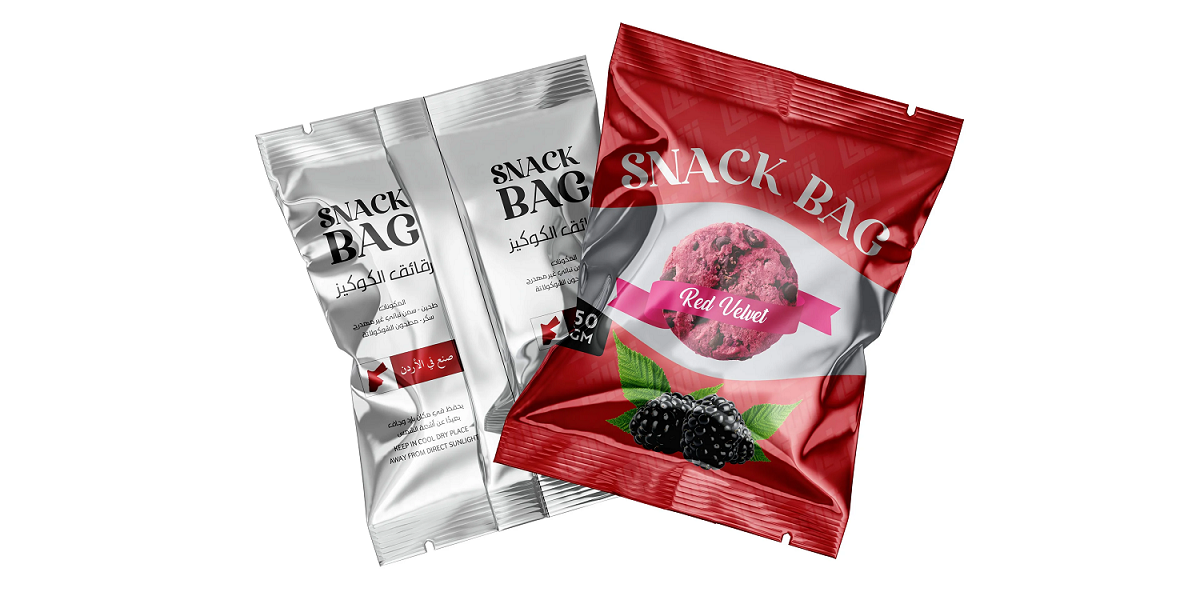
A center-seal bag, also referred to as a back-seal bag, is a type of flexible packaging characterized by a single vertical seal running along the center of the bag’s backside. The front and back panels are folded inwards or outwards around this central seal, creating a strong, uniform closure. This configuration is commonly used in automated high-speed packaging lines and is particularly favored in the snack industry for several reasons.
The primary structural advantage of center-seal bags is the uniformity of the seal, which provides consistent strength and leak-proof performance. Unlike side-seal bags, which may have weaker edge seals or require additional processing steps to ensure integrity, center-seal bags simplify production without compromising quality. Additionally, the design creates symmetrical panels on both sides, which is optimal for branding, graphics placement, and product visibility.
Center-seal bags are typically produced in a vertical form-fill-seal (VFFS) machine, where the packaging material is fed from a roll, formed into a bag around the filling product, and sealed vertically. This efficient production method reduces packaging time, material waste, and labor costs, making center-seal bags both economical and scalable for mass production. Their simplicity, combined with high visual appeal and protective functionality, has positioned them as a preferred choice for snack manufacturers globally.
2. Why is it considered the top choice for snack packaging?
Center-seal bags have become the top choice for snack packaging due to a combination of structural, functional, and aesthetic advantages:
Uniform Seal and Product Protection
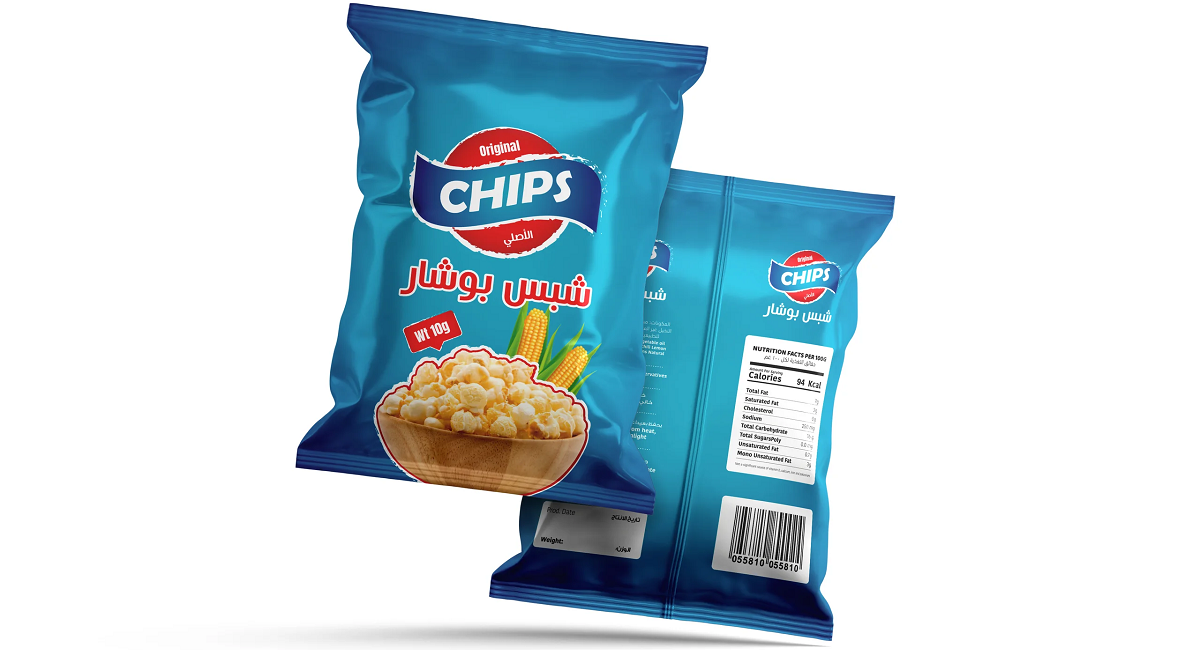
The central vertical seal ensures a consistent and strong closure, protecting the product from leaks, moisture, and oxygen ingress. This helps maintain the freshness, crunch, and flavor of snack items such as chips, pretzels, and nuts.
Cost-Effectiveness
With simplified production on VFFS machines, center-seal bags reduce material waste and labor costs. The efficiency of automated filling and sealing translates to lower operational expenses while maintaining high output.
Branding Flexibility
The symmetrical panels of center-seal bags offer ample space for high-quality printing, including logos, product information, nutritional facts, and promotional graphics. This design enhances shelf appeal and reinforces brand identity.
Compatibility with Barrier Films
Center-seal bags can incorporate multiple laminated layers, including PET, NY, CPP, PE, and aluminum foil, to meet varying barrier requirements. This flexibility ensures long shelf life and product safety across different snack categories.
Adaptable Features
Additional functionalities like resealable zippers, tear notches, and degassing valves can be easily incorporated into the center-seal design, offering convenience and maintaining product integrity.
Environmental Considerations
With advances in recyclable and mono-material films, center-seal bags are increasingly designed to align with sustainability goals while maintaining performance standards.
These combined advantages make center-seal bags an ideal solution for snacks that require both aesthetic appeal and high-performance packaging.
3. What materials are commonly used in center-sealed bags?
The selection of materials for center-seal bags depends on the product’s barrier needs, shelf life requirements, and desired aesthetic appeal. Some of the most commonly used films and laminates include:
| Material | Properties | Typical Role in Center-Seal Bags |
|---|---|---|
| PET (Polyester) | High tensile strength, printable, durable | Outer layer for high-quality printing and structural support |
| NY (Nylon) | Puncture resistant, flexible | Provides mechanical strength and barrier to oxygen |
| CPP (Cast Polypropylene) | Excellent sealability, heat resistant | Inner seal layer, supports retort or hot-fill processes |
| PE (Polyethylene) | Flexible, food-safe, low cost | Heat-sealable inner layer, protects product |
| Aluminum Foil (ALU) | Excellent oxygen and moisture barrier | Optional layer for high-barrier snacks like chips, nuts, and powders |
| EVOH | Extremely low oxygen permeability | Added for sensitive products requiring extended shelf life |
| Recyclable PE | Eco-friendly, single-material | Growing trend for sustainable packaging solutions |
These materials are typically combined in multi-layer laminates, each layer serving a specialized function: outer layers for print quality and durability, middle layers for barrier performance, and inner layers for sealability and food safety.
The combination of these materials allows center-seal bags to perform exceptionally well in preserving freshness, maintaining flavor, and withstanding mechanical stress during transport and storage.
4. What are the advantages of center-sealed bags?
Center-seal bags offer a wide range of advantages that make them particularly suitable for snack products:
1. Superior Product Protection
The central seal ensures uniform closure, preventing leaks, contamination, and exposure to environmental factors. Multi-layer laminated structures further enhance protection against oxygen, moisture, and light.
2. Enhanced Shelf Appeal
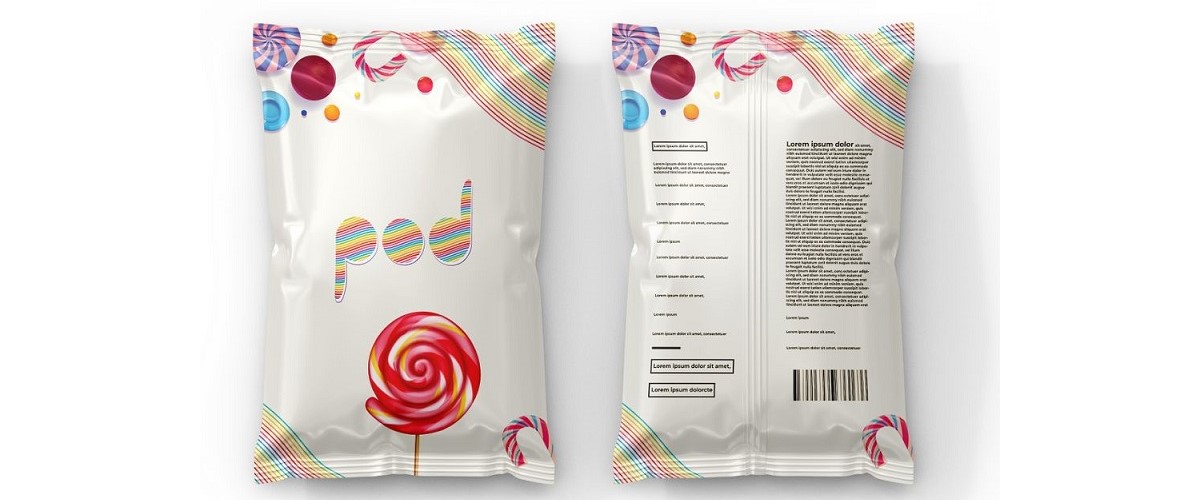
With symmetrical panels and ample surface area, center-seal bags are ideal for high-resolution printing, allowing brands to showcase product graphics, logos, and promotional messages effectively.
3. Production Efficiency
Center-seal bags are compatible with automated VFFS machines, providing high-speed filling, sealing, and packaging. This efficiency translates to lower labor costs and higher output.
4. Cost Savings
Material optimization and reduced waste result in cost savings, making center-seal bags an economical option for large-scale snack production.
5. Consumer Convenience
Optional features like zippers, tear notches, and resealable systems improve user experience while maintaining product freshness.
6. Versatility
Suitable for a wide range of snack types, including chips, nuts, confectioneries, and powders, these bags can be adapted to various sizes, weights, and barrier requirements.
7. Sustainability
Modern laminated films and mono-material options provide recyclable or biodegradable solutions, allowing brands to reduce their environmental footprint.
Overall, center-seal bags balance functionality, cost, and aesthetic appeal, making them an essential packaging choice in today’s competitive snack market.
FAQ
Q1: Can center-seal bags be used for liquid snacks?
Yes, with the proper laminated barrier films and spout integration, center-seal bags can be adapted for liquid or semi-liquid snack products.
Q2: Are center-seal bags recyclable?
Many modern center-seal bags use mono-material PE or recyclable laminates, making them easier to recycle, depending on local waste management regulations.
Q3: What are the typical sizes for snack packaging?
Sizes vary depending on product weight, ranging from small 20g single-serve bags to 1kg bulk snack packs.
Q4: Can the bags include zippers or resealable options?
Yes, center-seal bags can integrate zippers, tear notches, or other functional features to enhance convenience and maintain freshness.
Q5: Which printing methods are commonly used?
Rotogravure, flexographic, and digital printing are commonly used to create high-resolution graphics on center-seal bags.
Conclusion
Center-seal bags have proven to be the first choice for snack packaging due to their simplicity, efficiency, and adaptability. They combine excellent product protection, appealing branding, production efficiency, and cost-effectiveness in a single flexible packaging solution. With the growing demand for high-quality snack products and the increasing importance of shelf appeal and sustainability, center-seal bags remain an indispensable option for brands seeking to satisfy both operational and marketing objectives. By selecting the right materials, laminates, and optional features, manufacturers can ensure their snacks are presented attractively, remain fresh, and deliver an exceptional consumer experience.