Choose Your Printing Method: Gravure, Flexographic, or Digital
Anna_Yu
Choose Your Printing Method: Gravure, Flexographic, or Digital
In modern packaging and label production, printing technology is no longer just a manufacturing decision—it is a strategic business choice. The printing method you select directly affects visual quality, production efficiency, cost structure, sustainability goals, and even how consumers perceive your brand. As markets become more competitive and product lifecycles shorter, choosing the right printing process has become more important than ever.
Today, gravure printing, flexographic printing, and digital printing dominate the flexible packaging and label industries. Each method has its own strengths, limitations, and ideal use cases. Gravure is known for premium image quality and consistency in long runs. Flexographic printing offers versatility and cost efficiency across a wide range of substrates. Digital printing, meanwhile, has transformed the industry with speed, customization, and low minimum order quantities.
However, there is no single “best” printing method for every application. The right choice depends on factors such as order volume, packaging material, design complexity, turnaround time, sustainability goals, and budget constraints. Brands that understand these differences can optimize costs, improve shelf appeal, and respond faster to changing market demands.
This article provides a clear and practical comparison of gravure, flexographic, and digital printing. We will explain what each printing method is, analyze their individual characteristics, identify the industries they are best suited for, and offer guidance on how to choose the most appropriate printing solution for your specific packaging needs.
1. What are gravure printing, flexographic printing, and digital printing?
Gravure printing, flexographic printing, and digital printing are three fundamentally different technologies used to transfer ink onto packaging materials.
Gravure printing is an intaglio printing process where images are engraved into metal cylinders. Ink fills these engraved cells and is then transferred onto the substrate under high pressure. This method is widely used for high-volume flexible packaging and is known for its exceptional print quality and consistency.
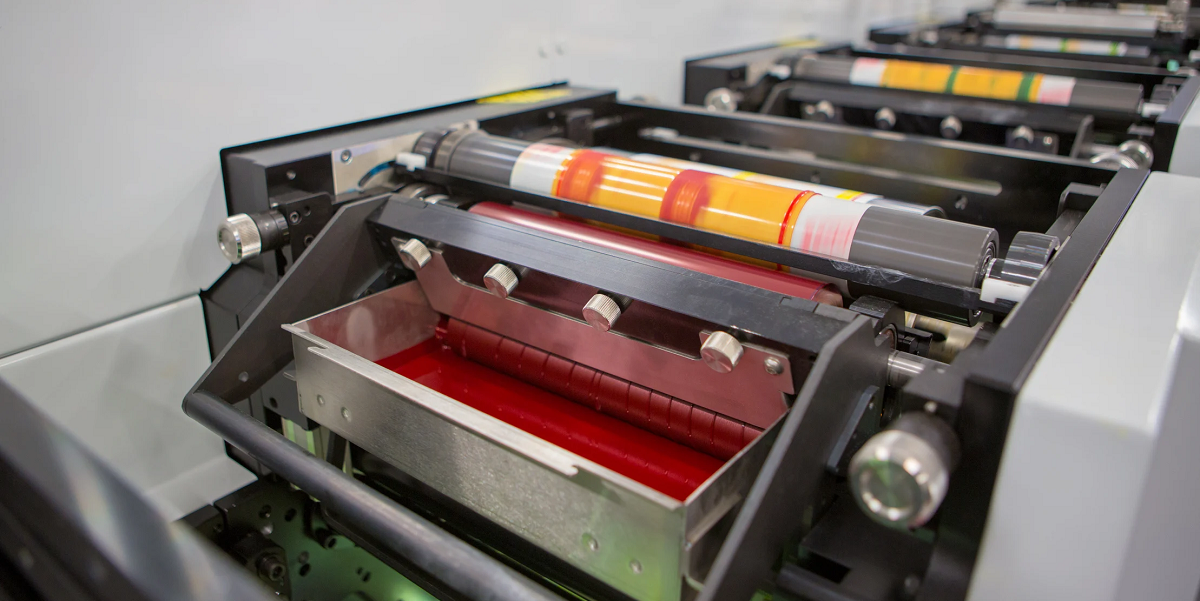
Flexographic printing is a relief printing process that uses flexible polymer plates. Ink is transferred from an anilox roller to the raised areas of the plate and then onto the substrate. Flexographic printing is highly adaptable and compatible with a wide range of materials, including paper, plastic films, and foils.
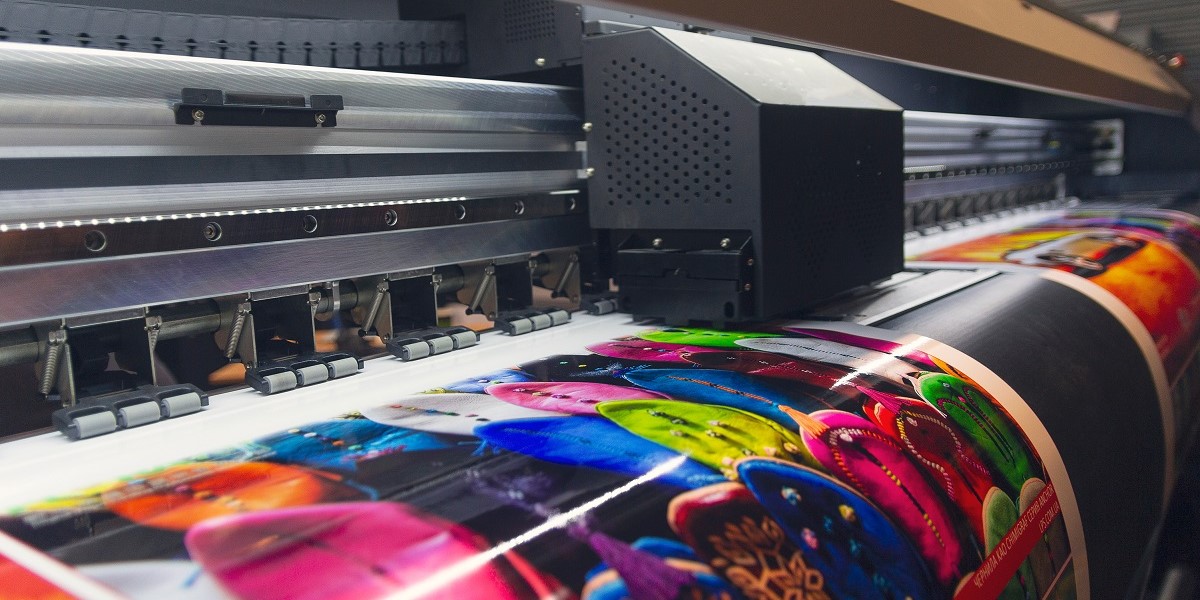
Digital printing is a non-contact printing process that transfers digital image data directly onto the substrate without the need for printing plates or cylinders. It is ideal for short runs, fast turnaround times, and highly customized packaging designs.
Each of these methods plays a unique role in modern packaging production.
2. What are their individual characteristics?
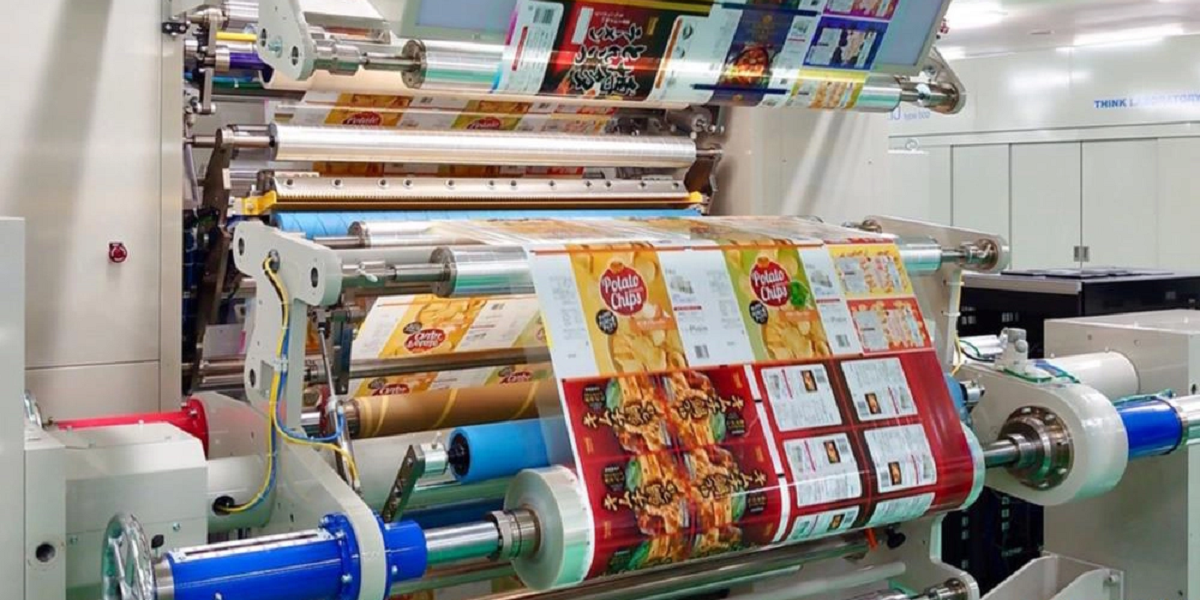
Gravure printing is characterized by ultra-high image quality, smooth gradients, and precise color reproduction. It performs exceptionally well on long production runs, where the high initial cost of cylinder engraving is offset by low per-unit printing costs. Gravure also offers excellent ink density and durability, making it ideal for premium packaging.
Flexographic printing is valued for its flexibility, efficiency, and scalability. It supports both short and medium production runs and can print on a wide variety of substrates. Advances in plate technology and ink systems have significantly improved print quality, making flexo suitable for both functional and visually demanding packaging.
Digital printing stands out for its speed, customization, and minimal setup. Since no plates or cylinders are required, digital printing enables rapid design changes, variable data printing, and on-demand production. While per-unit costs are higher for large volumes, digital printing is highly cost-effective for small batches and market testing.
3. Which industries are they suitable for respectively?
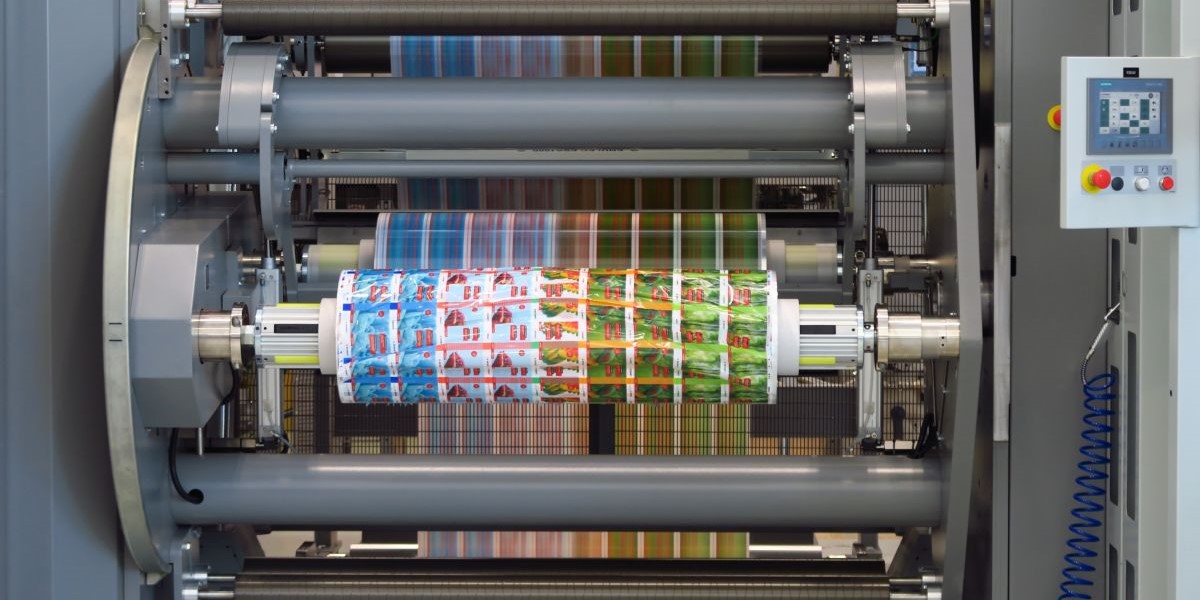
Gravure printing is commonly used in industries that require large-scale production and premium visual quality, such as food packaging, snack packaging, pet food packaging, personal care products, and tobacco packaging.
Flexographic printing is widely adopted across food, beverage, pharmaceutical, household, and industrial packaging. Its adaptability makes it suitable for labels, cartons, flexible pouches, and corrugated packaging.
Digital printing is especially popular in startups, e-commerce brands, promotional packaging, limited editions, and personalized products. It is also increasingly used for short-run food packaging, cosmetic samples, and seasonal campaigns.
4. How do you choose the right printing method among them?
Choosing the right printing method requires a holistic evaluation of your business and product needs.
If your project involves high volumes, long-term designs, and premium visual standards, gravure printing is often the best choice. For brands seeking a balance between quality, cost, and versatility, flexographic printing provides excellent value. If speed, customization, and low minimum order quantities are your priorities, digital printing offers unmatched flexibility.
Other factors to consider include budget, sustainability goals, time-to-market, substrate compatibility, and future scalability. Many brands even adopt a hybrid strategy, using different printing methods for different product lines or lifecycle stages.
FAQ
Is gravure printing better than flexographic printing?
Not necessarily. Gravure excels in long runs and premium quality, while flexographic printing is more flexible and cost-effective for diverse applications.
Can digital printing be used for food packaging?
Yes, modern digital inks and processes are food-safe and widely used for short-run food packaging.
Which printing method is the most eco-friendly?
Digital and modern flexographic printing often produce less waste, but sustainability depends on inks, substrates, and production scale.
Can I switch printing methods as my brand grows?
Absolutely. Many brands start with digital printing and transition to flexo or gravure as volumes increase.
Conclusion
Gravure, flexographic, and digital printing each offer distinct advantages that serve different packaging needs and business strategies. Understanding their characteristics, industry applications, and cost structures empowers brands to make informed decisions that balance quality, efficiency, and flexibility. By choosing the right printing method—or combining multiple approaches—you can enhance packaging performance, strengthen brand identity, and stay competitive in an evolving market.