Common Mistakes in Pet Packaging
Anna_Yu
Common Mistakes in Pet Packaging
Pet packaging has evolved far beyond the role of simply containing food or accessories. In today’s highly competitive and emotionally driven pet market, packaging represents safety, quality, responsibility, and brand values all at once. Pet owners increasingly view pets as family members, which means they apply the same—if not higher—standards to pet products as they do to products for themselves. As a result, any weakness in packaging design, material choice, or communication can quickly translate into lost trust and lost sales.
Despite this shift, many brands still approach pet packaging with outdated logic. Decisions are often driven by short-term cost savings, visual imitation of competitors, or incomplete understanding of regulatory and material science requirements. These missteps may not be immediately visible, but over time they manifest as product spoilage, customer complaints, compliance risks, and declining brand credibility. In a market where trust is critical, even small packaging mistakes can have outsized consequences.
This article provides a comprehensive, industry-focused analysis of the most common mistakes made in pet packaging today. From material selection and bag structure to printing choices and brand communication, we will examine where brands go wrong, why these mistakes happen, and how they affect both products and businesses. More importantly, we will outline practical, actionable strategies to avoid these pitfalls and build pet packaging that aligns with modern consumer expectations, regulatory standards, and long-term brand growth.
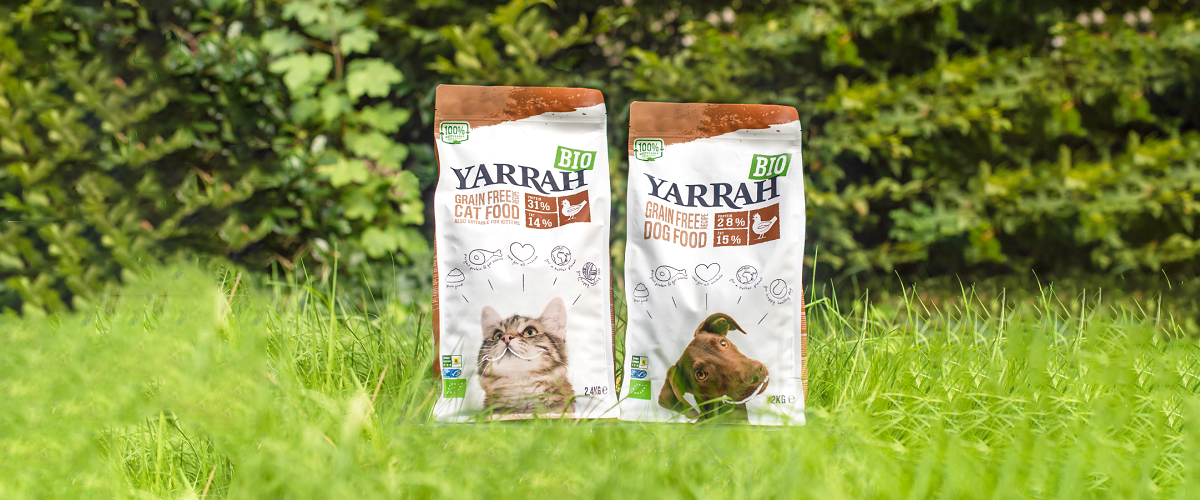
1.Mistakes Made in Material Selection
Material selection is the foundation of effective pet packaging, yet it is also the area where the most costly mistakes occur. Many brands underestimate how sensitive pet food and pet-related products are to environmental factors such as oxygen, moisture, light, and temperature. Choosing materials based purely on price or availability often leads to compromised performance.
One of the most common errors is selecting films with insufficient barrier properties. Dry pet food, treats, and functional supplements are particularly vulnerable to oxidation. When oxygen penetrates the packaging, fats can become rancid, aromas degrade, and nutritional value declines. Moisture ingress can cause kibble to soften, clump, or grow mold, while excessive light exposure can destroy vitamins and active ingredients.
Another mistake is ignoring product-specific requirements. Wet pet food, freeze-dried products, powders, oils, and chews all demand different material structures. Applying the same laminated film to all SKUs may simplify procurement, but it rarely delivers optimal protection. Retortable products require high-temperature resistance, while aromatic treats need superior aroma barriers. Failure to match materials to product needs leads to inconsistent quality and shorter shelf life.
Food safety compliance is also frequently overlooked. Pet food packaging must meet strict food-contact regulations in many regions, including limits on heavy metals, solvents, and migration substances. Using uncertified inks, adhesives, or recycled materials without proper validation introduces significant legal and reputational risks.
Finally, brands often misjudge sustainability. Some rely on complex multilayer materials that are difficult to recycle, while others switch to “eco-friendly” options without verifying performance. True sustainability in pet packaging requires balancing environmental responsibility with product protection—not sacrificing one for the other.
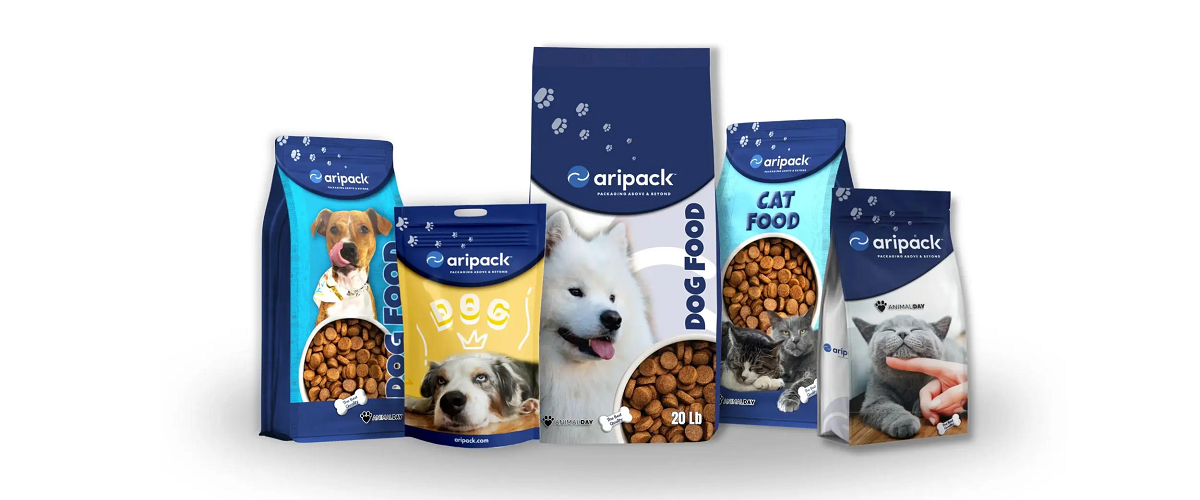
2.Mistakes Made in Choosing Packaging Bag Type
The structure of a packaging bag directly influences usability, logistics, and consumer satisfaction. Selecting the wrong bag type is a strategic error that affects both brand perception and operational efficiency.
A common mistake is mismatching bag strength with product weight. Large-format pet food bags require reinforced seals, thick laminates, and stable gussets. Lightweight pouch designs used for heavy products often fail during transportation or storage, resulting in leaks, broken seals, and retailer dissatisfaction. Conversely, over-engineering small packages increases costs and reduces competitiveness.
Resealability is another frequent point of failure. Dry pet food and treats are rarely consumed in one sitting, yet some brands omit zippers or sliders to reduce costs. This forces consumers to transfer food into secondary containers, weakening brand presence in the home and increasing the risk of spoilage. On the other hand, adding resealable features to single-use wet food packs adds unnecessary complexity and cost.
Storage behavior is often ignored. Pet owners value packaging that stands upright, pours cleanly, and fits into common storage spaces. Bags that collapse, tip over, or spill frustrate users and negatively impact brand loyalty. Shelf performance is equally important—unstable bags or awkward shapes reduce visibility and limit merchandising options.

3.Mistakes Made in Choosing Print Type
Printing is not just decoration; it is a critical communication tool. Poor printing decisions can undermine even the best material and structural choices.
One major mistake is prioritizing visual impact over clarity. Overly stylized fonts, low-contrast color schemes, and crowded layouts can make essential information difficult to read. Feeding guidelines, ingredient lists, expiration dates, and safety instructions must be immediately accessible to consumers.
Another error is selecting the wrong printing technology. Gravure printing is ideal for large volumes but inefficient for short runs. Digital printing offers flexibility but may have limitations in color consistency on certain substrates. Flexographic printing requires precise plate management. Choosing the wrong method increases costs and compromises quality.
Inconsistent branding across product lines is also common. Variations in color, layout, or finish confuse consumers and weaken brand recognition. Additionally, low-durability inks and finishes may scratch, fade, or peel, making products look worn before they are sold.
4.What Are the Consequences of Making These Mistakes?
The impact of poor pet packaging decisions extends far beyond aesthetics. Inadequate materials and structures shorten shelf life and increase waste. Seal failures and spoilage lead to customer complaints, returns, and negative reviews.
Regulatory non-compliance can trigger fines, recalls, or distribution bans. Perhaps most damaging of all is the loss of consumer trust. Pet owners are deeply protective of their animals, and any perceived risk to pet health can permanently damage a brand’s reputation. Short-term savings achieved through poor packaging choices often result in long-term financial losses.
5.What Can We Do to Avoid Making These Mistakes?
Avoiding common pet packaging mistakes requires a systematic, informed approach. Brands should begin with a thorough analysis of product characteristics, including sensitivity to oxygen, moisture, and light. Packaging design should always be product-driven.
Working with experienced packaging suppliers is essential. Professional partners bring technical expertise, regulatory knowledge, and testing capabilities. Comprehensive testing—such as seal strength, drop tests, and shelf-life simulations—should be conducted before mass production.
Sustainability should be approached strategically, selecting recyclable or reduced-material solutions that still meet performance requirements. Finally, consumer experience must remain central. Easy opening, resealability, clear information, and attractive design all contribute to stronger brand loyalty.
FAQ
Is pet food packaging subject to food safety regulations?
Yes. In many markets, pet food packaging must meet standards similar to human food packaging.
Are sustainable materials suitable for pet food?
They can be, provided they offer sufficient barrier protection and compliance certification.
Is resealable packaging always necessary?
Not always. It should align with product usage patterns and portion size.
Does packaging quality really influence purchasing decisions?
Absolutely. Packaging is a key factor in trust, perceived quality, and brand differentiation.
Conclusion
Pet packaging is no longer a secondary consideration—it is a critical component of product success. Common mistakes in material selection, bag structure, and printing can undermine safety, freshness, compliance, and brand trust. By understanding these pitfalls and adopting a product-focused, consumer-centric packaging strategy, brands can avoid costly errors and position themselves for long-term growth. In a market driven by care and responsibility, well-designed pet packaging is not just an advantage—it is a necessity.