Comparison of White Kraft Paper and Brown Kraft Paper
Anna_Yu
Comparison of White Kraft Paper and Brown Kraft Paper
Kraft paper has long been one of the most widely used materials in packaging, especially in food, retail, and eco-conscious branding. Among the many variations available on the market, white kraft paper and brown kraft paper are the two most common choices. Although they originate from the same basic raw material—wood pulp—their appearance, processing methods, cost structure, and application scenarios differ in meaningful ways.
As brands place greater emphasis on sustainability, shelf appeal, and brand storytelling, the choice between white and brown kraft paper has become more strategic than ever. Brown kraft paper is often associated with naturalness, authenticity, and environmental responsibility, while white kraft paper is commonly linked to cleanliness, premium aesthetics, and refined branding. These perceptions directly influence consumer psychology and purchasing behavior.
From a manufacturing perspective, differences in bleaching processes, fiber treatment, and surface finishing affect not only visual appearance but also printing performance, durability, and price. For businesses selecting packaging materials, understanding these differences is essential to balancing cost, functionality, and brand image.
In this article, we will provide a clear and practical comparison between white kraft paper and brown kraft paper. We will explore how they differ, why their prices are not the same, whether durability varies between them, and how to choose the right kraft paper color for your specific product and market positioning.
What are the differences between white kraft paper and brown kraft paper?
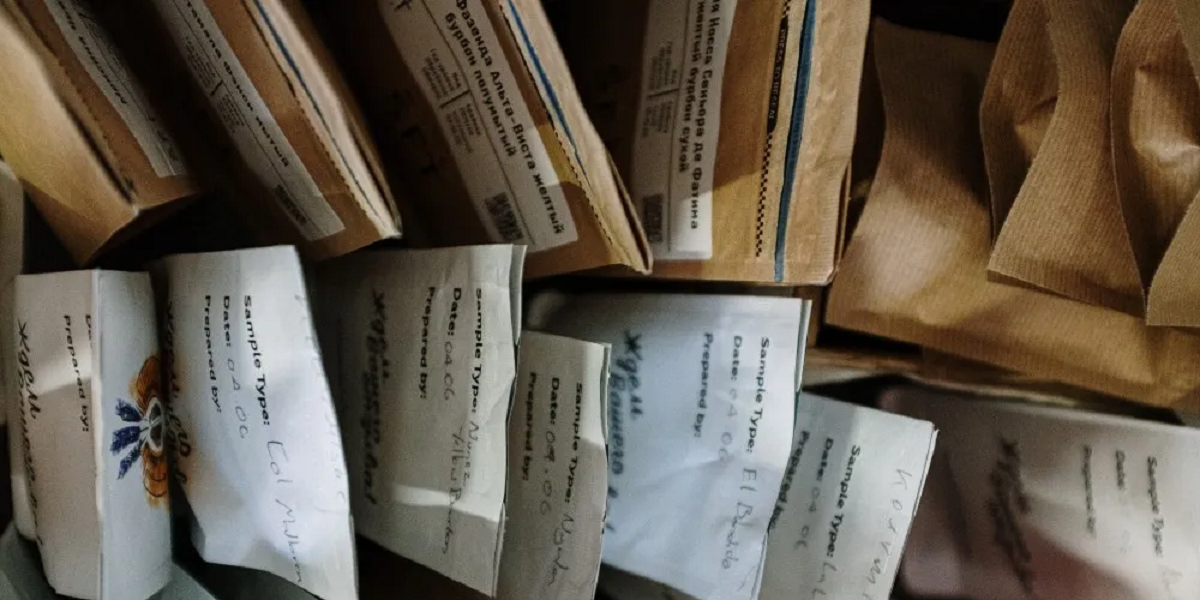
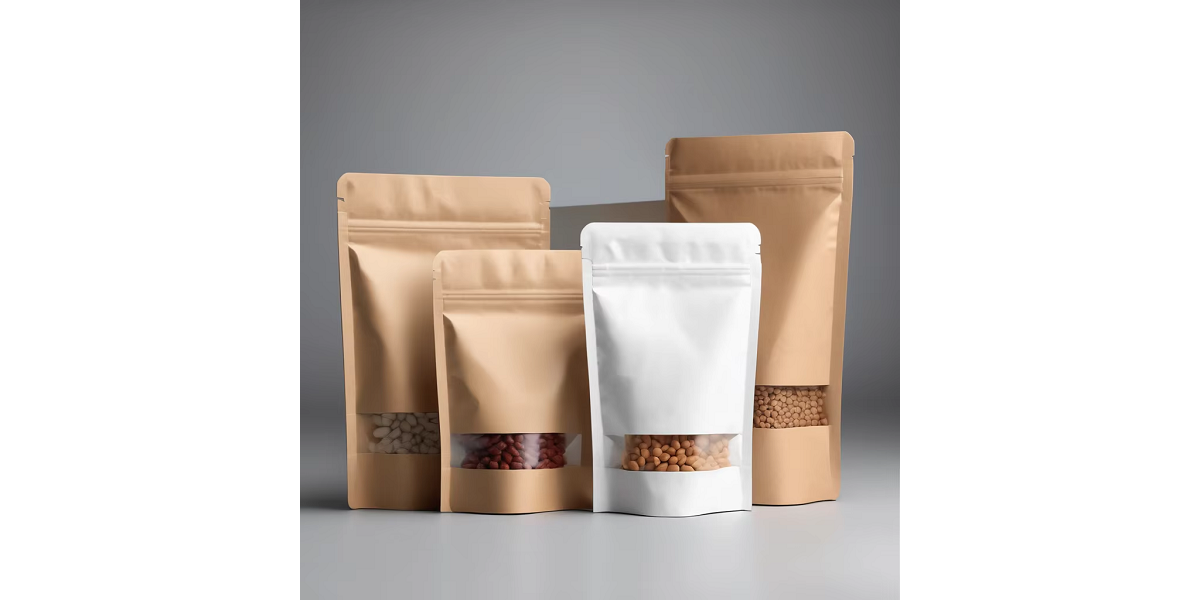
The most obvious difference between white kraft paper and brown kraft paper lies in their appearance, but this visual distinction is the result of deeper manufacturing differences.
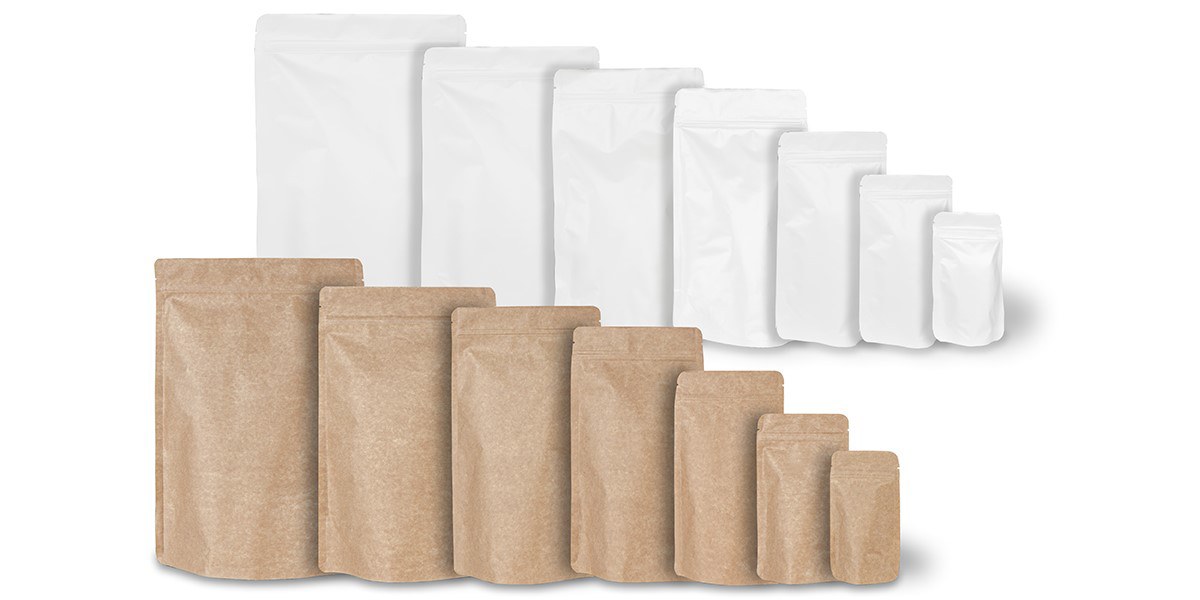
Brown kraft paper is produced using unbleached or minimally processed wood pulp. This allows the natural brown color of the fibers to remain visible, giving the paper a rustic and organic look. White kraft paper, on the other hand, undergoes additional bleaching and refining processes to remove lignin and pigments, resulting in a brighter and more uniform surface.
Beyond color, surface texture also differs. White kraft paper generally has a smoother and more even surface, making it more suitable for high-resolution printing and complex graphics. Brown kraft paper typically has a slightly rougher texture, which works well for minimalist designs, black ink printing, and natural branding themes.
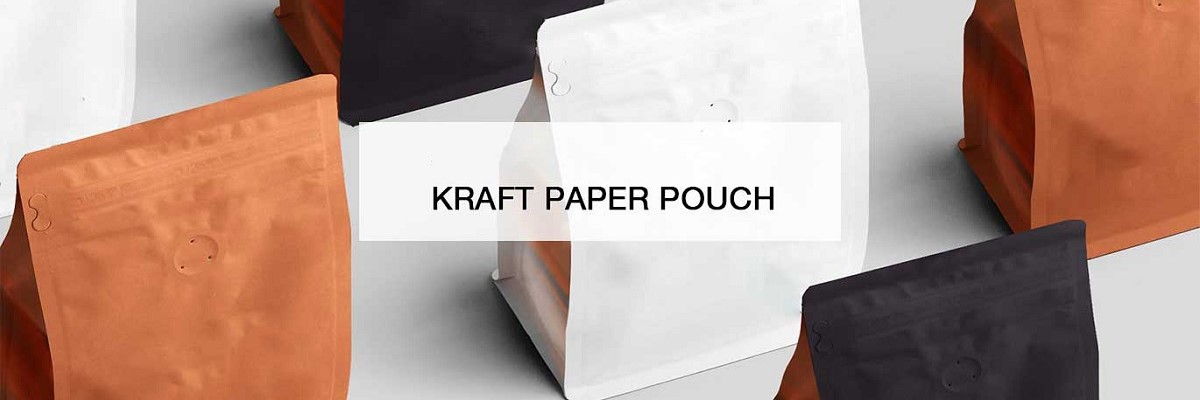
In terms of perception, brown kraft paper is strongly associated with sustainability and eco-friendliness, while white kraft paper is often perceived as cleaner, more premium, and more versatile for modern branding.
Why are their prices different?
Price differences between white kraft paper and brown kraft paper are primarily driven by processing complexity and production costs.
White kraft paper requires additional steps such as bleaching, washing, and chemical treatment. These processes consume more energy, water, and chemicals, which directly increases production costs. Strict environmental controls are also required during bleaching, further adding to expenses.
Brown kraft paper skips or minimizes these steps, making its manufacturing process simpler and more cost-efficient. As a result, brown kraft paper is generally more affordable, especially for large-volume packaging applications.
Market demand also plays a role. White kraft paper is often used for premium packaging, custom printing, and branded products, where higher margins can absorb the added cost. Brown kraft paper is commonly chosen for bulk packaging, eco-friendly brands, and cost-sensitive applications.
Are there any differences in their durability?
In terms of structural strength, both white and brown kraft paper are made from long wood fibers, which provide excellent tensile strength and tear resistance. However, there are subtle differences.
Brown kraft paper often retains more natural fiber strength because it undergoes less chemical processing. This can result in slightly better tear resistance and toughness, especially in heavier paper weights.
White kraft paper, while still strong, may experience a minor reduction in fiber integrity due to bleaching. That said, high-quality white kraft paper is engineered to maintain sufficient durability for most packaging needs, including food bags, shopping bags, and laminated pouches.
In laminated packaging applications—such as kraft paper combined with PE, PET, or aluminum foil—the durability difference between white and brown kraft paper becomes negligible, as the laminated layers provide additional strength and barrier performance.
How to choose the right kraft paper color for your product?
Choosing between white kraft paper and brown kraft paper should be guided by brand positioning, product type, printing needs, and target consumers.
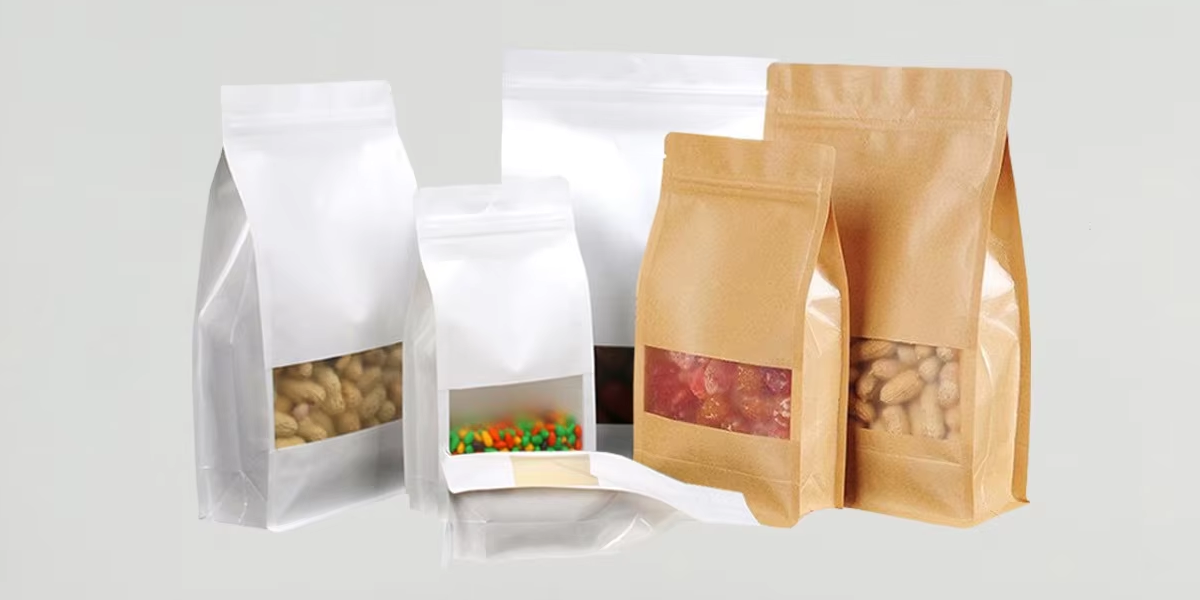
If your brand emphasizes sustainability, organic values, or handmade authenticity, brown kraft paper is often the better choice. It visually reinforces eco-friendly messaging and aligns well with natural food products, coffee, tea, and artisanal goods.
If your product requires detailed graphics, vibrant colors, or a clean and premium look, white kraft paper is more suitable. It provides a neutral background that enhances color accuracy and supports complex branding designs.
Cost considerations are also important. For large-scale packaging or price-sensitive products, brown kraft paper offers a more economical solution. For premium products with higher perceived value, white kraft paper can help justify a higher price point.
Ultimately, the right choice depends on how well the material supports your brand story and functional requirements.
FAQ
Is brown kraft paper more eco-friendly than white kraft paper?
Generally yes, because it requires less chemical processing and energy during production.
Can white kraft paper be recycled?
Yes, white kraft paper is recyclable, although the bleaching process may slightly affect recyclability efficiency.
Which kraft paper is better for food packaging?
Both are suitable when food-grade certified and often laminated with protective layers.
Does brown kraft paper always cost less?
In most cases yes, but pricing can vary depending on paper weight, supplier, and market conditions.
Conclusion
White kraft paper and brown kraft paper each offer distinct advantages in packaging applications. Brown kraft paper stands out for its natural appearance, lower cost, and strong eco-friendly appeal, while white kraft paper excels in print quality, visual cleanliness, and premium branding potential. Understanding their differences in processing, price, durability, and perception allows brands to make informed decisions that align with both functional needs and marketing goals. By choosing the right kraft paper color, businesses can enhance product presentation, strengthen brand identity, and better connect with their target audience.