Comprehensive Guide to Snack Packaging
Anna_Yu
Comprehensive Guide to Snack Packaging
Snack packaging has evolved from a simple protective layer into a strategic business tool that directly influences product quality, brand perception, and consumer purchasing decisions. In today’s fast-moving consumer goods market, snacks are no longer just about taste—they are about convenience, freshness, visual appeal, sustainability, and emotional connection. Whether it is chips, nuts, candies, biscuits, or functional snacks, packaging determines how long a product stays fresh, how it looks on the shelf, and whether consumers feel confident choosing it.
The global snack industry is highly competitive, with thousands of products fighting for attention in limited retail space. This makes packaging the first point of contact between a snack brand and its customers. A well-designed package can communicate quality, flavor, and brand values within seconds, while poor packaging can cause even a great product to be overlooked. At the same time, snack packaging must meet strict requirements for food safety, barrier performance, logistics efficiency, and cost control.
Modern snack packaging relies heavily on flexible packaging solutions, which offer excellent barrier properties, lightweight structures, and unmatched design flexibility. Advances in materials, printing technologies, and sustainability initiatives have transformed snack packaging into a powerful driver of growth. As consumer expectations continue to rise, understanding the full role of snack packaging is essential for brands that want to remain competitive.
This comprehensive guide explores why snack packaging matters, the materials used, the role of design in marketing, its influence on consumer behavior, and practical strategies to make your snack packaging stand out in a crowded market.

1. Why is packaging so important for snacks?
Packaging is critical for snacks because it directly affects product freshness, safety, shelf life, and consumer trust. Snacks are often sensitive to moisture, oxygen, light, and physical damage. Without proper packaging, products can quickly lose their crunch, flavor, or nutritional value.
From a commercial perspective, snack packaging also plays a vital role in logistics and distribution. Well-designed packaging protects snacks during transportation, stacking, and storage, reducing product loss and waste. Lightweight and space-efficient packaging formats help lower shipping costs and improve supply chain efficiency.
Equally important is the psychological impact of packaging. Consumers often associate packaging quality with product quality. A strong, well-sealed, and visually appealing snack package signals freshness, hygiene, and reliability, increasing the likelihood of purchase.
2. What materials can be used for snack packaging?
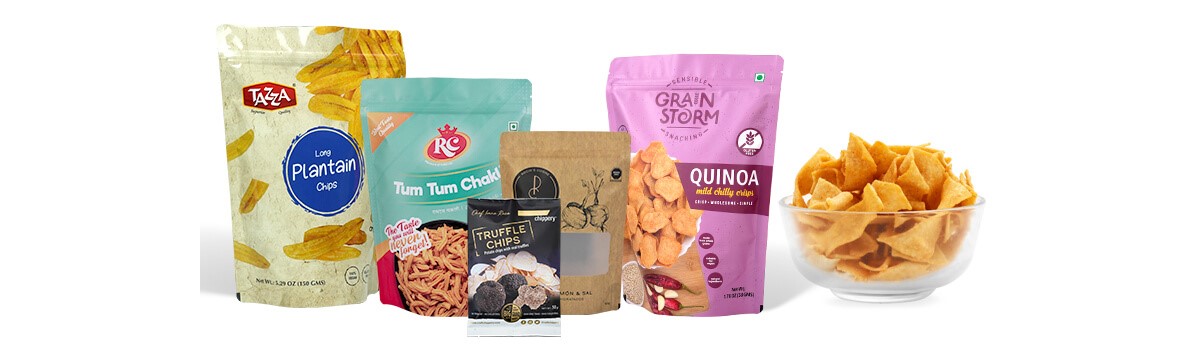
Snack packaging materials are selected based on the specific needs of the product, including barrier requirements, shelf life, and cost considerations. The most commonly used materials include plastic films, aluminum foil, paper-based laminates, and composite structures.
Plastic films such as BOPP, PET, CPP, and PE are widely used due to their flexibility, durability, and excellent sealing performance. Aluminum foil or metallized films are often added to improve oxygen and light barriers, especially for snacks that are sensitive to oxidation.
Paper-based laminated materials are increasingly popular for brands seeking a more natural or eco-friendly appearance. While paper alone does not provide sufficient barrier protection, laminated structures combine the visual appeal of paper with the functional performance of plastic films.
3. What role does snack packaging design play in marketing?
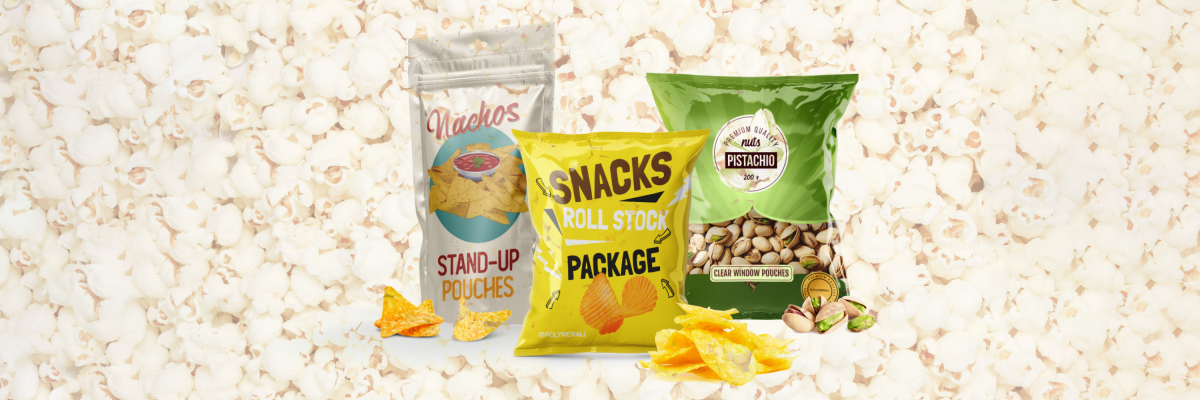
Snack packaging design is one of the most powerful marketing tools available to brands. In a retail environment where consumers make decisions in seconds, packaging design acts as a silent salesperson.
Colors, typography, imagery, and structural design all contribute to how a snack is perceived. Bright colors and bold graphics often communicate fun and indulgence, while minimalist designs suggest premium quality or health-focused positioning. Transparent windows can build trust by allowing consumers to see the product inside.
Beyond aesthetics, packaging design also communicates brand values. Sustainable materials, clear labeling, and thoughtful messaging can strengthen emotional connections with consumers and increase brand loyalty.
4. How does snack packaging influence consumer behavior?
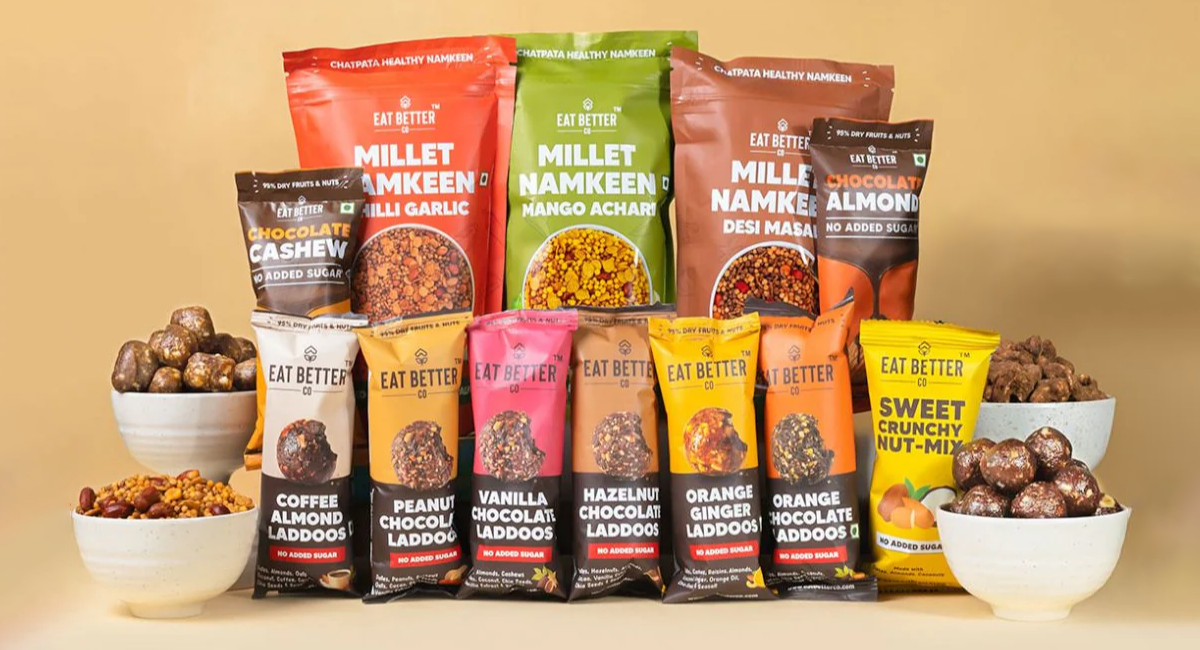
Snack packaging strongly influences consumer behavior by shaping first impressions, emotional responses, and perceived value. A well-designed package can attract attention, convey freshness, and justify a higher price point.
Functional features such as resealable zippers, easy-tear notches, and portion control designs enhance user experience and encourage repeat purchases. Consumers are more likely to choose snacks that are convenient and easy to store after opening.
Packaging also influences trust. Clear ingredient lists, certifications, and quality claims displayed prominently on the package reassure consumers and reduce hesitation during purchase decisions.
5. How can you make your snack packaging more competitive?
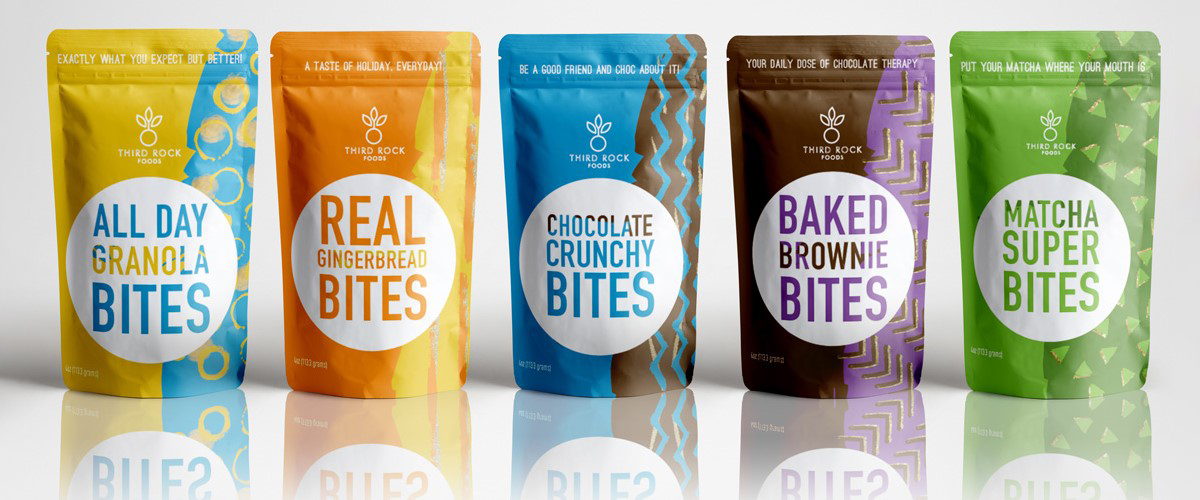
To make snack packaging more competitive, brands must balance functionality, design, cost, and sustainability. Choosing the right packaging structure ensures product freshness while avoiding unnecessary material costs.
Investing in high-quality printing techniques, such as gravure or digital printing, can elevate brand presentation and improve shelf impact. Custom shapes, matte or glossy finishes, and tactile elements can further differentiate products.
Sustainability is another key factor. Recyclable materials, reduced plastic usage, and clear environmental messaging can appeal to eco-conscious consumers and future-proof your brand in an evolving regulatory landscape.
FAQ
Why do most snack brands use flexible packaging?
Flexible packaging offers excellent barrier protection, lightweight design, and high customization flexibility.
Is snack packaging recyclable?
Many modern snack packaging solutions are moving toward recyclable or mono-material structures.
How important is resealable packaging for snacks?
Resealable features significantly improve convenience and help maintain freshness after opening.
Does packaging really affect snack sales?
Yes, packaging directly impacts shelf visibility, consumer trust, and purchasing decisions.
Conclusion
Snack packaging is far more than a protective container—it is a strategic asset that influences freshness, branding, consumer behavior, and long-term competitiveness. By carefully selecting materials, investing in thoughtful design, and aligning with future trends such as sustainability and convenience, brands can turn packaging into a powerful growth engine. In a crowded snack market, the right packaging does not just support the product—it defines its success.