Cookie Packaging Guide
Anna_Yu
Cookie Packaging Guide
When you reach for a cookie, what you’re really holding is the result of a complex chain of craftsmanship, logistics, and packaging design. The seemingly simple act of enjoying a cookie hides the intricate work that ensures freshness, texture, and taste remain intact from production to consumer. In this guide, I’ll walk you through everything you need to know about cookie packaging — from what it is and the challenges in cookie storage to how clever packaging solves those issues and the key functions high-quality packaging must serve.
1. What is cookie packaging?
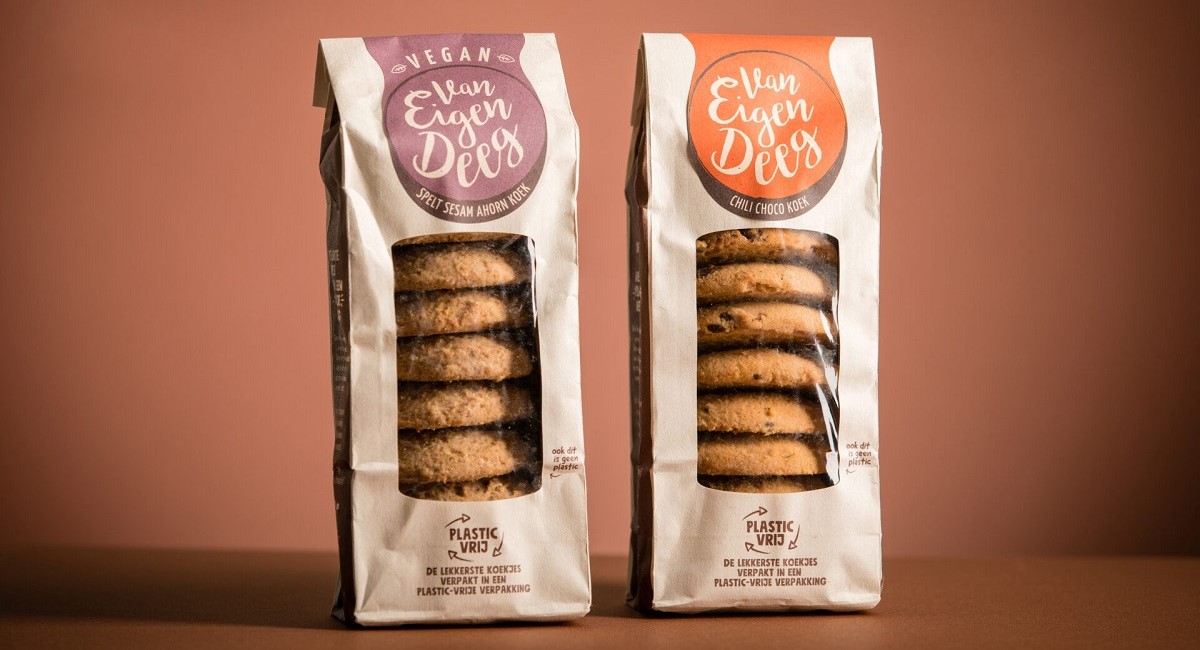
Cookie packaging refers to the materials, designs, and systems used to protect, present, preserve, and transport cookies (whether crunchy biscuits, soft baked cookies, sandwich cookies, or gourmet specialty cookies). It is far more than a decorative wrapper — it is a carefully engineered protective envelope that safeguards the product’s sensory qualities, ensures structural integrity, supports brand storytelling, and meets logistical demands.
Cookie packaging must accomplish several critical tasks:
- Provide a barrier against moisture, oxygen, light, and external contamination, which can all degrade cookie quality.
- Maintain and protect texture (crispness for crunchy types, softness for chewy varieties).
- Allow for efficient production, filling, sealing, and shipping while keeping costs and waste low.
- Create strong brand identity, shelf appeal, and user convenience, enhancing purchase decisions in a competitive market.
- Adapt to varying formats — single-serve pouches, multi-pack cartons, recessed trays, resealable bags, so as to match consumer usage patterns.
In terms of format, cookie packaging can include:
- Rigid boxes or cartons for premium gift cookies.
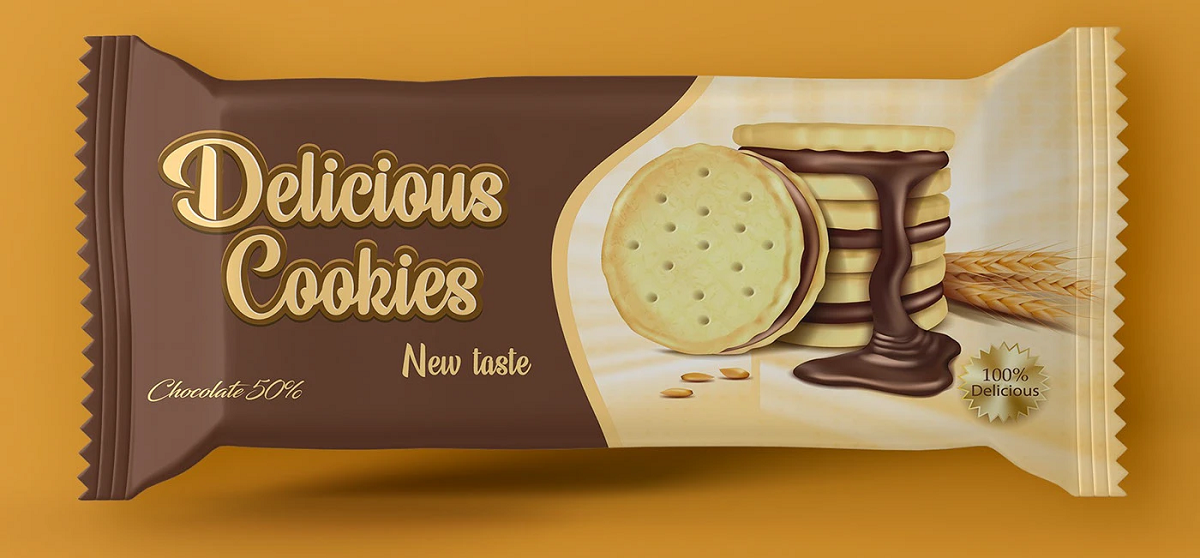
- Laminated flexible pouches (stand-up, flat, gusseted) for snack cookies.
- Flow wrap or individual wrappers for single-serve cookies.
- Tray + film seal combinations for fresh-bake or display formats.
- Windowed envelopes or bags to showcase the product while maintaining protection.
The packaging design influences everything from shelf visibility to shipping durability to final consumer satisfaction. For example, a poorly sealed bag may allow moisture ingress, causing a once-crisp cookie to turn stale before it reaches the consumer — a missed user experience, a potential refund, and brand damage. Conversely, a well-engineered packaging solution keeps the cookie fresh, enhances brand perception, and reduces returns. In my experience, brands that invest in tailored cookie packaging see higher repeat purchase rates, fewer quality complaints, and stronger shelf presence.
2. What are the problems faced in cookie storage?
Cookies may seem resilient, but they are quite sensitive when it comes to storage and shelf life. The challenges fall into several key categories that packaging must address:
2.1 Moisture absorption and texture degradation
Cookies that are intended to be crisp will absorb humidity, become soft and lose their crunch. Conversely, soft or chewy types may dry out and become brittle. Moisture is the enemy of texture stability.
2.2 Oxygen contact and staleness
Exposure to oxygen triggers oxidation of fats and oils in cookies, leading to rancidity, off-flavors, and loss of aroma. Even minimal permeation can degrade quality over weeks.
2.3 Light and heat degradation
Cookies with chocolate coatings, fillings, nuts or caramel are sensitive to light and heat. UV radiation can degrade colors or cause visual blemishes; heat can undermine structural integrity or promote melting and spoilage.
2.4 Physical breakage and crumbs
Cookies are fragile items. During transportation, handling, and retail display, physical shocks or compression can cause them to crumble, break, or lose shape — which negatively impacts perceived quality.
2.5 Flavor migration and cross-contamination
Cookies with fillings or flavored coatings may experience migration of aroma or flavor to the packaging or adjacent products. Also, strong odors in the environment (such as from citrus or spices) may affect delicate cookies if packaging lacks sufficient barrier properties.
2.6 Shelf instability and expiry
Without proper packaging, cookies may have dramatically shortened shelf life. Some may lose quality in days rather than weeks. Consumer complaints may escalate, and brand reputation suffers.
2.7 Aesthetic and functional mismatch
Even when the cookie inside is high quality, poor packaging design (hard to open, no reseal, opaque, generic design) may reduce perceived premium value, limit repeat purchases, and hinder brand growth.
By understanding these storage challenges, packaging designers can select materials, formats, and closure systems that directly address them. That’s the difference between a cookie that arrives fresh and enjoyable and one that underperforms on the shelf.
3. How does cookie packaging solve these problems?
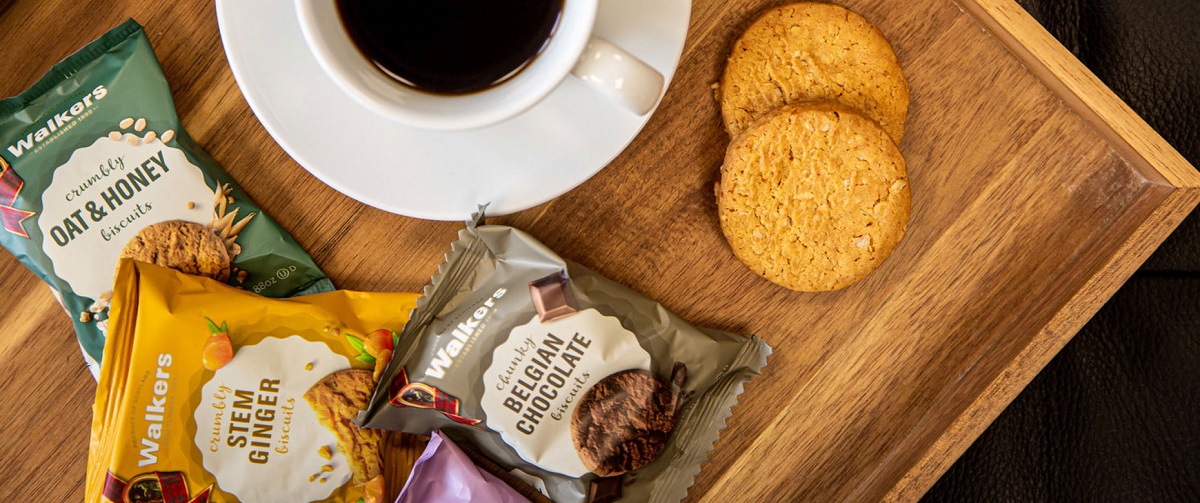
Packaging solutions for cookies are tailored to overcome the exact issues outlined above. Effective cookie packaging uses a combination of barrier materials, structural design, user-features, and branding to preserve quality and maximize consumer appeal.
3.1 Barrier material selection
Using high-barrier films is essential. For example:
| Issue | Packaging Solution |
|---|---|
| Moisture ingress | Laminated films with EVOH, metallized PET or foil layers; inner PE sealing layer |
| Oxygen exposure | Oxygen scavengers, nitrogen flushing, multi-layer laminates |
| Light sensitivity | Opaque films, foil laminates, tinted windows |
| Aroma preservation | Odor-barrier films, tight seals |
By choosing materials such as PET/AL/PE or Kraft/AL/PE, manufacturers can extend shelf life dramatically — from weeks to months.
3.2 Structural and protective design
To prevent breakage:
- Use stand-up pouches with thick layers or internal trays to cushion cookies.
- Employ flow-wrap for individual cookies to minimize handling damage.
- Incorporate side gussets or box pouches that resist crushing during transit.
- Use insufficient fill-space or internal support to reduce movement inside the bag.
3.3 Sealing and closure systems
Seals are critical. They must remain intact throughout logistics. Features include:
- Heat-seals with sufficient width and strength, tested for bursts and leaks.
- Resealable zippers or sliders so consumers maintain freshness after opening.
- Tear notches or easy-open features that provide convenience without compromising barrier integrity.
3.4 Convenience and user-experience
Packaging adds value when it aligns with how consumers use cookies:
- Resealable pouches allow snack consumption over multiple sittings.
- Transparent windows let customers see the product inside — enhancing trust.
- Portion-packs or single-serves make cookies convenient for on-the-go use.
- Gift boxes or premium pouches elevate brand perception during holidays.
3.5 Branding and emotional engagement
High-quality packaging supports marketing and brand strategy:
- Use of metallic foils, embossing, and soft-touch finishes communicates premium quality.
- Adding storytelling, origin labels, flavor call-outs helps consumers connect.
- Limited-edition packaging (seasonal themes) drives impulse purchase and collectibility.
3.6 Sustainability considerations
Modern consumers expect packaging that delivers performance and environmental responsibility:
- Use mono-material films or easily recyclable laminates.
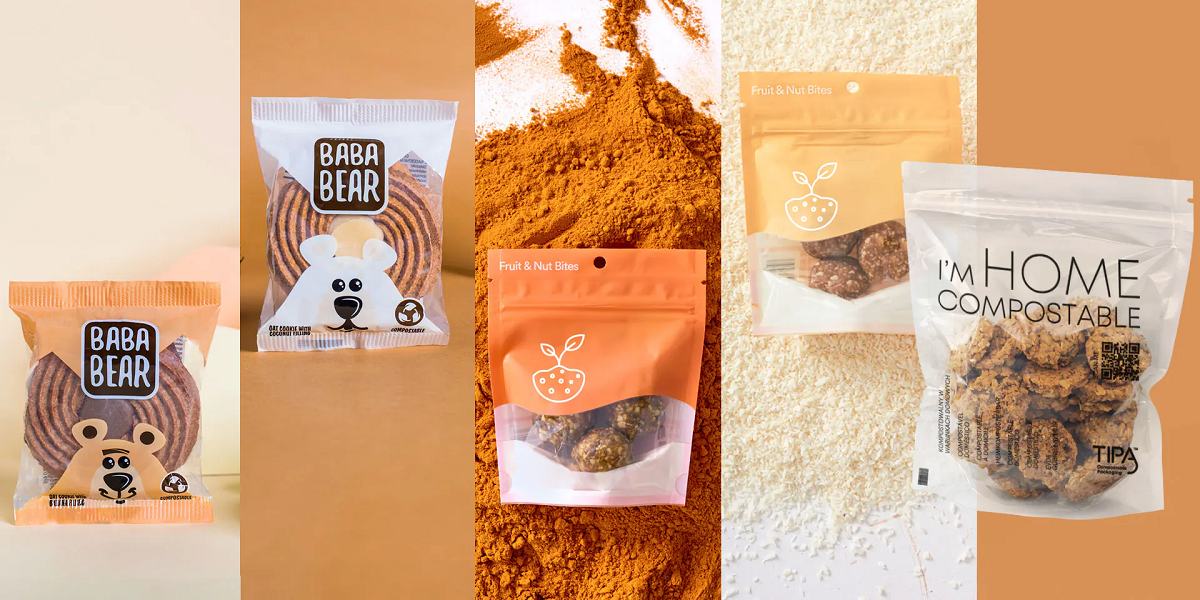
- Incorporate compostable outer films or paper-based pouches.
- Clearly mark “resealable and recyclable” features to build credibility.
3.7 Platform performance
For e-commerce and omni-channel retail, packaging must also:
- Be designed for shipping durability, not just in-store display.
- Maintain integrity in automated sortation, robotic handling, and long storage periods.
- Provide consumer feedback loops such as QR codes for authenticity or provenance.
By integrating these solutions, cookie packaging becomes a comprehensive tool that protects, presents, sells and sustains the product and the brand.
4. What are the functions of high-quality cookie packaging?
When packaging is executed at a high standard, it serves multiple functions beyond merely containing the product. Here are the key functions impeccable cookie packaging should deliver:
4.1 Preservation of texture and flavor
High-barrier packaging retains crunch, taste and aroma for the promised shelf life. Cookies packaged in high-quality pouches maintain sensory quality comparable to “freshly baked” even after transport.
4.2 Brand communication and shelf impact
Visually striking packaging communicates brand values and product positioning. For example, a minimalist, natural-look kraft pouch suggests artisanal ingredients; a glossy, jewel-colored bag suggests indulgence.
4.3 User convenience and satisfaction
Features like resealable closures, portion-packs, or on-the-go formats improve usability and encourage repeat purchases. User-friendly packaging builds loyalty.
4.4 Logistics efficiency
Flexible pouches require less material, weigh less, and occupy less volume than rigid boxes. This translates into shipping cost savings, reduced carbon footprint, and improved supply-chain efficiency.
4.5 Sustainability and environmental responsibility
Premium packaging supports eco-claims. High-quality solutions might include:
- Recyclable or compostable films
- Reduced material thickness without losing barrier
- Minimal ink coverage and eco-friendly printing processes
These practices not only appeal to conscious consumers but also future-proof brands against regulatory pressure.
4.6 Protection from damage and tampering
Premium packaging is engineered for high performance — strong seals, puncture resistance, tamper-evident features. This protects brand reputation and reduces waste from damaged goods or returns.
4.7 Storytelling and consumer engagement
A well-designed pack tells a story: origin of ingredients, tasting notes, heritage, or eco-credentials. Incorporating QR codes, interactive elements, limited-edition artwork elevates packaging from container to engagement tool.
4.8 Differentiation and premium positioning
In a crowded cookie aisle, packaging distinguishes your product. Premium materials, unusual shapes, windowed designs, novelty closures — all help a product stand out and justify higher price points.
4.9 Shelf-life assurance and trust building
When packaging transparently promises freshness and delivers it, consumer trust grows. Trust drives word-of-mouth, repeat purchase, and brand advocacy. A cookie pack that fails to preserve freshness undermines all of these outcomes.
Conclusion
Cookie packaging is far more than just a wrapper — it’s a carefully engineered system that protects the product, expresses the brand, and enhances the user experience. From addressing storage challenges like moisture and oxygen ingress, to offering convenience, shelf impact and sustainability, high-quality packaging plays a central role in the modern confectionery market.
If I were advising a brand today, I would emphasise three key priorities:
- Barrier and structural performance – choose materials and pouch formats that truly protect texture and flavor.
- User-centric design – provide openings, resealability, portions and aesthetics that reflect consumer use.
- Sustainability without compromise – adopt packaging innovations that reduce environmental impact while preserving performance.
By aligning these priorities, cookie brands can create packaging that not only keeps cookies fresh and enjoyable but also communicates quality, commands shelf presence, and builds long-term consumer loyalty. After all, the cookie in your hand isn’t just delicious — it’s the result of smart packaging craftsmanship.