Detailed Analysis of Zipper Bags For Clothing
Anna_Yu
Detailed Analysis of Zipper Bags For Clothing
Clothing packaging has undergone a significant transformation over the past decade, and zipper bags have become one of the most important tools in modern apparel packaging strategies. What once served as a simple protective layer has now evolved into a functional, branding, and logistics solution that directly impacts customer experience, operational efficiency, and brand perception. As apparel retail becomes increasingly competitive—both online and offline—the role of packaging is no longer secondary.
Zipper bags for clothing are now widely used across fast fashion, premium apparel, sportswear, underwear, and even luxury garment segments. Consumers expect clothing to arrive clean, wrinkle-free, well-presented, and easy to store after opening. At the same time, retailers need packaging that supports mass production, reduces return damage, lowers logistics costs, and aligns with sustainability goals.
The rise of e-commerce has further accelerated the adoption of zipper bags. Unlike traditional polybags or paper wraps, zipper bags offer resealability, durability, and reuse value. They protect garments from dust, moisture, odors, and handling damage throughout the supply chain—from factory to warehouse to the consumer’s doorstep. For brands, zipper bags also provide a printable surface for logos, sizing information, barcodes, and compliance markings.
In this detailed analysis, we will explore what clothing zipper bags are, why they matter so much to retailers, the materials commonly used, and how zipper bag design and material choices will evolve as we approach 2026. Whether you are a fashion brand, manufacturer, or packaging decision-maker, understanding these dynamics will help you make smarter, future-proof packaging choices.
1. What is a zipper bag for clothing?
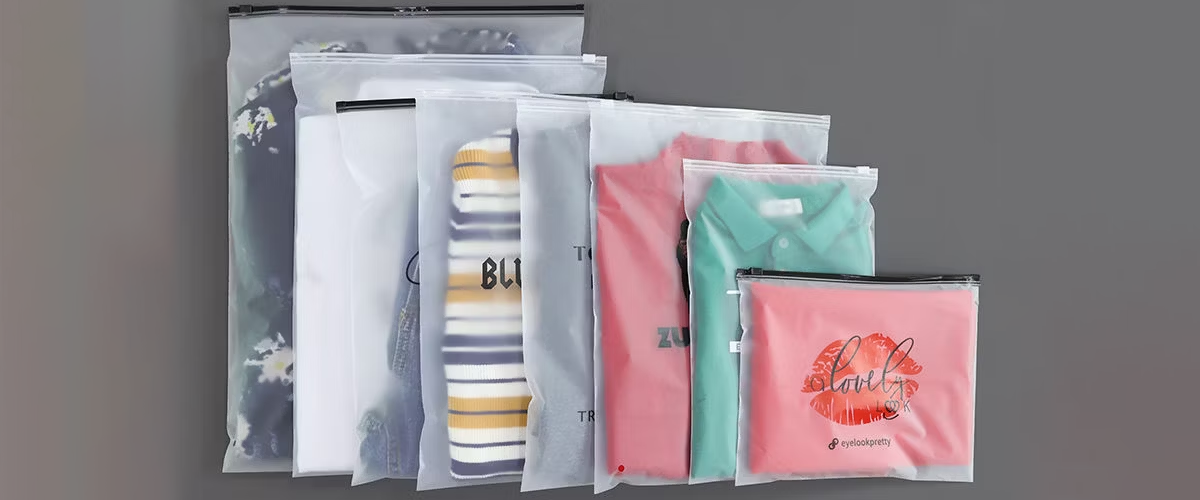
A zipper bag for clothing is a flexible packaging pouch equipped with a resealable zipper closure, specifically designed to store, protect, and present garments. Unlike disposable polybags that are torn open and discarded, zipper bags allow repeated opening and closing without compromising the integrity of the package.
These bags are typically used for items such as T-shirts, hoodies, pants, underwear, lingerie, activewear, and accessories. Depending on the application, zipper bags can be transparent, frosted, printed, or partially opaque. Some include air holes for compression, while others focus on airtight sealing for premium presentation.
From a structural perspective, most clothing zipper bags are flat pouches with top zippers, though stand-up zipper bags are increasingly used for folded garments or retail shelf display. Their simplicity, combined with functional upgrades, makes them one of the most versatile packaging formats in the apparel industry.
2. Why are zipper bags so important to clothing retailers?
Zipper bags address multiple pain points faced by modern clothing retailers. First and foremost, they protect garments throughout the supply chain. Clothing is highly vulnerable to dust, moisture, friction, and contamination during storage and transportation. A sealed zipper bag significantly reduces these risks.
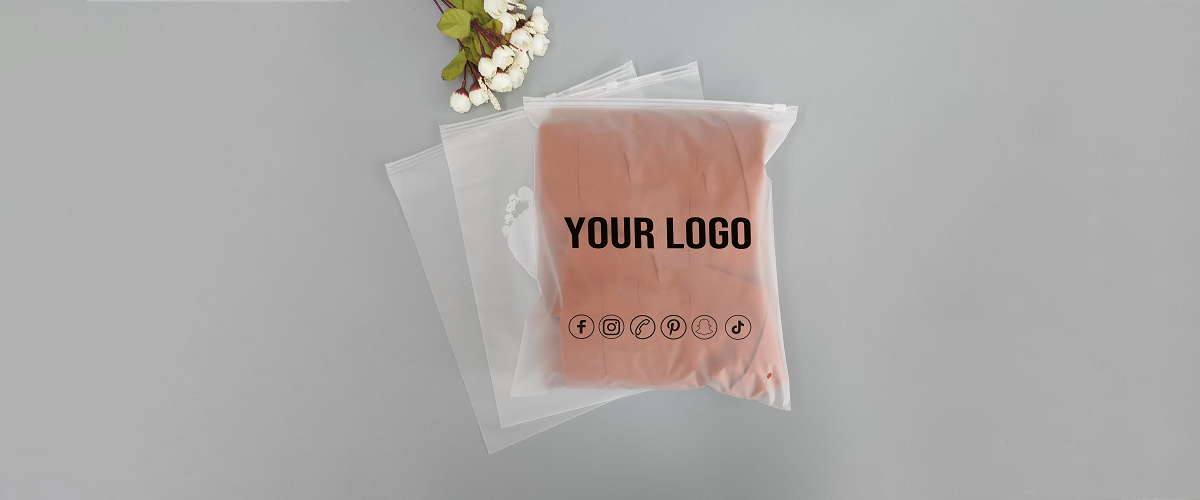
Secondly, zipper bags enhance customer experience. Consumers appreciate packaging that feels reusable and intentional. Many buyers reuse zipper bags for travel, storage, or laundry organization, extending brand visibility beyond the initial purchase. This reuse factor subtly increases brand recall and perceived value.
From an operational standpoint, zipper bags support easier inventory management. Size labels, barcodes, and SKUs printed directly on the bag reduce the need for additional tagging. The resealable design also minimizes repackaging during returns, which is especially important for e-commerce-heavy brands.
Finally, zipper bags align with premium branding strategies. Compared to disposable polybags, they signal quality, care, and professionalism—qualities that consumers increasingly associate with trustworthy brands.
3. What materials are typically used in clothing zipper bags?
Material selection is a critical factor in zipper bag performance. The most commonly used materials include LDPE, HDPE, EVA, PP, and composite films. Each material offers different advantages in terms of clarity, flexibility, strength, and sustainability.
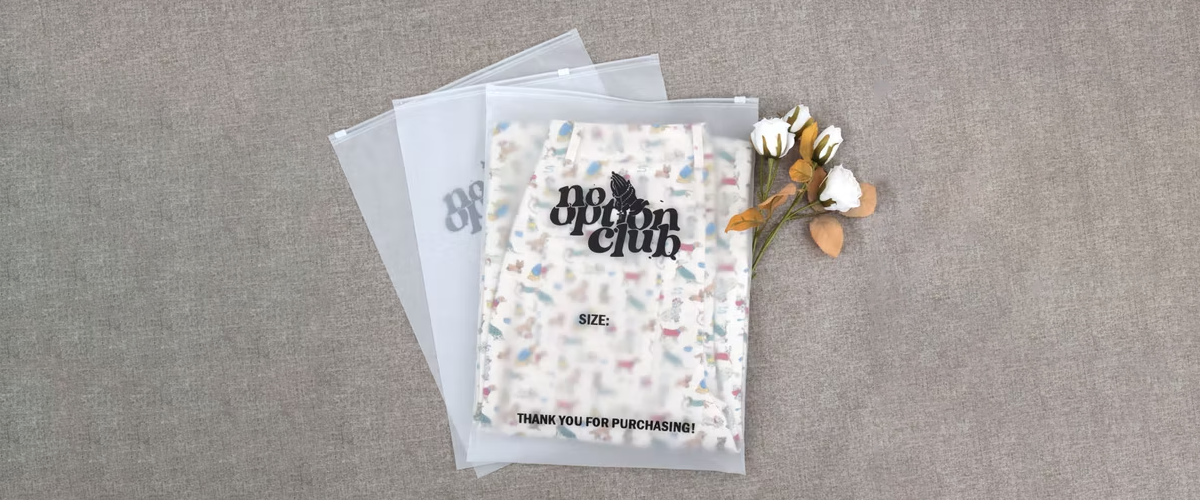
LDPE is widely used due to its softness, transparency, and cost-effectiveness. EVA provides a more premium feel with enhanced flexibility and frost-like aesthetics. PP offers higher stiffness and clarity, making it suitable for structured or display-focused packaging.
For brands pursuing sustainability, recyclable mono-material PE structures and reduced-thickness films are becoming more popular. Some brands also explore bio-based plastics or partially recycled content, balancing environmental responsibility with functional requirements.
The zipper itself is typically made from PE-compatible materials to ensure sealing integrity and recyclability.
4. What will be the trend for zippered bags in clothing in 2026?
Looking toward 2026, several clear trends are shaping the future of clothing zipper bags. Sustainability will be the dominant driver, with more brands transitioning to recyclable, mono-material solutions and thinner films that reduce plastic usage without sacrificing strength.
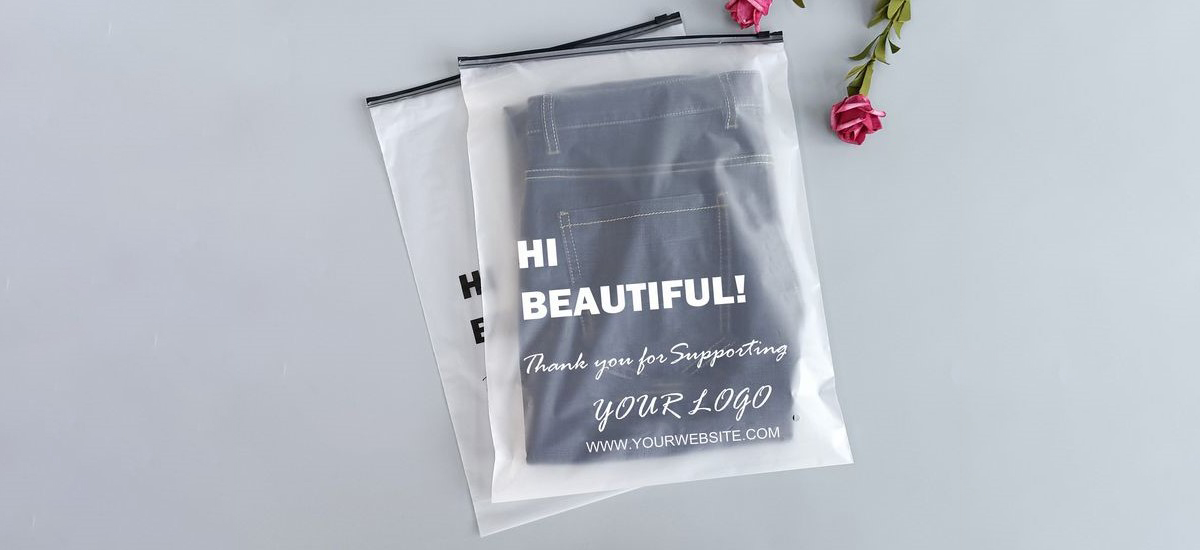
Customization and branding will continue to grow. Expect more matte finishes, frosted textures, embossed logos, and minimalistic designs that align with premium fashion aesthetics. Zipper bags will increasingly function as an extension of brand identity rather than generic packaging.
Functionality will also evolve. Features such as easier-open zippers, reinforced seals, and smart labeling (QR codes, RFID compatibility) will become more common. These upgrades improve usability while supporting supply chain transparency and digital integration.
Ultimately, zipper bags for clothing will shift from being a cost center to a strategic asset—one that supports sustainability goals, improves customer satisfaction, and enhances brand differentiation.
FAQ
Are zipper bags better than traditional polybags for clothing?
Yes. Zipper bags offer better protection, reusability, and customer experience.
Can clothing zipper bags be recycled?
Many modern zipper bags are recyclable when made from mono-material PE structures.
Do zipper bags increase packaging costs?
They may have a slightly higher unit cost, but often reduce losses, returns, and re-packaging expenses.
Are zipper bags suitable for luxury clothing?
Absolutely. With premium finishes and custom printing, zipper bags align well with high-end branding.
Conclusion
Zipper bags have become an essential component of modern clothing packaging strategies. They combine protection, functionality, sustainability, and branding into a single, flexible solution that meets the demands of today’s apparel market. As we move toward 2026, brands that invest in well-designed, material-conscious zipper bags will gain a competitive edge—both in consumer perception and operational efficiency. In the world of clothing retail, smart packaging is no longer optional; it is a key driver of success.