Detailed Explanation: Aluminum Foil in Flexible Packaging
Anna_Yu
Detailed Explanation: Aluminum Foil in Flexible Packaging
As global packaging continues shifting toward high efficiency, lightweight materials, and sustainability-driven solutions, aluminum foil has emerged as one of the most reliable and versatile components in flexible packaging. Brands across food, pharmaceuticals, personal care, and industrial sectors are all searching for packaging materials that offer superior barrier protection, excellent mechanical strength, extended shelf life, and a premium appearance. Aluminum foil delivers all of these advantages simultaneously.
Flexible packaging has grown rapidly in the past decade due to its ability to reduce transportation costs, enhance user convenience, and offer more creative branding opportunities. Within this system, aluminum foil plays a crucial role because it provides a barrier that few other materials can achieve. In a world where oxygen, moisture, aroma leakage, UV degradation, and contamination threaten product quality, aluminum foil helps maintain freshness, nutritional value, and overall product stability. At the same time, its compatibility with multilayer laminations allows manufacturers to design tailored structures based on the sensitivity of the product being packaged.
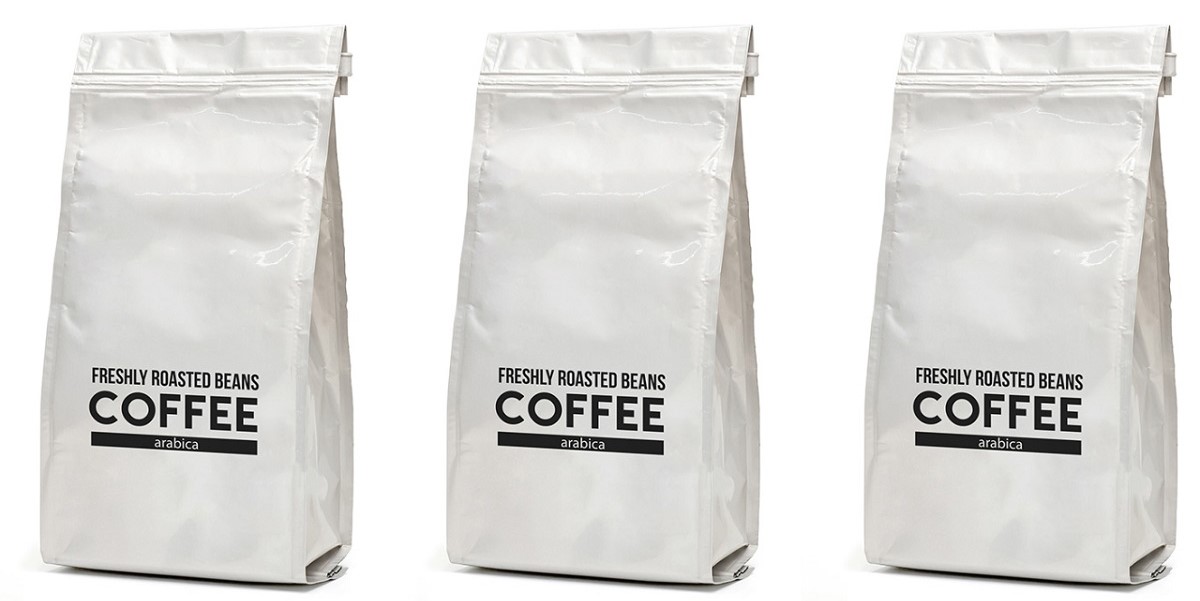
From coffee beans and protein powders to pharmaceuticals and ready-to-eat meals, aluminum foil flexible packaging ensures excellent product protection while keeping the packaging lightweight and cost-efficient. As consumer expectations increase—especially for freshness, safety, and convenience—the importance of aluminum foil in flexible packaging is also rising. In the sections that follow, we will examine what flexible packaging is, the properties of aluminum foil, its role in flexible packaging, the industries that rely on it, and the reasons behind its rapidly growing popularity in today’s marketplace.
1. What is flexible packaging?
Flexible packaging refers to packaging materials that are easily shaped, folded, or bent without breaking. Unlike rigid packaging such as metal tins, glass jars, or hard plastic containers, flexible packaging adapts to its contents while maintaining durability and protective performance. It typically includes materials such as plastic films, laminates, paper, and aluminum foil.
Key characteristics of flexible packaging:
- Lightweight: Reduces transportation costs and environmental footprint.
- Adaptable: Can accommodate different shapes, product sizes, and filling methods.
- Customizable: Allows advanced printing effects, branding features, and functional add-ons like zippers or valves.
- Cost-effective: Uses less material, lowers shipping weight, and reduces storage space.
- High performance: When laminated with barrier layers, it protects against oxygen, UV light, moisture, and odors.
Flexible packaging has become a major solution in global markets due to its versatility. It can be formed into stand-up pouches, flat pouches, rollstock film, retort pouches, vacuum bags, and spout pouches. The material combinations vary depending on what level of barrier performance the product requires—this is where aluminum foil becomes especially important.
2. What are the properties of aluminum foil?
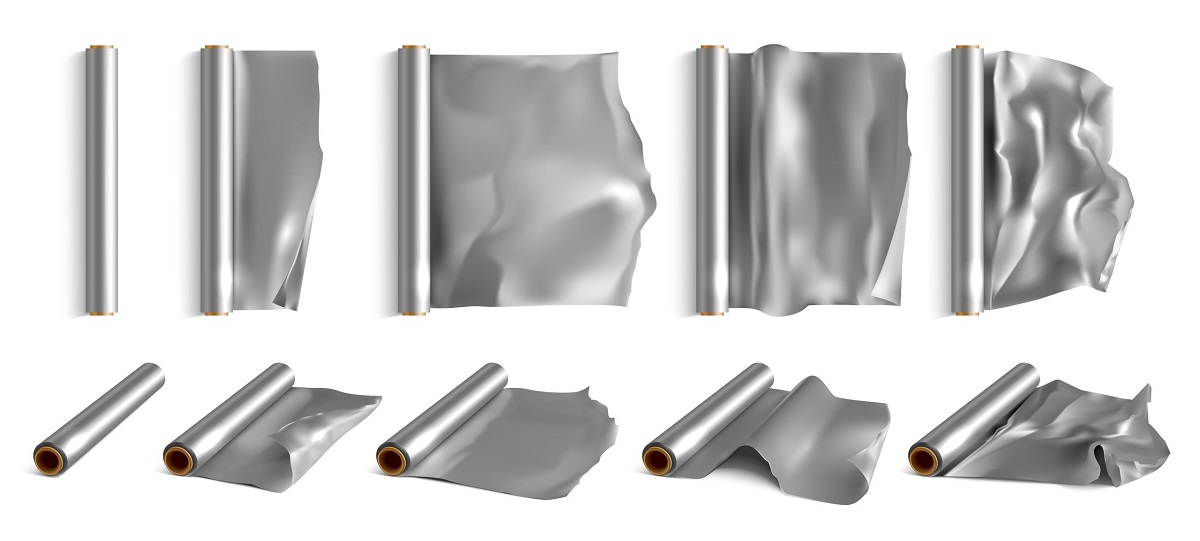
Aluminum foil is a thin sheet of aluminum that offers exceptional functional and physical properties. It is widely used in flexible packaging because it provides one of the strongest barriers available in the packaging industry.
1. Exceptional Barrier Protection
Aluminum foil blocks:
- Oxygen
- Moisture
- UV light
- Microorganisms
- Aroma loss
- Grease and oil penetration
It is considered a “near-zero” permeability material, meaning almost nothing can pass through it.
2. Lightweight yet Strong
Although extremely thin, aluminum foil offers outstanding strength-to-weight ratio. It can be combined with plastic films and paper to create multilayer structures that remain lightweight but durable.
3. Heat Resistance and Stability
Aluminum foil withstands:
- High temperatures (e.g., retort sterilization)
- Low temperatures (e.g., freezer storage)
It does not deform easily, making it ideal for boiling, sterilization, and long-term storage.
4. Completely Lightproof
Foods sensitive to sunlight—such as coffee, tea, dried fruit, spices, and pharmaceuticals—need aluminum foil to prevent degradation caused by light exposure.
5. Excellent Flexibility
Despite being a metal, aluminum foil is easily rolled, laminated, embossed, and shaped into various packaging formats.
6. Non-toxic and Safe
It is widely recognized as safe for direct food contact and pharmaceutical use.
7. Recyclable
Pure aluminum foil is recyclable, though multilayer structures need special recycling processes depending on local collection systems.
Because of these properties, aluminum foil remains one of the most reliable choices for high-barrier packaging.
3. What role does aluminum foil play in flexible packaging?
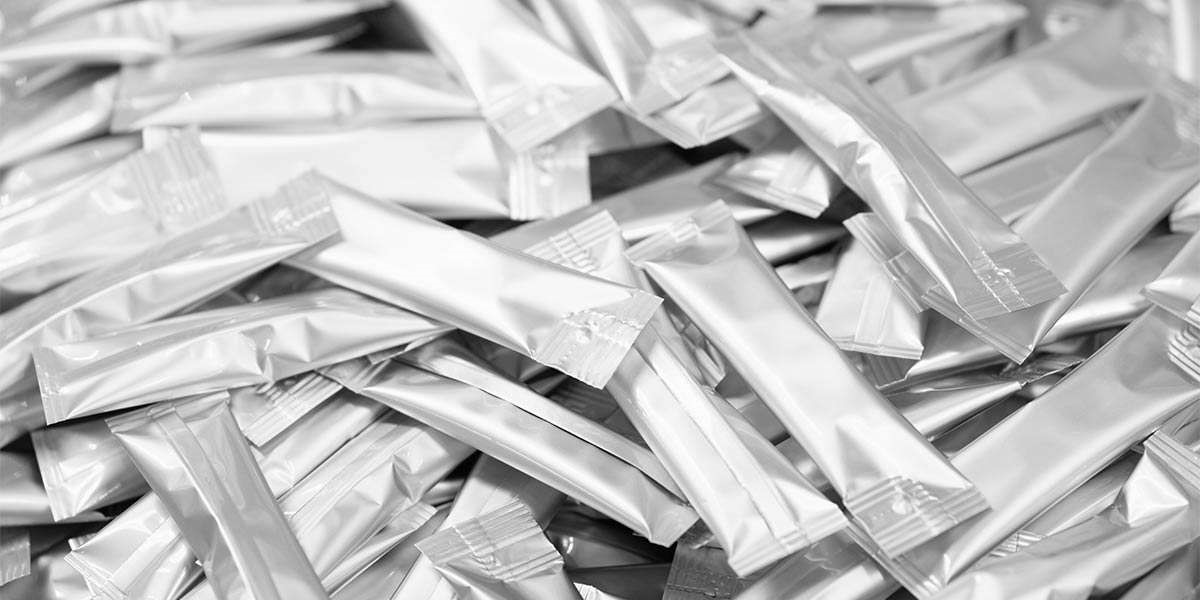
Aluminum foil contributes significantly to the performance and functionality of flexible packaging. Below are the major roles it plays.
1. The strongest barrier layer
In laminated packaging structures, aluminum foil is typically the main barrier layer. While plastic materials like metallized PET and EVOH offer good barrier performance, none match the impermeability of aluminum foil.
This helps protect products from:
- Oxidation
- Moisture absorption
- Aroma leakage
- Nutrient loss
- Spoilage
- UV degradation
2. Preserving product freshness
Because oxygen and moisture cause most food spoilage, aluminum foil maintains long-lasting freshness for:
- Coffee beans
- Snacks
- Powdered supplements
- Medicines
- Ready-to-eat meals
3. Enhancing shelf life
Aluminum foil packaging extends the shelf life of products by preventing chemical reactions and microbial growth.
4. Facilitating retort processes
Retort pouches rely heavily on aluminum foil because it withstands heat sterilization at temperatures up to 121–135°C without melting or breaking.
5. Supporting structural stability
Aluminum foil adds rigidity to laminated films, helping pouches maintain shape while remaining lightweight.
6. Protecting aroma and flavor
Aluminum foil is essential for aromatic products such as:
- Coffee
- Tea
- Spices
- Sauces
- Seasoning powders
It locks in flavor better than almost any other packaging material.
7. Enhancing appearance and branding
Foil laminates can be:
- Glossy
- Matte
- Embossed
- Metallic-looking
- Holographic
A premium visual effect is often created by foil-based packaging.
This combination of barrier performance, aesthetic flexibility, and functional benefits makes aluminum foil indispensable in modern flexible packaging.

4. Which industries are suitable for using aluminum foil flexible packaging?
Because aluminum foil provides unmatched protection, it is used widely across many industries.
1. Food Industry
Especially for products that are sensitive to air, moisture, or light:
- Coffee bags
- Retort pouches
- Nut and dried fruit packaging
- Snack food bags
- Instant rice or soup pouches
- Spices and seasonings
- Chocolate and candy
Foil helps maintain texture, aroma, flavor, and freshness.
2. Pharmaceutical Industry
Pharmaceuticals require strict protection from contamination, humidity, and oxygen. Aluminum foil packaging is essential for:
- Tablets and capsules
- Medical powders
- Diagnostic strips
- Creams and ointments
3. Pet Food Industry
Pet treats and wet foods rely on aluminum foil for:
- Aroma retention
- Freshness
- Safety during sterilization
4. Cosmetics and Personal Care
Foil pouches are used for:
- Facial masks
- Serums
- Sample packs
Because they maintain hygiene and preserve ingredients.
5. Industrial and Chemical Applications
Foil packaging protects:
- Chemical powders
- Industrial lubricants
- Sensitive adhesives
These products require strong barrier performance.
6. Ready-to-eat and Convenience Foods
Due to increasing demand for long shelf life, aluminum foil is essential for:
- MRE meals
- Boil-in-bag products
- Emergency food supplies
Almost any industry involving sensitive or perishable products can benefit from aluminum foil flexible packaging.
5. Why is aluminum foil flexible packaging becoming increasingly popular?
Several major trends have led to the rapid rise of aluminum foil flexible packaging in global markets.
1. Demand for higher barrier performance
As supply chains grow longer and products travel across continents, stronger packaging protection is required. Aluminum foil offers nearly perfect barrier performance.
2. Growth of convenience foods
Consumers want:
- Ready-to-eat meals
- Portable snacks
- Fresh coffee and tea
- Long-lasting pantry essentials
Foil packaging ensures quality and freshness.
3. Lightweight sustainability movement
Aluminum foil packaging:
- Uses less material than rigid packaging
- Reduces carbon emissions during transportation
- Minimizes storage space
This supports global sustainability goals.
4. Better printing and branding opportunities
Foil laminates allow:
- Vivid colors
- Metallic effects
- High-end textures
- Matte or glossy finishes
Brands want packaging that stands out on shelves—and foil supports premium design.
5. Increased food safety concerns
Following global health events and rising hygiene awareness, consumers expect airtight and contamination-proof packaging. Foil meets these expectations.
6. Compatibility with advanced packaging technology
Aluminum foil works well with:
- Retort sterilization
- Vacuum sealing
- Modified atmosphere packaging (MAP)
- High-speed filling lines
This makes it ideal for industrial-scale production.
7. Longer shelf life reduces waste
Longer shelf life means:
- Lower product waste
- Lower energy usage
- Fewer returns
- Higher profitability for suppliers
Consumers benefit as well, as products stay fresher for longer.
For all these reasons, aluminum foil flexible packaging continues to grow and dominate many global markets.
FAQ
1. Is aluminum foil safe for food packaging?
Yes. Aluminum foil is widely approved for direct food contact and is non-toxic.
2. Can aluminum foil packaging be recycled?
Pure foil is recyclable, but multilayer laminates require specialized recycling systems.
3. Why is foil better than metallized PET?
Foil provides a much stronger barrier against oxygen, moisture, and light.
4. Can aluminum foil be used in microwaves?
No. Foil should not be microwaved unless the structure is specifically designed for it.
5. Are aluminum foil bags heat-resistant?
Yes. They withstand boiling, retort sterilization, and high-temperature processing.
Conclusion
Aluminum foil remains one of the most powerful and indispensable materials in flexible packaging. Its exceptional barrier strength, heat resistance, lightweight structure, and compatibility with advanced packaging technologies make it ideal for protecting sensitive products and enhancing shelf appeal. From food and pharmaceuticals to cosmetics and industrial goods, aluminum foil ensures product quality, safety, and extended shelf life.
As sustainability trends and consumer expectations continue evolving, foil-based flexible packaging will remain a dominant solution—especially as recycling systems improve and more environmentally friendly foil structures are introduced. For brands seeking high performance, premium visual presentation, and maximum product protection, aluminum foil flexible packaging is a reliable, future-ready choice.