Detailed Explanation of Coffee Bags with Valves
Anna_Yu
Detailed Explanation of Coffee Bags with Valves
The world of coffee packaging is a delicate balance between science, technology, and sensory experience. For coffee roasters and packaging professionals alike, one of the most fascinating innovations in modern coffee packaging is the valve-equipped coffee bag. These small, often overlooked components play an outsized role in preserving freshness, aroma, and overall coffee quality.
In this detailed guide, we’ll explore the science and function of coffee bag valves, why they’re essential, which bag types are compatible, and how brands benefit from their use. By the end, you’ll have a comprehensive understanding of how a simple one-way valve can transform the shelf life, brand value, and customer satisfaction of your coffee products.
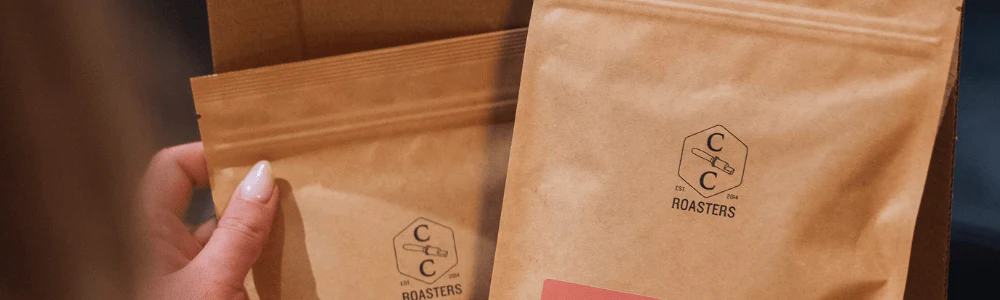
1. Why do coffee bags need to have valves?
At first glance, a valve might seem like a small addition — a tiny plastic disc on the surface of the coffee bag. However, its presence marks a significant leap in packaging innovation, solving one of the biggest challenges in the coffee industry: gas buildup after roasting.
1.1 The science behind degassing
After roasting, coffee beans continue to release carbon dioxide (CO₂) for several days, sometimes even weeks. This process, known as degassing, is natural and crucial to the flavor development of coffee. However, when roasted beans are sealed immediately in an airtight bag without a valve, the accumulating CO₂ can cause the bag to bloat, rupture, or leak, compromising both presentation and freshness.
For ground coffee, this process occurs more rapidly since grinding increases the surface area, accelerating gas release. Without a way to vent this gas, packaging would need to be manually degassed before sealing — a time-consuming and costly process.
1.2 The role of the valve in addressing this challenge
The one-way degassing valve allows the CO₂ produced by freshly roasted beans to escape without letting oxygen or moisture in. This single innovation enables roasters to package coffee immediately after roasting — when its flavor and aroma are at their peak — without worrying about bag expansion or oxidation.
1.3 The risk of oxygen exposure
Oxygen is coffee’s number one enemy. When coffee comes into contact with oxygen, it undergoes oxidation, leading to staleness, flat flavor, and loss of aromatic oils. In fact, oxygen exposure can degrade roasted coffee in as little as a few hours. The valve therefore not only manages internal pressure but also protects against external air intrusion, ensuring maximum preservation.
1.4 Quality perception and brand trust
Beyond technical function, valve-equipped bags also signal quality to consumers. A visible valve implies freshness, care, and premium standards. Customers have come to associate these features with artisan and specialty coffee brands — a psychological edge that influences purchase decisions.
In short, coffee bags need valves to balance freshness, safety, and brand perception. They allow coffee to "breathe" naturally, while protecting it from the very air that can destroy its aroma and taste.
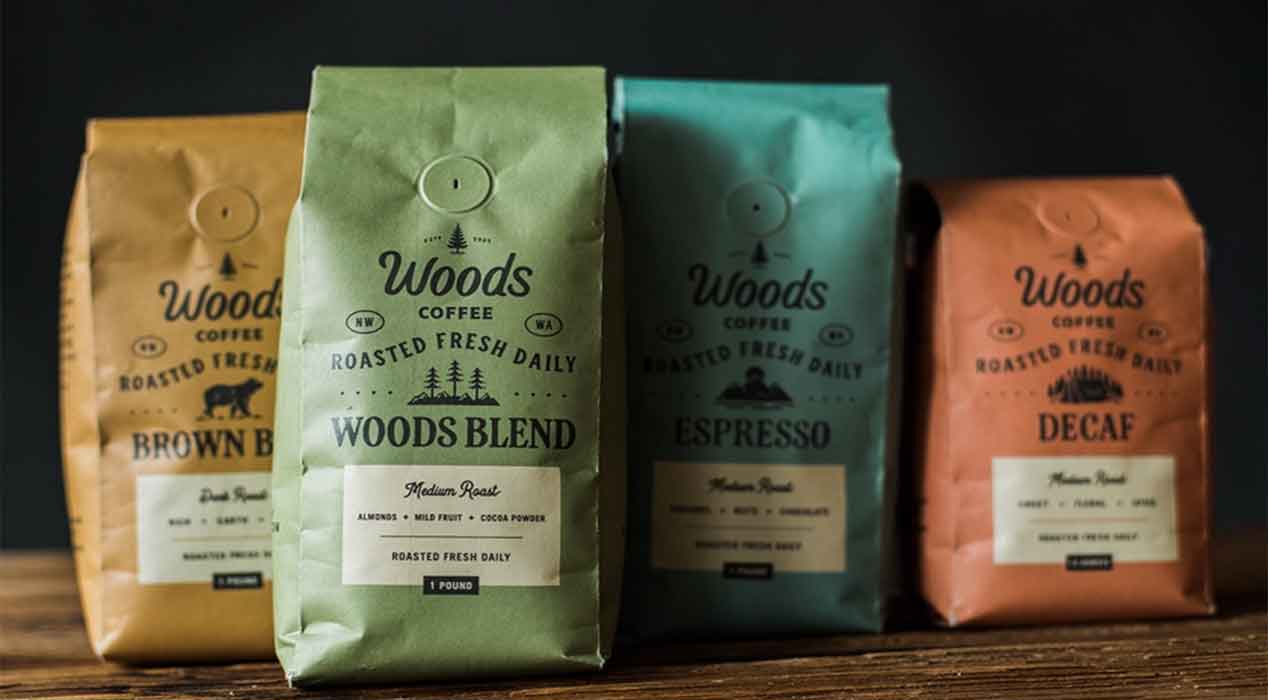
2. What is the function of the valve on a coffee bag?
The valve’s purpose is deceptively simple: it’s a one-way release mechanism that allows gases to escape while preventing external air or contaminants from entering. However, the science behind its function and construction reveals remarkable precision.
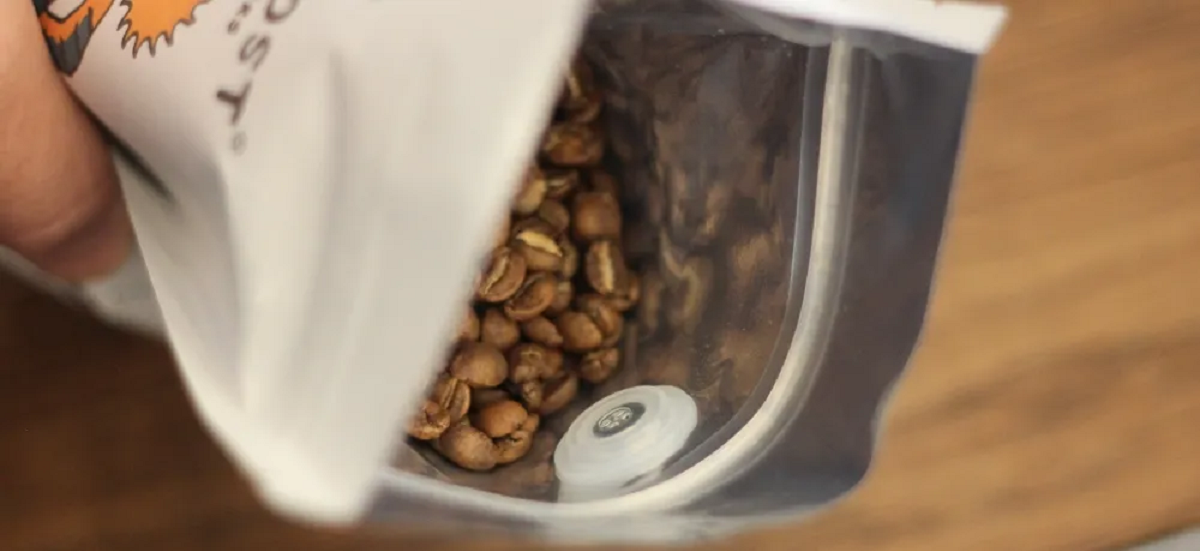
2.1 Structural design of the coffee valve
A standard one-way degassing valve typically consists of:
| Component | Function |
|---|---|
| Outer body | Forms the external shell that’s heat-sealed onto the bag. |
| Inner silicone disk | Acts as a flexible pressure-sensitive seal. |
| Spring or vent pin (optional) | Helps control release threshold. |
| Filter layer | Prevents fine coffee particles or oils from blocking the valve. |
The valve is heat-sealed or ultrasonically welded to the bag surface, usually on the front or back panel.
2.2 How it works
Once the internal pressure inside the bag exceeds a set threshold — typically between 3 to 8 millibar — the silicone disk lifts slightly, allowing CO₂ to escape through small vents. When internal pressure drops below that threshold, the disk reseals instantly, blocking air from flowing back in.
This self-regulating process allows continuous degassing for several days or weeks until the beans stabilize, ensuring that:
- Bags don’t burst or deform from internal pressure.
- Oxygen cannot seep in and degrade the coffee.
- Packaging maintains a clean, professional appearance on shelves.
2.3 Odor and freshness retention
The valve also helps retain volatile aromatic compounds — the molecules responsible for the delightful coffee smell. While gases escape, most of these heavier aromatic molecules remain trapped inside the bag. That’s why coffee packaged with valves maintains its characteristic aroma even after weeks of storage.
2.4 Consumer experience
When consumers open a valve-sealed bag, the aroma burst is immediate and powerful — a sensory experience associated with premium freshness. Many coffee lovers consider this aroma release part of the ritual of opening a new bag.
2.5 Extended shelf life
The combination of gas release and oxygen barrier gives coffee an extended shelf life. With valve packaging, roasted beans can last 6–12 months, while non-valve packaging typically maintains freshness for only 1–3 months.
3. Which type of coffee bag is suitable for making valves?
Not all coffee bags are created equal. While the valve is adaptable, some bag types are inherently better suited to accommodate and function with it. The key lies in structure, barrier performance, and sealing compatibility.
3.1 Common coffee bag styles used with valves
| Bag Type | Description | Valve Suitability |
|---|---|---|
| Stand-up pouch | Flexible pouch with bottom gusset; stands upright on shelves. | Excellent — most common format for retail coffee. |
| Side gusset bag | Classic “brick” shape used by many roasters; holds larger volumes. | Excellent — often paired with valves for 250g to 1kg packs. |
| Flat-bottom bag (box pouch) | Premium, stable structure combining aesthetics and capacity. | Excellent — ideal for specialty brands. |
| Three-side seal pouch | Simple structure; often used for smaller samples or ground coffee. | Good — suitable for smaller volumes. |
| Vacuum pack | Air completely removed; not compatible with degassing valves. | Poor — not suitable for fresh-roasted beans. |
3.2 Material considerations
To support valve performance, the bag material must possess strong barrier layers and heat-sealing compatibility. Common material structures include:
- PET/AL/PE (polyester/aluminum/polyethylene) – offers excellent oxygen and moisture barrier properties.
- PET/VMPET/PE (metalized PET) – provides barrier strength with lower cost and lighter weight.
- Kraft Paper/AL/PE – combines natural look with strong protection, popular among sustainable brands.
- PET/PE (without aluminum) – suitable for recyclable mono-material designs.
3.3 Placement of the valve
The valve is usually placed near the top of the bag, on either the front or back panel. Placement depends on filling method, degassing rate, and brand aesthetics. For high-volume roasting facilities, valve placement can be automated using form-fill-seal machines with integrated valve applicators.
3.4 Compatibility with printing and branding
Modern packaging technologies allow valves to blend seamlessly with artwork and labels. Brands can color-match valve components, print graphics around them, or even integrate transparent windows without compromising performance.
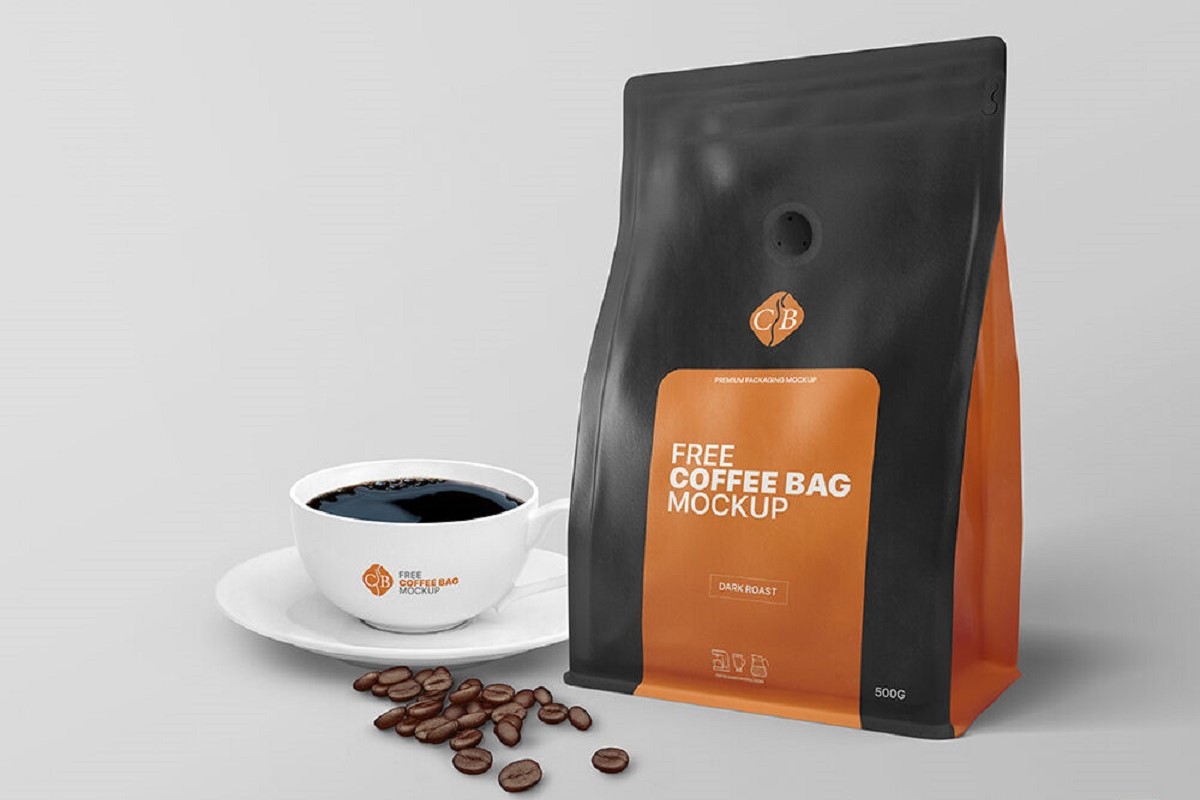
4. What are the benefits of valve-operated coffee bags for brands?
Valves aren’t just about function — they’re strategic marketing tools that enhance freshness, brand identity, and consumer trust. The benefits span both technical and commercial dimensions.
4.1 Technical benefits
(1) Preserves freshness
Valve bags maintain roasted coffee’s optimal flavor longer by preventing oxygen exposure and allowing safe CO₂ release. Consumers experience better aroma and flavor, which enhances loyalty.
(2) Extends shelf life
By regulating internal pressure, coffee remains stable for up to 12 months — crucial for brands shipping internationally or storing inventory in distribution centers.
(3) Reduces product waste
Fewer damaged or burst bags mean fewer returns and lower product loss, improving operational efficiency.
(4) Simplifies packaging logistics
Roasters can package immediately after roasting instead of waiting for beans to degas naturally. This speeds up production, improves throughput, and enables same-day packaging and shipping.
4.2 Marketing and branding benefits
(1) Premium perception
Valve-equipped packaging is now associated with specialty-grade coffee. Consumers see it as a hallmark of quality and freshness — a subtle yet powerful differentiator.
(2) Transparency and storytelling
Brands can leverage the valve’s presence to communicate technical care. For instance:
“Our one-way valve packaging locks in freshness, ensuring every cup tastes like it was roasted today.”
Such messaging reinforces brand integrity and expertise.
(3) Sustainability appeal
Many manufacturers now offer eco-friendly valves made from recyclable plastics or bio-based resins. This allows brands to align with sustainability goals while retaining functional benefits.
(4) Shelf appeal and aroma testing
Some brands cleverly design valves as “sniff holes”, allowing customers to smell the coffee through the valve without opening the package. This sensory engagement increases purchase intent.
(5) Differentiation through innovation
In a saturated market, adding a visible technological feature helps brands stand out. Combined with premium materials (like matte-finish pouches or embossed prints), valve-equipped coffee bags elevate perceived brand value.
4.3 Economic and operational advantages
| Advantage | Impact on Brand |
|---|---|
| Reduced product loss | Lower costs from fewer burst bags and fresher stock. |
| Efficient logistics | Streamlined packaging process, improved inventory rotation. |
| Scalability | Easily integrated into automated filling and sealing systems. |
| Extended export viability | Ensures coffee survives long-distance shipping and varied climates. |
4.4 Data-driven insights from the coffee industry
According to industry surveys (2023 Global Coffee Packaging Study by PMMI), over 85% of specialty roasters use one-way valves. Among brands that implemented them, consumer satisfaction increased by 22%, and shelf returns dropped by 35%. Moreover, the average shelf life increased from 90 days to nearly 300 days with no significant flavor loss.
This data underscores how packaging technology directly influences brand performance and profitability.
Conclusion
The addition of a simple one-way valve revolutionized the coffee packaging industry. It bridges the gap between preserving natural coffee freshness and maintaining operational efficiency. Whether you’re a small artisanal roaster or a global coffee brand, using valve-equipped packaging is no longer optional — it’s essential.
Valves safeguard aroma, prevent oxygen intrusion, and project a professional, high-quality image. When paired with the right materials and bag type, they deliver not only technical excellence but also emotional resonance — every time a customer opens your bag and inhales that first, irresistible scent.
In a competitive marketplace where consumers judge quality by freshness, the valve is your silent salesman — working around the clock to protect, promote, and preserve your brand’s promise.