Detailed Explanation of Flexible Nylon Packaging
Anna_Yu
Detailed Explanation of Flexible Nylon Packaging
1. What is Flexible Nylon Packaging?
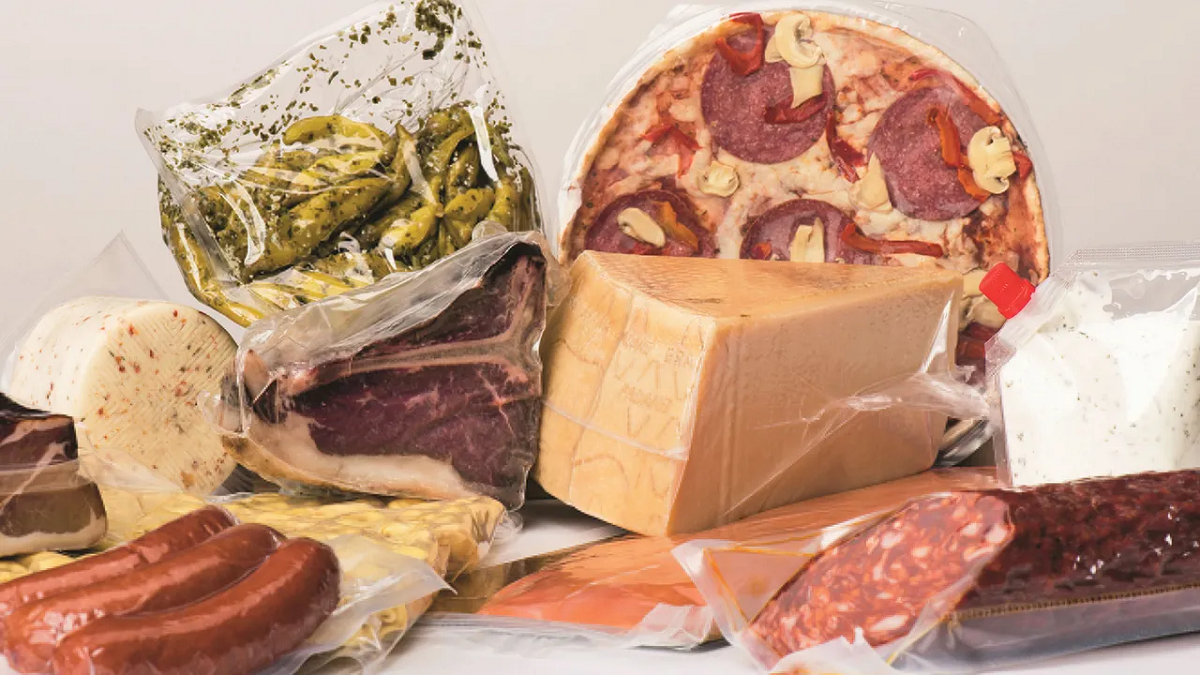
Flexible nylon packaging is one of the most versatile and widely used solutions in the modern packaging industry. It refers to a multi-layer flexible film structure that includes nylon (polyamide) as one of the core components, providing exceptional strength, puncture resistance, and gas barrier performance. Nylon-based flexible packaging is found everywhere — from vacuum-sealed meats and frozen foods to medical products and industrial components.
Unlike rigid containers, flexible nylon packaging conforms to the shape of its contents, reducing material waste and improving space efficiency. Nylon, as a polymer, provides mechanical durability and flexibility even under extreme conditions such as freezing, sterilization, or vacuum environments.
Evolution of Nylon in Packaging
Nylon (polyamide) was first developed by DuPont in the 1930s as a synthetic fiber. Soon after, its exceptional toughness and resilience were recognized for industrial and packaging uses. By the 1970s, nylon films were being laminated with polyethylene (PE) and polypropylene (PP) to create high-performance flexible structures for food preservation.
Today, nylon has become an essential part of high-barrier flexible packaging due to its unique balance of mechanical strength, transparency, and temperature resistance.
Why It Matters
As the global packaging industry shifts toward sustainability and performance, nylon’s role continues to expand. It bridges the gap between rigid durability and flexible efficiency, enabling brands to maintain freshness, safety, and shelf appeal—all while minimizing environmental impact.
2. What Materials Are Flexible Nylon Packaging Made Of?
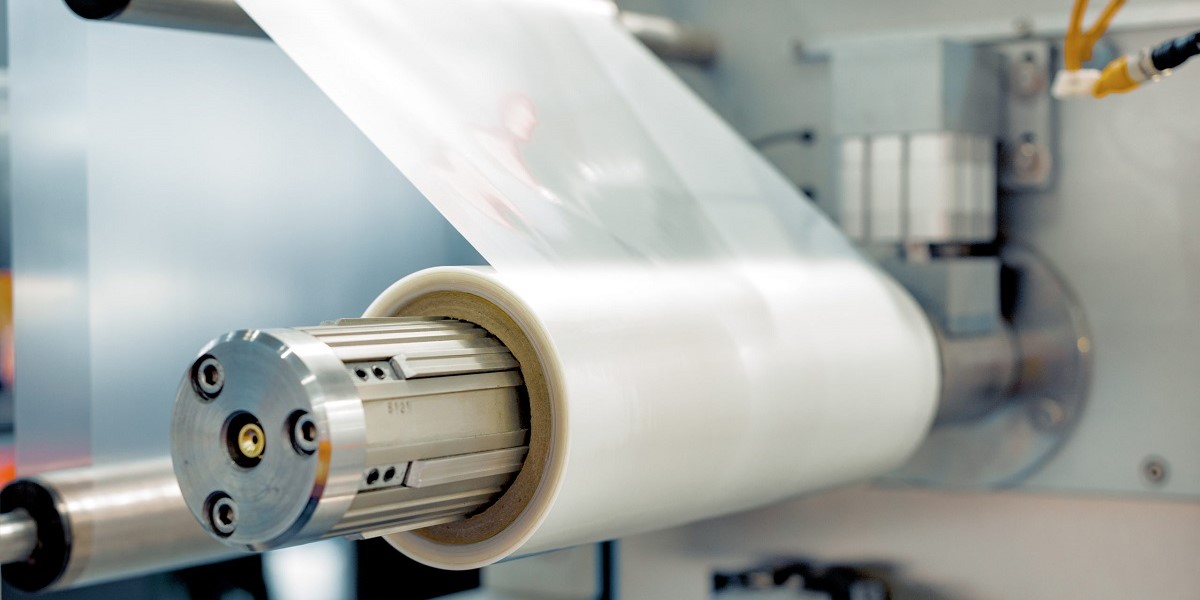
Flexible nylon packaging is rarely made of nylon alone. Instead, it’s part of a laminated or co-extruded film structure, combining nylon’s mechanical properties with other polymers that enhance sealability, barrier control, and printability.
Common Material Structures
| Structure | Composition | Main Features |
|---|---|---|
| PA/PE | Nylon + Polyethylene | Excellent puncture resistance, heat-sealability, and flexibility. |
| PA/CPP | Nylon + Cast Polypropylene | High clarity, superior heat resistance, and chemical stability. |
| PET/PA/PE | Polyester + Nylon + Polyethylene | Excellent strength, stiffness, and multi-layer protection for oxygen and moisture. |
| PA/EVOH/PE | Nylon + EVOH + Polyethylene | High oxygen barrier with strong mechanical toughness, ideal for perishable foods. |
| Nylon/Aluminum/PE | Nylon + Aluminum Foil + Polyethylene | Maximum light and gas barrier for long-term storage and export-grade packaging. |
Each layer plays a distinct role:
- Nylon (PA): Provides strength, puncture resistance, and gas barrier.
- Polyethylene (PE): Offers flexibility, sealing ability, and moisture protection.
- Polypropylene (PP/CPP): Adds clarity, stiffness, and heat resistance.
- EVOH (Ethylene Vinyl Alcohol): Enhances oxygen barrier.
- Aluminum Foil: Delivers near-zero oxygen and light transmission.
Nylon Grades and Types
There are multiple types of nylon films used in flexible packaging:
-
Nylon 6 (PA6):
- Most common grade; good barrier properties and tensile strength.
- Used in vacuum packaging for meats, cheese, and coffee.
-
Nylon 6,6 (PA66):
- Higher melting point, better thermal stability.
- Ideal for sterilization and retort pouches.
-
Biaxially Oriented Nylon (BOPA):
- Enhanced strength and clarity due to orientation process.
- Provides superior puncture resistance, especially for frozen and sharp-edged foods.
Manufacturing Techniques
- Co-extrusion: Multiple resins are extruded simultaneously to form a multi-layer film with integrated performance.
- Lamination: Individual films are bonded using adhesives or extrusion coatings to achieve targeted barrier and aesthetic properties.
- Orientation (BOPA): Stretching the film in two directions increases tensile strength and transparency.
This engineered combination allows manufacturers to customize nylon packaging according to specific mechanical, thermal, and barrier requirements.
3. What Are the Advantages of Flexible Nylon Packaging?
Flexible nylon packaging offers a broad range of benefits that make it indispensable for high-performance applications. It excels in strength, versatility, and protection, providing manufacturers with a packaging option that is both functional and visually appealing.
1. Exceptional Mechanical Strength
Nylon’s tensile strength is significantly higher than most other flexible materials, such as LDPE or OPP. It resists tearing and puncturing even when exposed to sharp or irregularly shaped products, ensuring product safety during handling, shipping, and storage.
- Tensile Strength: 80–100 MPa
- Elongation at Break: 100–150%
- Impact Resistance: Excellent even at sub-zero temperatures
This makes nylon the go-to choice for vacuum-packed or frozen products that require high resistance to mechanical stress.
2. Superior Gas and Aroma Barrier
Nylon’s molecular structure limits the diffusion of gases like oxygen and carbon dioxide. When combined with EVOH or aluminum layers, nylon packaging achieves an extremely low OTR (Oxygen Transmission Rate), extending shelf life for foods that are prone to oxidation.
Example:
- Standard Nylon Film OTR: 20–40 cc/m²/day
- EVOH-laminated Nylon OTR: <1 cc/m²/day
3. Excellent Temperature Resistance
Nylon films maintain integrity across a wide range of temperatures, from -60°C to 150°C. This allows them to be used for:
- Frozen food storage
- Retort sterilization (up to 121°C)
- Microwave and boiling applications
4. Outstanding Transparency and Gloss
BOPA nylon films are crystal-clear, allowing consumers to see the freshness of the product. This visual appeal enhances shelf visibility and brand perception.
5. Versatile Sealing Options
Nylon films bond effectively with PE and CPP, creating strong, leak-proof seals even in demanding environments. They are compatible with:
- Heat sealing
- Vacuum sealing
- High-frequency and ultrasonic sealing
6. Lightweight and Space-Saving
Compared to rigid containers, flexible nylon packaging reduces:
- Material usage by up to 70%
- Transportation costs by up to 60%
- Storage space requirements by up to 80%
7. Environmental and Economic Benefits
Although nylon is not inherently biodegradable, advances in recyclable multi-layer systems and mono-material PA/PE structures have made it more sustainable. Additionally, because of its strength, less material is needed per unit of product, lowering carbon emissions.

4. What Are the Application Scenarios for Flexible Nylon Packaging?
Flexible nylon packaging’s adaptability makes it suitable for diverse industries, from food to pharmaceuticals and beyond. Its unique characteristics allow it to perform reliably under both extreme and delicate conditions.
1. Food Industry
This is the largest sector using nylon packaging.
| Product Category | Nylon Packaging Type | Purpose |
|---|---|---|
| Meat, Poultry, Seafood | PA/PE vacuum bags | Prevents oxidation, preserves color and flavor |
| Cheese, Dairy Products | BOPA/PE | Maintains aroma and moisture balance |
| Frozen Foods | PA/PE or PA/CPP | High puncture resistance and flexibility at low temperature |
| Ready-to-Eat Meals | Retort PA/AL/CPP | Withstands sterilization and heating |
| Coffee, Nuts, Snacks | PA/EVOH/PE | Excellent oxygen barrier to retain aroma |
| Dry Pet Food | PA/PE with zip lock | Resealable, durable, and moisture-resistant |
2. Pharmaceutical and Medical Packaging
Nylon’s chemical resistance and sterilization compatibility make it ideal for:
- Medical device pouches
- IV bag liners
- Sterilizable blister lids
- Transdermal patch packaging
These packages maintain sterility, clarity, and mechanical protection.
3. Industrial and Chemical Uses
Flexible nylon packaging protects sensitive products such as:
- Lubricants
- Powders
- Fertilizers
- Electronic components
Nylon prevents moisture absorption, contamination, and leakage, essential for industrial safety.
4. Agricultural Applications
Seed and fertilizer packaging benefit from nylon’s tear resistance and gas control, ensuring product viability during long storage or export transit.
5. Consumer Products and Cosmetics
High-end cosmetics and personal care products use nylon-based films for their premium appearance, durability, and printability. The gloss and transparency enhance brand image while protecting volatile ingredients.
5. The Future Trend of Flexible Nylon Packaging
As sustainability and performance drive innovation, the future of flexible nylon packaging will evolve toward smart, recyclable, and high-performance systems.
1. Development of Mono-Material Films
The industry is shifting toward PA/PE mono-material laminates that are easier to recycle. This reduces material separation challenges while maintaining performance.
2. Bio-Based and Compostable Nylon
Researchers are developing bio-based PA11 and PA610, derived from renewable castor oil, offering a lower carbon footprint and partial biodegradability.
3. Enhanced Coating Technologies
Nano-layer coatings such as SiOx (Silicon Oxide) or AlOx (Aluminum Oxide) are being applied to nylon films to achieve high barrier performance without compromising recyclability or transparency.
4. Smart Packaging Integration
Future nylon packaging will integrate sensors and indicators that can:
- Monitor freshness
- Detect gas levels
- Change color based on temperature or spoilage
These innovations will enhance food safety and traceability.
5. Circular Economy and Recycling Programs
Major manufacturers like SHUANGFU PACKAGING are investing in closed-loop recycling, reclaiming nylon films to produce new packaging materials — reducing waste and improving sustainability credentials.
6. Global Market Outlook
According to Grand View Research (2024), the global flexible nylon packaging market is projected to grow at a CAGR of 5.7% from 2025 to 2030, driven by the rising demand for:
- Ready-to-eat meals
- E-commerce food delivery
- High-barrier recyclable materials
Asia-Pacific is expected to dominate due to expanding food processing industries in China, India, and Southeast Asia.
FAQ: Frequently Asked Questions About Flexible Nylon Packaging
Q1: Is flexible nylon packaging recyclable?
Traditional multi-layer nylon films are challenging to recycle, but new PA/PE mono-material structures are fully recyclable through existing plastic recovery systems.
Q2: Can nylon packaging handle boiling or retort sterilization?
Yes. Nylon 6 and 6,6 films withstand temperatures up to 121–135°C, making them ideal for retort and vacuum-sealed applications.
Q3: What makes nylon better than polyethylene or polypropylene alone?
Nylon provides superior puncture resistance, gas barrier, and thermal stability, which PE and PP lack individually.
Q4: Does nylon absorb moisture?
Yes, nylon is slightly hygroscopic (absorbs up to 3% moisture), which improves toughness but must be managed during processing.
Q5: Are there eco-friendly nylon alternatives?
Yes. Bio-nylon (PA11) and bio-nylon blends are gaining traction for their renewable origins and lower environmental impact.
Q6: How does nylon packaging enhance product shelf life?
By blocking oxygen and moisture, nylon reduces oxidation and microbial growth, extending shelf life by 2–4 times compared to non-barrier packaging.
Q7: Can flexible nylon packaging be printed on?
Absolutely. Nylon films are compatible with gravure, flexographic, and digital printing, supporting vibrant designs and matte or glossy finishes.
Q8: What is SHUANGFU PACKAGING’s role in nylon packaging?
SHUANGFU PACKAGING specializes in custom high-barrier nylon flexible packaging, offering recyclable, retort-grade, and brand-enhancing solutions tailored to client needs.
Conclusion
Flexible nylon packaging is a fusion of durability, versatility, and innovation. From vacuum-sealed meats to pharmaceutical pouches, its unique mechanical and barrier properties make it indispensable in modern packaging systems.
As industries strive toward sustainability and smarter packaging, nylon continues to evolve—becoming lighter, greener, and more intelligent. Whether you’re packaging gourmet food, medical supplies, or industrial products, nylon’s adaptability ensures product protection and brand elevation in an increasingly competitive market.
Partnering with SHUANGFU PACKAGING ensures not only superior performance but also future-ready solutions that meet global sustainability and quality standards.