Detailed Explanation of Flexible Packaging for Flavored Peanuts
Anna_Yu
Detailed Explanation of Flexible Packaging for Flavored Peanuts
Flavored peanuts are no longer just a simple snack; they have become a diversified product category with multiple taste profiles, brand identities, and consumption scenarios. From spicy, garlic, and honey-roasted flavors to regionally inspired seasonings, flavored peanuts are highly sensitive to external factors such as oxygen, moisture, light, and odor contamination. As competition intensifies, packaging has evolved from a basic protective layer into a critical element that determines shelf life, product perception, and purchasing decisions.
Flexible packaging has emerged as the preferred solution for flavored peanuts because it combines strong barrier performance, cost efficiency, visual impact, and functional convenience. Compared with traditional rigid containers, flexible packaging better aligns with modern retail trends, logistics requirements, and consumer lifestyles. This article provides a detailed explanation of why flexible packaging is essential for flavored peanuts, what requirements it must meet, which materials are suitable, and which bag types work best.
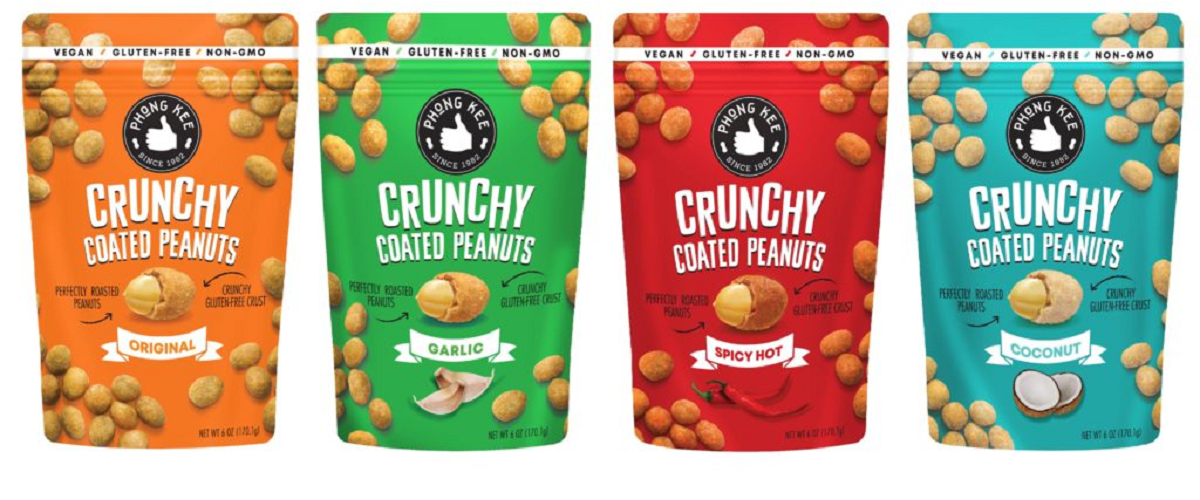
1. Why Flexible Packaging Is Important for Flavored Peanuts?
Flavored peanuts contain oils and seasonings that are particularly vulnerable to oxidation. Once exposed to oxygen, peanuts can quickly lose their crunch and develop rancid off-flavors. Flexible packaging plays a vital role in isolating peanuts from air and moisture, significantly extending shelf life.
Another reason flexible packaging is critical is aroma retention. Flavored peanuts rely heavily on their seasoning profile to attract consumers. High-quality flexible packaging prevents aroma loss while also blocking external odors from contaminating the product.
From a commercial perspective, flexible packaging enhances brand competitiveness. It offers a large printable surface for vibrant graphics, storytelling, and flavor differentiation, which is especially important in crowded snack aisles. In addition, flexible packaging supports lightweight transportation and efficient storage, reducing overall supply chain costs.
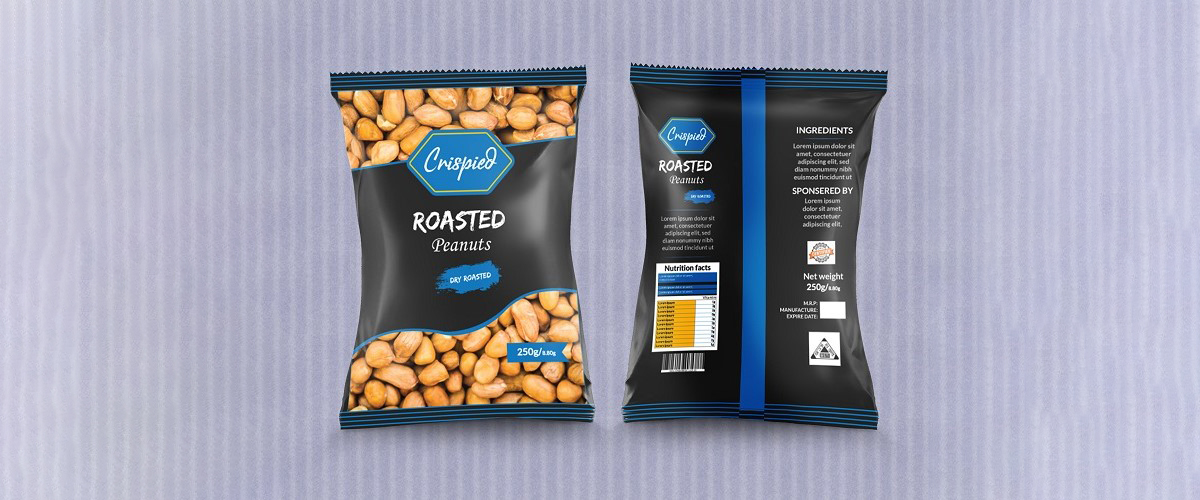
2. What Are the Requirements for Flexible Packaging of Flavored Peanuts?
Flexible packaging for flavored peanuts must meet several strict functional requirements. The most important is high barrier protection, especially against oxygen and moisture. Without adequate barriers, peanuts can quickly lose freshness and flavor integrity.
The packaging must also offer oil and grease resistance. Flavored peanuts often release surface oils, which can stain packaging or weaken seals if inappropriate materials are used. Strong seal integrity is essential to prevent leakage and ensure product safety during transportation.
Convenience is another key requirement. Modern consumers prefer packaging that is easy to open, resealable, and portable. Features such as tear notches and zipper closures significantly improve user experience and encourage repeat purchases.
Finally, the packaging should comply with food safety regulations, using food-grade materials and inks that do not migrate into the product.
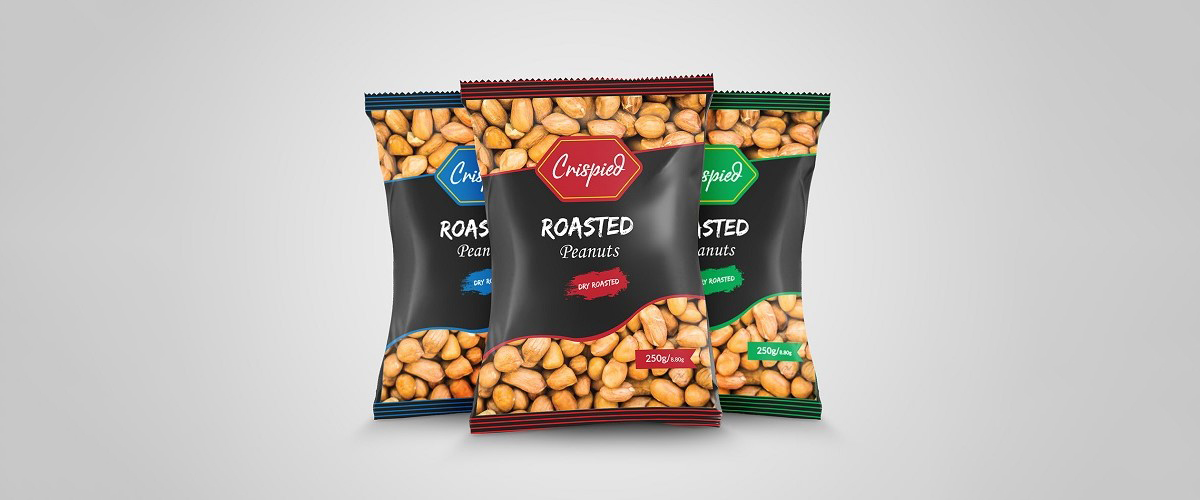
3. What Materials Can Be Used to Make Flexible Packaging for Flavored Peanuts?
A variety of materials can be used in flexible packaging for flavored peanuts, typically in multi-layer laminated structures to balance performance and cost.
Common outer layers include PET (Polyester) or BOPP (Biaxially Oriented Polypropylene), which provide excellent printability, strength, and surface protection. These layers help maintain packaging appearance and brand image.
For barrier layers, metallized films or aluminum foil are frequently used. Metallized films offer good oxygen and moisture barriers while keeping the package lightweight, whereas aluminum foil provides near-total barrier protection for premium or long-shelf-life products.
The inner sealing layer is usually PE (Polyethylene) or CPP (Cast Polypropylene). These materials ensure strong heat seals, oil resistance, and food contact safety.
In response to sustainability trends, mono-material structures and recyclable alternatives are increasingly being explored for flavored peanut packaging.
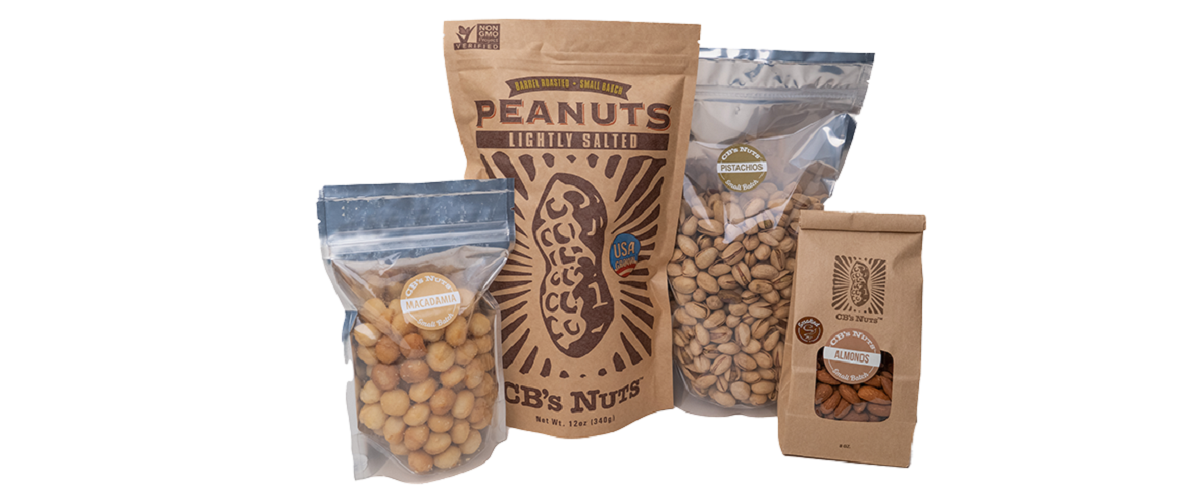
4. Which Bag Types Are Suitable for Packaging Flavored Peanuts?
Several flexible bag types are well suited for flavored peanuts, depending on product positioning and market strategy.
Stand-up pouches are one of the most popular choices. Their ability to stand upright improves shelf visibility, while zipper closures allow consumers to reseal the package after opening.
Pillow bags are commonly used for mass-market flavored peanuts. They are cost-effective, compatible with high-speed production lines, and ideal for single-serve or family-size packs.
Flat-bottom bags and quad-seal bags are often used for premium flavored peanuts. These formats offer a box-like appearance, increased capacity, and enhanced brand presentation.
For small portions or sampling, three-side seal bags provide a simple and economical solution while still delivering essential barrier protection.
FAQ
Why do flavored peanuts need higher barrier packaging than plain peanuts?
Seasonings and oils accelerate oxidation, making flavored peanuts more sensitive to air and moisture exposure.
Is flexible packaging safe for flavored peanuts?
Yes, when made with food-grade materials and compliant manufacturing processes, flexible packaging is completely safe.
Can flavored peanut packaging be recyclable?
Yes, recyclable mono-material structures are increasingly available, depending on regional recycling systems.
What is the most popular packaging type for flavored peanuts?
Stand-up pouches with zippers are currently the most popular due to convenience and shelf appeal.
Conclusion
Flexible packaging is an essential component of successful flavored peanut products. It protects freshness, preserves flavor, enhances branding, and meets modern consumer expectations for convenience and sustainability. By selecting the right materials and bag types, brands can significantly improve product performance and market competitiveness. As technology and sustainability initiatives continue to evolve, flexible packaging will remain the driving force behind innovation in flavored peanut packaging.