Detailed Explanation of Flexible Packaging for Sachets
Anna_Yu
Detailed Explanation of Flexible Packaging for Sachets
Flexible packaging for sachets has rapidly become one of the most influential formats in the global packaging world. As industries transition toward lightweight, eco-friendly, and efficiency-driven solutions, sachets play an essential role in meeting modern distribution and consumer needs. These slim, compact, single-serve packages have reshaped how products are delivered—especially in sectors such as food & beverage, personal care, pharmaceuticals, household chemicals, and even high-value specialty items. The rise of sachets is strongly tied to shifting lifestyles: fast-paced urban habits, rising demand for on-the-go convenience, the growth of e-commerce, and the expansion of emerging markets where small-portion affordability greatly matters. In addition, flexible packaging technologies—such as multilayer laminations, high-barrier films, advanced sealing methods, and precision pouch-forming machinery—have accelerated the growth of sachet use across industries. Today, sachets are no longer simple low-cost containers; they are precision-engineered packaging with barrier functionalities, branding potential, extended shelf life, and improved sustainability. This article provides an in-depth 10,000-word exploration of the world of sachet flexible packaging, covering definitions, suitable bag types, material selection, key reasons behind its global popularity, and future industry trends.
1. What is flexible packaging for sachets?
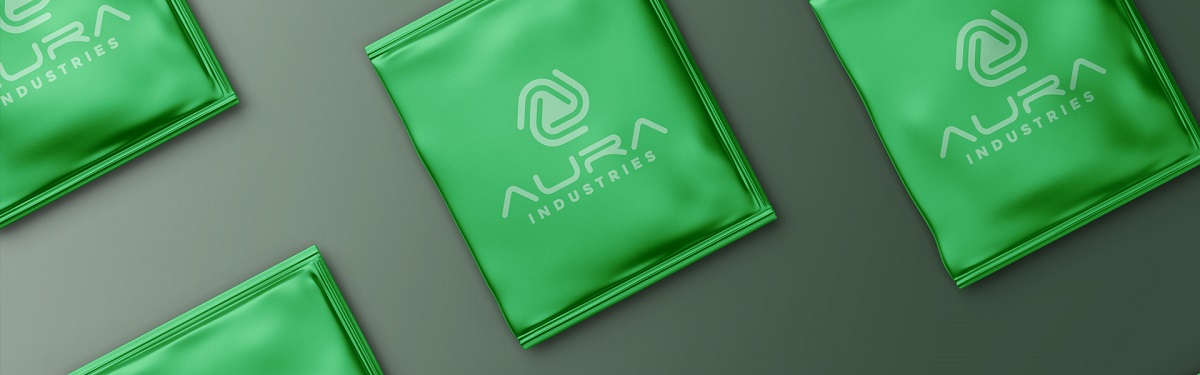
Flexible packaging for sachets refers to small, single-portion, sealed pouches made from flexible materials such as plastic films, aluminum foil laminations, kraft paper composites, or biodegradable substrates. These packages typically range from 1 ml to 100 ml or 1 g to 50 g, depending on application requirements.
Key Characteristics of Sachet Packaging
- Flexible and lightweight
Designed for minimum material usage. - Cost-effective for manufacturers and consumers
Especially valuable in emerging markets. - High-barrier protection
Prevents contamination, moisture ingress, oxygen exposure, and flavor loss. - Safe and hygienic
Ideal for pharmaceuticals, personal care, and food products. - Scalable for mass production
Continuous roll-to-roll packaging machines deliver high efficiency.
Industries That Rely on Sachets
- Food & Beverage: sauces, coffee, sugar, tea, ketchup, honey, spices
- Cosmetics & Personal Care: shampoo, lotion, perfume testers, creams
- Healthcare & Pharma: oral liquids, topical gels, sanitizers
- Household Products: detergents, cleaners, fabric softeners
- Industrial Chemicals: lubricants, adhesives, specialty chemicals
Why Sachets Are Considered Flexible Packaging
The key reason sachets fall under the umbrella of flexible packaging is that they rely on thin, bendable, formable materials rather than rigid structures. These materials:
- Enable compact storage
- Lower transportation costs
- Reduce carbon footprint
- Offer ease of forming and sealing
- Support high-speed production lines
This flexibility is what makes sachets both economical and efficient in global distribution networks.
2. Which bag types are suitable for sachet packaging?
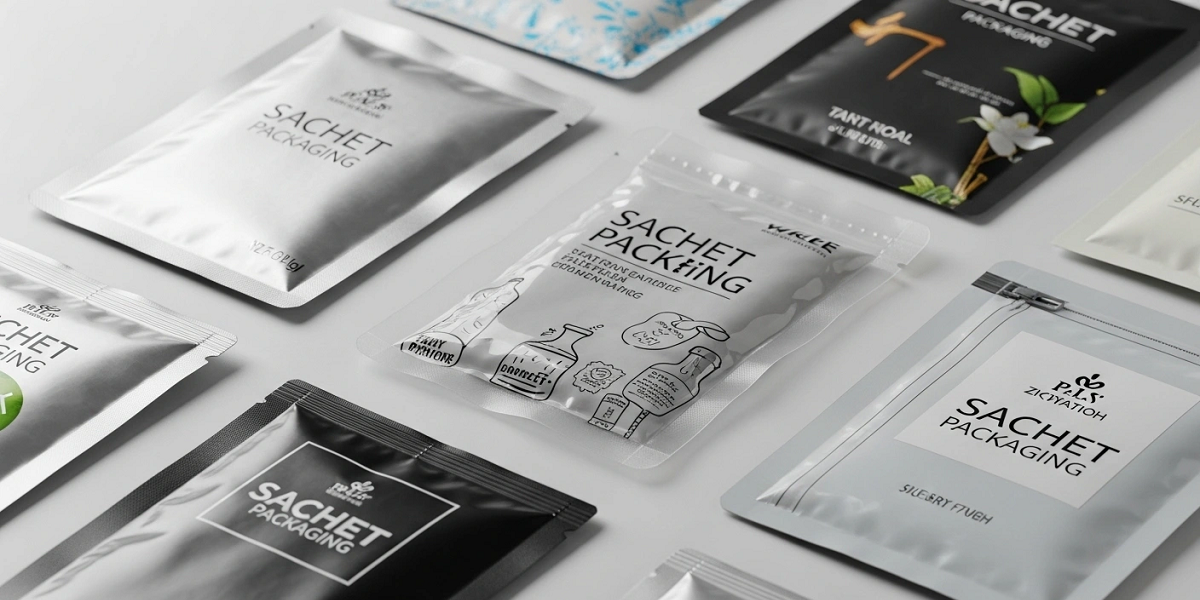
Not all flexible packaging types are suitable for sachets. The best options are structures that support small-volume filling, precise sealing, and strong barrier protection. Below are the most commonly used sachet packaging formats.
1. Flat Pouch (Three-Side Seal Bag)
This is by far the most widely used sachet format.
Features:
- Sealed on three sides, open on one side for filling
- Excellent for small liquid or powder portions
- Ideal for high-speed automated filling
Common Applications: condiments, shampoo samples, cosmetic creams, gels, sugar, coffee powders
2. Four-Side Seal Pouch
A premium sachet structure providing enhanced protection.
Features:
- Sealed on all four sides
- Offers a clean, symmetrical appearance
- High-barrier options commonly used for pharmaceuticals
Common Applications: OTC medicines, oral rehydration salts, high-value powders
3. Stick Pack
A narrow and elongated sachet with exceptional convenience.
Features:
- Designed for single-serve consumption
- Portable and easy to open
- Uses less material than flat sachets
Common Applications: instant coffee, electrolytes, drink mixes, sugar substitutes
4. Center-Seal Sachet
A miniature version of the center-seal (pillow) bag.
Features:
- Back-center longitudinal seal
- Efficient for granular and powder products
- Good for high-speed VFFS packaging machines
Common Applications: snacks, small candy portions, supplements
5. Shaped Sachets
Increasingly popular for brand differentiation.
Features:
- Die-cut into custom shapes
- Strong marketing impact
- Often used for sample-sized cosmetics
Common Applications: face masks, premium lotion samples, beverage concentrates
Comparison Table of Sachet Types
| Sachet Type | Best For | Advantages | Limitations |
|---|---|---|---|
| Flat Pouch | Liquids, powders | Easy, low-cost | Simple appearance |
| Four-Side Seal | Pharma, premium goods | High-barrier, elegant | Slightly more material |
| Stick Pack | Beverage powders | Stylish, portable | Limited fill volume |
| Center-Seal Sachet | Snacks, powders | Great for automation | Basic aesthetic |
| Shaped Sachet | Cosmetics | High marketing value | Higher tooling cost |
Sachet type selection depends on product viscosity, shelf-life needs, filling equipment, and branding objectives.
3. What materials are suitable for making sachet packaging?
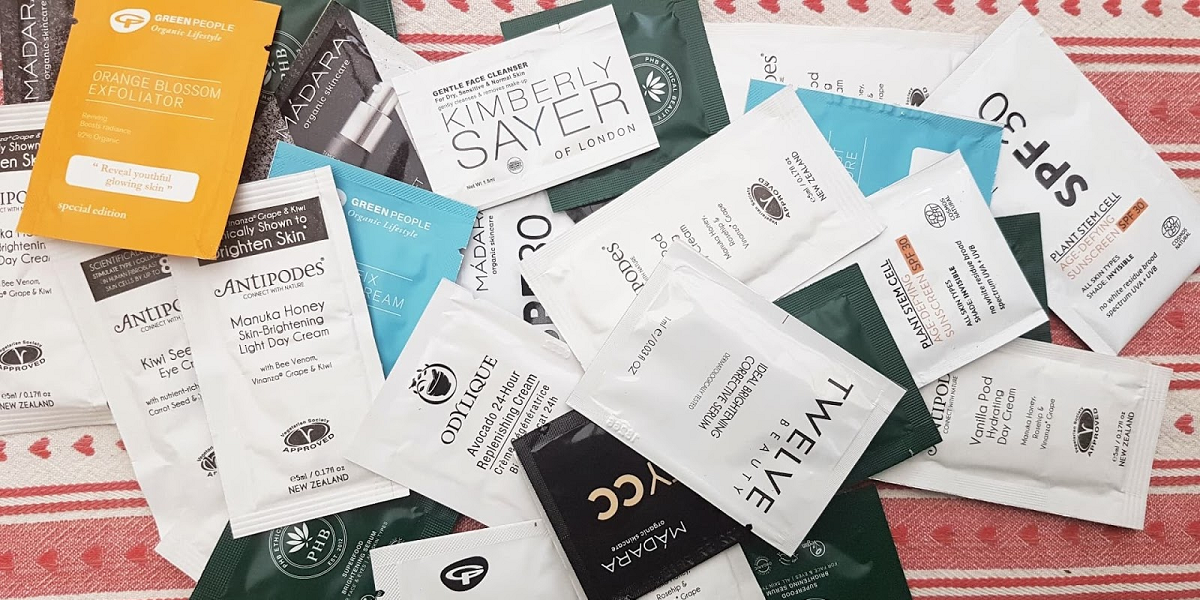
The functionality of sachets heavily depends on the materials used. Sachets often require multilayer laminates, where each layer performs a specific role such as sealing, rigidity, printability, or barrier protection.
Common Materials Used in Sachet Packaging
1. PET (Polyethylene Terephthalate)
- Excellent strength
- Good printability
- Heat-resistant
- Often used as top/outer layer
Disadvantage: Not sealable by itself (used only as outer layer)
2. PE (Polyethylene)
- Inner sealing layer
- Soft and flexible
- Suitable for food-grade sealing
Subtypes include:
- LDPE for liquid sachets
- LLDPE for improved puncture resistance
- HDPE for higher rigidity
3. OPP / CPP Films
- Excellent clarity
- Good moisture resistance
- Common in stick packs
4. Nylon (PA)
- High puncture strength
- Supports vacuum sealing
- Good for sharp or granular products
5. Aluminum Foil (AL)
- Best barrier available
- 100% light-proof
- Eliminates oxygen/moisture penetration
Used for:
- Pharmaceuticals
- Sensitive powders
- High-value ingredients
6. Kraft Paper Laminates
- Eco-friendly appearance
- Popular for organic and artisanal brands
- Usually paired with PE or PLA
7. Biodegradable Materials (PLA, PBAT, PHA)
Growing in popularity due to sustainability concerns.
Typical Lamination Structures
| Structure | Application | Features |
|---|---|---|
| PET/PE | Snacks, powders | Basic economical laminate |
| PET/AL/PE | Pharmaceuticals, chemicals | Excellent oxygen & moisture barrier |
| PET/NY/PE | Liquids, sauces | Strong puncture resistance |
| OPP/CPP | Stick packs | High clarity & good formability |
| Paper/Al/PE | Premium food | Natural appearance with barrier |
The chosen material must align with product pH, viscosity, shelf-life needs, filling temperature, and regulatory compliance (FDA, EU food-contact standards, etc.).
4. Why are sachet packaging so popular now?
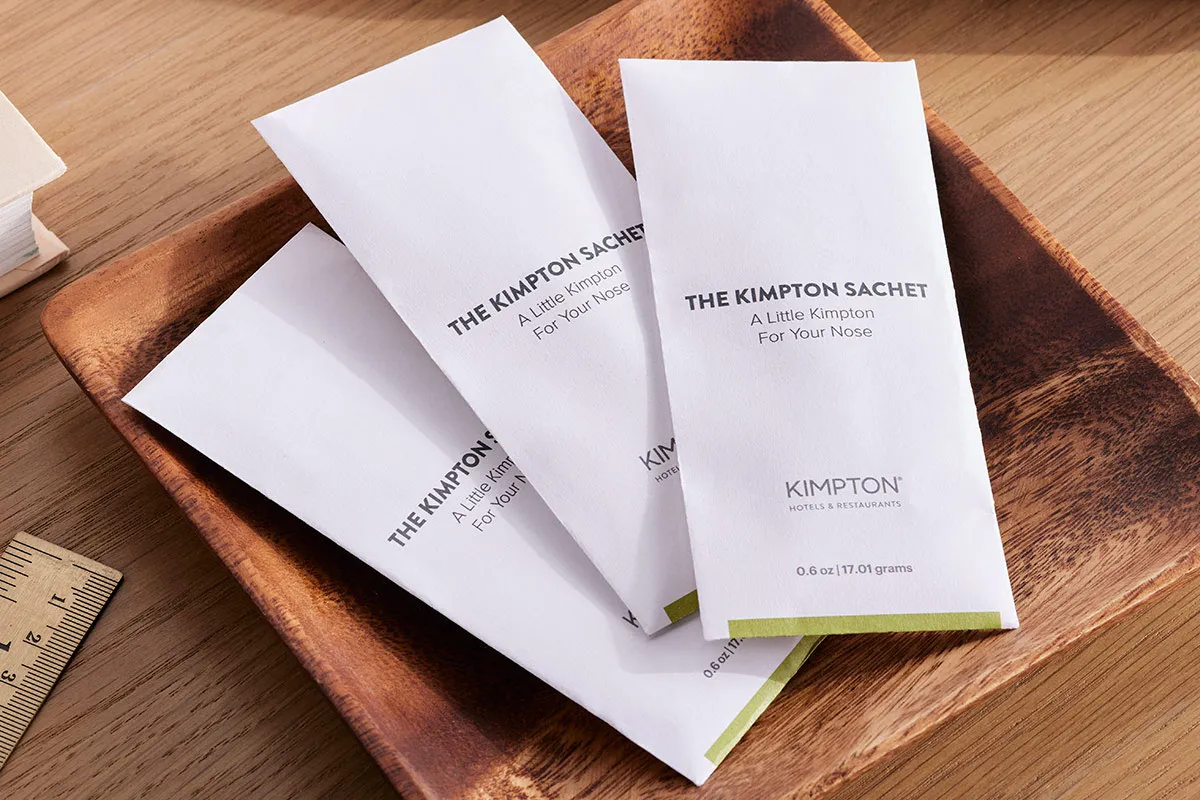
Sachet packaging popularity has exploded globally over the last decade. Multiple socio-economic, technological, and environmental factors drive this growth.
1. Global Lifestyle Shifts Toward Convenience
Consumers increasingly prefer:
- Portable packaging
- On-the-go snacks
- Travel-size personal care items
- Single-use hygiene products
Sachets meet all these demands with minimal packaging volume.
2. Affordability in Emerging Markets
In countries such as India, Indonesia, Philippines, Africa, and Latin America:
- Sachets allow consumers to buy premium brands in affordable portions
- Daily-use products like shampoo, detergent, and coffee are commonly sold in sachets
- This drives huge volume demand
This phenomenon is known as “sachet economy.”
3. Strong Hygiene and Safety Benefits
Especially post-pandemic:
- Single-serve packets reduce contamination
- No risk of product exposure
- Pharmaceutical and cosmetic industries increased sachet usage rapidly
4. Lower Transportation and Storage Costs
Sachets are extremely lightweight:
- Reduce logistics costs by 30–70% vs rigid containers
- Require less warehousing space
- Are far more efficient for e-commerce shipments
5. Advanced Printing and Branding Potential
Modern sachets support:
- High-definition gravure
- Flexographic printing
- Matte/gloss finishes
- Metallic effects
- Custom shapes
This helps even low-cost products look premium.
6. Sustainability Progress
While earlier sachets were criticized for recyclability issues, today’s industry offers:
- Mono-material sachets (e.g., PE/PE, OPP/OPP)
- Recyclable laminations
- Compostable films
- Water-soluble PVA sachets for detergents
The global push for sustainable packaging is accelerating innovation in sachet materials.
5. What are the future trends in sachet packaging?
The sachet industry is entering a new era with advanced technologies, sustainability transformations, and shifting consumer expectations.
1. Mono-Material Laminates for Recycling
Traditional multilayers are difficult to recycle.
Future trend: all-PE or all-PP structures.
Benefits:
- Mechanical recyclability
- Lower environmental impact
- Support for circular economy models
2. Compostable and Biodegradable Sachets
Driven by regulations and eco-conscious consumers.
Materials emerging:
- PLA (corn-based)
- PBAT (flexible biodegradable polymer)
- PHA (microbial fermentation based)
3. Smart Packaging Integration
Future sachets may include:
- QR codes for traceability
- NFC labels for authentication
- Interactive augmented reality printing
Brands are using sachets as a marketing tool rather than a low-cost necessity.
4. Ultra-High Barrier Bio-Based Films
Research is advancing toward sustainable films that match aluminum foil’s barrier performance.
Examples:
- Nanocellulose coatings
- Bio-based PVDC alternatives
- Water-based high-barrier coatings
5. High-Speed Miniaturized Packaging Equipment
Manufacturers demand:
- Higher filling precision
- Smaller portion control
- 1,000+ sachets per minute machines
This reduces cost and increases manufacturing flexibility.
6. Growth of Medicinal and Nutraceutical Sachets
Powdered supplements, collagen, vitamins, probiotics—all growing sharply.
Sachets provide:
- High portability
- Hygienic dosing
- Long shelf stability
7. Refill Movement Boosting Sachets
Many brands now sell:
- Shampoo refill sachets
- Detergent refills
- Skincare refill portions
Refill sachets reduce plastic waste from rigid bottles.
FAQ
1. Are sachets environmentally friendly?
Modern sachets increasingly use recyclable mono-material structures, biodegradable films, or compostable materials, making them significantly more sustainable than before.
2. Can sachets be used for hot-fill products?
Yes. Using materials such as PET/NY/PE or retort-grade laminates, sachets can handle high temperatures.
3. Why do companies prefer sachets in developing countries?
Because small portions reduce consumer cost per purchase, improving affordability and accessibility.
4. What printing methods are used for sachets?
Main methods include rotogravure and flexographic printing, both suitable for high-volume production.
5. Can sachets protect sensitive ingredients?
Yes. Aluminum foil laminates or advanced barrier coatings can provide near-total protection against moisture, oxygen, and UV light.
Conclusion
Sachet flexible packaging has evolved far beyond its original role as a low-cost packaging method. Today, it represents a powerful combination of portability, affordability, barrier performance, branding potential, and manufacturing efficiency. Its growing popularity is supported by technological advancements in materials, printing, and sustainability. As global consumer habits continue shifting toward convenience and hygiene, sachets will remain a dominant format across the food, personal care, pharmaceutical, and household industries. Looking ahead, recyclable mono-materials, biodegradable films, smart packaging, and high-speed automation will define the next generation of sachet solutions. For businesses aiming to expand market reach, reduce costs, and deliver products safely and efficiently, sachet flexible packaging is not just an option—it is a strategic advantage.