Detailed Explanation of Hanging Holes in Flexible Packaging
Anna_Yu
Detailed Explanation of Hanging Holes in Flexible Packaging
Flexible packaging has evolved far beyond simple bags designed to contain and protect products. Today, brands demand packaging that not only preserves freshness and enhances durability but also maximizes consumer convenience and retail display effectiveness. Among the many structural enhancements available, the hanging hole—sometimes called a hang hole, peg hole, euro slot, or hanger punch—has become one of the most functional and widely adopted features in modern packaging. From supermarkets to convenience stores, pharmacies, online retail, and premium specialty shops, hanging-hole flexible packaging plays a key role in shaping how products are displayed, accessed, and perceived.
The demand for hanging holes is driven by the explosive growth of competition on physical shelves. Brands need packaging that stands out, communicates benefits quickly, and fits seamlessly into existing retail infrastructure. Hanging holes allow products to be displayed vertically, at eye level, and in high-density retail formats, making them more visible to shoppers. For consumers, packages with hanging holes offer easy access, improved organization, and straightforward product recognition. For retailers, they simplify stock management and shelf optimization. For manufacturers, they add value without significant cost increases.
In this comprehensive guide, we’ll explore what hanging-hole flexible packaging is, what types of bags are suitable for adding hanging holes, why brands prefer this enhancement, and which industries benefit most from it. By understanding these elements, businesses can make better strategic packaging decisions that enhance product visibility, strengthen branding, and improve customer experience. Whether you're exploring packaging innovation for the first time or refining an existing solution, this guide provides everything you need to know about hanging-hole flexible packaging.
1. What is flexible packaging with hanging holes?
Flexible packaging with hanging holes refers to bags or pouches equipped with a punched hole or slot at the top, allowing the product to be displayed on hooks, pegboards, rack systems, or retail hanging displays. These holes are typically integrated into the packaging during manufacturing using specialized die-cutting equipment.
Types of common hanging-hole shapes
Although designs may vary, the most widely used include:
-
Round Hole (Punch Hole)
A simple circular hole, usually 8–12 mm in diameter, used for lightweight products. -
Euro Slot (Euro Hole / Sombrero Hole)
Shaped like a rounded rectangle with a semicircle above. Ideal for a wide range of retail items. -
Hook Hole / Triangle Hole
Typically triangular or arrow-shaped, used for heavier products that need better grip. -
Double Hole Configuration
Used to reinforce heavy or wide products that may require extra hanging stability.
Why hanging holes matter
Modern retail environments rely heavily on vertical displays because they:
- Maximize shelf space.
- Improve product visibility.
- Standardize presentation.
- Help categorize products efficiently.
Hanging-hole packaging ensures that even small or lightweight items can be placed at eye level, improving their chances of being noticed and purchased.
Where hanging holes are located
The hanging hole is typically added:
- On the header top of the pouch
- Above the heat seal line
- In a reinforced area for strength
The hole placement follows retail display standards to ensure compatibility with hooks, pegs, and rails used worldwide.
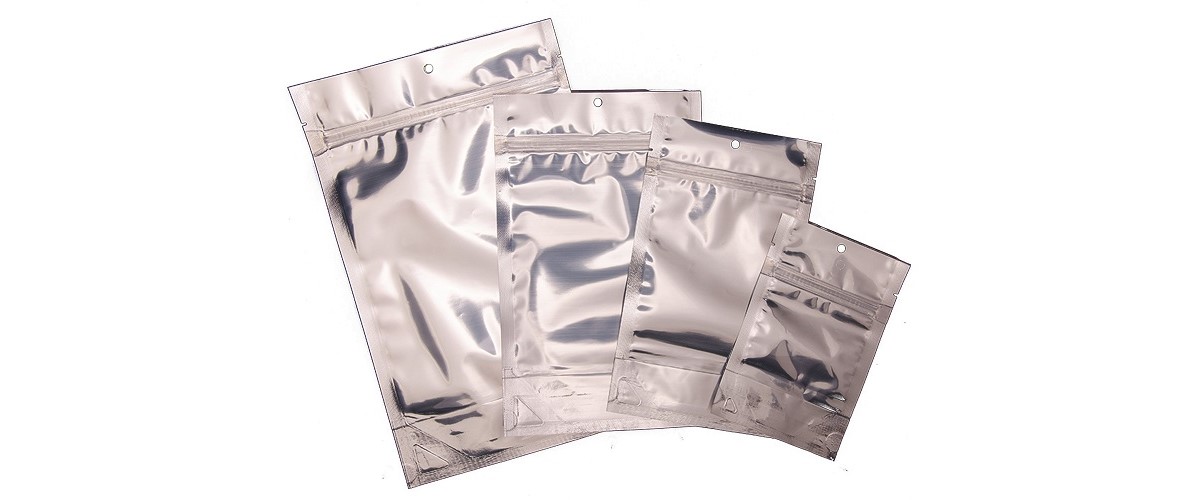
2. What types of bags are suitable for hanging holes?
Not all bags naturally support hanging holes, but many flexible packaging formats are designed to accommodate this feature. Below are the most common bag types used for hanging-hole systems:
1. Stand-Up Pouches
Stand-up pouches (SUP) are one of the most popular packaging styles used in retail. When a hanging hole is added, these pouches can be displayed both:
- Standing upright on shelves
- Hanging on peg displays
This dual-display flexibility makes them ideal for snacks, supplements, powders, pet treats, and cosmetics.
2. Flat Pouches
Flat pouches are excellent for small, lightweight items. They are economical, easy to produce, and widely used for:
- Samples
- Single-use products
- Seasonings and condiments
- Small tools or components
A Euro slot or round hole is often added to enhance visibility.
3. Three-Side Seal Bags
These compact and durable bags are commonly used for food and non-food items. A hanging hole helps retail stores organize products more efficiently.
Applications include:
- Dried foods
- Hardware items
- Cosmetics
- Accessories
4. Sachets and Single-Serve Packets
Sachets for powders, liquid samples, and supplements benefit from hanging holes because they can be placed in high-traffic areas near checkout counters or promotional displays.
5. Spout Pouches
Although less common, spout pouches can also include hanging holes, especially for travel-size beverages, gels, sanitizers, and sauces.
6. Zipper Bags
Resealable bags are often displayed on racks because consumers are drawn to their reusability. Adding a hanging hole helps combine convenience with a modern retail presentation.
7. Specialty Bags
These include:
- Toy packaging
- Electronics packaging
- Craft and hobby supplies
- Medical device packaging
Nearly all specialty flexible packaging can incorporate hanging holes for enhanced handling and retail convenience.

3. What are the advantages of flexible hanging bags?
Hanging-hole flexible packaging provides numerous benefits to manufacturers, retailers, and consumers. Below is a comprehensive overview:
1. Enhanced Product Visibility
Hanging displays place products at eye level, significantly increasing the chances of capturing consumer attention compared to items placed on lower shelves. This is crucial in crowded categories like snacks, cosmetics, and supplements.
2. Better Retail Organization
Retailers appreciate packaging that supports efficient shelf management. Hanging bags:
- Fit into existing peg systems
- Allow consistent spacing
- Reduce clutter
- Improve product categorization
This standardization drives higher sales and reduces stocking time.
3. Space Optimization
Vertical displays use space more efficiently. A hook can hold dozens of products, making it ideal for:
- Small stores
- Convenience shops
- Kiosks
- Gas stations
- Hardware stores
This efficiency allows retailers to maximize revenue per square meter.
4. Stronger Branding and Presentation
Hanging bags typically feature:
- Large header areas for branding
- Promotional graphics
- Clear product visibility
Euro slots, in particular, help center the product on racks, preventing tilting and improving symmetry.
5. Compatibility With Lightweight and Small Items
Without hanging holes, small or light packages may fall over easily. Adding a hanging hole allows reliable display for even the smallest items.
6. Improved Consumer Interaction
Consumers prefer products they can grab easily. Hanging bags:
- Are more accessible
- Offer better visibility
- Reduce effort in browsing
- Encourage impulse buying
Convenience = increased sales.
7. Cost-Effective Upgrade
Adding a hanging hole requires minimal additional production cost but significantly increases display versatility. It is one of the highest ROI packaging enhancements available.
8. Suitable for Automation
Modern die-cutting systems allow hang holes to be added without slowing down production. This makes large-scale manufacturing efficient and consistent.
9. Supports Multi-Pack and Promotional Strategies
Hanging bags are ideal for:
- Sample packs
- Combo sets
- Seasonal promotions
- Display-ready packaging
They integrate easily into various marketing formats.
10. Durable and Reliable
Reinforced hang-hole areas ensure bags can support weight and resist tearing. Additional lamination layers can be applied for heavy-duty applications.
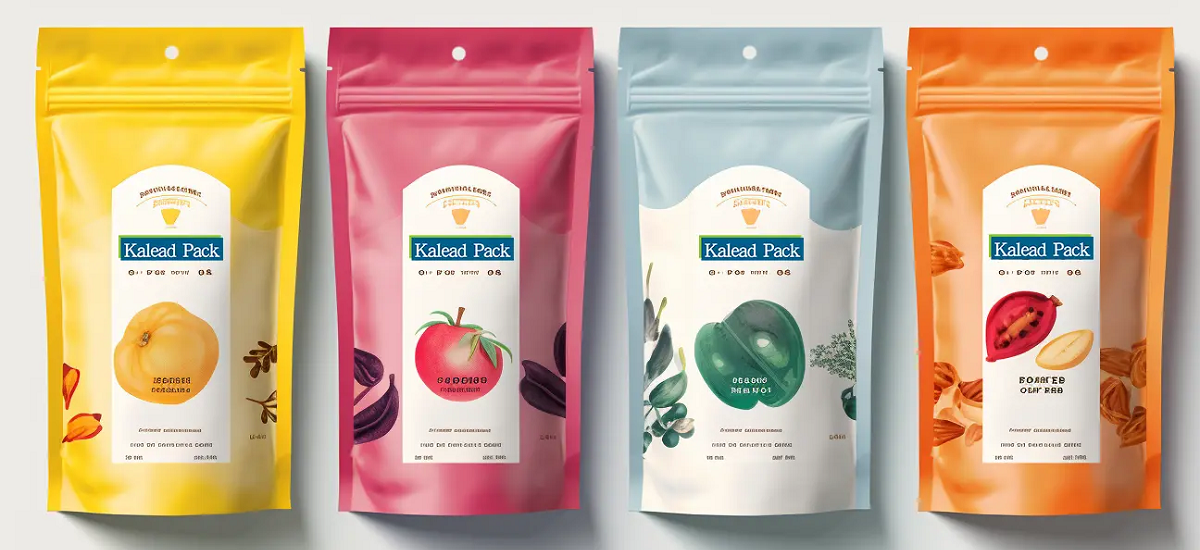
4. Which industries are suitable for using flexible hanging bags?
Flexible packaging with hanging holes spans nearly every major industry. Below is a detailed exploration of where this packaging style excels.
1. Food Industry
Hanging bags are extremely popular for:
- Snacks
- Nuts and dried fruits
- Candies and confectionery
- Pet treats
- Coffee and tea samples
- Spices and seasoning sachets
Retail food sections rely heavily on vertical displays to organize multiple SKUs.
2. Personal Care & Cosmetics
Products include:
- Face masks
- Samples and mini packs
- Beauty tools
- Travel-size items
The cosmetics sector benefits greatly from the premium display and convenience.
3. Health and Supplements
These include:
- Vitamins
- Protein powder samples
- Herbal products
- Single-serve nutrition packs
Hanging bags highlight health claims and attract fitness-focused shoppers.
4. Household Goods
Examples are:
- Cleaning wipes
- Small tools
- Batteries
- Air fresheners
- Hooks and organizers
Hardware and household sections are often dominated by pegboard displays.
5. Electronics & Accessories
Products such as:
- Charging cables
- Earphones
- Memory cards
- Small components
- Adaptors
Hanging packaging helps prevent product loss and improves retail handling.
6. Pet Products
From snacks to accessories, hanging holes add value to pet supply packaging.
7. Pharmaceutical & Medical
These include:
- Medical device components
- Diagnostic kits
- Sanitizer sachets
- OTC samples
Hanging bags improve sterility, organization, and handling.
8. Toy & Craft Industry
Lightweight items such as:
- Small toys
- Craft supplies
- Stickers
- DIY tools
often use hanging holes for appealing display.
FAQ
1. Are hanging holes suitable for heavy products?
Yes, but the hole must be reinforced using thicker lamination or additional cutting patterns such as Euro slots.
2. Can hanging holes be added to any type of bag?
Most flexible bags can incorporate hanging holes, but extremely large or heavy items may require alternative display methods.
3. Does adding a hanging hole increase manufacturing cost?
Only slightly. It is one of the most cost-effective upgrades in flexible packaging.
4. Are hanging holes recyclable?
The hole itself is simply a cut-out, so it does not affect recyclability. The material of the bag determines recyclability.
5. What is the difference between a round hole and a Euro hole?
A round hole is suitable for lightweight items, while a Euro hole provides better support and stability for heavier products.
Conclusion
Hanging holes are one of the simplest yet most effective enhancements in flexible packaging. They increase product visibility, improve retail efficiency, enhance branding, and offer consumers greater convenience. Their compatibility with a wide range of bag types and industries makes them a universally valuable feature with minimal added cost. As retail competition grows, flexible packaging with hanging holes will continue to play a central role in product merchandising and customer engagement.