Detailed Explanation of Heat Seal Packaging
Anna_Yu
Detailed Explanation of Heat Seal Packaging
1. What are the types of food contamination?
Food contamination is one of the most critical challenges in the food industry today. As global supply chains grow longer and more complex, ensuring that food reaches consumers safely has become a top priority. Contamination refers to the introduction of harmful substances or microorganisms into food products that can compromise safety, taste, or appearance. These contaminants can arise from various sources during processing, packaging, transportation, or storage.
There are four main types of food contamination:
-
Biological Contamination — This is the most common form, involving bacteria, viruses, molds, and parasites. Microorganisms such as Salmonella, E. coli, and Listeria monocytogenes thrive in poorly sealed or improperly stored foods. Without proper packaging, these microorganisms can grow rapidly, especially under humid or oxygen-rich conditions.
-
Chemical Contamination — Chemical substances can enter food from agricultural pesticides, industrial pollution, cleaning agents, or even from packaging materials that are not food-safe. Improperly manufactured packaging can release harmful substances such as BPA, phthalates, or other toxic residues that migrate into food, especially under heat.
-
Physical Contamination — Physical contamination occurs when foreign objects like metal shavings, glass, plastic fragments, or dust enter food during production or handling. This type of contamination is particularly dangerous as it can cause injury to consumers and lead to massive recalls.
-
Cross-Contamination — This happens when contaminants from one food source are transferred to another, often due to improper handling, shared equipment, or unsanitary environments. For instance, raw meat can easily contaminate ready-to-eat foods if both are packaged using the same machinery.
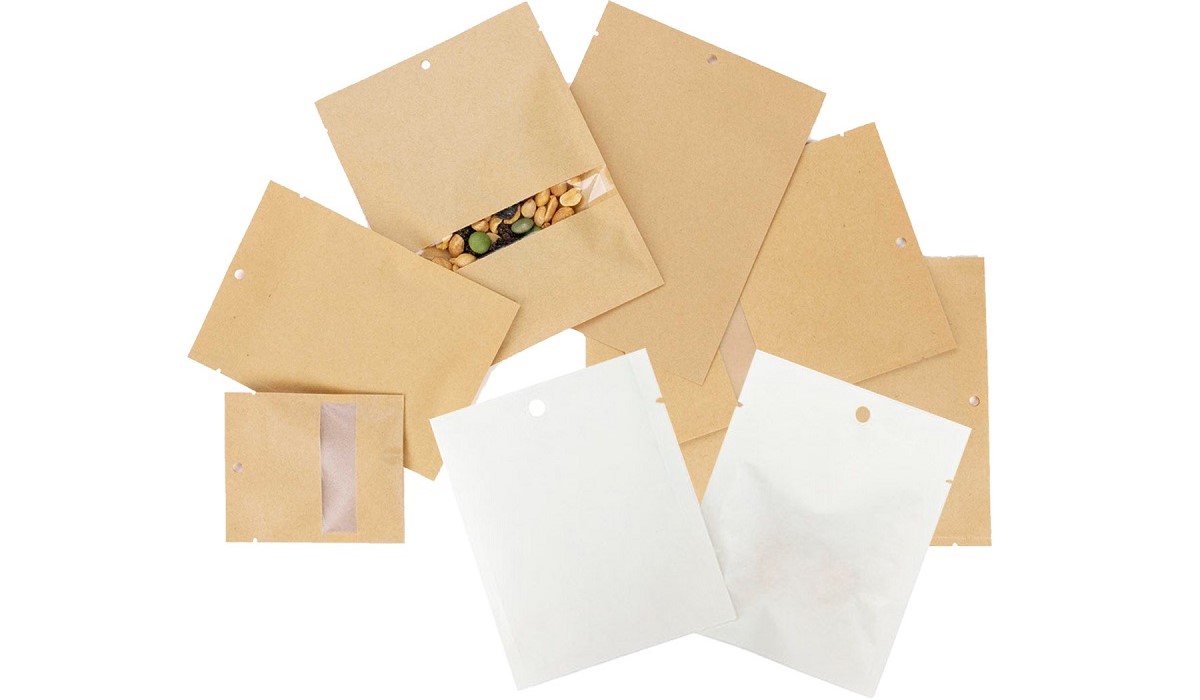
To prevent these issues, heat seal packaging plays a vital role by creating a barrier that protects food from external contaminants while maintaining freshness. The airtight seal eliminates exposure to air, moisture, and microorganisms that could spoil food.
2. What processes and technologies are used in heat-sealed bags for food packaging?
Heat sealing technology is a cornerstone of modern food packaging. It involves bonding layers of thermoplastic materials through the application of heat and pressure. This process creates an airtight and leak-proof closure, ensuring product integrity from the moment of sealing until the consumer opens the package.
2.1. Basic Heat Sealing Process
The fundamental mechanism behind heat sealing is simple yet effective. Two layers of film—usually polyethylene (PE), polypropylene (PP), or other thermoplastics—are pressed together under controlled temperature and pressure. The heat causes the surface polymers to melt and fuse, forming a tight seal once cooled.
The three essential parameters in this process are:
- Temperature: The correct sealing temperature depends on the material’s melting point. For example, LDPE seals at around 160°C, while PET requires higher temperatures (around 220°C).
- Pressure: Adequate pressure ensures full contact between layers, preventing weak or incomplete seals.
- Time: The duration of heat application must be sufficient to achieve proper fusion without damaging the film.
2.2. Types of Heat Sealing Machines
Modern packaging lines use various types of heat sealers depending on the production scale and packaging requirements:
- Impulse Sealers: Best suited for sealing thermoplastic materials; they use a brief electric pulse to heat the sealing element.
- Constant Heat Sealers: Maintain a steady temperature and are ideal for thicker materials like aluminum foil laminates.
- Band Sealers: Commonly used for continuous sealing of pouches and bags in large-scale operations.
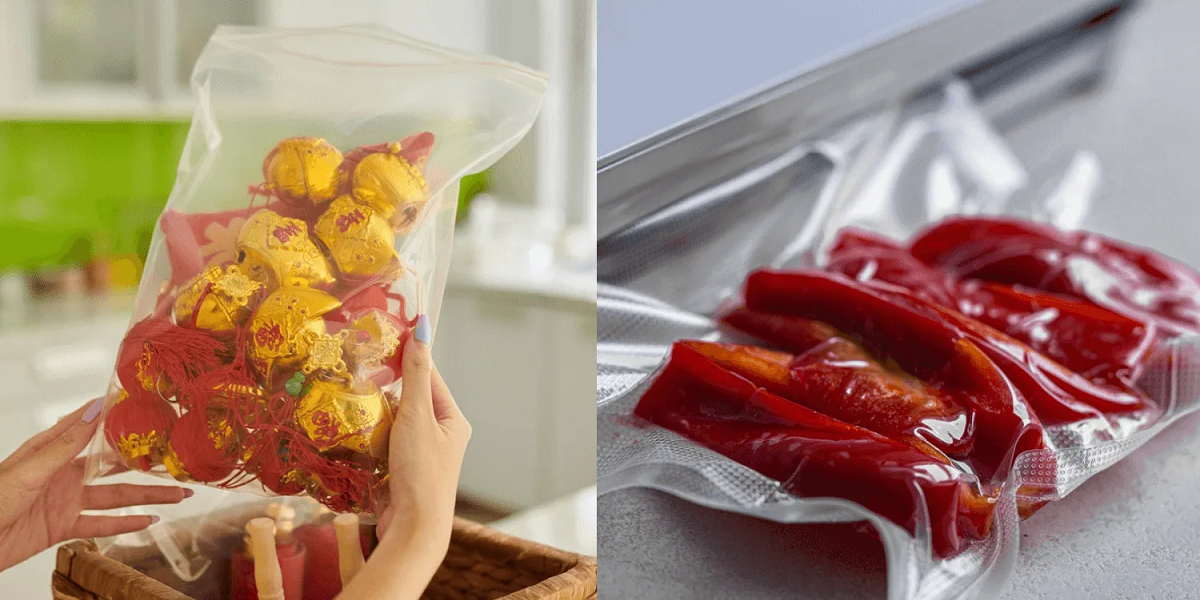
- Vacuum Sealers: Combine sealing with air removal, ideal for extending shelf life in food storage.
2.3. Advanced Heat Sealing Technologies
To meet the rising standards of food safety and efficiency, the industry has developed several advanced technologies:
- Ultrasonic Sealing: Uses high-frequency vibrations instead of heat to create seals. It’s faster, energy-efficient, and ideal for heat-sensitive products.
- Laser Sealing: Provides precision sealing and is used in applications that require consistent results.
- Induction Sealing: Commonly used for sealing container lids; it employs electromagnetic induction to create hermetic seals without direct heat contact.
According to 2025 packaging market data, over 65% of global food manufacturers have upgraded to energy-efficient sealing systems to reduce waste and increase throughput. Automation and digital temperature control now allow real-time monitoring to ensure consistent seal quality.
3. What are the commonly used materials for heat seal packaging?
The performance of a heat seal depends largely on the materials used. Packaging materials must not only support effective sealing but also maintain food safety, flexibility, printability, and barrier protection.
3.1. Common Materials
-
Polyethylene (PE):
- Widely used due to its excellent sealability and flexibility.
- Suitable for low-temperature sealing and can be combined with other layers for improved durability.
- Commonly found in snacks, frozen foods, and fresh produce packaging.
-
Polypropylene (PP):
- Offers high clarity, stiffness, and good barrier properties.
- Often used for heat-sealed pouches, coffee bags, and instant food products.
-
Polyester (PET):
- Known for its strength and resistance to temperature variations.
- When laminated with PE or aluminum, it provides an excellent oxygen and moisture barrier.
-
Nylon (PA):
- Offers high puncture resistance and flexibility.
- Often used in vacuum-sealed meat packaging or retort pouches.
-
Aluminum Foil:
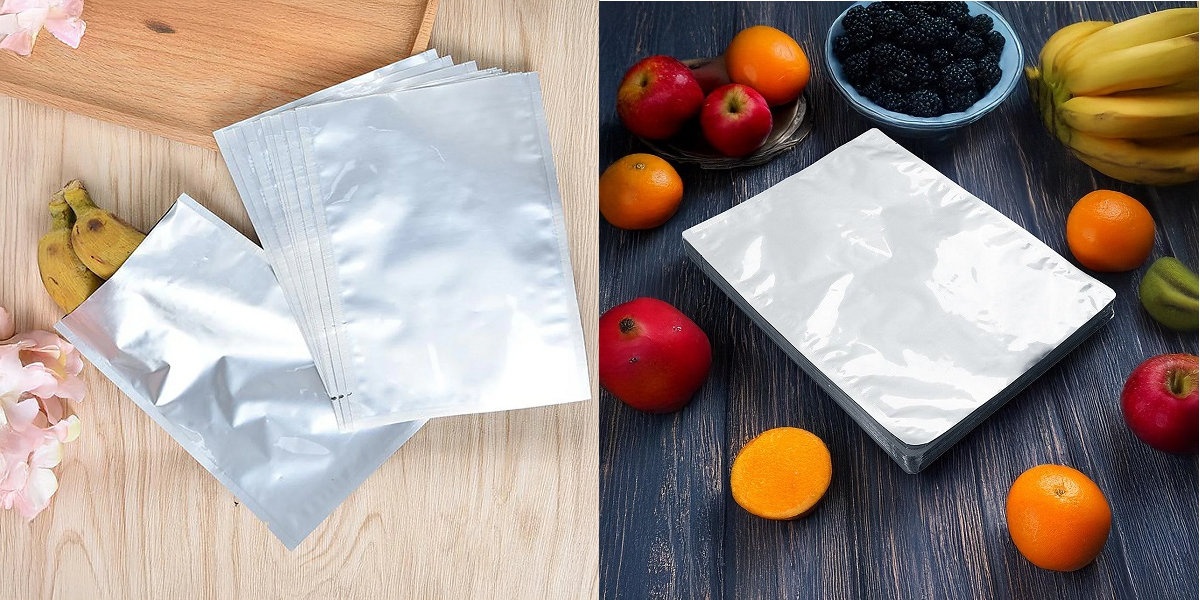
- Provides superior light, oxygen, and moisture barriers.
- Common in packaging that requires long shelf life, such as jerky, sauces, and coffee.
-
Paper Laminates:
- Eco-friendly alternatives that combine paper with thin plastic coatings for recyclability and sustainability.
3.2. Multi-layer Lamination
In most food applications, a multi-layer laminate structure is used. A typical configuration might be PET / AL / PE, where each layer contributes specific properties:
- PET: Strength and print surface
- AL (Aluminum): Barrier protection
- PE: Sealability
Such combinations balance aesthetics, strength, and functionality. With proper heat sealing, these structures can achieve a shelf life extension of up to 24 months, depending on food type.
4. How does heat-sealed packaging protect the freshness of food?
Heat-sealed packaging is designed not only to contain food but also to preserve its sensory qualities — taste, color, aroma, and texture — by preventing external influences from degrading it.
4.1. Barrier Protection
The most significant advantage of heat-sealed packaging lies in its barrier performance. Multi-layer films can effectively block:
- Oxygen: Prevents oxidation of fats and oils that cause rancidity.
- Moisture: Maintains crispness in dry foods and prevents spoilage in moist foods.
- Light: Reduces nutrient degradation and color fading.
- Microorganisms: Prevents bacterial and mold contamination.
According to data from the Flexible Packaging Association (FPA), products packaged in heat-sealed pouches retain up to 35% more freshness over three months compared to non-sealed or zip-closed packaging.
4.2. Controlled Atmosphere and Vacuum Sealing
When combined with Modified Atmosphere Packaging (MAP) or vacuum sealing, heat-sealed bags can dramatically extend shelf life. By removing oxygen or replacing it with inert gases like nitrogen, the metabolic activity of microbes is reduced, slowing spoilage.
For example:
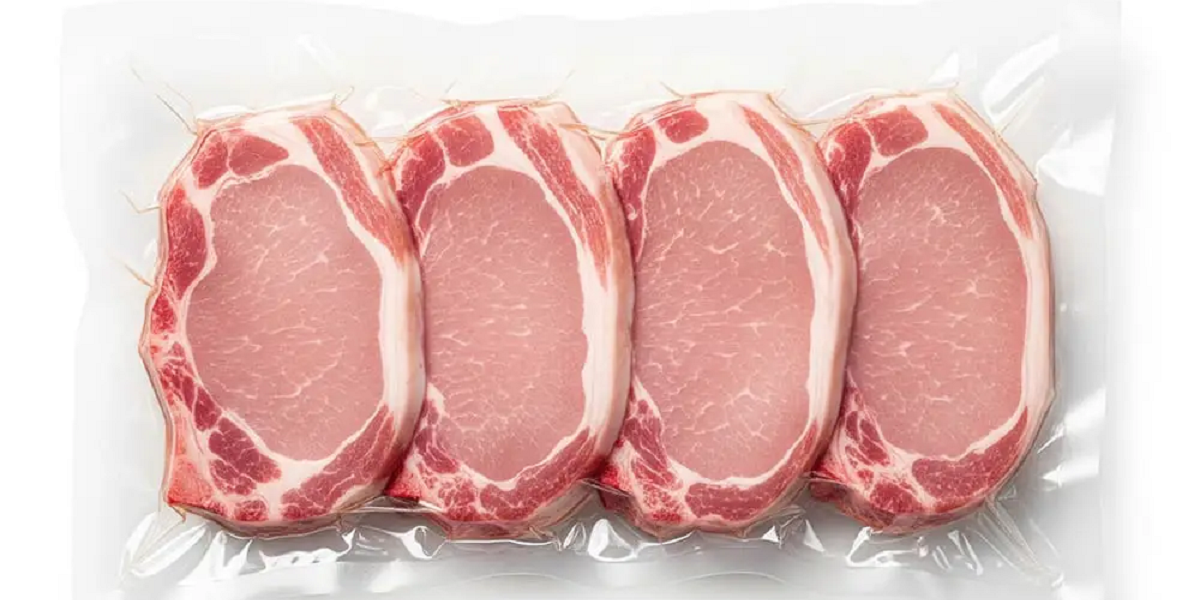
- Vacuum-packed meats can last 5–10 times longer than non-sealed meats.
- Snack foods packaged under nitrogen maintain crunchiness for up to 6 months.
4.3. Tamper Evidence and Hygiene
Heat-sealed packaging provides tamper-evident security, giving consumers confidence in product integrity. Once opened, the package cannot be resealed invisibly, preventing counterfeiting or contamination. In the post-pandemic market, hygiene and safety have become top purchasing factors — leading to a 40% increase in demand for sealed packaging solutions from 2020–2025.
4.4. Environmental Considerations
While heat seal packaging is traditionally associated with plastics, the industry is transitioning toward biodegradable sealable materials. Compostable films like PLA (Polylactic Acid) and bio-based PE allow sustainable sealing without sacrificing barrier performance. The 2025 trend report by Smithers predicts that eco-friendly heat seal packaging will account for 30% of global flexible packaging demand by 2030.
Conclusion
Heat seal packaging stands as one of the most reliable and efficient solutions in the global food industry. It effectively combats contamination, extends product shelf life, and enhances consumer trust. From small snack bags to industrial-scale vacuum pouches, heat sealing technology ensures that products reach consumers exactly as intended—fresh, safe, and high-quality.
With ongoing advancements in material innovation and automated sealing systems, the future of heat seal packaging will move toward greater sustainability, transparency, and functionality. As global consumers demand both safety and environmental responsibility, the evolution of heat seal packaging will continue to define the standards of modern food preservation.