Detailed Explanation of Instant Soup Powder Packaging
Anna_Yu
Detailed Explanation of Instant Soup Powder Packaging
Instant soup powder is widely used in household kitchens, restaurants, food service chains, and emergency food supplies due to its convenience, long shelf life, and ease of preparation. From chicken soup powder and vegetable blends to seafood seasonings and cream-based soup mixes, this product category continues to expand globally alongside the growing demand for ready-to-cook and instant food solutions.
However, instant soup powder presents unique packaging challenges. As a hygroscopic fine powder containing salt, spices, dehydrated vegetables, starches, fats, and flavor enhancers, it is highly sensitive to moisture, oxygen, light, and contamination. Even slight exposure to humidity can cause clumping, loss of flowability, microbial risks, and degradation of flavor compounds. Improper packaging not only affects product appearance and usability but also shortens shelf life and damages brand credibility.
Flexible packaging has become the preferred solution for instant soup powder manufacturers and private-label brands. Compared with rigid containers and simple plastic bags, flexible laminated structures offer superior moisture barriers, oxygen protection, sealing performance, lightweight transportation advantages, and strong customization flexibility. From single-serve sachets to stand-up pouches and bulk export bags, flexible packaging ensures product stability across storage and global distribution channels.
This detailed guide explains the most suitable packaging types, material structures, barrier technologies, functional features, and strategic considerations for instant soup powder packaging, helping brands optimize performance, cost efficiency, and market competitiveness.
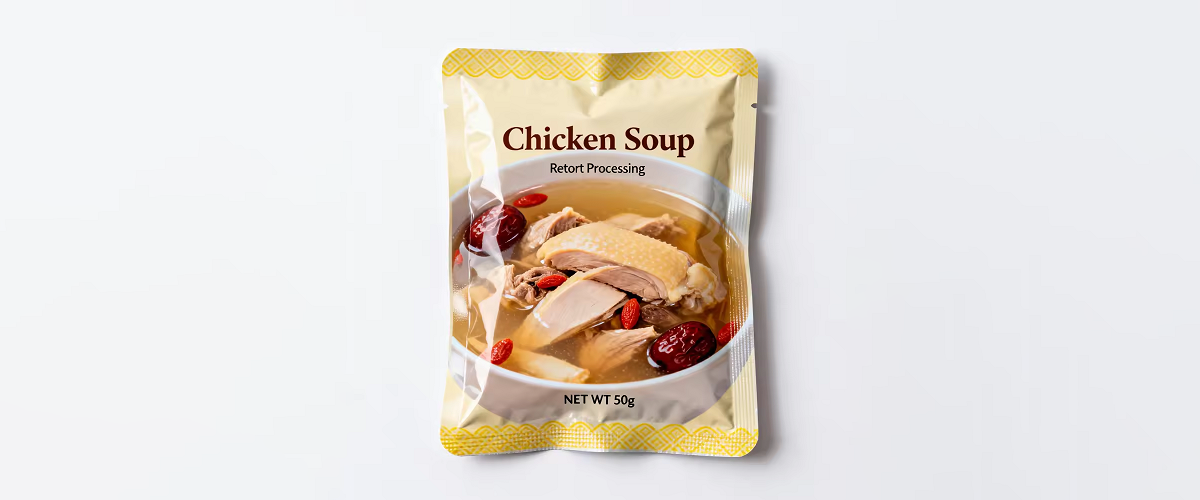
1. What Types of Flexible Packaging Are Best for Instant Soup Powder?
The choice of packaging format depends on portion size, sales channel, and target market.
Three-Side Seal Sachets
These are widely used for:
- Single-serve portions
- Catering and food service
- Promotional samples
Advantages include low material usage and compatibility with high-speed filling machines.
Pillow Packs (Flow Wrap)
Suitable for:
- Small household packs
- Secondary packaging inserts
They provide efficient sealing and cost-effective production.
Stand-Up Pouches (Doypack)
Ideal for:
- Retail multi-serve packs
- Premium product lines
- E-commerce sales
They offer excellent shelf visibility and allow resealable features.
Flat Bottom Bags
Often used for:
- Larger volume packs
- Premium branding
They provide better shelf stability and enhanced presentation.
Bulk Laminated Bags
Used for:
- Industrial and food processing clients
- Export shipments
These prioritize barrier performance and transportation durability.
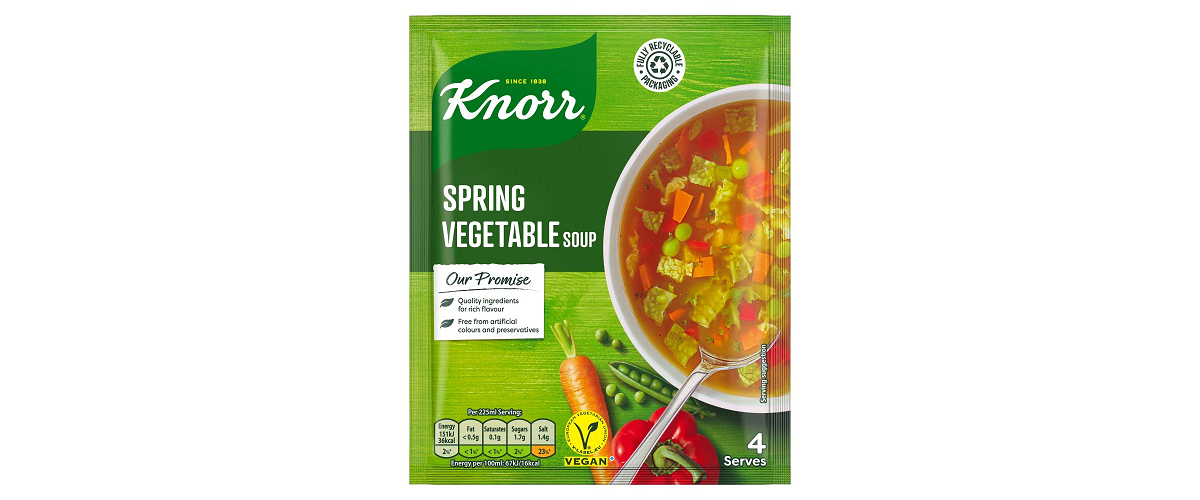
2. How Does Packaging Material Affect Moisture Resistance and Shelf Life?
Material selection is critical for powder stability.
Moisture Barrier Performance
Instant soup powder is highly hygroscopic. Exposure to moisture can lead to:
- Clumping
- Hardening
- Loss of free-flow properties
- Reduced solubility
Low MVTR materials prevent humidity penetration.
Oxygen Barrier Performance
Oxygen exposure causes:
- Oxidation of fats
- Flavor deterioration
- Nutrient degradation
High-barrier films reduce oxygen transmission rate (OTR).
Light Protection
Certain ingredients, such as spices and dehydrated vegetables, are light-sensitive. Metallized or foil layers help block UV exposure.
Heat Seal Strength
Strong sealing prevents:
- Air leakage
- Moisture ingress
- Microbial contamination
Reliable seals directly impact shelf life.

3. Which Barrier Structures Are Ideal for Protecting Instant Soup Powder from Clumping?
Multi-layer laminated structures provide optimal protection.
Common Laminate Structures
- BOPP/CPP: Basic moisture protection for short shelf life
- PET/PE: Improved strength and moderate barrier
- PET/VMPET/PE: Enhanced moisture and oxygen resistance
- PET/AL/PE: Maximum barrier performance for long-term storage
Structure Comparison
| Structure | Barrier Level | Application |
|---|---|---|
| BOPP/CPP | Moderate | Short-term retail |
| PET/PE | Medium | Standard retail |
| PET/VMPET/PE | High | Premium products |
| PET/AL/PE | Very High | Export & long shelf life |
Anti-Caking Considerations
In high-humidity regions, high-barrier laminates significantly reduce clumping risks by controlling moisture ingress.
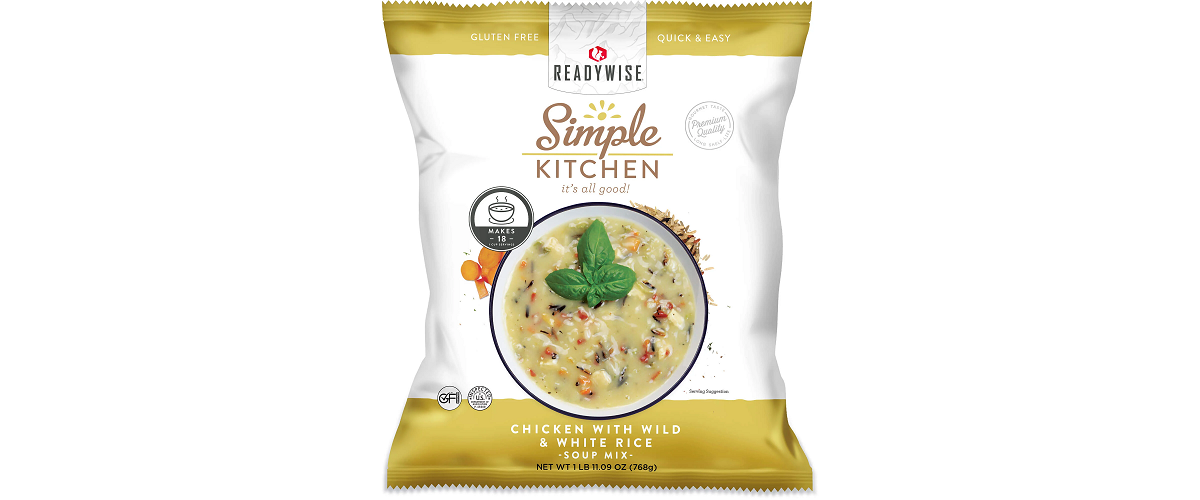
4. What Custom Features Should Be Included in Instant Soup Powder Packaging?
Functional features enhance usability and market appeal.
Resealable Zippers
Important for multi-serve packs:
- Maintains freshness after opening
- Prevents moisture absorption
- Improves user convenience
Tear Notches and Laser Scoring
Provide easy opening without damaging the package.
Nitrogen Flushing (Optional)
For premium or export products:
- Reduces oxygen content
- Slows oxidation
- Extends shelf life
Transparent Windows
Small controlled windows allow product visibility while maintaining barrier performance.
Measuring Aids
Printed measurement guides improve cooking convenience.
High-Definition Printing
Clear graphics communicate:
- Flavor type
- Preparation instructions
- Nutritional information
- Regulatory compliance
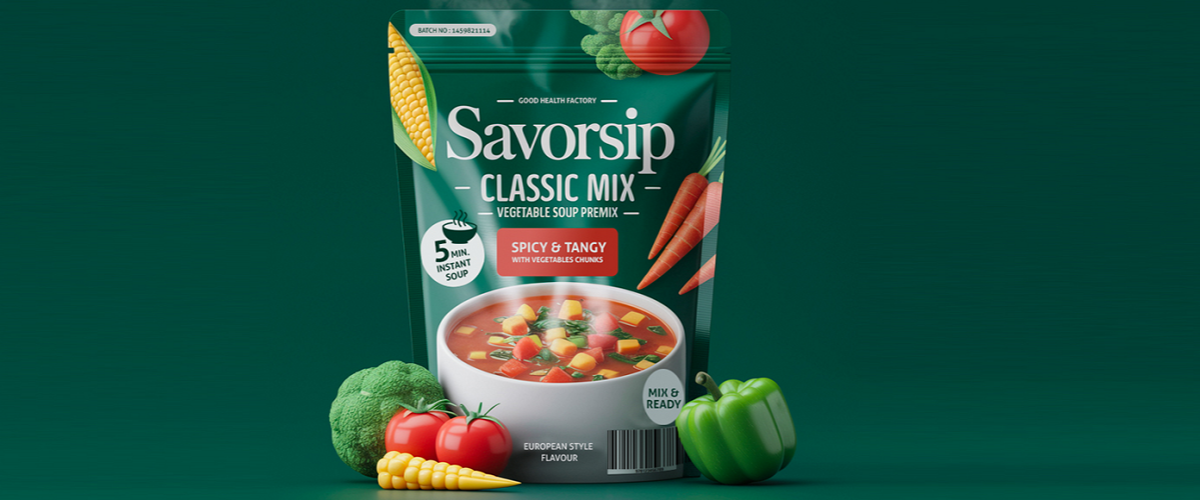
5. Instant Soup Powder Flexible Packaging: Key Factors for Storage, Distribution, and Export
Long-term performance depends on strategic packaging decisions.
Shelf-Life Requirements
Typical shelf-life targets include:
- 12 months (standard retail)
- 18–24 months (export markets)
Material structure must match these goals.
Climate Adaptability
Packaging must withstand:
- Tropical humidity
- Temperature fluctuations
- Long sea freight transit
High-barrier laminates are essential for export.
Cost vs. Performance Balance
Metallized films (VMPET) provide strong protection at lower cost than full aluminum foil structures.
Regulatory Compliance
Packaging must meet:
- FDA / EU food-contact standards
- Migration limits
- Labeling regulations
Especially for international trade.
Sustainability Strategy
Growing demand for:
- Recyclable mono-material structures
- Reduced material thickness
- Environmentally friendly inks
Drives innovation in flexible packaging design.
Industry Trends in Instant Soup Powder Packaging
| Trend | Description | Market Impact |
|---|---|---|
| Single-serve sachets | Convenience growth | Portion control |
| High-barrier films | Extended shelf life | Export expansion |
| Eco materials | Recyclable laminates | Sustainability branding |
| Smart packaging | QR traceability | Consumer trust |
| Premium finishes | Matte & metallic | Higher perceived value |
FAQ
What is the best packaging for instant soup powder?
Stand-up pouches or three-side seal sachets with high moisture barriers.
Does instant soup powder require aluminum foil packaging?
For export and long shelf-life products, aluminum foil laminates provide maximum protection.
How can packaging prevent clumping?
By using low MVTR materials and strong sealing to block moisture ingress.
Is nitrogen flushing necessary for soup powder?
It is recommended for premium or extended shelf-life products.
Conclusion
Instant soup powder packaging must effectively protect against moisture, oxygen, and contamination to maintain flowability, flavor, and safety. Flexible packaging provides the ideal balance of barrier performance, cost efficiency, customization, and logistics optimization. By selecting appropriate laminate structures, incorporating functional features such as resealable closures and nitrogen flushing, and aligning packaging design with export requirements, brands can significantly enhance product stability and market competitiveness. In a fast-growing global instant food market, advanced flexible packaging is not just protective—it is a strategic investment in long-term brand success.