Detailed Explanation of Potato Chip Packaging Bags
Anna_Yu
Detailed Explanation of Potato Chip Packaging Bags
Potato chips—crispy, lightweight, and highly sensitive to moisture and oxidation—are one of the most packaging-dependent snack foods in the world. The moment chips leave the fryer, every second counts: exposure to oxygen can trigger rancidity, humidity can soften their texture, and physical forces during shipping can easily crush them. To protect such a delicate, high-fat product, packaging plays a crucial role not only in maintaining freshness but also in delivering a strong shelf presence that attracts consumers. Modern potato chip packaging has evolved far beyond simple plastic bags, integrating advanced barrier materials, nitrogen-flushing technologies, multi-layer laminate structures, and sustainable innovations that help brands reduce waste while maintaining performance.
Before diving into the types of bags, materials, and functions of potato chip packaging, it’s essential to understand that the choice of packaging directly affects shelf life, transportation efficiency, product presentation, and even brand identity. Whether for premium kettle-cooked chips or economical mass-market snacks, the packaging strategy must balance cost, performance, marketing needs, and sustainability trends. This article provides a deep and systematic explanation of potato chip packaging—from commonly used bag types to material requirements, key protective functions, and the latest industry trends shaping the future of snack packaging.
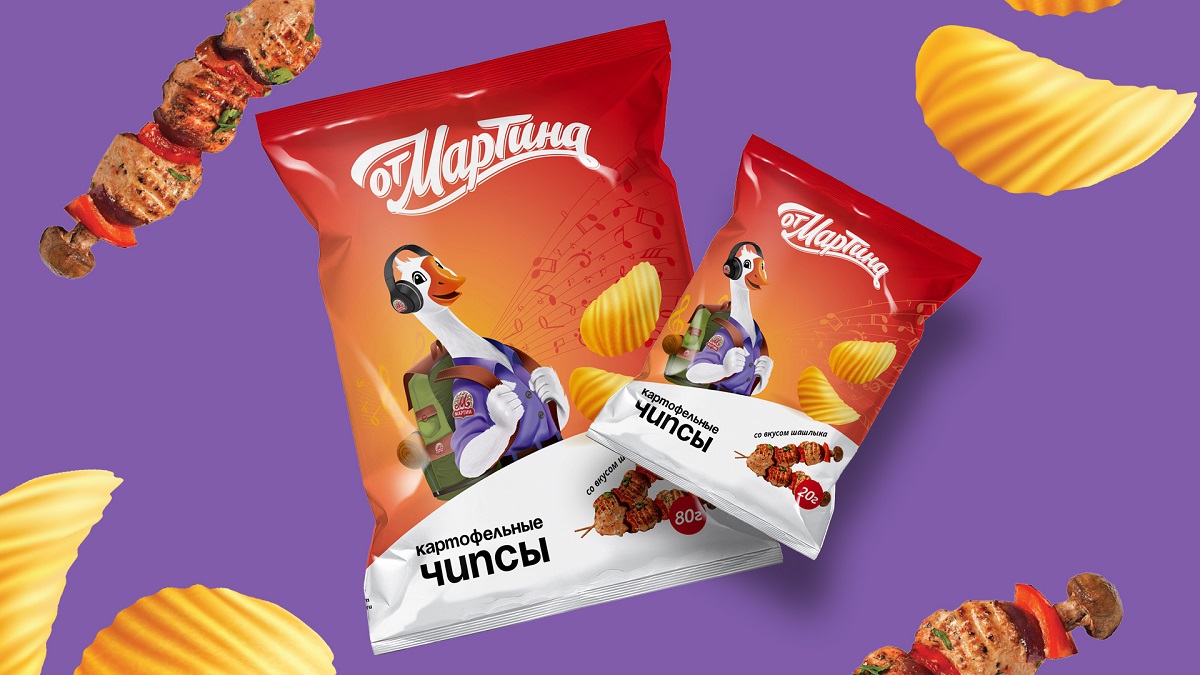
1. What types of bags are currently available for potato chips?
Potato chip packaging has diversified significantly in recent decades. While the iconic pillow-type bag remains dominant, newer structures and formats are gaining popularity due to branding, sustainability, and user experience factors.
1.1 Pillow Pouch (Vertical Form-Fill-Seal Bag / VFFS Bag)
This is the most widely used packaging type for potato chips globally.
Features:
- Economical and efficient for mass production
- Great for nitrogen flushing
- Lightweight, low-cost, high-speed filling
- Flexible printing area for branding
Applications:
Standard potato chips, wavy chips, flavored chips, mini snack packs.
1.2 Gusseted Bags (Side Gusset or Bottom Gusset)
Gusseted bags add extra space via expandable folds.
Advantages:
- Increased filling volume
- More stable presentation on shelves
- Better structural performance
Uses:
Family-size potato chip bags, premium kettle chip brands.
1.3 Stand-Up Pouches (Doypacks)
Increasingly seen in modern snack packaging.
Advantages:
- Attractive appearance
- Stands upright for excellent shelf impact
- Often used with resealable zippers
Disadvantages:
- Higher cost
- Not common for extremely fragile chips unless combined with rigid inserts
1.4 Canister Packaging (e.g., Pringles-type cylindrical cans)
Technically not a bag, but an essential packaging type for the chip market.
Advantages:
- Excellent crush resistance
- Uniform chip shape improves packing density
- Great for premium brand positioning
- Strong moisture and oxygen protection
1.5 Metalized Matte Bags & Specialty Finishes
Brands use advanced finishes to create perceived premium value.
Types include:
- Matte-metalized bags
- Holographic pouches
- Soft-touch laminate
- Paper-touch surface with foil lining
Comparison Table: Chip Bag Types
| Bag Type | Protection Level | Cost | Brand Impact | Common Use |
|---|---|---|---|---|
| Pillow Pouch | Medium–High | Low | Medium | Standard chips |
| Gusseted Bag | High | Medium | Medium–High | Family-size chips |
| Stand-Up Pouch | Medium–High | Medium–High | Very High | Premium lines |
| Canister | Very High | High | High | Uniform chips / premium |
| Specialty Finish Bags | Medium–High | Medium–High | Very High | Limited editions |
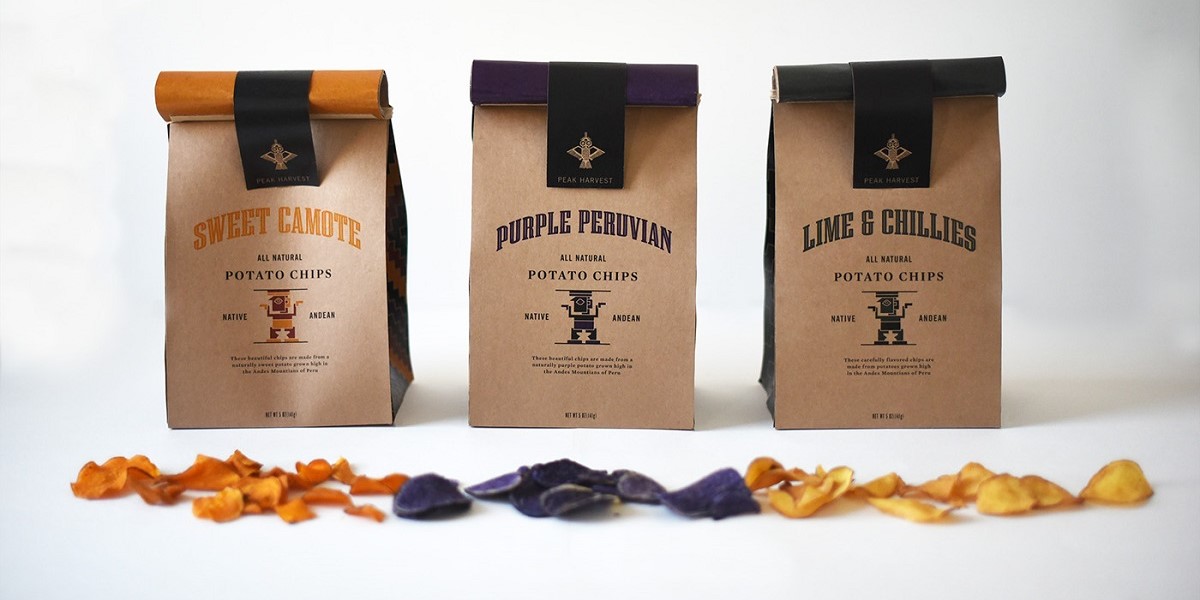
2. What should be considered regarding the materials used in potato chip packaging?
Packaging material is the core factor determining chip freshness. Chips are sensitive to oxygen, moisture, light, and physical pressure, so multi-layer laminates are used.
2.1 Key performance requirements
Potato chip packaging materials must provide:
-
High oxygen barrier
Prevents lipid oxidation, rancid smell, and flavor fading. -
Excellent moisture barrier
Keeps chips crisp and prevents sogginess. -
Light protection (UV barrier)
Prevents flavor degradation. -
Good mechanical strength
Protects chips from crushing during shipping. -
Heat-sealing stability
Ensures airtight seals during high-speed filling.
2.2 Common material structures
(1) PET / METPET / LLDPE
The most classic structure for potato chip bags.
- PET – good printability and stiffness
- METPET – metalized layer for high barrier
- LLDPE – inner sealing layer
Performance:
Strong barrier, shiny metallic appearance, cost-effective.
(2) BOPP / METBOPP / LLDPE
Widely used in Europe and Asia.
- BOPP – high clarity, low density
- METBOPP – metallized barrier layer
- LLDPE – sealing and flexibility
Benefits:
High-speed runnability and improved cost vs PET structures.
(3) Paper / Aluminum Foil / PE Structure (Premium & Specialty)
Used for special textures or artisan-style chips.
Advantages:
- Premium “paper touch” feel
- Ultra-high barrier from aluminum foil
- Excellent aroma retention
2.3 Why metalized film is popular
Metalized PET or BOPP is used because:
- Blocks ~99% of UV
- Excellent moisture barrier
- Lower cost and carbon footprint than pure aluminum foil
- Attractive metallic appearance
2.4 Inner lining requirements
The inner contact layer must be:
- Food-safe
- Heat-sealable
- Non-reactive
Typical materials: LLDPE, CPP, or metallocene PE.
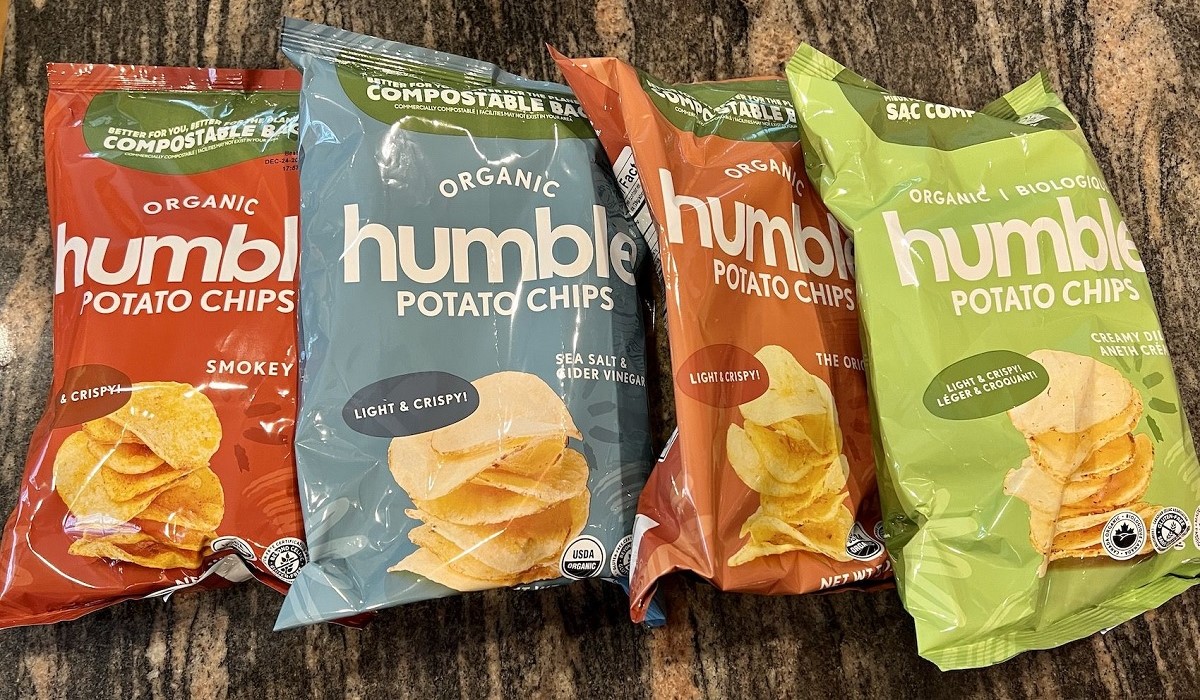
3. What is the main function of potato chip packaging?
Potato chip packaging serves much more than just containment. It performs a wide variety of crucial protective, logistical, and marketing roles.
3.1 Protection from Oxidation
Oxygen is the biggest enemy of fried snacks.
- Causes oil rancidity
- Leads to loss of aroma and crispness
- Shortens shelf life dramatically
To combat this, chip packaging uses:
- High barrier films
- Nitrogen flushing
- Tight heat seals
3.2 Moisture Protection
Even a small amount of humidity can soften chips. Packaging prevents:
- Moisture ingress during transport
- Steam penetration in humid climates
- Loss of crisp texture
3.3 Nitrogen Flushing: The “Cushion” Inside the Bag
Chips bags look “filled with air,” but it is nitrogen, not oxygen.
Functions:
- Prevents oxidation
- Acts as a cushion to protect chips from crushing
- Helps maintain bag shape on shelves
3.4 Light Protection
UV light degrades oils quickly.
Metalized films block most light and prevent:
- Flavor fading
- Color changes
- Nutrient loss
3.5 Physical Protection
Packaging protects chips from:
- Impact during transportation
- Compression during stocking
- Consumer handling pressure
3.6 Branding & Marketing Functions
Potato chip bags are marketing tools.
They provide:
- High-resolution printing
- Attractive finishes
- Material textures for premium feel
- Unique opening experiences
3.7 Convenience Features
Modern functions include:
- Resealable zippers
- Easy-open notches
- Stand-up display capabilities
- QR codes and brand stories
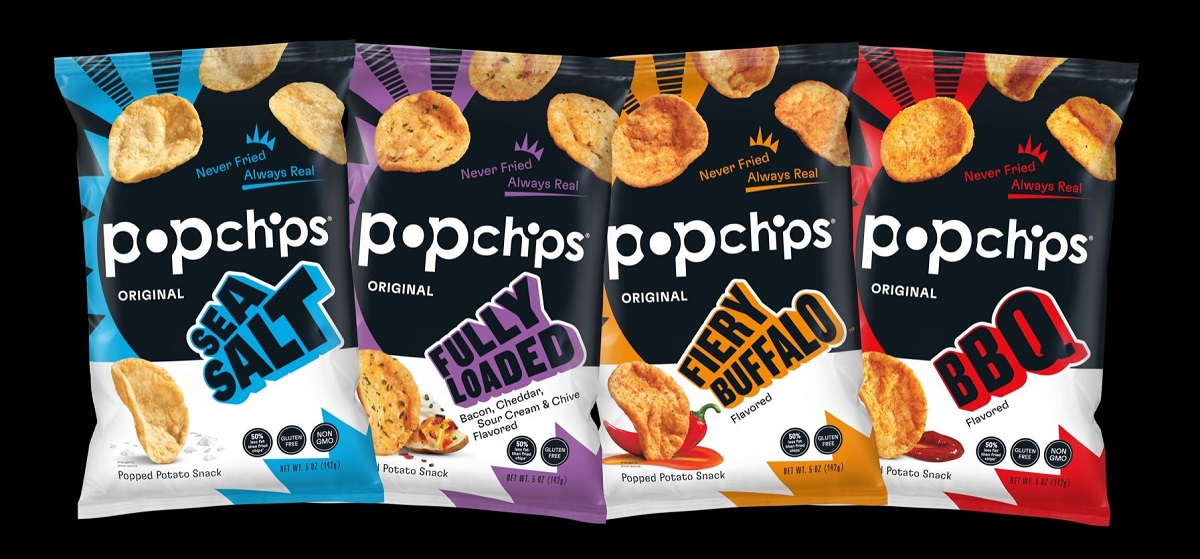
4. What are the future trends in potato chip packaging?
The snack industry is rapidly evolving. Packaging is adapting to technological improvements, sustainability concerns, and changing consumer expectations.
4.1 Sustainable Packaging
Brands are reducing plastic usage through:
- Mono-material solutions (e.g., all-PP or all-PE laminates)
- Recyclable metallized films
- Bio-based materials
- Compostable packaging (PLA, paper-based hybrids)
Regulations in the EU, Japan, and North America are accelerating this transition.
4.2 Reduction in Film Thickness
New technologies allow:
- Thinner PET
- High-barrier coatings
- Better mechanical strength with less material
This reduces waste and cost.
4.3 Improved Barrier Coatings
Replacing traditional aluminum layers with:
- AlOx (aluminum oxide)
- SiOx (silicon oxide)
- High-barrier nano-coatings
These transparent coatings allow for clear windows while maintaining protection.
4.4 Enhanced Printing Technologies
Future chip bags will feature:
- Digital printing for short runs
- Matte spot varnish effects
- QR codes with AR experiences
4.5 Smart Packaging
Emerging technologies include:
- Freshness indicators
- Anti-counterfeit labels
- Real-time supply chain tracking
4.6 Packaging that Enhances User Experience
Consumers want:
- Smooth tear-open designs
- Resealable features
- Rigid hybrid structures
- Premium tactile surfaces
4.7 Shift Toward Reusable Containers
Some brands experiment with:
- Rigid containers
- Refillable snack stations
- Metallic tins for premium chips
FAQ
1. Why are potato chips filled with nitrogen instead of air?
Because air contains oxygen, which causes chips to turn rancid. Nitrogen is inert and creates a cushion that protects chips during transport.
2. Why do chip bags have a metallic interior?
The metallic layer (usually METPET) provides high barriers against oxygen, moisture, and light.
3. Can potato chip bags be recycled?
Traditional multi-layer bags are difficult to recycle, but new mono-material structures are becoming more available.
4. Which packaging type best prevents chips from breaking?
Canisters (e.g., Pringles-style) provide the highest physical protection.
5. Are paper-based chip bags good for freshness?
Only if they contain an inner barrier layer such as foil, METPET, or a high-barrier coating.
Conclusion
Potato chip packaging is a highly engineered system that balances barrier performance, cost efficiency, visual appeal, and sustainability. From classic pillow pouches to advanced canister solutions and recyclable mono-material laminates, the choice of packaging directly influences product freshness, marketability, and environmental impact. As consumer expectations evolve and regulations push brands toward greener solutions, the future of potato chip packaging will continue to merge technological innovation with eco-friendly design. Understanding the materials, functions, and trends discussed in this article helps brands make informed decisions that not only protect their products but also strengthen market competitiveness in an increasingly demanding global marketplace.