Detailed Guide to Barrier Bags
Anna_Yu
Detailed Guide to Barrier Bags
1. What Are Barrier Bags?
In today’s fast-evolving packaging industry, barrier bags play a crucial role in protecting products from environmental factors that can compromise freshness, flavor, and integrity. They serve as the first line of defense between the product and the outside world — shielding against oxygen, moisture, light, aroma loss, and contaminants.
A barrier bag is a multi-layer flexible packaging material designed to preserve and extend the shelf life of perishable goods, such as food, pharmaceuticals, coffee, pet food, and even electronics. The “barrier” refers to the material’s resistance to transmission of gases or vapors, measured by metrics like OTR (Oxygen Transmission Rate) and WVTR (Water Vapor Transmission Rate).
Historical Background
The evolution of barrier packaging began with early food preservation efforts — from wax paper and tin foil to complex laminates. The introduction of polyethylene (PE) in the 1940s revolutionized the industry, offering a lightweight, sealable, and cost-effective material. Later, with advances in polymer science, high-barrier materials like PET, EVOH, and aluminum foil emerged, allowing packaging to achieve near-impermeable protection.
Today, barrier bags have become a standard requirement for any brand that prioritizes product freshness, safety, and sustainability.
The Purpose of Barrier Packaging
Barrier bags are not just about storage — they are about performance. Their goals include:
- Preventing oxidation and rancidity in food products.
- Blocking moisture to preserve texture and crunch.
- Maintaining aroma and flavor for products like coffee and spices.
- Ensuring safety by preventing contamination and leakage.
- Providing longer shelf life and enabling global distribution.
As industries move toward greener practices, the new generation of barrier packaging focuses on recyclable mono-material films that balance high performance with environmental responsibility.
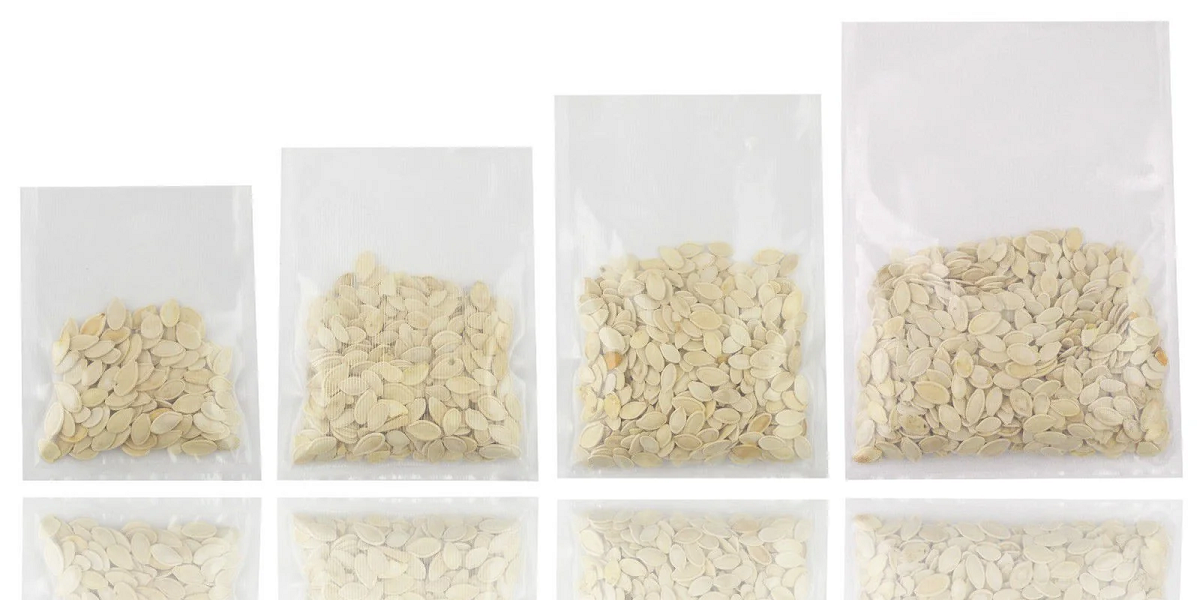
2. What Are the Different Types of Barrier Bags?
Barrier bags come in a variety of designs, structures, and materials, each suited for specific product categories and storage requirements. Understanding these types helps manufacturers choose the right solution for their application.
1. High-Barrier Bags
These are multi-layer laminates designed to completely block moisture, light, and oxygen. Commonly used for coffee, dried fruits, jerky, and powdered supplements, they often feature aluminum foil or metallized PET layers that offer maximum protection.
- Advantages: Excellent oxygen and moisture resistance.
- Applications: Long-term storage, export-grade goods, and vacuum-sealed products.
2. Medium-Barrier Bags
Used for products with moderate shelf-life requirements, such as snacks, cereals, and dry mixes. These bags use combinations like BOPP/PE or PET/PE, balancing cost and protection.
- Advantages: Cost-effective, good visual clarity, resealable options.
- Applications: Chips, granola, pasta, and bakery goods.
3. Low-Barrier Bags
These are single-layer or lightly laminated bags suitable for short-term packaging or inner linings. They protect against dust and handling damage but offer limited barrier protection.
- Advantages: Lightweight, inexpensive, recyclable.
- Applications: Produce, temporary packaging, or secondary wrapping.
4. Vacuum Barrier Bags
These bags are designed for vacuum sealing, removing oxygen to prevent microbial growth. Common in meat, cheese, and seafood industries.
- Advantages: Extends shelf life up to 300%.
- Applications: Frozen food, dehydrated meals, medical supplies.
5. Retort and Sterilization Bags
Used for ready-to-eat meals, soups, and sauces. Made with PET/AL/PA/CPP structures that can withstand high retort temperatures (up to 135°C).
- Advantages: Long shelf life, sterilization resistance.
- Applications: Canned alternatives, shelf-stable meals, baby food.
6. Transparent Barrier Bags
These incorporate EVOH or SiOx coatings, offering near-foil-level protection while remaining transparent — ideal for premium or visible products.
- Advantages: Visibility + protection.
- Applications: Nuts, snacks, organic products.

3. How Do Barrier Bags Work?
Barrier bags function based on scientific control of gas and vapor transmission. Each material layer within the bag plays a specific role, together forming a composite that blocks or slows down the penetration of gases, moisture, and light.
1. The Principle of Barrier Layers
Each layer in a barrier bag serves a unique purpose:
| Layer | Material Type | Function |
|---|---|---|
| Outer Layer | PET / BOPP | Printability, aesthetics, and toughness |
| Barrier Layer | Aluminum foil / EVOH / Metallized film | Blocks gases, odors, and moisture |
| Inner Layer | PE / CPP | Sealing, puncture resistance, and product safety |
The outer layer provides strength and design, the middle barrier layer ensures protection, and the inner layer allows heat sealing and food contact safety.
2. Oxygen and Moisture Transmission
The Oxygen Transmission Rate (OTR) and Water Vapor Transmission Rate (WVTR) define the performance of barrier films.
- Low OTR (<0.1 cc/m²/day) indicates excellent protection against oxidation.
- Low WVTR (<0.1 g/m²/day) indicates strong moisture protection.
Aluminum foil and metallized PET have some of the lowest OTR and WVTR rates, making them ideal for sensitive foods like coffee and snacks.
3. The Role of Seal Integrity
Even the best material cannot perform if the seal fails. Heat sealing ensures airtight closure, maintaining barrier properties. Common sealing methods include:
- Impulse sealing: For thick laminates.
- Continuous band sealing: For high-volume operations.
- Ultrasonic sealing: For precision, especially in medical packaging.
4. Environmental Factors
Temperature, humidity, and UV light can degrade packaging. Advanced coatings and additives are used to maintain performance under diverse storage conditions, especially for export or tropical markets.
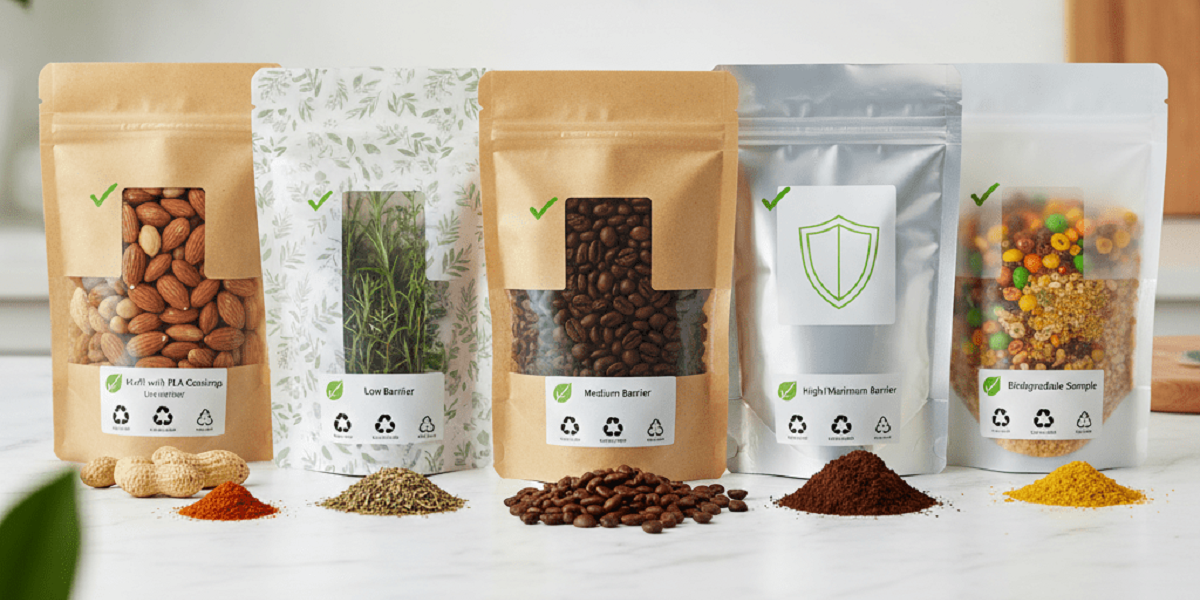
4. What Materials Are Used to Make Barrier Bags?
The choice of material determines the strength, recyclability, and protection level of barrier packaging. Below are the most commonly used materials:
1. Polyethylene (PE)
- Provides sealing strength and flexibility.
- Suitable for the inner layer of laminated structures.
- Recyclable and FDA-approved for food contact.
2. Polypropylene (PP)
- Higher heat resistance than PE.
- Used for clarity and stiffness.
- Common in snack and bakery packaging.
3. Polyethylene Terephthalate (PET)
- Excellent mechanical strength and temperature stability.
- Acts as a printable outer layer.
- Often combined with aluminum for enhanced protection.
4. Aluminum Foil
- Provides total light, moisture, and gas barrier.
- Ideal for long-term and high-sensitivity applications.
- Not recyclable in most municipal systems.
5. EVOH (Ethylene Vinyl Alcohol)
- Transparent high-barrier polymer.
- Superior oxygen-blocking performance.
- Used for retort pouches, sauces, and medical items.
6. Nylon (PA)
- Tough and puncture-resistant.
- Used for vacuum bags and retort applications.
- Enhances durability during transport and handling.
7. Metallized Films (MET PET, MET OPP)
- Combine visual appeal with barrier protection.
- Lightweight alternative to aluminum foil.
8. Sustainable Alternatives
With increasing global pressure for eco-friendly solutions, new options include:
- Mono-material PE or PP films (fully recyclable).
- Compostable PLA laminates.
- Bio-based PE derived from sugarcane.
These materials are part of the next generation of sustainable barrier packaging, balancing performance and circular economy goals.
5. How to Choose the Right Barrier Bag Packaging for Your Product?
Selecting the right barrier bag involves evaluating multiple factors — product type, shelf life, distribution environment, and brand identity.
Step 1: Identify Product Sensitivity
- Oxygen-sensitive: Coffee, nuts, jerky → High-barrier foil bags.
- Moisture-sensitive: Powdered foods, dry snacks → Metallized PET.
- Light-sensitive: Tea, spices, vitamins → Aluminum or opaque laminates.
Step 2: Determine Desired Shelf Life
Longer shelf life requires stronger barriers. Use EVOH or AL foil laminates for 12+ months of protection. For short-term storage, PET/PE is sufficient.
Step 3: Match Packaging to Storage Conditions
- Frozen: Use PE-based laminates for flexibility.
- Ambient: PET or BOPP-based bags work well.
- High-temperature: Retort-grade materials required.
Step 4: Branding and Aesthetic Considerations
Packaging is a marketing tool. Modern digital printing allows:
- Vivid color gradients.
- Metallic highlights.
- Window patches for product visibility.
- Matte-gloss hybrid textures.
Step 5: Sustainability and End-of-Life Disposal
Consumers are becoming more eco-conscious. Brands should opt for:
- Mono-material recyclable films.
- Compostable laminates for organic products.
- Clear recycling labeling to educate end users.
Step 6: Work With Professional Manufacturers
Manufacturers like SHUANGFU PACKAGING provide integrated services — from material engineering to printing and barrier performance testing — ensuring that your bag is not only functional but also brand-enhancing and market-compliant.
FAQ: Common Questions About Barrier Bags
Q1: What industries benefit most from barrier bags?
Barrier bags are widely used in food, coffee, pharmaceuticals, pet care, cosmetics, and agriculture, providing extended freshness and moisture resistance.
Q2: Are barrier bags recyclable?
Traditional multi-layer laminates are not, but new mono-material structures (PE/PE or PP/PP) are fully recyclable and increasingly replacing older designs.
Q3: How long can products last in barrier packaging?
Depending on product and material type, barrier packaging can extend shelf life from weeks to years, often tripling or quadrupling product longevity.
Q4: How can barrier performance be tested?
Manufacturers use OTR/WVTR testing, mechanical stress analysis, and accelerated aging studies to measure material performance.
Q5: Can barrier bags be customized for branding?
Yes. Barrier films support digital, gravure, and flexographic printing, allowing for premium-quality images and finishes that enhance shelf appeal.
Q6: What are the latest innovations in barrier technology?
- Plasma-coated barrier films for recyclable transparency.
- Bio-based polymer blends.
- Active oxygen scavenging layers that prolong freshness.
Q7: How do barrier bags compare with rigid packaging?
Barrier bags offer superior space efficiency, lower transportation costs, and higher customization potential compared to rigid packaging like cans or jars.
Q8: What is the role of SHUANGFU PACKAGING in this field?
SHUANGFU PACKAGING provides cutting-edge flexible packaging engineered for high barrier performance, aesthetic appeal, and sustainability compliance — helping brands protect their products and grow their market presence.
Conclusion
Barrier bags represent the intersection of science, design, and sustainability in modern packaging. Their ability to protect products from oxygen, light, and moisture has revolutionized industries ranging from food to pharmaceuticals. As technology advances, barrier materials are becoming lighter, stronger, and greener, setting the stage for a new generation of smart, eco-conscious packaging.
Whether your brand seeks to maintain the aroma of freshly roasted coffee, extend the shelf life of gourmet snacks, or ensure the sterility of pharmaceuticals, the right barrier bag is the foundation of quality assurance. With innovation leaders like SHUANGFU PACKAGING, companies can achieve both protection and presentation — ensuring that products stay safe, fresh, and market-ready in an increasingly competitive world.