Detailed Guide to Potato Chip Packaging Bags
Anna_Yu
Detailed Guide to Potato Chip Packaging Bags
1. Current Challenges Facing Bagged Potato Chips
Potato chips are one of the most popular snacks in the world, enjoyed across cultures, age groups, and markets. Yet, behind every perfectly crisp chip lies a serious packaging challenge. The reason is simple: chips are fragile, lightweight, and highly sensitive to oxygen and moisture. Without proper packaging, even the freshest batch can quickly lose its crunch and flavor.
The global snack food packaging market was valued at approximately $38 billion in 2023, and potato chips make up a significant portion of this number. However, brands face increasing pressure to balance cost-efficiency, product protection, and sustainability. Modern consumers not only expect chips to stay crispy but also demand eco-friendly, recyclable packaging.
Common challenges in today’s potato chip packaging include:
- Oxygen exposure: Causes oxidation of oils, leading to stale or rancid chips.
- Moisture penetration: Makes chips soggy and reduces shelf life.
- Fragility during transport: Chips easily break without air cushioning.
- Non-recyclable materials: Traditional multilayer films are difficult to recycle.
- Cost constraints: High-quality barrier films can be expensive.
In addition, rising global regulations on single-use plastics are forcing brands to reconsider their packaging structure. This has triggered innovation in packaging films, coatings, and sealing technologies to meet both quality and environmental goals.
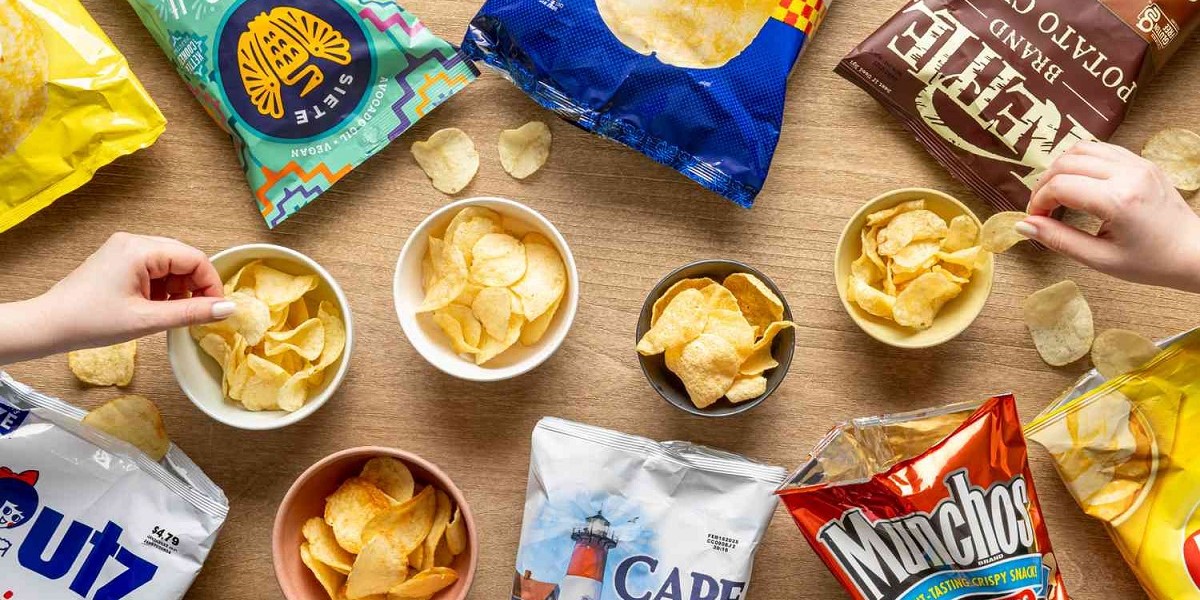
2. What Characteristics Should Potato Chip Packaging Bags Have?
For potato chips to remain crunchy and fresh from factory to consumer, their packaging must act as a complete barrier system. The ideal bag not only protects the chips but also conveys the brand’s identity and ensures convenience for consumers.
Here are the key characteristics of an excellent potato chip packaging bag:
-
High Oxygen Barrier
Chips are sensitive to oxidation, so the packaging must have low oxygen transmission rates. Layers of metalized film or aluminum foil provide exceptional barrier protection. -
Moisture Resistance
Even small amounts of humidity can ruin the texture of chips. Films like BOPP (biaxially oriented polypropylene) and PET are often used for their moisture resistance. -
Mechanical Strength
During shipping and handling, bags undergo significant stress. Laminated structures with nylon (PA) or PET improve puncture resistance and durability. -
Heat Sealability
The sealing layer, often LDPE or CPP, ensures airtight closure and prevents leakage of protective gases. -
Gas Flushing Capability
Modern chip bags are filled with nitrogen gas to displace oxygen. This helps maintain crispness and creates a cushion that protects chips from breakage. -
Light Protection
Exposure to light, especially UV, can cause oil degradation. Hence, metalized films are ideal to reflect light and preserve product quality. -
Attractive Printing Surface
Eye-catching packaging plays a vital role in influencing purchase decisions. Matte finishes, spot UV, and bold graphics make the brand stand out on retail shelves. -
Sustainability
As eco-awareness grows, manufacturers are experimenting with mono-material films that are easier to recycle, such as recyclable PE or PP laminates.
In summary, a good potato chip bag is a sophisticated, multi-layered engineering product designed to meet both technical and marketing demands.
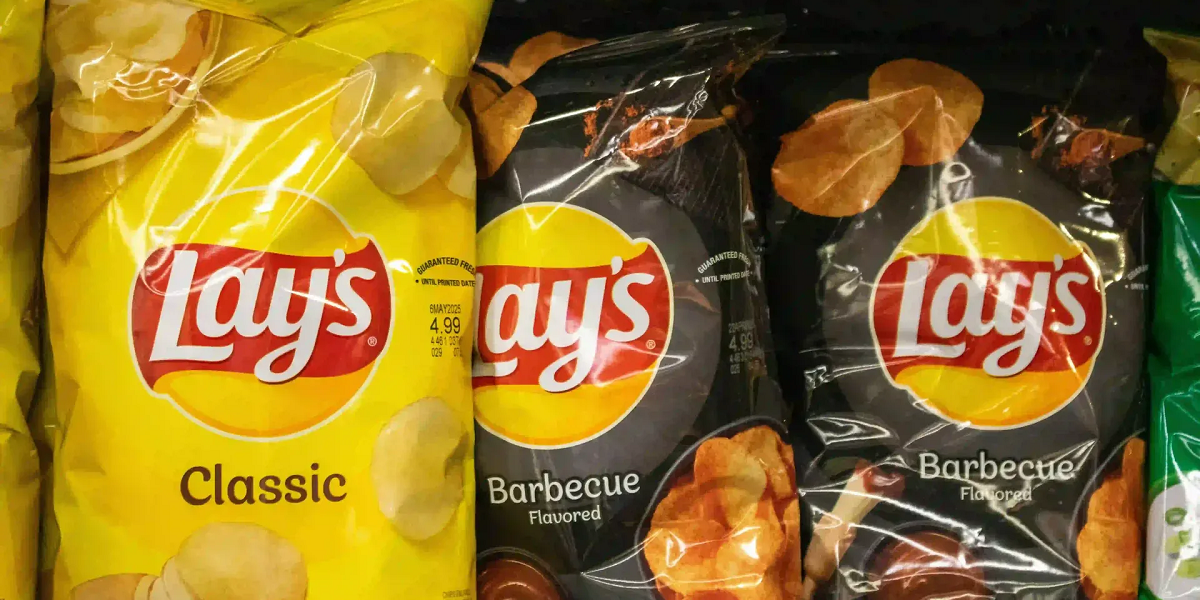
3. To Achieve These Characteristics, What Materials Are Used in Potato Chip Packaging Bags?
Potato chip bags are often misunderstood as simple plastic wrappers. In reality, they are carefully engineered laminates composed of multiple films, each providing a specific function.
Common Material Layers and Their Functions
| Layer | Material | Function |
|---|---|---|
| Outer Layer | BOPP / PET | Provides printability, gloss, mechanical strength |
| Middle Layer | Metalized PET or Aluminum Foil | Acts as barrier against oxygen, moisture, and light |
| Inner Layer | LDPE / CPP | Provides heat sealability and product safety |
| Optional Layer | Nylon (PA) | Adds puncture resistance and flexibility |
The most commonly used structures include:
- PET / MET-PET / PE
- BOPP / MET-BOPP / CPP
- PET / AL / PE
Each combination provides a balance between barrier performance, cost, and recyclability. For premium chips or export products, aluminum foil remains the go-to material due to its superior protective qualities. However, it is less environmentally friendly.
Emerging Sustainable Alternatives
The move toward sustainability is changing the material landscape. Today, brands are exploring:
- Mono-material PE films that can be recycled in existing PE streams.
- Bio-based plastics such as PLA (polylactic acid) for compostable packaging.
- Water-based coatings that replace traditional metalization.
- High-barrier recyclable PP films that maintain protection without aluminum.
In Europe and North America, large brands like PepsiCo and Nestlé are testing recyclable chip bag prototypes. By 2030, the snack packaging industry is expected to cut virgin plastic use by 30–40%, according to Statista projections.
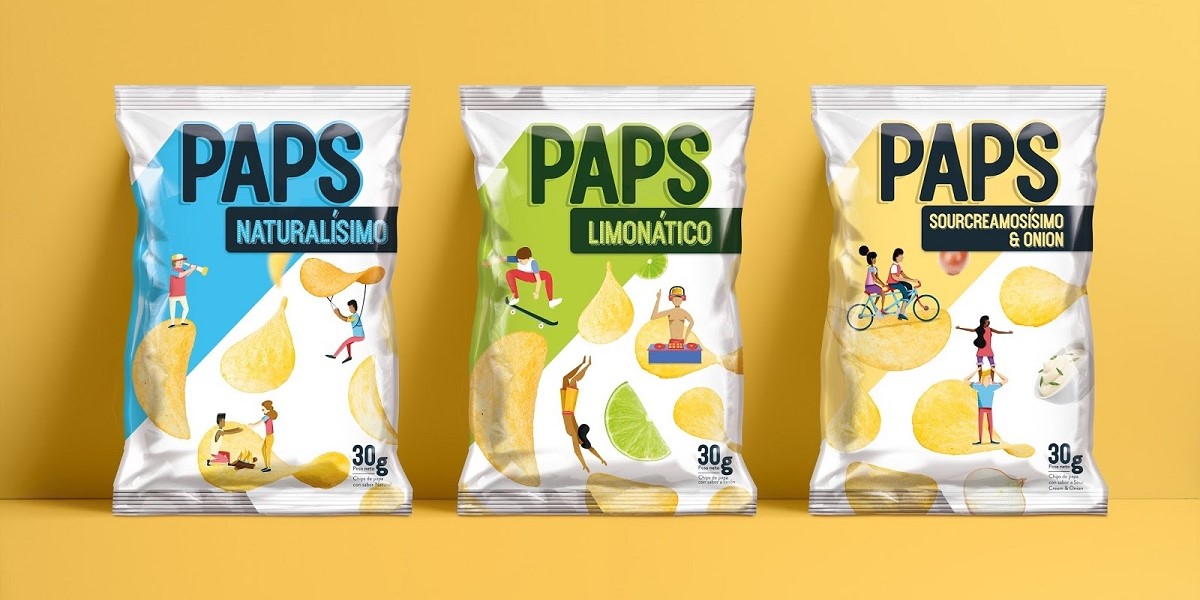
4. Future Trends in Potato Chip Packaging
As global consumer habits evolve, so too does the packaging industry. The future of potato chip packaging will revolve around innovation, sustainability, and digitalization.
1. Shift to Recyclable and Compostable Films
Governments worldwide are enforcing strict regulations on single-use plastics. This drives companies to switch to mono-material PE or PP films that can be easily recycled. Compostable films made from PLA or cellulose-based materials are also emerging as an eco-friendly option for niche markets.
2. Smart Packaging Integration
With the rise of IoT and digital labeling, smart packaging will allow brands to track freshness, verify authenticity, and provide dynamic marketing experiences. Embedded QR codes or NFC chips can help consumers learn about product origins, freshness, or sustainability certifications.
3. Lightweighting and Material Reduction
Reducing material thickness while maintaining barrier performance is a growing trend. Advances in nanocoatings and high-barrier layers make it possible to achieve similar protection with less plastic, reducing overall environmental impact.
4. Enhanced Design and Customization
Modern consumers expect emotional connection. Personalized packaging, limited-edition designs, and localized graphics are helping brands enhance visibility during seasonal campaigns or regional promotions. Digital printing technologies enable short runs and faster turnarounds for these designs.
5. Nitrogen Optimization and Active Packaging
Research into controlled gas flushing systems and oxygen scavenger films is improving product shelf life. Future chip bags may include active materials that absorb residual oxygen or moisture over time.
6. Circular Economy Adoption
Brands are now considering end-of-life strategies for packaging. From take-back programs to biodegradable laminates, the focus is on reducing landfill waste and maximizing material reuse.
Conclusion
Potato chip packaging might look simple, but it is one of the most technically sophisticated segments in the snack industry. It must protect fragile chips from air, moisture, and light while presenting a brand identity that catches consumers’ eyes. With global trends pushing for sustainability and circular economy, the industry is transforming toward recyclable, lighter, and smarter packaging solutions.
By integrating advanced materials, functional designs, and sustainable manufacturing, brands can ensure their chips stay crisp and delicious—while staying aligned with the future of eco-friendly innovation.