Do You Need to Replace Your Seasoning Packaging?
Anna_Yu
Do You Need to Replace Your Seasoning Packaging?
Seasonings are essential components in both household kitchens and industrial food production. From powdered spices and blended seasonings to granulated salt, sugar mixes, and compound flavor enhancers, these products are widely distributed through supermarkets, food service channels, and global export markets. However, despite strong product formulations, many seasoning brands overlook one critical factor that directly affects freshness, shelf life, brand image, and profitability: packaging performance.
Traditional seasoning packaging—such as thin single-layer plastic bags, low-barrier pillow packs, or rigid plastic bottles—may no longer meet modern market demands. Increasing humidity in storage environments, long-distance transportation, e-commerce shipping pressure, and rising consumer expectations for convenience and sustainability are exposing the limitations of outdated packaging solutions.
Seasonings are typically hygroscopic and sensitive to oxygen exposure. Improper packaging can result in clumping, flavor degradation, aroma loss, discoloration, contamination, and shortened shelf life. In highly competitive retail environments, weak packaging design can also reduce shelf impact and brand differentiation.
Flexible packaging has emerged as a modern, high-performance alternative that addresses these challenges. With advanced multi-layer laminates, superior moisture and oxygen barriers, resealable structures, and strong customization capabilities, flexible packaging enables seasoning manufacturers to enhance product stability, improve customer convenience, reduce logistics costs, and strengthen brand positioning.
This comprehensive guide explores how to determine whether your seasoning packaging needs an upgrade and how flexible packaging solutions can improve performance, cost efficiency, and long-term competitiveness.
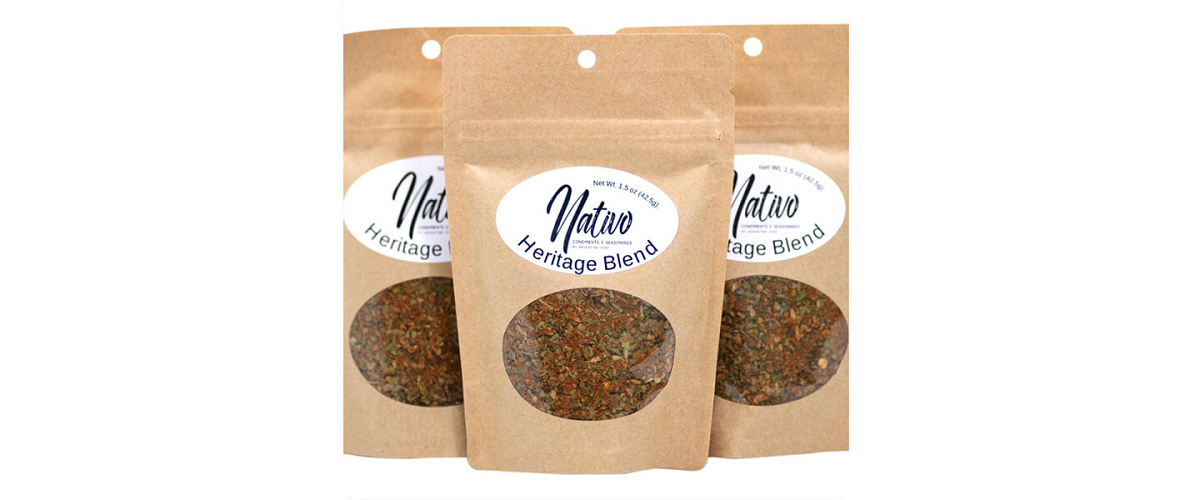
1. What Are the Signs That Your Seasoning Packaging Needs an Upgrade?
Identifying packaging weaknesses early can prevent product loss and customer dissatisfaction.
Frequent Clumping or Hardening
If seasoning powders:
- Form lumps
- Lose free-flow properties
- Become difficult to dispense
It often indicates insufficient moisture barrier protection.
Aroma Loss or Flavor Degradation
If customers report:
- Weakened aroma
- Reduced flavor intensity
- Off-odors
Oxygen barrier performance may be inadequate.
Short Shelf Life Compared to Competitors
If similar products offer longer shelf stability, your packaging structure may not provide sufficient barrier properties.
High Product Returns or Damage
Leakage, seal failure, or burst packaging during transportation suggests weak sealing strength or low puncture resistance.
Outdated Appearance
Retail competition requires:
- Modern graphics
- Clear branding
- Attractive finishes
Plain or low-quality packaging can reduce perceived value.
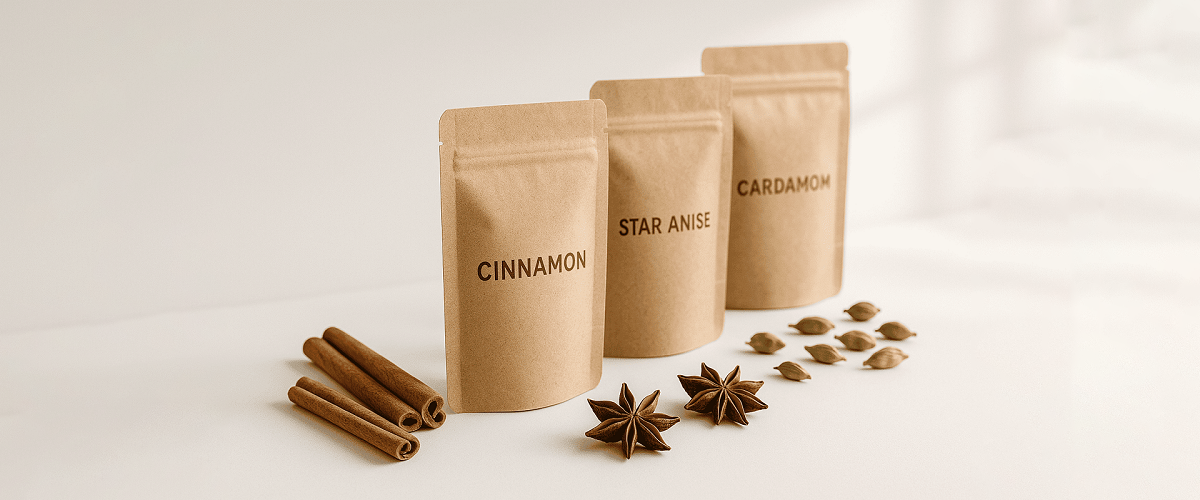
2. How Does Flexible Packaging Improve Seasoning Freshness and Shelf Life?
Flexible packaging offers superior protective performance.
Enhanced Moisture Barrier (Low MVTR)
Seasonings are highly hygroscopic. High-barrier laminates:
- Prevent humidity absorption
- Maintain powder flowability
- Reduce mold risks
Improved Oxygen Barrier (Low OTR)
Oxygen exposure causes:
- Oxidation of essential oils
- Aroma loss
- Nutrient degradation
Multi-layer films significantly reduce oxygen transmission.
Light Protection
Spices and herbs are sensitive to UV exposure. Metallized or foil layers block light and protect volatile compounds.
Strong Seal Integrity
Advanced heat-sealing ensures:
- Air-tight closure
- Reduced contamination risk
- Extended product stability
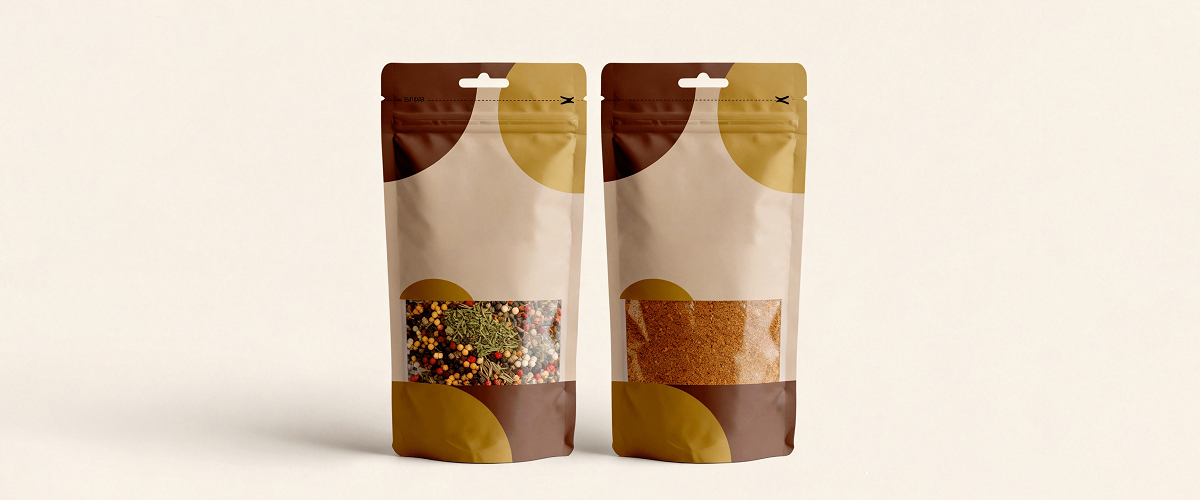
3. Which Packaging Materials Offer the Best Moisture and Oxygen Protection for Seasonings?
Material structure directly determines barrier performance.
Common Laminated Structures
- BOPP/CPP: Basic protection for short shelf life
- PET/PE: Improved strength and moderate barrier
- PET/VMPET/PE: High moisture and oxygen protection
- PET/AL/PE: Maximum barrier for export and long-term storage
Barrier Structure Comparison
| Structure | Moisture Barrier | Oxygen Barrier | Recommended Use |
|---|---|---|---|
| BOPP/CPP | Moderate | Moderate | Short-term retail |
| PET/PE | Medium | Medium | Standard seasoning packs |
| PET/VMPET/PE | High | High | Premium products |
| PET/AL/PE | Very High | Very High | Export & humid climates |
For high-humidity regions and long-distance shipping, high-barrier laminates are strongly recommended.
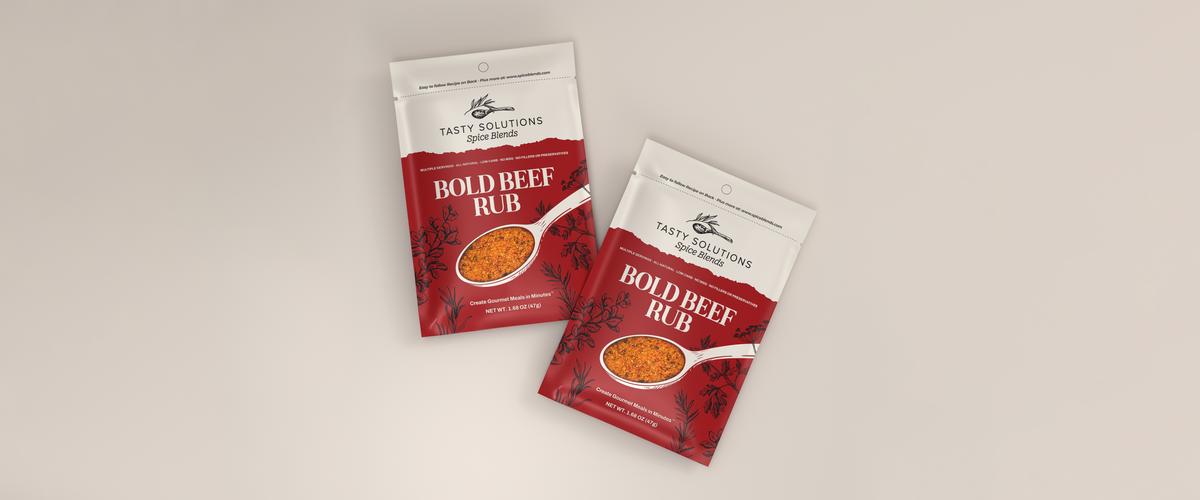
4. What Custom Features Can Enhance Convenience and Brand Appeal?
Modern packaging must combine performance with user experience.
Resealable Zippers
Ideal for:
- Multi-use seasoning packs
- Maintaining freshness after opening
- Reducing food waste
Highly valued by consumers.
Easy-Tear Notches
Provide convenient opening without compromising barrier performance.
Transparent Windows
Allow product visibility while maintaining overall barrier integrity.
Portion-Control Sachets
Single-serve sachets are suitable for:
- Catering
- Travel kits
- Promotional packaging
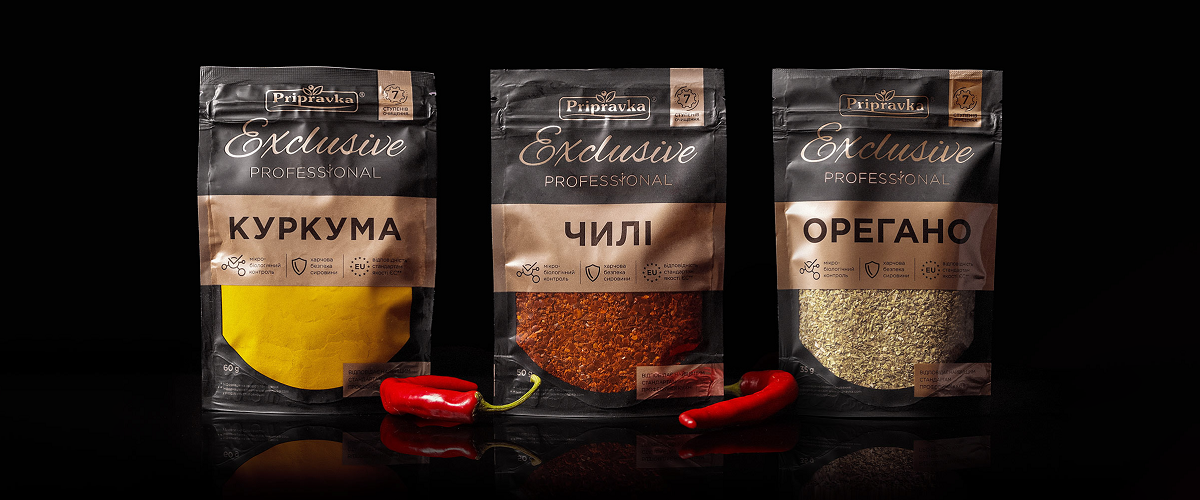
High-Definition Printing and Finishes
Options include:
- Matte or gloss finish
- Metallic effects
- Embossing
- Spot UV
These enhance shelf appeal and brand differentiation.
QR Codes and Smart Labels
Enable:
- Recipe sharing
- Traceability
- Consumer engagement
Supporting digital marketing strategies.
5. Flexible Packaging for Seasonings: Key Factors for Cost Efficiency and Long-Term Storage
Upgrading packaging should balance performance and cost.
Material Optimization
Flexible packaging reduces:
- Material weight
- Storage space
- Shipping costs
Improving overall profitability.
Shelf-Life Extension
Extended shelf life:
- Reduces product returns
- Minimizes waste
- Supports export expansion
Logistics Efficiency
Lightweight flexible packs improve:
- Carton loading efficiency
- Pallet optimization
- Transportation cost control
Sustainability Strategy
Increasing demand for:
- Recyclable mono-material PE films
- Reduced plastic thickness
- Eco-friendly inks
Aligns packaging with environmental goals.
Supplier Collaboration
Working with experienced packaging suppliers ensures:
- Accurate barrier matching
- Stable quality
- Cost-effective structures
- Regulatory compliance
Industry Trends in Seasoning Flexible Packaging
| Trend | Description | Market Impact |
|---|---|---|
| Resealable pouches | Increased consumer demand | Convenience growth |
| High-barrier laminates | Extended shelf life | Export expansion |
| Eco materials | Recyclable structures | Sustainability branding |
| Premium design | Matte & metallic finishes | Shelf differentiation |
| Single-serve sachets | Portion control | Food service growth |
FAQ
When should seasoning packaging be upgraded?
If clumping, aroma loss, leakage, or short shelf life occurs, an upgrade is recommended.
Is aluminum foil necessary for seasoning packaging?
For export or high-humidity markets, foil laminates provide maximum protection.
How does flexible packaging reduce costs?
It lowers shipping weight, storage space requirements, and material usage.
Are resealable features important for seasoning products?
Yes, especially for multi-use household packs.
Conclusion
Seasoning packaging plays a crucial role in protecting flavor, aroma, and product integrity. If your current packaging leads to clumping, oxidation, leakage, or weak shelf appeal, upgrading to high-performance flexible packaging can significantly improve freshness, shelf life, brand positioning, and cost efficiency. By selecting appropriate barrier structures, incorporating convenient resealable features, and aligning packaging design with modern retail and export demands, seasoning brands can enhance competitiveness and achieve long-term sustainable growth.