Do You Need to Switch to Flexible Packaging for Your Raisins?
Anna_Yu
Do You Need to Switch to Flexible Packaging for Your Raisins?
Raisins are one of the most widely consumed dried fruit products in the global food market. They are commonly used in bakery products, breakfast cereals, snack mixes, chocolate coatings, and healthy snack packs. With growing consumer demand for convenient, nutritious, and long-lasting food products, raisins have become an important category in both retail and export markets. However, despite their relatively long natural shelf life, raisins remain highly sensitive to moisture absorption, oxidation, contamination, and texture degradation.
Unlike fresh fruits, raisins belong to the low-moisture dried fruit category. While drying improves stability, improper packaging can still lead to stickiness, hardening, sugar crystallization, flavor loss, and microbial risks. Exposure to humidity and oxygen can rapidly reduce product quality and shorten shelf life. As international distribution channels become longer and more complex, traditional packaging solutions such as paper boxes, thin plastic bags, and rigid containers are no longer sufficient to meet modern storage and transportation requirements.
Flexible packaging has emerged as the preferred solution for raisin manufacturers, processors, and brand owners. Compared with rigid packaging and simple plastic bags, flexible packaging provides superior moisture control, enhanced oxygen barriers, excellent sealing performance, lightweight logistics advantages, and extensive customization possibilities. From pillow packs and stand-up pouches to multi-layer laminated export bags, flexible packaging enables raisin brands to protect product quality while improving shelf appeal.
This comprehensive guide explores whether raisin brands should switch to flexible packaging by analyzing packaging advantages, freshness preservation mechanisms, material selection, functional features, and key benefits for long-term storage and international trade.
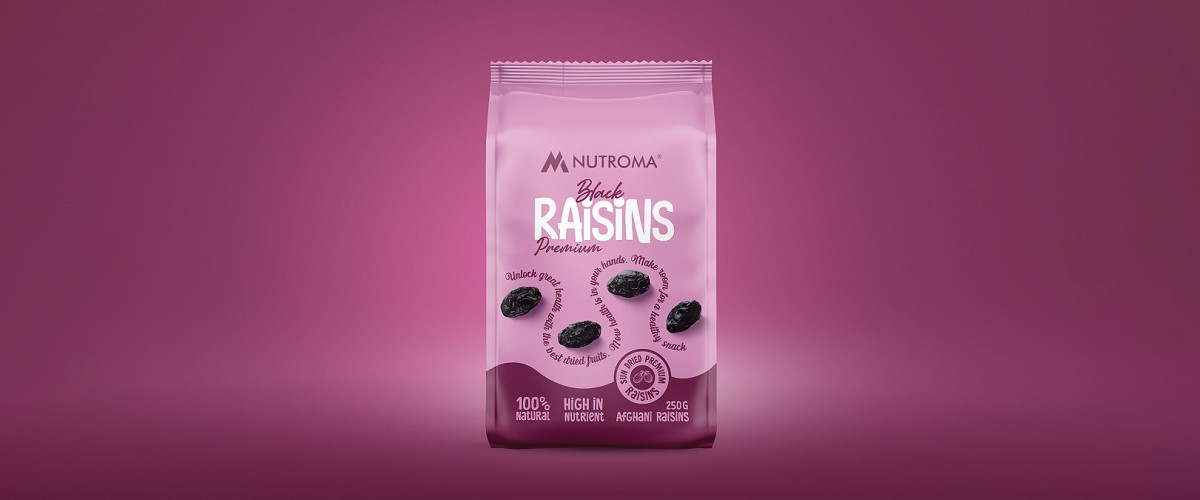
1. Why Is Flexible Packaging a Better Choice for Raisin Products?
Flexible packaging offers significant technical and commercial advantages for dried fruit products.
Superior Moisture Protection
Raisins are highly hygroscopic and easily absorb moisture from the environment. Flexible laminates provide strong moisture barriers that prevent:
- Stickiness
- Mold growth
- Sugar bloom
- Texture deterioration
This is essential for maintaining consistent quality.
Improved Oxygen Barrier Performance
Oxygen exposure leads to:
- Flavor degradation
- Nutrient loss
- Oxidative browning
Multi-layer flexible packaging significantly reduces oxygen transmission.
Lightweight and Cost Efficiency
Compared with rigid containers, flexible packaging:
- Reduces transportation costs
- Saves warehouse space
- Lowers carbon footprint
This improves supply chain efficiency.
Enhanced Branding and Shelf Presence
High-quality printing and custom finishes help brands communicate quality, origin, and health positioning.
E-Commerce and Export Compatibility
Flexible packaging is resistant to vibration, compression, and temperature changes, making it ideal for online sales and international logistics.
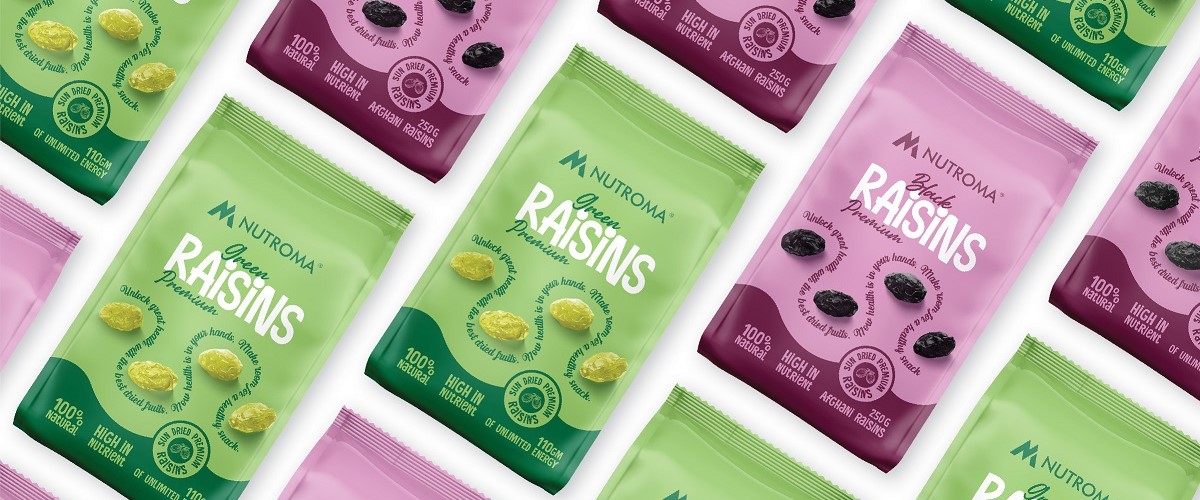
2. How Does Flexible Packaging Help Preserve Raisin Freshness and Texture?
Maintaining softness, elasticity, and natural sweetness is the main goal of raisin packaging.
Moisture Balance Control
Proper packaging maintains stable internal humidity. Poor control leads to:
- Over-drying and hardening
- Excessive moisture absorption
- Clumping and adhesion
Flexible laminates stabilize water activity.
Oxygen Reduction
Low OTR materials slow down:
- Oxidation of sugars
- Color darkening
- Flavor deterioration
This extends shelf life.
Contamination Prevention
High-integrity seals protect raisins from:
- Dust and insects
- Microbial contamination
- Cross-contact risks
This supports food safety compliance.
Texture Preservation
By limiting environmental interaction, flexible packaging helps raisins retain their chewy and soft mouthfeel.
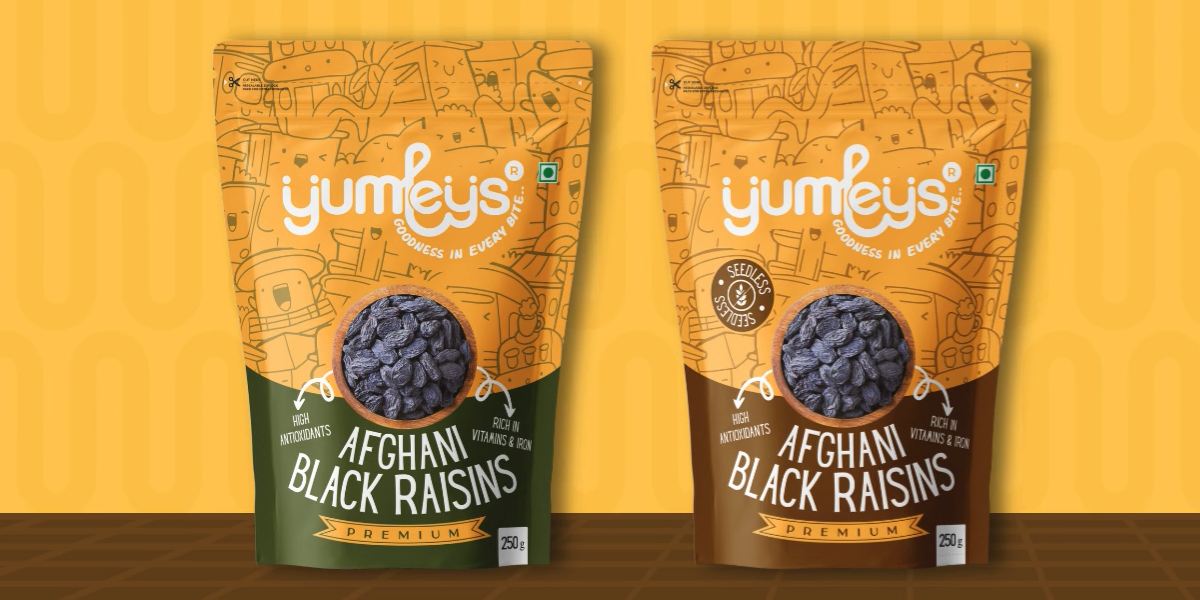
3. Which Flexible Packaging Materials Are Best for Raisin Storage?
Material selection must balance barrier performance, safety, sustainability, and cost.
Common Materials Used in Raisin Flexible Packaging
- BOPP / OPP: Good stiffness and printing quality
- PET: Mechanical strength and heat resistance
- PE / CPP: Food-contact sealing layers
- VMPET: Enhanced moisture and oxygen barrier
- Aluminum Foil (AL): Maximum protection for export
Typical Material Structures for Raisins
| Application | Recommended Structure | Key Benefit |
|---|---|---|
| Retail packs | BOPP/CPP | Cost-effective sealing |
| Premium packs | PET/VMPET/PE | Improved freshness |
| Export bags | PET/AL/PE | Long shelf life |
| MAP packs | PET/PE | Gas retention |
| Eco series | Mono PE | Recyclability |
Proper laminate design ensures stability under different climatic conditions.
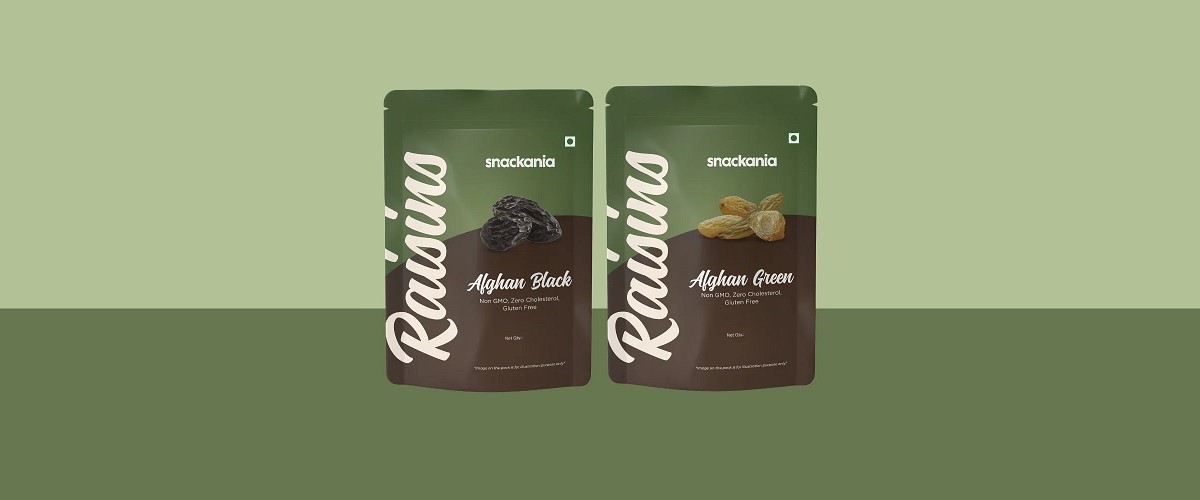
4. What Packaging Features Improve Shelf Life and Prevent Moisture Absorption?
Functional packaging features strongly influence raisin storage performance.
High-Quality Heat Seals
Strong seals prevent:
- Moisture ingress
- Air leakage
- Product contamination
Seal integrity is critical for dried fruits.
Resealable Zippers
Zippers support:
- Multi-use consumption
- Freshness retention after opening
- Reduced food waste
They are increasingly preferred by consumers.
Nitrogen Flushing (Optional)
Modified atmosphere packaging helps:
- Reduce oxygen content
- Prevent oxidation
- Improve shelf stability
Especially useful for export products.
Easy-Open Systems
Tear notches and laser scoring enhance user convenience.
Anti-Caking and Anti-Stick Coatings
Special inner layers help reduce clumping and adhesion in humid environments.
5. Flexible Packaging for Raisins: Key Benefits for Long-Term Storage and Export
Successful raisin packaging requires a long-term strategic approach.
Shelf-Life Targets
Most raisin products require:
- 6–12 months (standard retail)
- 12–24 months (export and bulk storage)
High-barrier structures are essential for extended storage.
Transportation Conditions
Packaging must withstand:
- Sea freight humidity
- Temperature fluctuations
- Long transit times
Especially for overseas markets.
Cost vs. Performance Optimization
VMPET laminates offer strong protection at moderate cost, while foil laminates serve premium export markets.
Regulatory Compliance
Packaging must comply with:
- FDA / EU food-contact standards
- Migration regulations
- Traceability requirements
This is critical for international trade.
Brand Positioning
Flexible packaging enables:
- Health-focused branding
- Organic and natural positioning
- Private-label customization
Improving market competitiveness.
Industry Trends in Raisin Flexible Packaging
| Trend | Description | Market Impact |
|---|---|---|
| Resealable packs | Growing zipper adoption | Convenience improvement |
| Eco materials | Recyclable laminates | Sustainability branding |
| Portion control | Mini packs | Snacking growth |
| Smart labeling | QR traceability | Consumer trust |
| Premium finishes | Matte & soft-touch | Value perception |
FAQ
Is flexible packaging better than rigid containers for raisins?
Yes. Flexible packaging offers better moisture control and lower logistics costs.
Do raisins need aluminum foil packaging?
Only for long-distance export or extended shelf-life products.
Can flexible packaging prevent raisins from becoming sticky?
Yes. High moisture barrier materials significantly reduce stickiness.
Are resealable pouches necessary for raisin products?
They are highly recommended for multi-use and retail convenience.
Conclusion
Switching to flexible packaging is a strategic decision for modern raisin brands seeking improved freshness, longer shelf life, and stronger market competitiveness. By combining high-performance barrier materials, reliable sealing systems, and functional features such as resealable closures and nitrogen flushing, manufacturers can protect product quality while reducing logistics costs and environmental impact. In an increasingly globalized dried fruit market, flexible packaging is not just an option—it is a foundation for sustainable brand growth.