Does Your Product Require Recyclable Packaging?
Anna_Yu
Does Your Product Require Recyclable Packaging?
Sustainability is no longer a niche concern—it has become a central requirement for modern brands operating in global markets. Consumers, retailers, and regulators are increasingly demanding packaging solutions that reduce environmental impact, minimize waste, and support circular economy goals. Among these expectations, recyclable packaging has emerged as one of the most important criteria for product packaging design.
For many companies, the question is no longer whether to adopt recyclable packaging, but how and when to implement it effectively. While recyclable flexible packaging offers clear environmental and branding advantages, it also introduces technical challenges—particularly in balancing recyclability with barrier performance, durability, and cost.
Determining whether your product requires recyclable packaging depends on several factors, including market positioning, regulatory requirements, product sensitivity, and supply chain considerations. This guide explores why recyclable packaging is essential, how to evaluate its necessity, the materials available, and the trade-offs involved in adopting recyclable flexible packaging solutions.
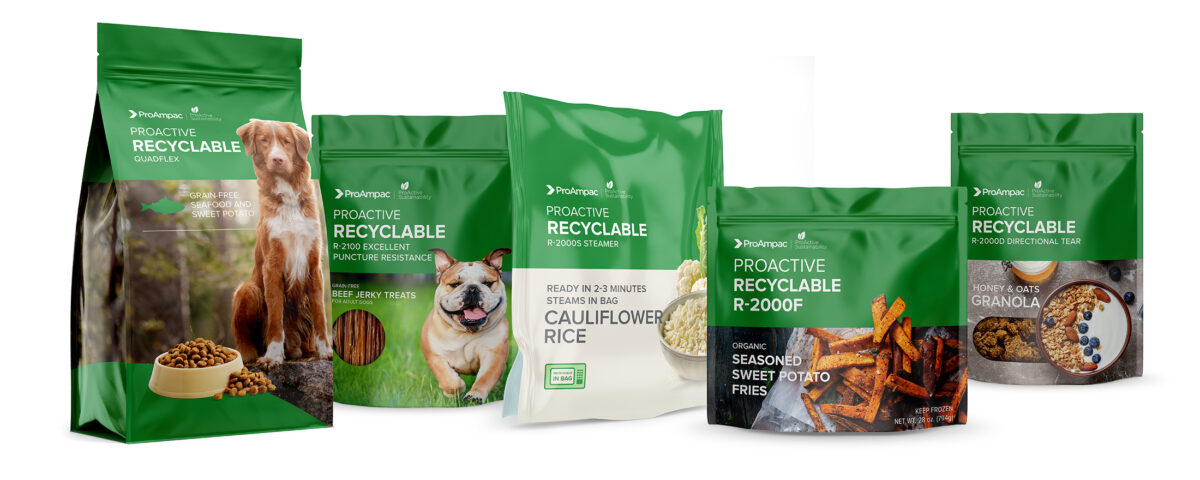
1. Why Is Recyclable Packaging Becoming Essential for Modern Brands?
Recyclable packaging is driven by multiple industry forces.
Consumer Demand
Modern consumers increasingly prefer brands that:
- Use sustainable materials
- Reduce environmental impact
- Communicate eco-friendly values
Regulatory Pressure
Governments worldwide are introducing:
- Plastic reduction policies
- Extended Producer Responsibility (EPR) programs
- Recycling targets and mandates
Retailer Requirements
Major retailers often require suppliers to adopt recyclable or sustainable packaging.
Brand Differentiation
Sustainability can enhance:
- Brand image
- Customer loyalty
- Market competitiveness
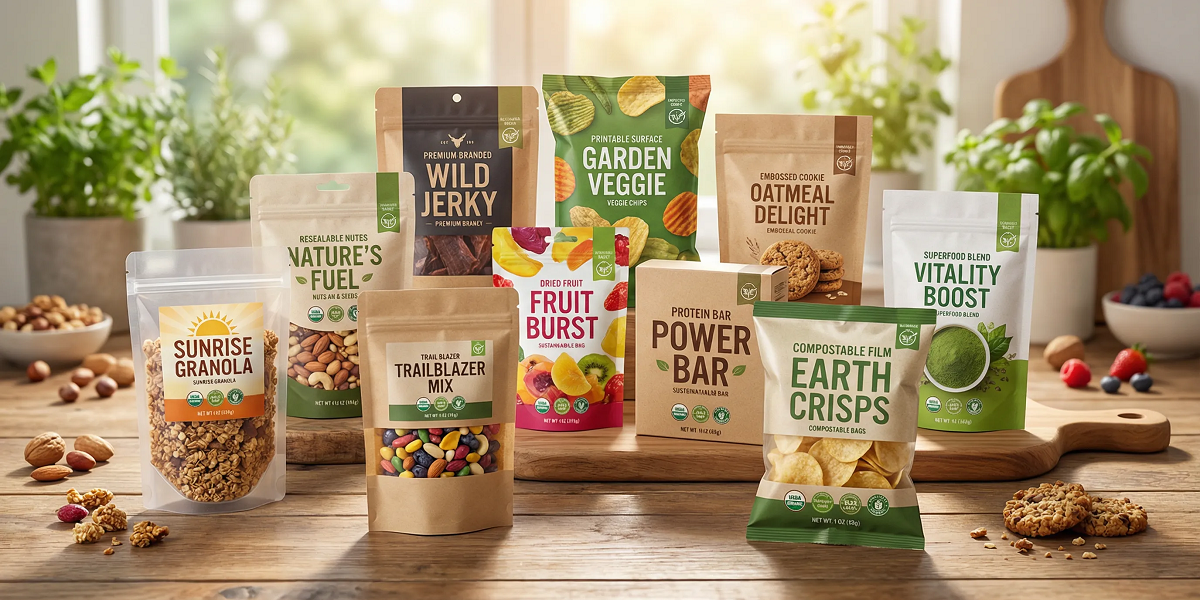
2. How Do You Determine If Your Product Needs Recyclable Flexible Packaging?
Not all products have the same packaging requirements.
Product Sensitivity
Consider whether your product requires:
- High barrier protection
- Moisture resistance
- Oxygen control
Highly sensitive products may need advanced structures.
Market Positioning
Premium and eco-conscious brands benefit more from recyclable packaging.
Distribution Channels
Export markets and large retailers may require compliance with sustainability standards.
Shelf Life Requirements
Long shelf-life products may require stronger barrier materials, affecting recyclability choices.
Cost Considerations
Evaluate whether recyclable materials align with your cost structure and pricing strategy.
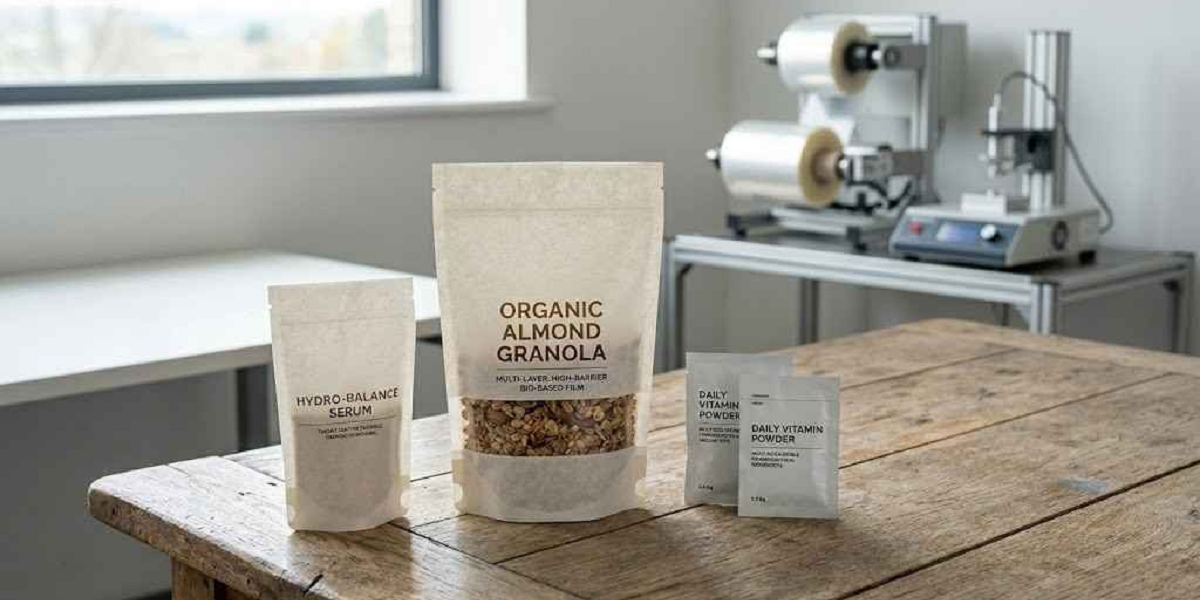
3. Which Recyclable Materials Are Suitable for Flexible Packaging Solutions?
Advancements in materials have expanded recyclable options.
Mono-PE (Polyethylene)
- Fully recyclable in many systems
- Good flexibility
- Suitable for pouches and films
Mono-PP (Polypropylene)
- Recyclable structure
- Higher heat resistance than PE
- Suitable for various food applications
PE-Based Laminates
- Designed to maintain recyclability
- Improved barrier properties compared to single-layer films
Paper-Based Packaging with Minimal Plastic
- Combines paper with thin barrier layers
- Offers partial recyclability and strong sustainability appeal
Emerging High-Barrier Recyclable Films
- Advanced coatings provide improved protection
- Designed to replace multi-material laminates
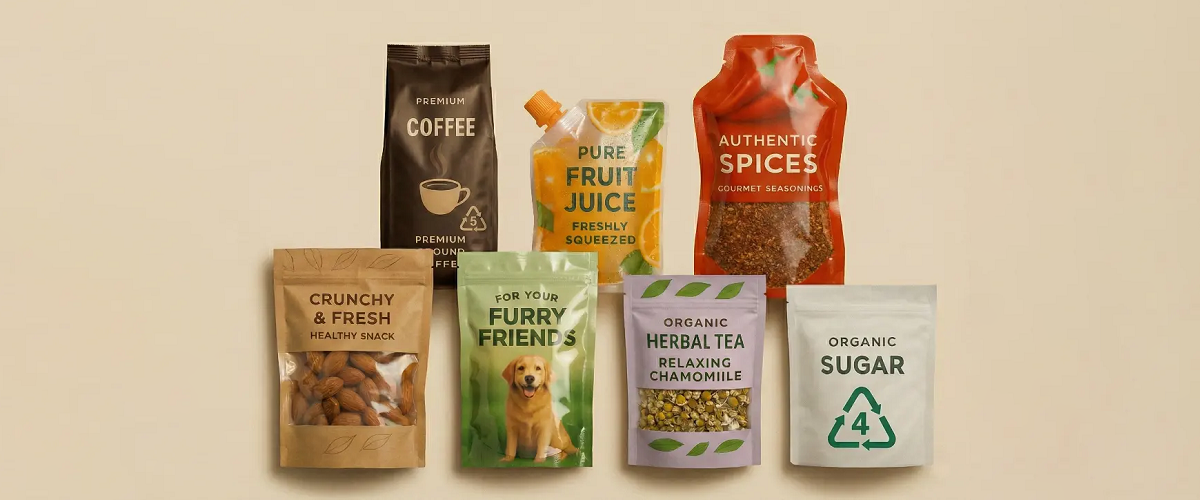
4. What Are the Trade-Offs Between Recyclability and Barrier Performance?
One of the biggest challenges is balancing sustainability with functionality.
Barrier Limitations
Recyclable mono-materials often provide:
- Lower oxygen barrier
- Reduced moisture protection compared to multi-layer laminates
Shelf Life Impact
Shorter shelf life may occur if barrier performance is insufficient.
Material Thickness
Thicker recyclable films may be required to achieve similar performance, increasing cost.
Processing and Compatibility
Switching to recyclable materials may require:
- Equipment adjustments
- New sealing parameters
Cost Implications
Recyclable materials can sometimes be more expensive due to newer technology and lower economies of scale.
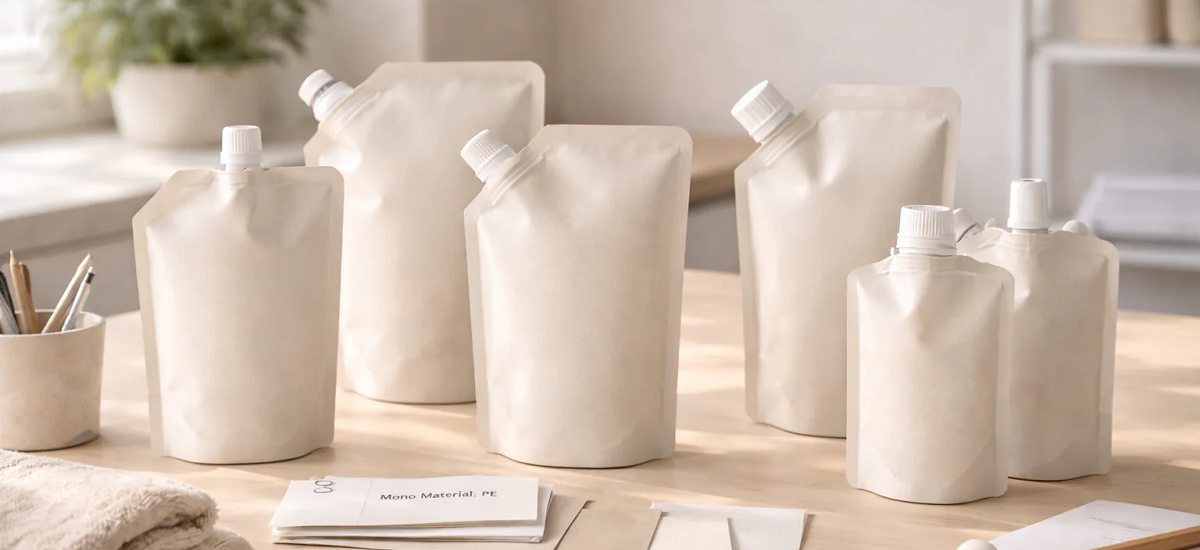
5. Recyclable Flexible Packaging: Key Factors for Sustainability, Cost, and Compliance
A successful recyclable packaging strategy must consider multiple factors.
Sustainability Goals
Align packaging decisions with long-term environmental objectives.
Regulatory Compliance
Ensure packaging meets local and international recycling standards.
Performance Requirements
Balance barrier properties with recyclability to maintain product quality.
Cost Efficiency
Evaluate total cost, including materials, production, and logistics.
Consumer Communication
Clearly communicate recyclability through labeling and branding.
FAQ
Is recyclable packaging suitable for all products?
No. Highly sensitive products may require high-barrier materials that are not fully recyclable.
What is mono-material packaging?
Packaging made from a single type of material (e.g., all PE), making it easier to recycle.
Does recyclable packaging reduce shelf life?
It can, depending on the barrier properties of the material used.
Is recyclable packaging more expensive?
In some cases, yes, but costs are expected to decrease as technology advances.
Conclusion
Recyclable packaging is becoming an essential component of modern packaging strategies, driven by consumer demand, regulatory requirements, and sustainability goals. While it offers clear environmental and branding benefits, adopting recyclable flexible packaging requires careful consideration of product needs, barrier performance, and cost implications. By selecting appropriate materials, evaluating trade-offs, and aligning with market expectations, brands can successfully transition to more sustainable packaging solutions without compromising product quality. As innovation continues to improve recyclable materials, businesses that invest early in sustainable packaging will be better positioned for long-term success in an increasingly eco-conscious market.