Dog Food Flexible Packaging Bag Strategy Guide
Anna_Yu
Dog Food Flexible Packaging Bag Strategy Guide
The global pet food market—especially dog food—has entered a phase of rapid premiumization, diversification, and brand competition. Today’s dog owners are no longer just buying food; they are buying nutrition, safety, transparency, convenience, and brand values. In this context, packaging is no longer a simple container—it has become a strategic tool that directly affects product freshness, logistics efficiency, regulatory compliance, shelf appeal, and consumer trust.
Flexible packaging bags have gradually replaced traditional rigid packaging (such as cans, cartons, and buckets) in the dog food industry due to their superior barrier performance, lower transportation costs, and strong design flexibility. From dry kibble and freeze-dried food to wet food, treats, and functional supplements, flexible packaging offers scalable solutions for nearly all dog food categories.
This strategy guide provides a systematic and industry-oriented analysis of dog food flexible packaging bags. We will explore which bag types work best for dog food, how materials influence freshness and shelf life, which barrier and sealing features are critical, how packaging impacts branding and sales, and what manufacturers must consider when developing a long-term packaging strategy. Whether you are launching a new pet food brand or optimizing existing packaging, this guide will help you make informed, market-driven decisions.
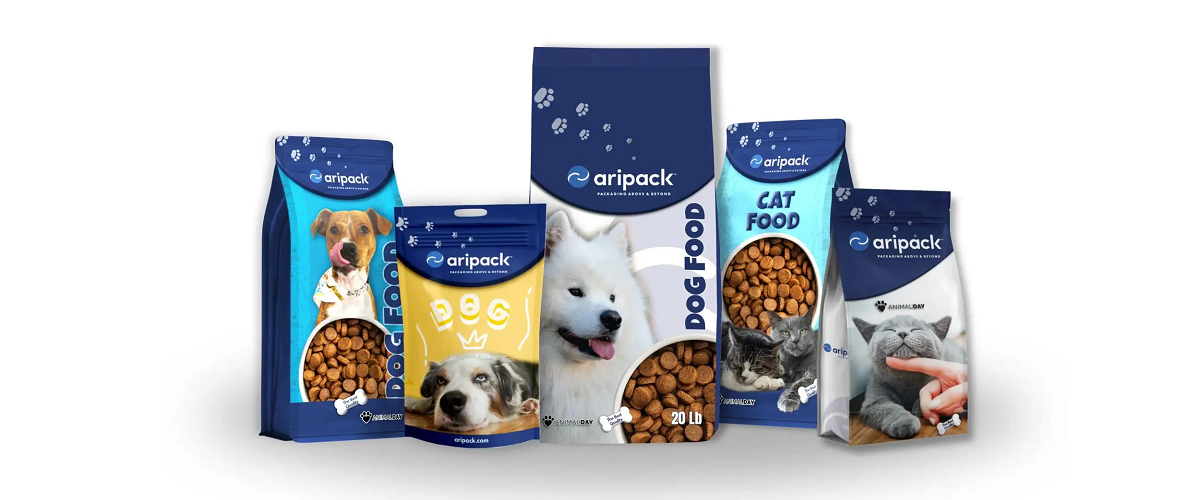
1. What Types of Flexible Packaging Bags Are Best for Dog Food Products?
Different types of dog food require different packaging solutions. Selecting the right bag type depends on product form, weight, usage frequency, and retail channel.
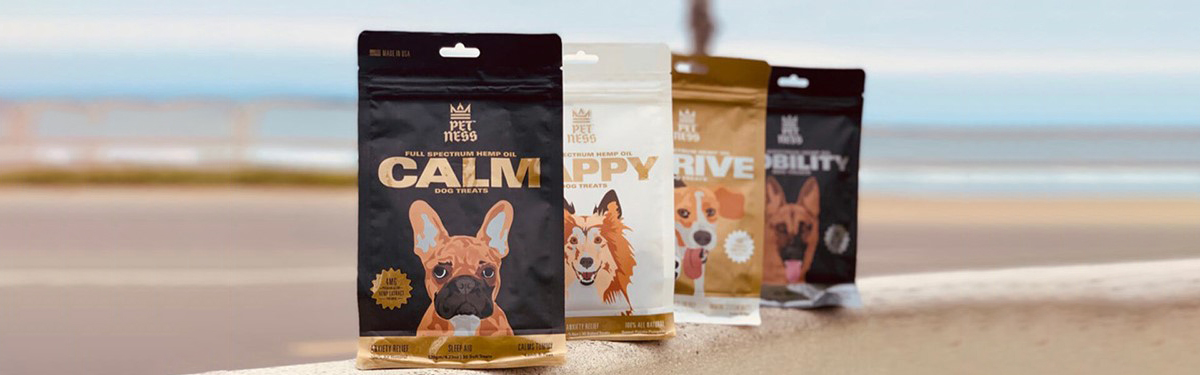
Stand-Up Pouches (Doypacks)
Stand-up pouches are the most popular flexible packaging choice for dog food today. They are widely used for:
- Small to medium-sized dry dog food
- Dog treats and snacks
- Freeze-dried and air-dried dog food
Their key advantages include excellent shelf presentation, compatibility with zippers, and efficient use of retail space.
Flat Bottom Bags (Box Pouches)
Flat bottom bags are ideal for premium and large-volume dog food products. They provide:
- High load-bearing capacity
- Stable standing performance
- Five printable panels for branding and information
These bags are commonly used for 1kg–10kg dry dog food packaging.
Quad Seal Bags
Quad seal bags are suitable for mid-to-large dog food products where durability and structure are critical. They combine strong side seals with good visual presentation and are often chosen as a cost-effective alternative to flat bottom bags.
Retort Pouches
For wet dog food, gravy-based meals, or fresh pet food, retort pouches are essential. These bags withstand high-temperature sterilization while maintaining food safety and extended shelf life.
Pillow Bags and 3-Side Seal Bags
These are typically used for:
- Single-serve dog treats
- Sample packs
- Promotional SKUs
They are cost-effective and ideal for high-volume production.
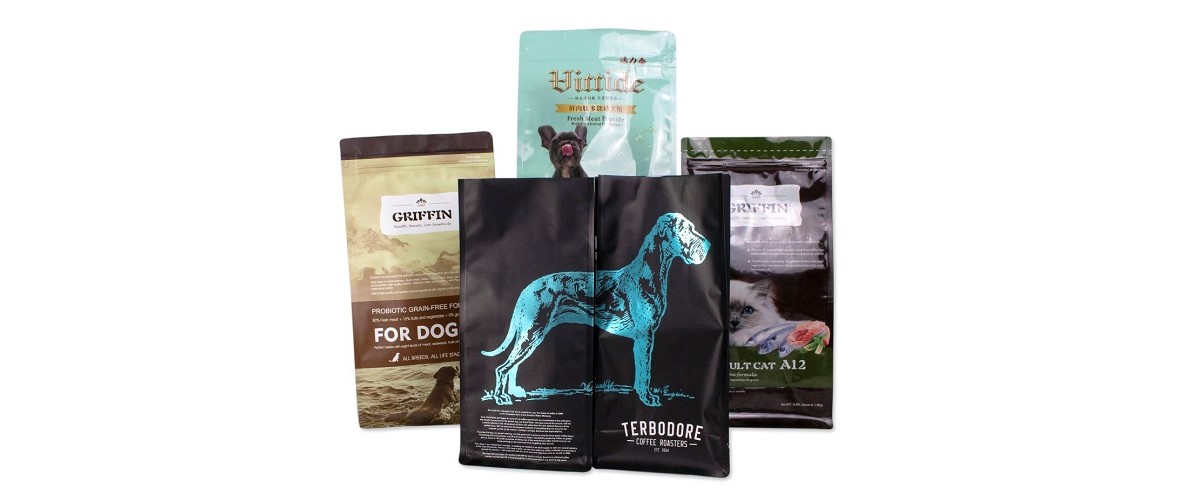
2. How Does Dog Food Packaging Material Impact Freshness and Shelf Life?
Dog food freshness is heavily influenced by exposure to oxygen, moisture, light, and external contaminants. Packaging materials play a decisive role in controlling these factors.
Common Materials Used in Dog Food Flexible Packaging
- PET (Polyester): Provides strength, print quality, and temperature resistance
- BOPP: Offers stiffness and cost efficiency
- PE / LLDPE: Used as inner sealing layers for food safety
- VMPET (Metallized PET): Enhances oxygen and moisture barriers
- Aluminum Foil (AL): Provides maximum barrier protection
Material Structure and Shelf Life
For dry dog food and kibble, multi-layer structures such as PET/VMPET/PE or PET/AL/PE are commonly used to prevent fat oxidation and aroma loss.
For wet dog food, PET/AL/CPP or NY/AL/CPP structures are essential to ensure thermal stability and microbial safety.
The better the barrier performance of the material structure, the longer the dog food can maintain:
- Nutritional value
- Taste and aroma
- Texture and appearance
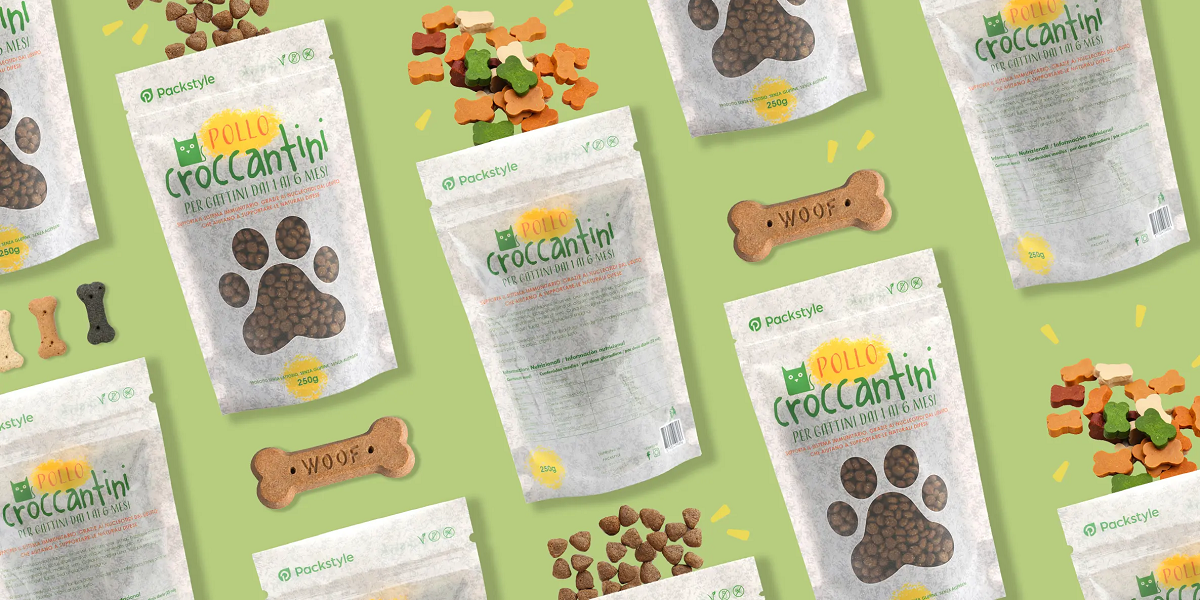
3. What Barrier and Seal Features Are Critical for Dog Food Flexible Packaging?
Barrier and sealing performance are non-negotiable requirements in dog food packaging, especially for export and long-distance distribution.
Oxygen and Moisture Barriers
Dog food often contains fats and proteins that are highly sensitive to oxidation. High oxygen barrier materials help prevent rancidity, while moisture barriers protect kibble crunchiness and prevent mold growth.
Light Protection
UV exposure can degrade vitamins and fats. Metallized or aluminum-based layers are commonly used to block light completely.
Seal Strength and Integrity
Strong heat seals are critical to prevent leakage, contamination, and pest intrusion. Poor sealing is one of the most common causes of customer complaints in dog food packaging.
Resealable Features
Zippers, sliders, and Velcro-style closures are increasingly expected by consumers. They:
- Improve convenience
- Help maintain freshness after opening
- Enhance perceived product quality
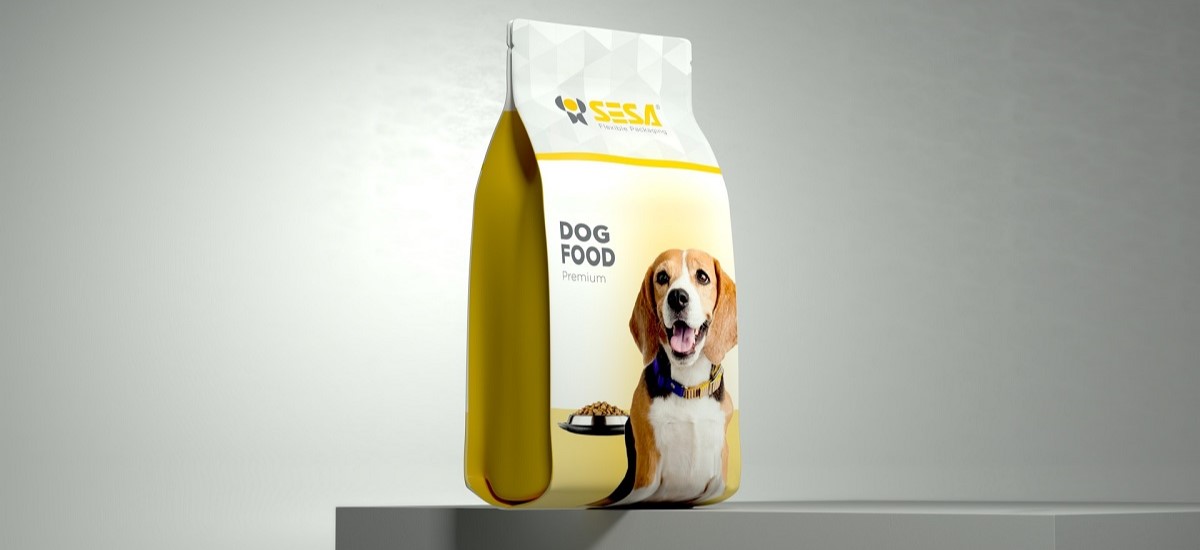
4. How Can the Right Dog Food Packaging Bag Improve Brand Positioning and Sales?
Packaging is often the first physical interaction consumers have with a dog food brand. In a crowded retail environment, the right packaging can significantly influence purchasing decisions.
Shelf Impact and Differentiation
Flat bottom bags and stand-up pouches with matte finishes, spot UV, or soft-touch coatings immediately convey a premium image.
Brand Trust and Transparency
Clear labeling, well-organized nutritional information, and high-quality printing reinforce trust. Packaging that feels sturdy and professional signals product reliability.
Convenience and User Experience
Easy-open features, resealable closures, and ergonomic bag shapes improve daily use, leading to higher repeat purchase rates.
Sustainability and Brand Values
Recyclable mono-material structures, reduced material usage, and eco-friendly messaging help brands align with environmentally conscious consumers—an increasingly important factor in pet food purchasing.
5. Dog Food Flexible Packaging Bag Strategy: Key Factors Manufacturers Should Consider
When developing a long-term dog food packaging strategy, manufacturers should evaluate multiple dimensions beyond cost alone.
Product Characteristics
- Dry, wet, freeze-dried, or semi-moist
- Fat content and sensitivity to oxidation
- Serving size and consumption frequency
Target Market and Positioning
- Mass market vs. premium
- Domestic vs. export
- E-commerce vs. retail shelves
Regulatory and Food Safety Compliance
Packaging materials must comply with food-contact regulations in target markets such as FDA, EU, and other regional standards.
Production and Supply Chain Efficiency
Bag compatibility with filling equipment, transportation durability, and storage efficiency all impact operational costs.
Scalability and Customization
A flexible packaging strategy should allow easy customization for:
- Different SKUs
- Seasonal designs
- Market-specific branding
FAQ
What is the best bag type for large dog food packages?
Flat bottom bags and quad seal bags are ideal for large-volume dry dog food.
Is flexible packaging safe for dog food?
Yes, when using food-grade materials and compliant structures, flexible packaging is fully safe and widely used globally.
Can flexible packaging extend dog food shelf life?
Absolutely. High-barrier flexible packaging can significantly extend shelf life compared to low-barrier options.
Are eco-friendly options available for dog food packaging?
Yes. Recyclable and mono-material flexible packaging solutions are increasingly available.
Conclusion
Flexible packaging bags have become a cornerstone of modern dog food packaging strategies. By carefully selecting the right bag type, material structure, barrier features, and design elements, manufacturers can protect product quality, enhance brand positioning, and drive long-term sales growth. In an industry where trust, nutrition, and convenience matter deeply, smart packaging decisions are no longer optional—they are a competitive necessity.