Dry Food Packaging Guide
Anna_Yu
Dry Food Packaging Guide
Dry food is everywhere in our daily life—rice, flour, nuts, coffee beans, pet food, cereals, snacks, and powdered ingredients. At first glance, dry food may seem “easy” to package because it contains little or no moisture. But in reality, dry food packaging is highly technical. Oxygen, humidity, light, pests, and physical damage are constant threats that can silently reduce product quality, shelf life, and brand credibility.
Over the years, I’ve worked with many buyers who underestimated dry food packaging. They assumed a simple plastic bag was enough—until products caked, went stale, absorbed odors, or failed during transportation. That’s when packaging stopped being a cost and started being a strategic investment.
In this guide, I’ll walk you through what dry food packaging really is, which dry foods are suitable for it, the key characteristics it must have, and the materials commonly used. My goal is simple: help you choose packaging that protects your product, supports your brand, and makes business sense.
What is Dry Food Packaging?
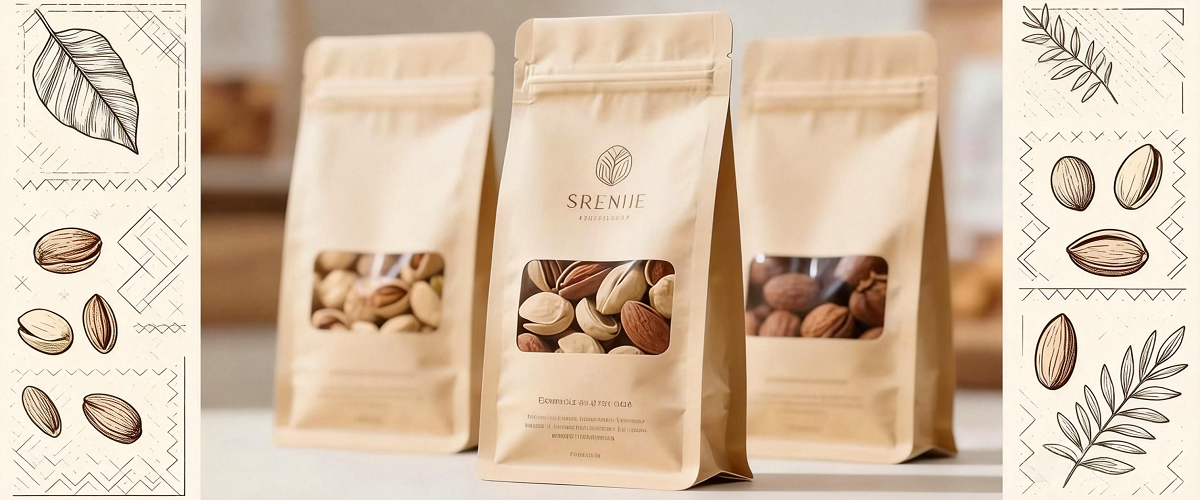
Dry food packaging refers to packaging solutions specifically designed to store and protect food products with low moisture content. These foods rely on packaging to prevent external moisture, oxygen, and contaminants from entering, while also maintaining texture, aroma, and taste.
Unlike fresh or liquid foods, dry foods spoil more slowly—but they are far from risk-free. Exposure to humidity can cause clumping or mold, oxygen can lead to oxidation and flavor loss, and light can degrade nutrients. Dry food packaging exists to control these environmental factors throughout storage, transportation, and retail display.
Modern dry food packaging is usually flexible packaging, such as stand-up pouches, flat bags, or roll stock film. These formats allow manufacturers to combine barrier protection, cost efficiency, and strong shelf presentation. In many cases, dry food packaging also includes functional features like resealable zippers, tear notches, or degassing valves.
Which types of dry food are suitable for this type of packaging?
Dry food packaging is suitable for a wide range of food categories. Each type has slightly different requirements, but all benefit from controlled barrier protection.
Common dry foods include grains such as rice, wheat, oats, and corn. These products need protection from moisture, insects, and physical damage during transportation. Packaging must be strong and well-sealed to avoid leakage and contamination.
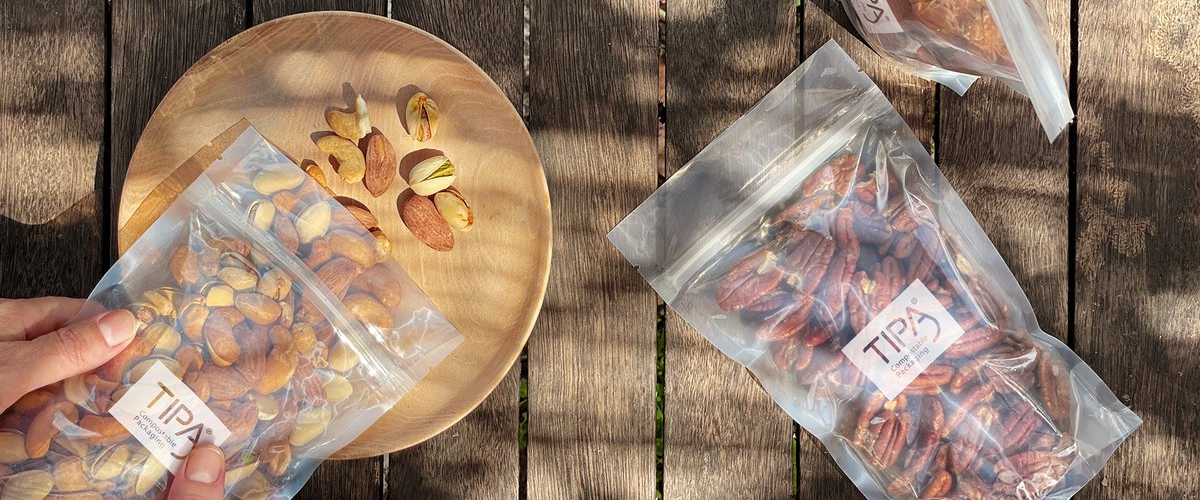
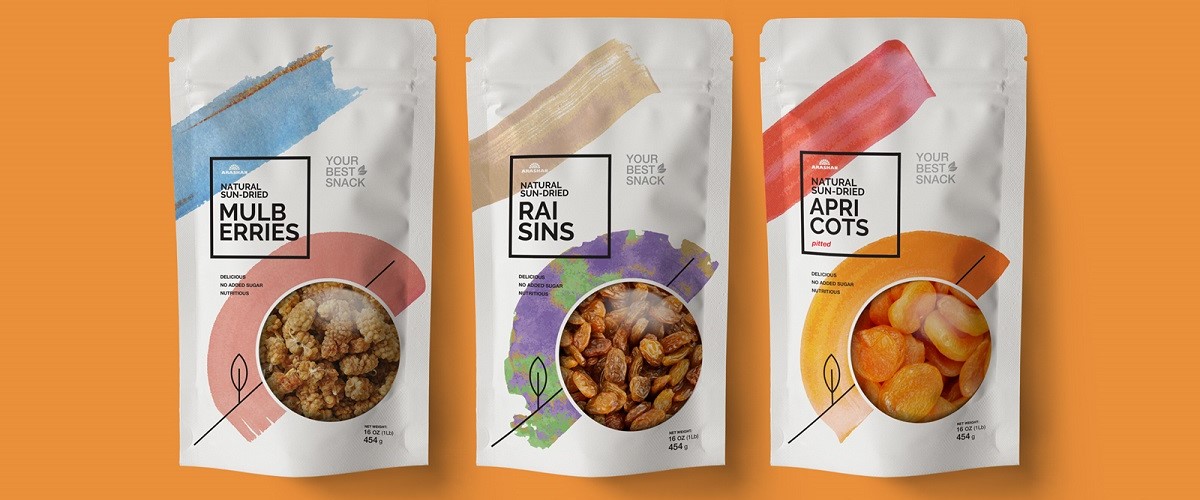
Snack foods—such as chips, crackers, nuts, and dried fruits—require packaging that preserves crispness and flavor. For these products, oxygen and moisture barriers are especially important, as even small exposure can lead to staleness.
Powdered foods like flour, protein powder, milk powder, spices, and seasoning mixes depend on packaging that prevents clumping and odor absorption. These products also require good sealing performance to avoid leaks.
Pet food is another major category. Dry pet food packaging must handle heavier weights while maintaining freshness and durability throughout long distribution cycles.

What are the characteristics of dry food packaging?
Effective dry food packaging shares several key characteristics, regardless of product type.
First, moisture resistance is essential. Dry food absorbs moisture easily, which can lead to spoilage, texture changes, or microbial growth. Packaging materials must provide a reliable moisture barrier.
Second, oxygen protection plays a major role in maintaining flavor and nutritional value. Many dry foods oxidize over time, especially nuts and cereals. High-barrier materials help slow this process.
Third, dry food packaging must be structurally strong. Bags need to withstand stacking, compression, and handling during shipping and retail display without breaking seals or tearing.
Fourth, ease of use matters. Features like resealable zippers, tear notches, and clear labeling improve consumer experience and increase repeat purchases.
Finally, modern dry food packaging must support branding and compliance. Clear printing, attractive design, and space for regulatory information are no longer optional—they are expectations.
What materials are used to make packaging for dried food?
Dry food packaging materials are typically laminated multi-layer structures, each layer serving a specific function.
The outer layer is often PET, BOPP, or kraft paper. This layer provides strength, print quality, and visual appeal. Kraft paper is commonly used for natural or organic products, while PET and BOPP support high-definition printing.
The middle barrier layer may include aluminum foil, metallized film, or EVOH. This layer is responsible for blocking oxygen, moisture, and light, especially for sensitive dry foods like nuts and coffee.
The inner layer is usually PE or CPP, which ensures food safety and strong heat sealing. This layer comes into direct contact with the food and must meet food-grade standards.
As sustainability becomes more important, many brands are exploring mono-material structures or recyclable alternatives that still provide sufficient barrier protection.
FAQ
Is dry food packaging always flexible packaging?
Not always, but flexible packaging is the most common choice today due to cost, efficiency, and performance.
Do dry foods really need barrier packaging?
Yes. Even low-moisture foods can lose quality due to oxygen, humidity, and light exposure.
Are resealable zippers necessary for dry food?
They are not mandatory, but they greatly improve freshness retention and consumer convenience.
Can dry food packaging be eco-friendly?
Yes. Recyclable and paper-based laminated solutions are increasingly available.
Conclusion
Dry food packaging is far more than a simple container—it is a protective system that preserves quality, supports branding, and ensures a positive consumer experience. By understanding the characteristics of dry food, choosing the right materials, and focusing on barrier performance, brands can significantly extend shelf life and reduce product loss. As technology and sustainability continue to evolve, dry food packaging will become even smarter, more efficient, and more aligned with modern consumer expectations.