Exploring Portable Snack Packaging
Anna_Yu
Exploring Portable Snack Packaging
Portable snacks have become an essential part of modern lifestyles. Whether it is office workers grabbing a quick bite between meetings, students eating on the go, travelers carrying snacks for long journeys, or fitness enthusiasts refueling after a workout, portable snacks are everywhere. As consumption scenarios continue to diversify, packaging is no longer just about holding food—it must protect freshness, ensure safety, enhance convenience, and communicate brand value instantly.
In recent years, portable snack packaging has evolved rapidly alongside changes in consumer behavior. Smaller household sizes, faster-paced urban living, and the growth of e-commerce and convenience retail have all driven demand for packaging that is lightweight, easy to open, resealable, and visually appealing. Consumers now expect packaging that fits easily into bags or pockets, can be opened without tools, and keeps snacks fresh even after partial consumption.
At the same time, food safety regulations, sustainability concerns, and brand differentiation have placed higher demands on packaging materials and structures. Manufacturers must balance portability with barrier performance, cost efficiency, and environmental responsibility. Flexible packaging has emerged as a leading solution because it offers design flexibility, strong protection, and lower material usage compared to traditional rigid packaging.
This article explores portable snack packaging in depth. We will look at what defines packaging for portable snacks, why packaging plays such a critical role, how to ensure portability without compromising safety, and how to choose the most suitable packaging solutions for different snack categories. By understanding these aspects, brands can create packaging that not only protects products but also enhances user experience and strengthens market competitiveness.
1. What is the packaging for portable snacks?
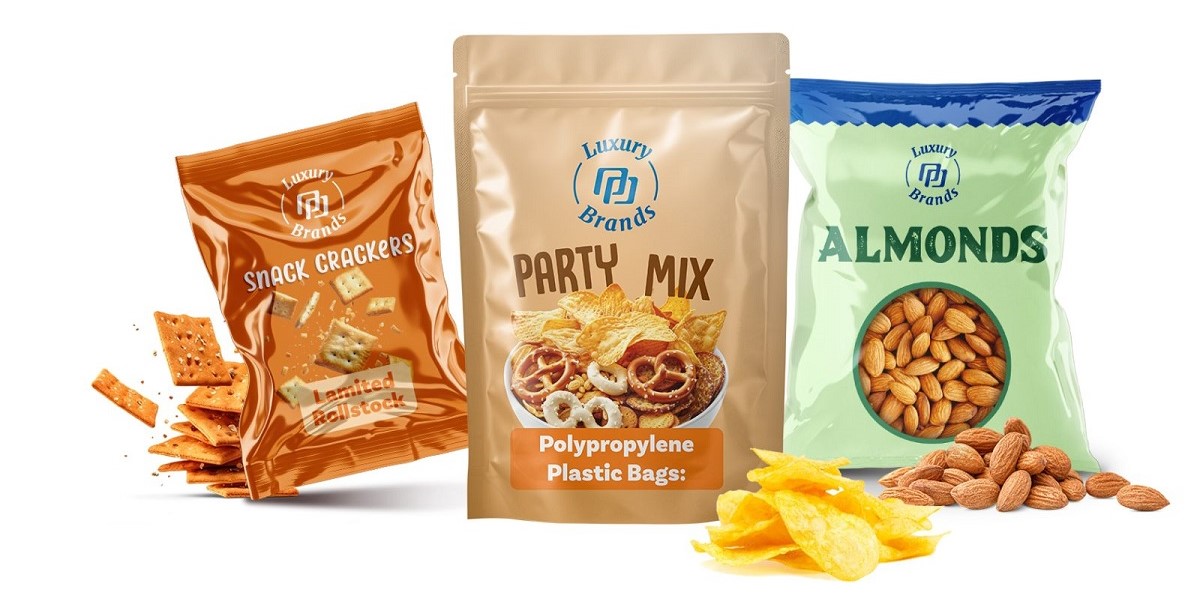
Packaging for portable snacks refers to lightweight, compact, and easy-to-carry packaging solutions designed specifically for snacks consumed outside the home. These packages are typically small in size, flexible in structure, and optimized for convenience.
Common forms include stand-up pouches, pillow bags, three-side seal bags, sachets, zipper bags, and flow-wrapped packaging. Many portable snack packages feature tear notches, easy-open seals, or resealable zippers to improve usability. In some cases, transparent windows are added so consumers can visually inspect the product before purchase.
From a material perspective, portable snack packaging often uses laminated flexible films such as PET/PE, BOPP/CPP, metallized films, or kraft paper laminations. These structures provide a balance between durability, barrier protection, and flexibility. The goal is to keep snacks fresh while minimizing weight and bulk.
Ultimately, portable snack packaging is defined not by one specific bag type, but by its ability to support on-the-go consumption without sacrificing protection or brand presentation.
2. Why packaging is important for portable snacks?
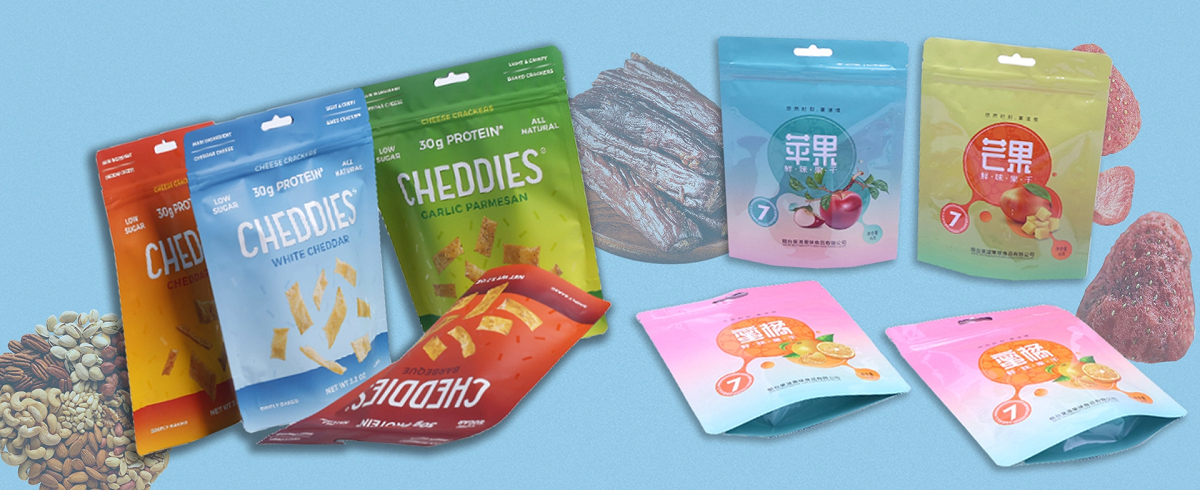
Packaging plays a crucial role in the success of portable snacks because it directly affects freshness, safety, convenience, and consumer perception. Snacks are often consumed in uncontrolled environments—outdoors, in vehicles, or at work—where exposure to air, moisture, and contaminants is higher.
Proper packaging helps protect snacks from oxygen, humidity, light, and physical damage. For products like chips, nuts, dried fruits, and cookies, maintaining crispness and flavor is essential. Without adequate barrier properties, snacks can quickly become stale or spoiled.
Packaging is also a key marketing tool. Portable snacks are often impulse purchases, and eye-catching designs, clear product information, and practical features can strongly influence buying decisions. A well-designed package communicates quality, reliability, and brand personality at a glance.
In addition, good packaging reduces waste. Resealable features allow consumers to eat snacks in portions rather than discarding unfinished products. This not only improves user experience but also aligns with sustainability expectations.
3. How can we ensure that the packaging is both portable and safe?
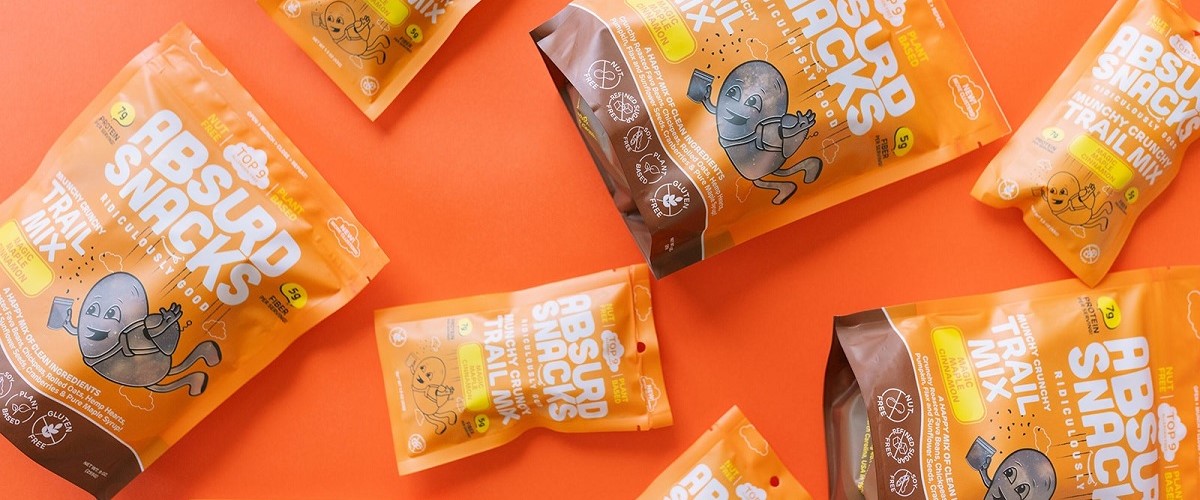
Ensuring portability and safety requires careful coordination between material selection, structural design, and production standards. Lightweight flexible materials reduce bulk and transportation costs while still offering strong protection when properly laminated.
Barrier performance is critical. Materials must provide resistance to moisture, oxygen, and grease depending on the snack type. For example, nuts and fried snacks require good oxygen and oil barriers, while dried fruits need moisture protection.
Food safety compliance is non-negotiable. All materials used must be food-grade and meet relevant regulatory standards. Reliable sealing technology is also essential to prevent leakage, contamination, or accidental opening during transport.
Design features such as rounded corners, reinforced seals, and easy-open structures enhance safety and usability. When portability and safety are addressed together, packaging becomes a trusted companion for consumers on the move.
4. How to choose the right portable packaging for different snacks?
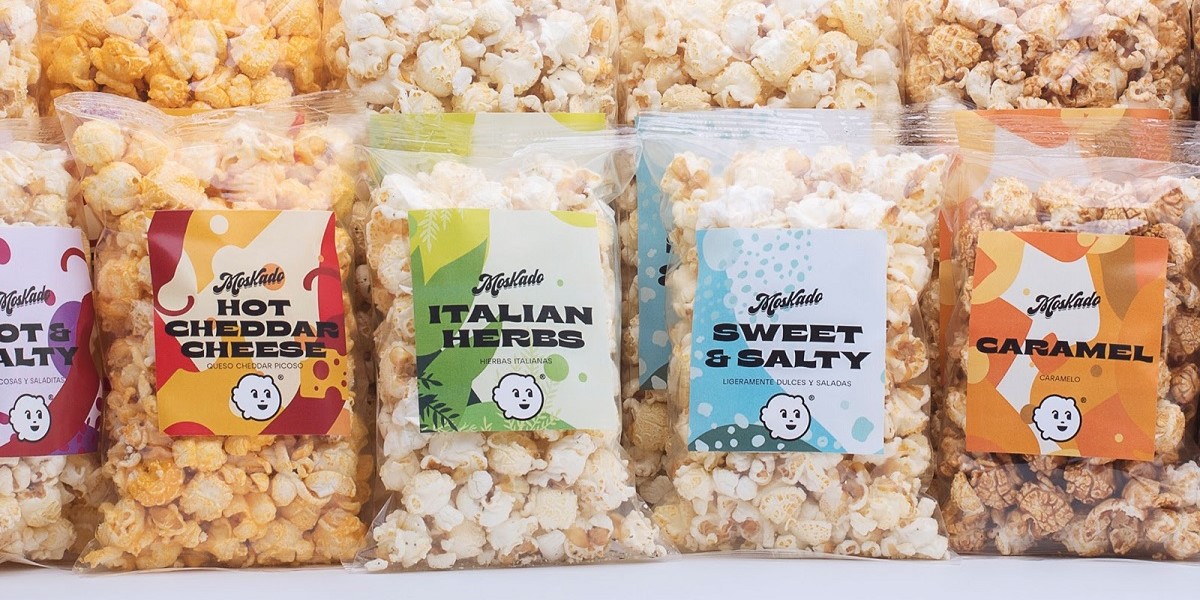
Choosing the right packaging depends on the physical characteristics of the snack and its consumption behavior. Lightweight snacks like chips often use pillow bags or metallized film pouches to maintain crispness and reduce breakage. Nuts and trail mixes benefit from stand-up zipper pouches that allow repeated opening and closing.
For single-serving products, sachets or three-side seal bags offer cost-effective and compact solutions. Snacks with premium positioning may use kraft paper laminated pouches or custom-printed stand-up bags to enhance shelf appeal.
Brands should also consider distribution channels. Snacks sold online may require stronger packaging to withstand shipping, while convenience-store snacks prioritize quick opening and portability.
Matching the right packaging structure and material to each snack type ensures optimal performance, cost efficiency, and customer satisfaction.
FAQ
What is the most common packaging for portable snacks?
Flexible packaging such as stand-up pouches, pillow bags, and sachets is the most common.
Why is resealable packaging important for snacks?
It allows portion control, maintains freshness, and reduces food waste.
Are portable snack packages environmentally friendly?
Many brands are adopting recyclable or mono-material structures to improve sustainability.
Does portable packaging affect snack shelf life?
Yes, proper barrier materials significantly extend shelf life and preserve quality.
Conclusion
Portable snack packaging is far more than a simple container—it is a strategic element that influences product protection, consumer experience, and brand perception. By focusing on portability, safety, and functionality, brands can meet modern consumption demands while standing out in a competitive market. As lifestyles continue to evolve, innovative and well-designed portable snack packaging will remain a key driver of success in the snack industry.