Exploring the Best Flexible Packaging for Dorayaki
Anna_Yu
Exploring the Best Flexible Packaging for Dorayaki
Dorayaki is one of the most iconic traditional Japanese confectionery products, widely loved for its soft pancake layers and sweet fillings such as red bean paste, custard, chocolate, cream, and fruit flavors. With the global popularity of Japanese snacks and bakery products continuing to rise, dorayaki has become an important export item in Asia, Europe, and North America. However, due to its high moisture content, soft texture, and sensitivity to oxygen and microbial contamination, dorayaki requires carefully designed packaging solutions to maintain quality throughout distribution and storage.
Unlike dry snacks, dorayaki belongs to the semi-moist bakery category. Its sponge-like structure is vulnerable to moisture loss, staling, oxidation, and mold growth. Improper packaging can result in hardened texture, flavor degradation, filling leakage, surface stickiness, and shortened shelf life. In competitive retail environments, these quality issues directly affect brand reputation and consumer satisfaction.
Flexible packaging has emerged as the most effective solution for dorayaki manufacturers, private-label brands, and export-oriented bakeries. Compared with paper boxes, plastic trays, and rigid containers, flexible packaging provides superior sealing performance, advanced barrier control, lightweight logistics advantages, and extensive customization capabilities. From pillow packs and three-side seal bags to modified atmosphere pouches and multi-pack systems, flexible packaging enables brands to protect freshness while enhancing visual appeal.
This comprehensive guide explores the best flexible packaging solutions for dorayaki by analyzing packaging formats, material structures, barrier requirements, functional features, and key factors that influence product quality and shelf life.
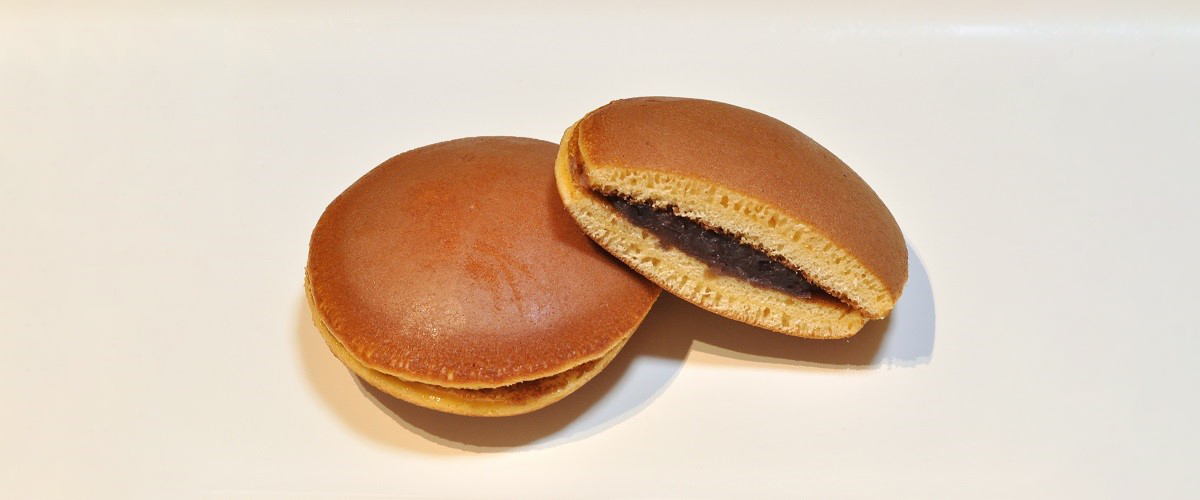
1. What Types of Flexible Packaging Are Best for Dorayaki Products?
The most suitable flexible packaging format for dorayaki depends on portion size, filling type, and sales channel.
Pillow Packs
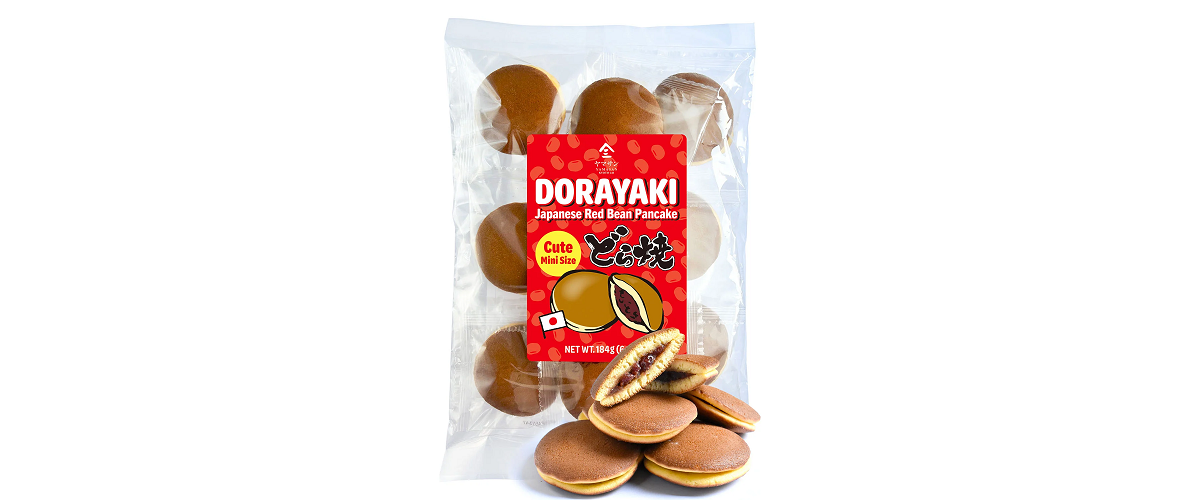
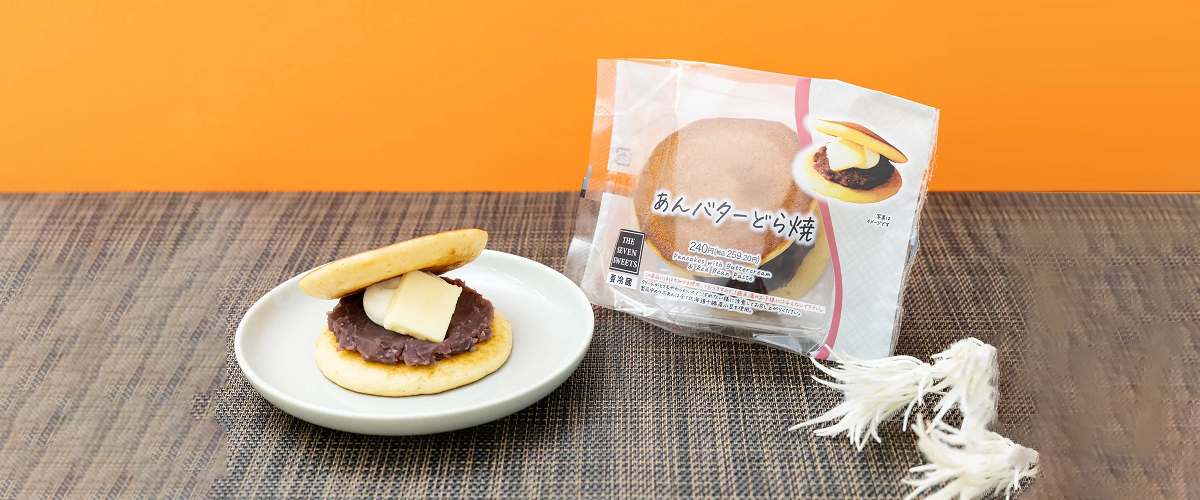
Pillow packs are widely used for individually wrapped dorayaki. They are suitable for:
- Single-piece retail sales
- Convenience store distribution
- High-speed packaging lines
They provide cost efficiency and good sealing performance.
Three-Side Seal Bags
Three-side seal bags are ideal for:
- Premium single packs
- Export packaging
- Customized portion sizes
They offer excellent barrier consistency and attractive presentation.
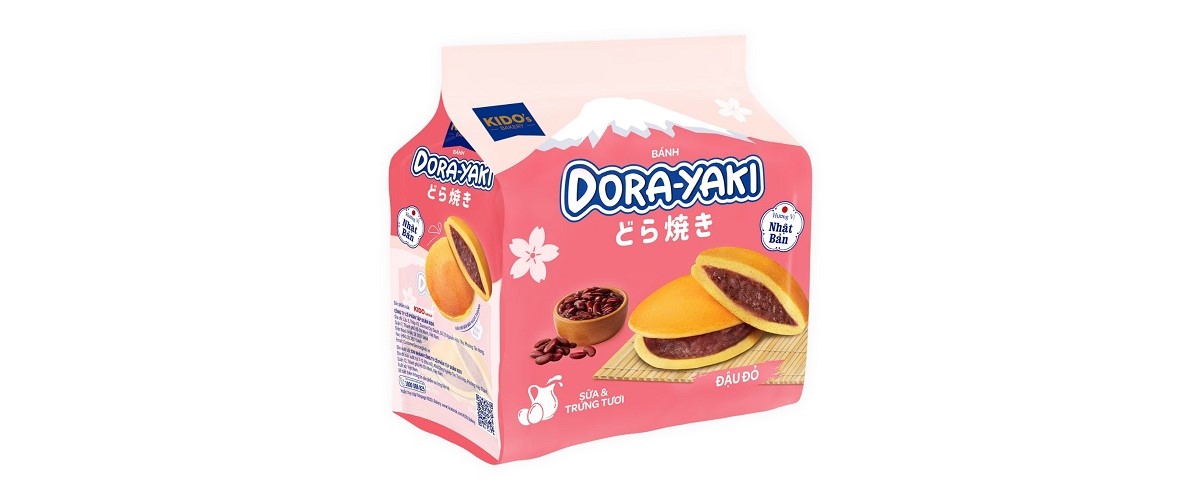
Stand-Up Pouches (Multi-Pack)
Stand-up pouches are often used for:
- Family packs
- Variety assortments
- E-commerce packaging
They improve shelf visibility and support resealable functions.
Flow Wrap Packaging
Flow wrapping is commonly used in automated bakery production. It ensures:
- Uniform sealing
- Hygienic protection
- High production efficiency
This format is popular for large-scale dorayaki manufacturers.
2. How Does Flexible Packaging Help Maintain Dorayaki Freshness and Texture?
Preserving softness and flavor is the primary objective of dorayaki packaging.
Moisture Retention
Dorayaki must maintain stable internal humidity. Moisture loss leads to:
- Hardening of pancake layers
- Reduced elasticity
- Poor mouthfeel
High moisture barrier films help stabilize water activity.
Oxygen Control
Oxygen exposure causes:
- Oxidation of fillings
- Flavor deterioration
- Increased microbial activity
Low OTR materials extend freshness.
Microbial Protection
Effective sealing prevents:
- Mold growth
- Bacterial contamination
- Cross-contamination
This is critical for bakery safety compliance.
Texture Preservation
Flexible laminates maintain internal atmosphere stability, slowing staling and retrogradation of starch.
3. Which Packaging Materials Offer the Best Moisture and Oxygen Protection for Dorayaki?
Material selection must balance barrier performance, food safety, and cost.
Common Materials Used in Dorayaki Packaging
- OPP / BOPP: Good stiffness and printability
- PET: Mechanical strength and heat resistance
- PE / CPP: Food-contact sealing layers
- VMPET: Enhanced oxygen and moisture barrier
- Aluminum Foil (AL): Maximum protection for extended shelf life
Typical Material Structures for Dorayaki
| Product Type | Recommended Structure | Key Benefit |
|---|---|---|
| Daily retail | BOPP/CPP | Cost-effective sealing |
| Premium packs | PET/VMPET/PE | Improved freshness |
| Export products | PET/AL/PE | Long shelf life |
| MAP products | PET/PE | Gas retention |
| Eco-series | Mono PE | Recyclability |
Proper laminate design ensures stable performance across different climates.
4. What Packaging Features Are Essential for Dorayaki Storage and Distribution?
Functional features significantly influence product safety and usability.
High-Integrity Heat Seals
Strong seals prevent:
- Air leakage
- Filling contamination
- Moisture loss
Seal consistency is critical for bakery products.
Modified Atmosphere Packaging (MAP)
Nitrogen or CO₂ flushing helps:
- Inhibit microbial growth
- Reduce oxidation
- Extend shelf life
MAP is commonly used for export dorayaki.
Easy-Open Tear Notches
Tear notches improve user experience and reduce packaging damage.
Anti-Fog and Anti-Stick Coatings
These prevent condensation and surface adhesion, improving product appearance.
Resealable Options (Multi-Pack)
Zippers help maintain freshness in family-size packages.
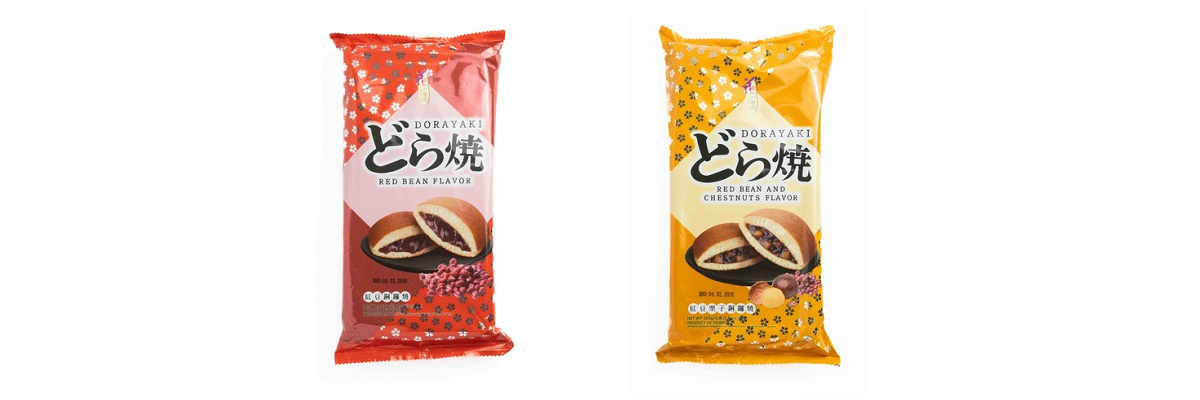
5. Best Flexible Packaging for Dorayaki: Key Factors for Quality and Shelf Life
Successful dorayaki packaging requires a balanced technical and commercial strategy.
Shelf-Life Requirements
Most dorayaki products require:
- 7–14 days (fresh products)
- 30–90 days (MAP or preserved products)
- 3–6 months (export with foil laminates)
Material selection must match target shelf life.
Distribution Conditions
Packaging must withstand:
- Temperature fluctuations
- Humidity variations
- Long-distance transportation
Especially in overseas logistics.
Cost vs. Performance Optimization
VMPET laminates provide strong protection at moderate cost, while foil structures serve high-end markets.
Regulatory Compliance
Packaging must comply with:
- FDA / EU food-contact standards
- Migration regulations
- Traceability requirements
This is essential for international trade.
Brand Differentiation
Flexible packaging supports:
- Japanese-style aesthetics
- Seasonal designs
- Limited-edition artwork
Enhancing market competitiveness.
Industry Trends in Dorayaki Flexible Packaging
| Trend | Description | Market Impact |
|---|---|---|
| MAP adoption | Increased gas flushing | Longer shelf life |
| Eco-packaging | Recyclable films | Sustainability branding |
| Mini packs | Single-serve formats | Convenience growth |
| Premium finishes | Matte & soft-touch | Higher value perception |
| Smart labels | QR traceability | Consumer trust |
FAQ
What is the best packaging for individual dorayaki?
Pillow packs or three-side seal bags with high moisture barriers.
Does dorayaki require modified atmosphere packaging?
For export and extended shelf life, MAP is highly recommended.
Is aluminum foil necessary for dorayaki packaging?
Only for long-distance export or long shelf-life products.
Can flexible packaging reduce mold growth?
Yes. Proper sealing and barrier materials significantly reduce microbial risks.
Conclusion
Flexible packaging plays a decisive role in preserving the softness, flavor, and safety of dorayaki products. By combining high-performance barrier materials, reliable sealing technology, and functional features such as MAP and easy-open designs, manufacturers can extend shelf life, reduce quality losses, and enhance brand value. In a global market where freshness and authenticity define success, flexible packaging is not merely protection—it is a strategic foundation for sustainable dorayaki brand growth.