Exploring the Possibilities of Manisan Flexible Packaging
Anna_Yu
Exploring the Possibilities of Manisan Flexible Packaging
Manisan, widely known as candied fruit or preserved fruit snacks, occupies a unique position in the global snack and confectionery market. Popular across Southeast Asia, East Asia, the Middle East, and increasingly in Western specialty food segments, manisan products combine high sugar content, moisture sensitivity, sticky textures, and strong flavor profiles. These characteristics make packaging not just a container, but a critical factor in product quality, shelf life, hygiene, and brand perception.
Unlike dry snacks, manisan products are vulnerable to moisture migration, sugar crystallization, microbial growth, and flavor loss if packaging performance is inadequate. At the same time, modern consumers expect manisan to be visually appealing, easy to open, resealable when possible, and safe for on-the-go consumption. This places flexible packaging at the center of modern manisan product strategies.
Flexible packaging offers unmatched advantages for manisan producers: superior barrier control, customizable structures, excellent sealing performance, and strong visual branding potential. From traditional preserved mango and plum to modern mixed-fruit snacks and functional candied fruit products, flexible packaging enables brands to adapt to diverse market demands while maintaining consistent product quality.
This article explores the possibilities of manisan flexible packaging by examining the unique packaging requirements of manisan, the most suitable flexible packaging formats, shelf-life extension mechanisms, essential barrier and seal features, and the key customization opportunities that can drive brand growth in competitive snack markets.
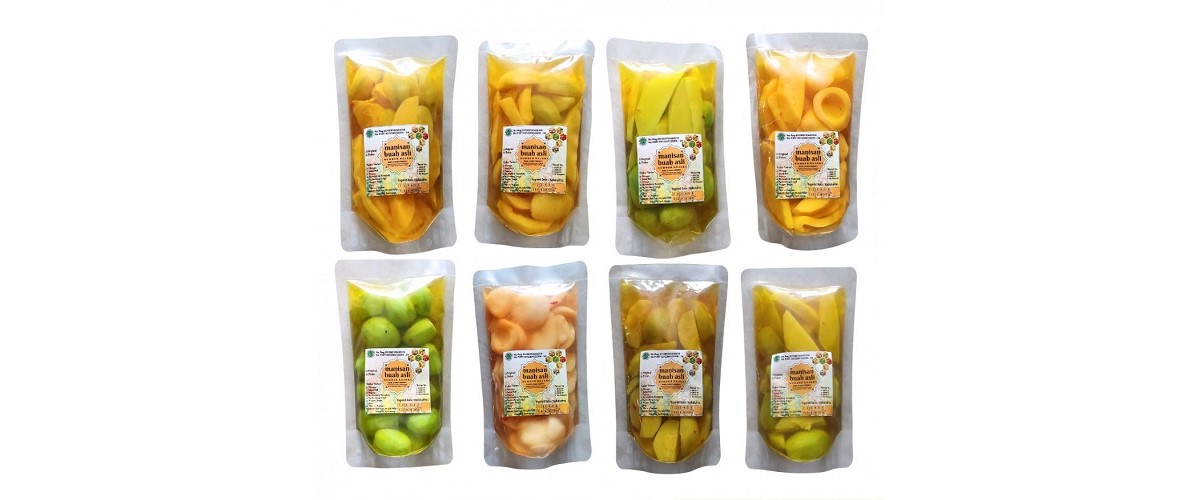
1. What Is Manisan and What Makes Its Packaging Requirements Unique?
Manisan refers to fruits preserved through sugar infusion, drying, or syrup-based processing, resulting in a product that sits between fresh fruit and dry snacks.
Key Characteristics of Manisan Products
Manisan typically features:
- High sugar content
- Residual moisture
- Sticky or semi-soft texture
- Strong aromas and flavors
These characteristics make manisan highly sensitive to environmental factors.
Unique Packaging Challenges for Manisan
Compared to dry snacks, manisan packaging must address:
- Moisture control: Preventing moisture gain or loss
- Anti-sticking performance: Avoiding sugar adhesion to packaging surfaces
- Microbial protection: Reducing contamination risk
- Aroma retention: Preserving fruit flavor profiles
Improper packaging can lead to clumping, fermentation, surface crystallization, or off-flavors.
Market Expectations
Modern manisan consumers expect packaging that:
- Looks clean and premium
- Is easy to open and handle
- Supports portion control and resealability
- Complies with food safety regulations
These demands strongly favor flexible packaging solutions.
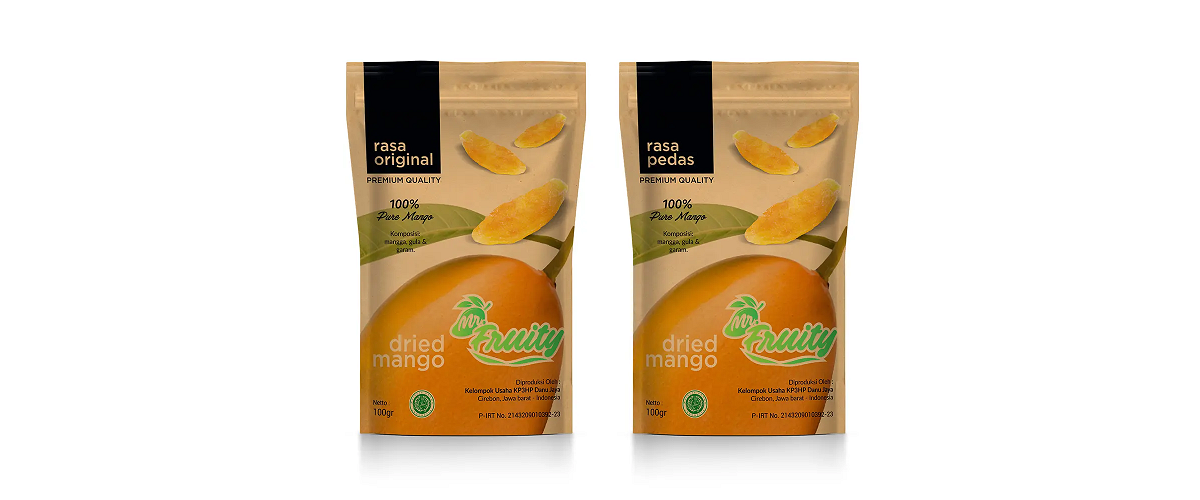
2. Which Types of Flexible Packaging Are Best for Manisan Products?
Selecting the right bag format depends on product moisture level, portion size, and sales channel.
Stand-Up Pouches (Doypacks)
Stand-up pouches are one of the most popular formats for manisan packaging. They are ideal for:
- Retail snack products
- Mixed fruit assortments
- Premium candied fruit offerings
Their upright display enhances shelf visibility, while compatibility with zippers improves usability.
Flat Bottom Bags (Box Pouches)
Flat bottom bags are suitable for:
- Premium or gift-oriented manisan products
- Export markets
- Brand-focused retail positioning
They provide excellent stability and multiple printable panels for storytelling and compliance information.
Pillow Bags and 3-Side Seal Bags
These formats are commonly used for:
- Single-serve or small portion manisan
- Price-sensitive markets
- High-volume production lines
They offer cost efficiency and simple structures.
Stick Packs and Small Sachets
Stick packs and sachets are ideal for:
- Trial packs
- On-the-go consumption
- Portion-controlled functional manisan products
They are lightweight and highly scalable.
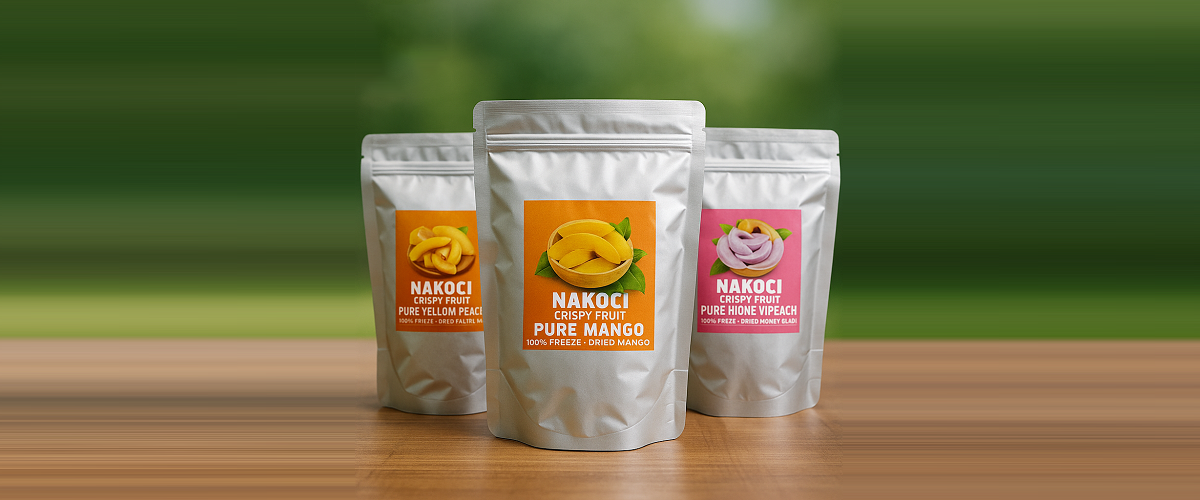
3. How Does Flexible Packaging Help Extend Shelf Life for Manisan?
Shelf-life management is one of the most important roles of manisan flexible packaging.
Moisture Barrier Control
Manisan requires a balanced moisture barrier:
- Too much moisture ingress leads to stickiness and microbial growth
- Excessive moisture loss causes hardening and sugar crystallization
Flexible packaging materials can be engineered to achieve optimal moisture transmission rates.
Oxygen Protection
Oxygen exposure accelerates:
- Flavor degradation
- Color changes
- Sugar oxidation reactions
High-barrier laminates slow these processes and maintain product quality.
Contamination Prevention
Hermetic seals in flexible packaging prevent:
- Microbial contamination
- Insect intrusion
- Cross-contamination during storage and transport
This is essential for food safety and export compliance.
Compatibility with Modified Atmosphere Packaging (MAP)
For certain manisan products, nitrogen flushing can:
- Reduce oxygen levels
- Stabilize texture
- Extend shelf life without preservatives
Flexible packaging supports MAP efficiently.
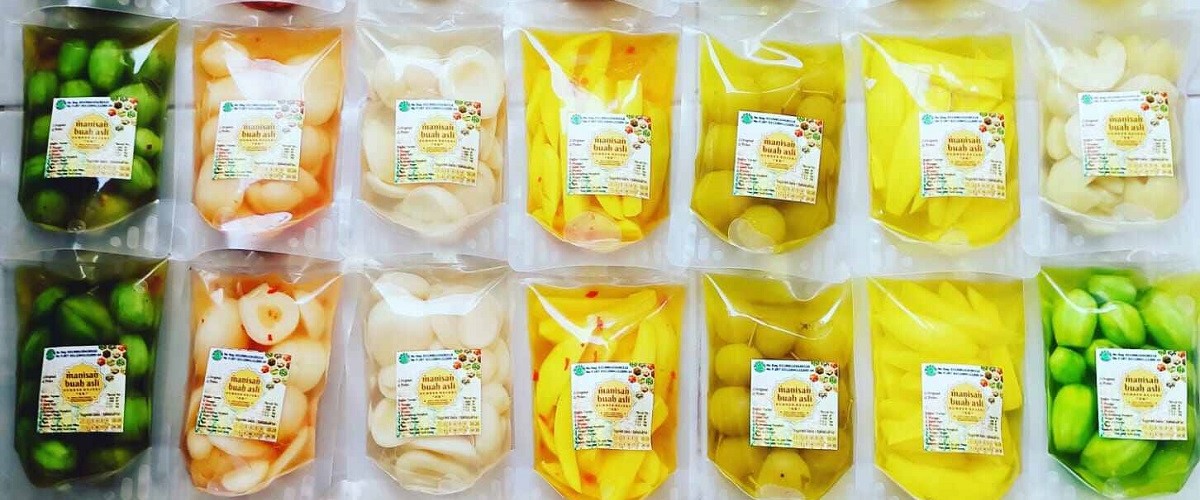
4. What Barrier and Seal Features Are Essential for Manisan Flexible Packaging?
Barrier and seal performance directly determine packaging success.
Recommended Barrier Materials
Common materials used in manisan flexible packaging include:
- PET: Strength and print quality
- BOPP: Cost efficiency and stiffness
- VMPET: Enhanced moisture and oxygen barrier
- Aluminum Foil (AL): Maximum protection for export or long shelf life
- PE / CPP: Reliable food-contact sealing layers
Material selection should be tailored to product formulation.
Seal Strength and Integrity
Strong seals are essential to:
- Prevent syrup leakage
- Withstand transportation pressure
- Maintain hygienic conditions
Heat seal consistency is critical, especially for sticky products.
Anti-Stick Inner Layers
Specially formulated inner layers can:
- Reduce sugar adhesion
- Improve consumer experience
- Enhance product presentation
This is particularly important for high-sugar manisan.
Resealability Options
Zippers or press-to-close features:
- Extend usability after opening
- Reduce food waste
- Improve perceived value
Especially relevant for multi-serve packs.

5. Manisan Flexible Packaging: Key Customization Opportunities for Brand Growth
Customization transforms packaging into a brand-building tool.
Visual Branding and Printing
Flexible packaging allows:
- High-resolution graphics
- Transparent or frosted windows
- Matte, glossy, or soft-touch finishes
Helping brands stand out on crowded shelves.
Portion and Size Customization
Brands can offer:
- Single-serve packs
- Family-size resealable bags
- Gift-oriented premium packs
Targeting different consumer segments.
Market-Specific Customization
Packaging can be adapted for:
- Export labeling requirements
- Local language and cultural preferences
- Regional portion sizes
Supporting international expansion.
Sustainability-Oriented Solutions
Brands increasingly explore:
- Downgauged materials
- Recyclable mono-material structures
- Reduced plastic usage
To align with sustainability expectations.
FAQ
What type of packaging is best for sticky manisan products?
High-barrier flexible packaging with anti-stick inner layers and strong seals.
Does manisan require aluminum foil packaging?
Not always. Metallized films may be sufficient for many retail products.
Is resealable packaging important for manisan?
Yes. Resealable features help maintain quality and improve consumer convenience.
Can flexible packaging extend manisan shelf life?
Absolutely. Proper barrier and seal structures significantly improve shelf stability.
Conclusion
Manisan products present unique packaging challenges due to their sugar content, moisture sensitivity, and texture. Flexible packaging offers the versatility, barrier performance, and customization potential needed to protect product quality while enhancing brand appeal. By selecting the right packaging formats, material structures, and functional features, manisan brands can extend shelf life, improve consumer experience, and unlock new growth opportunities in both domestic and international markets. In today’s competitive snack landscape, well-designed manisan flexible packaging is not just a necessity—it is a strategic advantage.