Flexible Packaging Aesthetics for Tropical Dried Fruit
Anna_Yu
Flexible Packaging Aesthetics for Tropical Dried Fruit
Tropical dried fruits—such as mango, pineapple, banana, papaya, and coconut—are widely beloved for their vibrant flavors, natural sweetness, and health benefits. However, in a crowded snack market, product quality alone is not enough to attract attention. Packaging aesthetics play a crucial role in influencing consumer perception, communicating freshness, and conveying the exotic origin of these products.
Unlike many other snack categories, tropical dried fruit packaging has a unique opportunity to leverage color, imagery, and storytelling to create an emotional connection with consumers. Bright visuals, natural themes, and premium finishes can instantly evoke a sense of freshness, authenticity, and indulgence. At the same time, packaging must still provide strong barrier protection to preserve flavor, color, and texture.
Flexible packaging offers an ideal platform for achieving both functional performance and visual appeal. With advanced printing technologies, diverse material options, and innovative finishing techniques, brands can create packaging that stands out on shelves while reinforcing product quality and brand identity. This article explores the key design elements, materials, and strategies for creating visually compelling flexible packaging for tropical dried fruits.
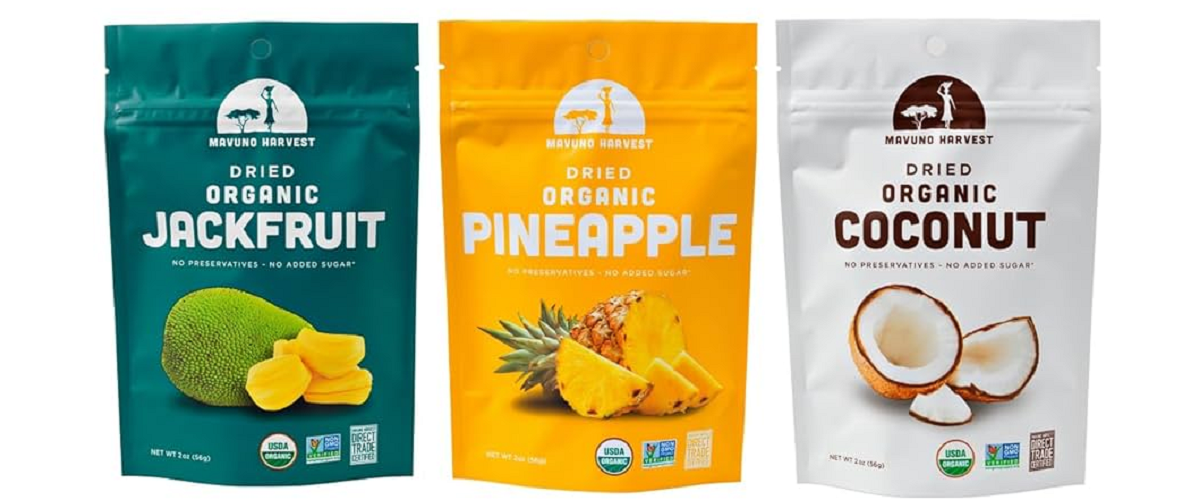
1. What Design Elements Make Tropical Dried Fruit Packaging Visually Appealing?
Effective design elements help create strong shelf impact and brand recognition.
Vibrant Color Schemes
Using bright and bold colors inspired by tropical fruits enhances visual appeal and attracts attention.
Natural Imagery
High-quality images or illustrations of fruits communicate freshness and authenticity.
Clean Layouts
Balanced spacing and clear structure improve readability and create a premium feel.
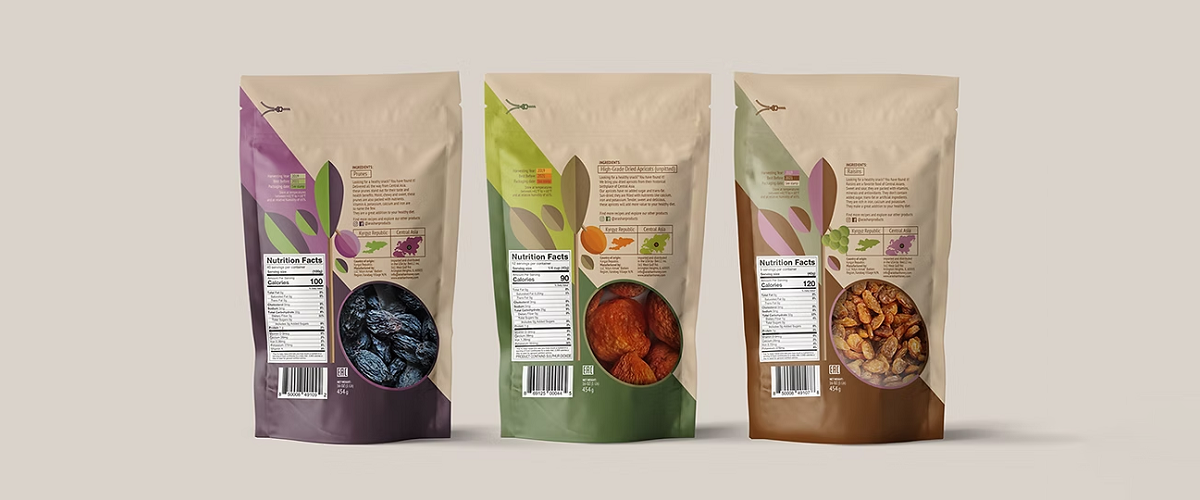
Transparent Windows
Showing the actual product helps build trust and highlights product quality.
Storytelling Elements
Including origin stories or sourcing information adds emotional value and brand depth.
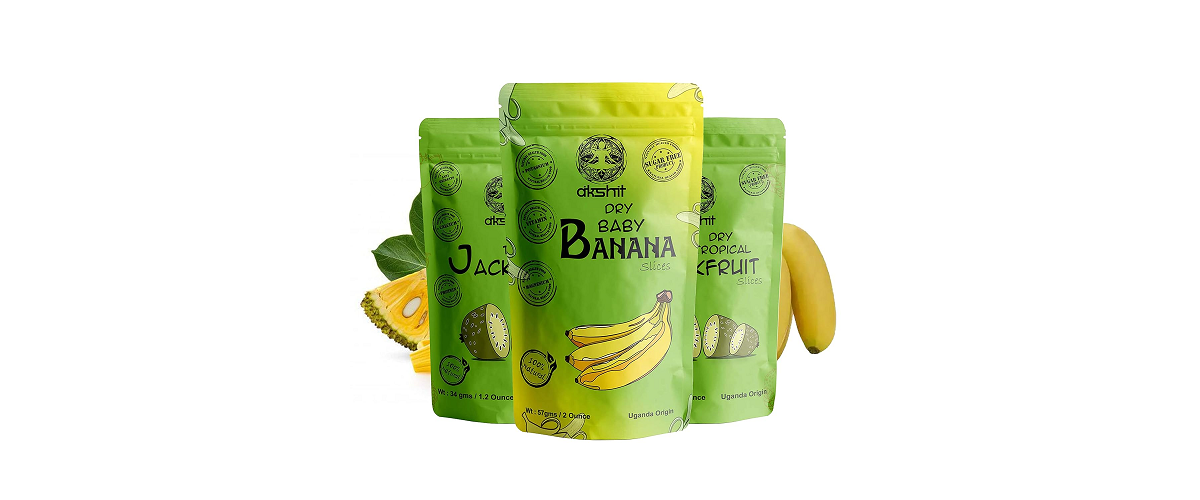
2. How Can Color and Graphics Reflect Freshness and Tropical Origins?
Color and graphics play a key role in conveying product identity.
Tropical Color Palette
Common color choices include:
- Yellow and orange (mango, pineapple)
- Green (natural, organic feel)
- Red and pink (exotic fruits)
Freshness Indicators
Bright, saturated colors suggest:
- Ripeness
- Sweetness
- Flavor intensity
Cultural and Regional Cues
Graphics can incorporate:
- Palm trees
- Sunlight themes
- Island or beach visuals
These elements reinforce the tropical origin of the product.
Consistent Branding
Maintaining consistent colors and design across product lines strengthens brand recognition.
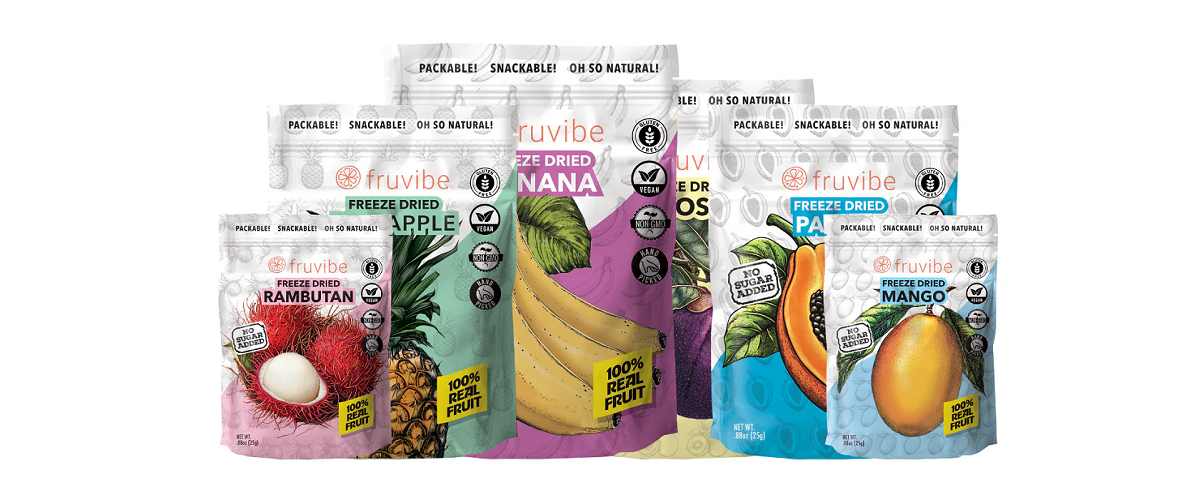
3. Which Flexible Packaging Materials Best Support High-Quality Printing and Aesthetics?
Material selection directly affects visual performance.
PET (Polyethylene Terephthalate)
- Excellent printability
- High clarity
- Ideal for detailed graphics
BOPP (Biaxially Oriented Polypropylene)
- Smooth surface for printing
- Cost-effective
- Suitable for high-volume production
Matte Films
- Soft, non-reflective finish
- Premium appearance
Metallized Films
- Reflective surface
- Enhances color vibrancy
- Adds visual impact
Kraft Paper Laminates
- Natural and eco-friendly look
- Suitable for organic or artisanal branding
Typical Laminated Structures
| Structure | Features | Applications |
|---|---|---|
| PET/PE | Clear printing, cost-effective | Standard dried fruit packaging |
| BOPP/PE | Smooth finish | High-volume products |
| PET/MPET/PE | Enhanced visual impact | Premium products |
| Kraft/PE | Natural appearance | Organic dried fruits |
4. How Do Finishing Techniques Enhance the Premium Look of Dried Fruit Packaging?
Finishing techniques add depth and sophistication to packaging design.
Matte and Gloss Contrast
Combining matte backgrounds with glossy highlights creates visual contrast.
Spot UV Coating
Selective gloss on specific elements enhances key design features.
Embossing and Debossing
Raised or recessed textures add tactile appeal and a sense of quality.
Metallic Effects
Foil stamping or metallized layers create a luxurious look.
Soft-Touch Coatings
Provide a smooth, velvety texture that enhances consumer experience.
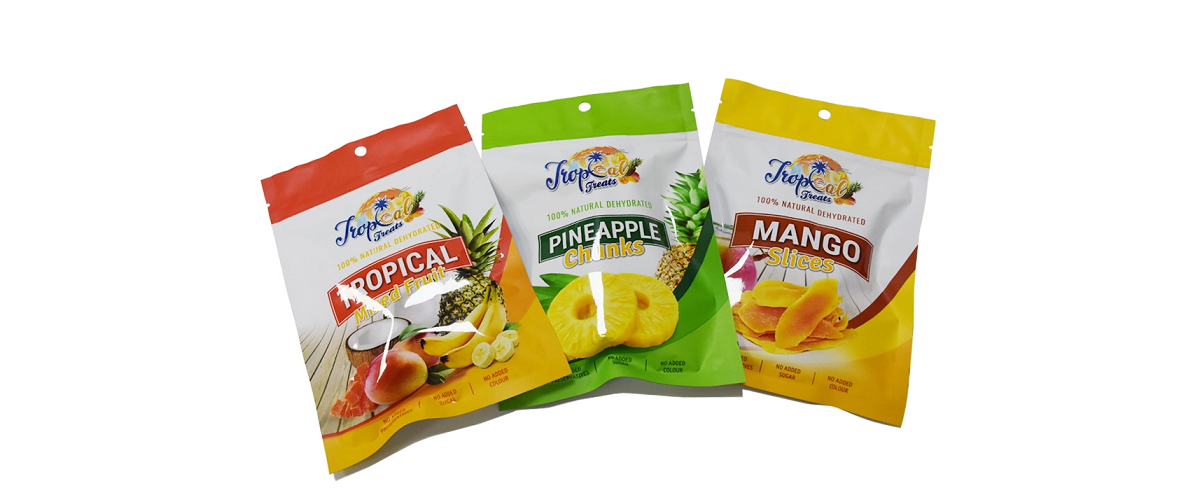
5. Flexible Packaging Design for Tropical Dried Fruit: Key Factors for Branding and Shelf Appeal
A successful packaging strategy must integrate both design and functionality.
Brand Differentiation
Unique visual identity helps products stand out in competitive markets.
Shelf Visibility
Bold colors and clear messaging attract consumer attention quickly.
Product Protection
Barrier properties must preserve:
- Flavor
- Texture
- Color
Consumer Experience
Easy-open and resealable features improve usability and satisfaction.
Sustainability Considerations
Eco-friendly materials and designs appeal to environmentally conscious consumers.
FAQ
Why is packaging aesthetics important for dried fruit products?
It influences consumer perception, communicates freshness, and enhances brand appeal.
What colors work best for tropical dried fruit packaging?
Bright and vibrant colors such as yellow, orange, green, and red reflect freshness and tropical origins.
Which materials are best for high-quality printing?
PET and BOPP are commonly used due to their excellent printability and smooth surfaces.
How can packaging look more premium?
Using matte finishes, spot UV, embossing, and metallic effects can significantly enhance visual appeal.
Conclusion
Flexible packaging aesthetics play a vital role in the success of tropical dried fruit products by combining visual appeal with functional performance. Through the strategic use of color, graphics, materials, and finishing techniques, brands can effectively communicate freshness, quality, and origin while standing out in competitive retail environments. Flexible packaging not only supports high-impact design but also ensures product protection and convenience. As consumer expectations continue to evolve, investing in well-designed, visually compelling packaging will remain a key driver of brand growth and market success in the dried fruit category.