Flexible Packaging Suitable for Croutons
Anna_Yu
Flexible Packaging Suitable for Croutons
Croutons are a popular dry snack and salad topping valued for their crisp texture, light weight, and long shelf life. However, despite being a low-moisture product, croutons are highly sensitive to environmental conditions—particularly humidity and oxygen exposure. Even slight moisture ingress can quickly lead to loss of crunchiness, while oxygen can contribute to flavor degradation, especially in seasoned or oil-coated varieties.
To maintain product quality, crouton packaging must provide effective barrier protection, preserve texture, and ensure convenience for consumers. At the same time, brands need packaging that is cost-efficient, visually appealing, and suitable for both retail and foodservice distribution.
Flexible packaging has become the preferred solution for croutons due to its ability to deliver strong moisture and oxygen barriers, lightweight efficiency, and excellent branding potential. With various material structures, formats, and functional features available, manufacturers can tailor packaging to meet the specific needs of crouton products. This guide explores the best packaging types, materials, and features to ensure optimal freshness and performance.
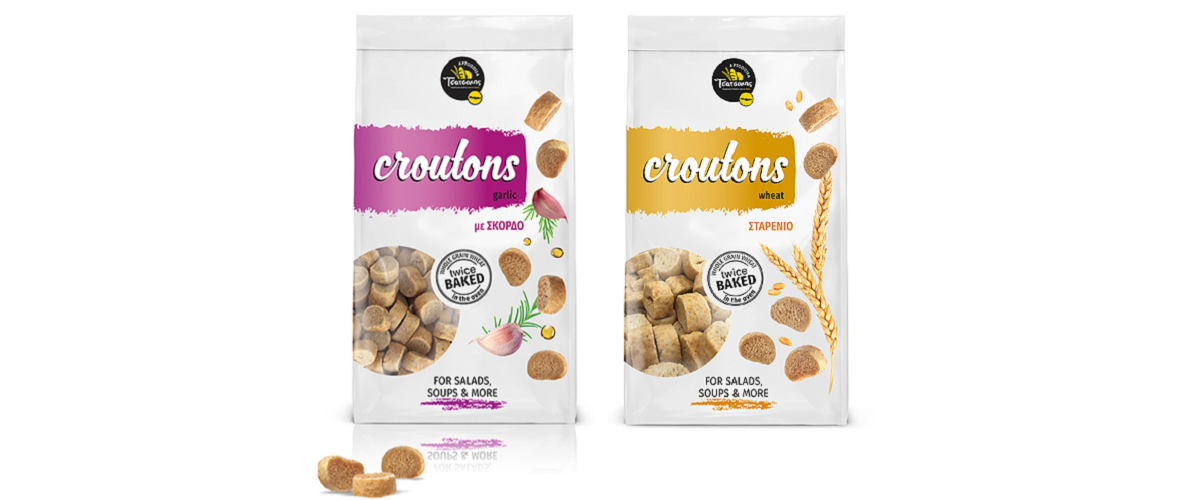
1. What Types of Flexible Packaging Are Best for Crouton Products?
Choosing the right packaging format depends on product positioning and usage scenarios.
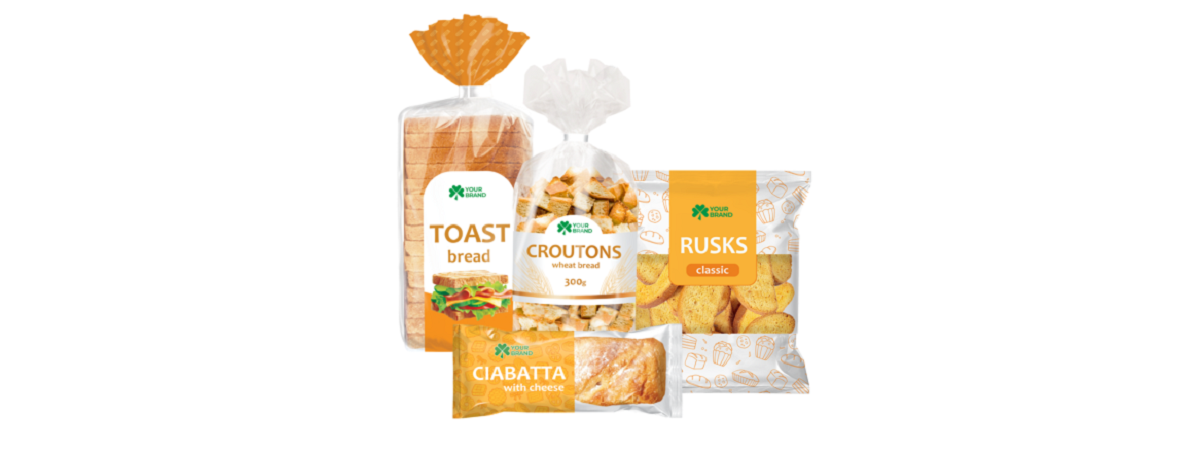
Pillow Pouches
Pillow pouches are widely used for:
- Standard retail croutons
- Single-serve packs
They are cost-effective and suitable for high-speed production.
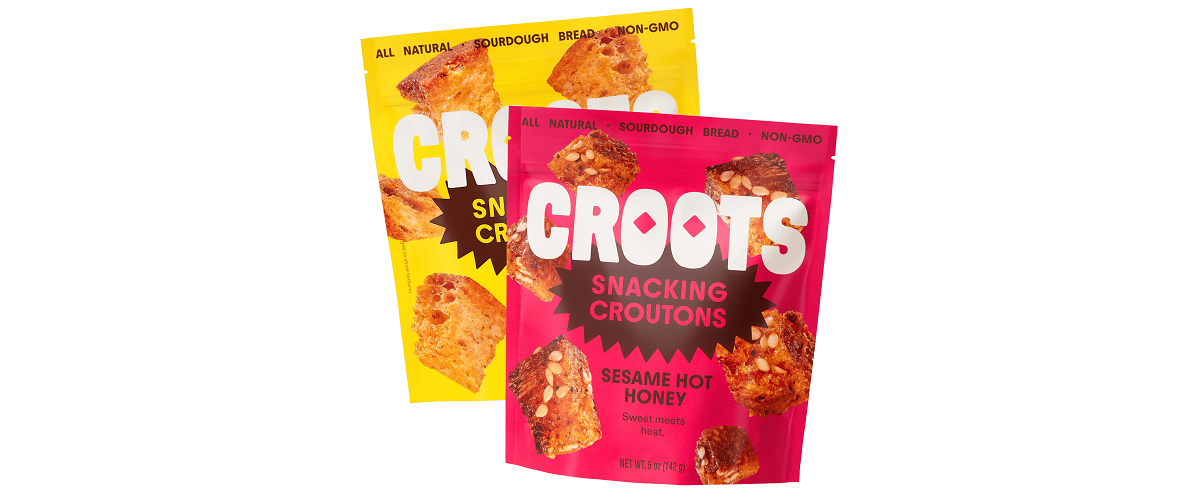
Stand-Up Pouches
Stand-up pouches are ideal for:
- Premium crouton brands
- Resealable retail packaging
They offer strong shelf presence and better branding opportunities.
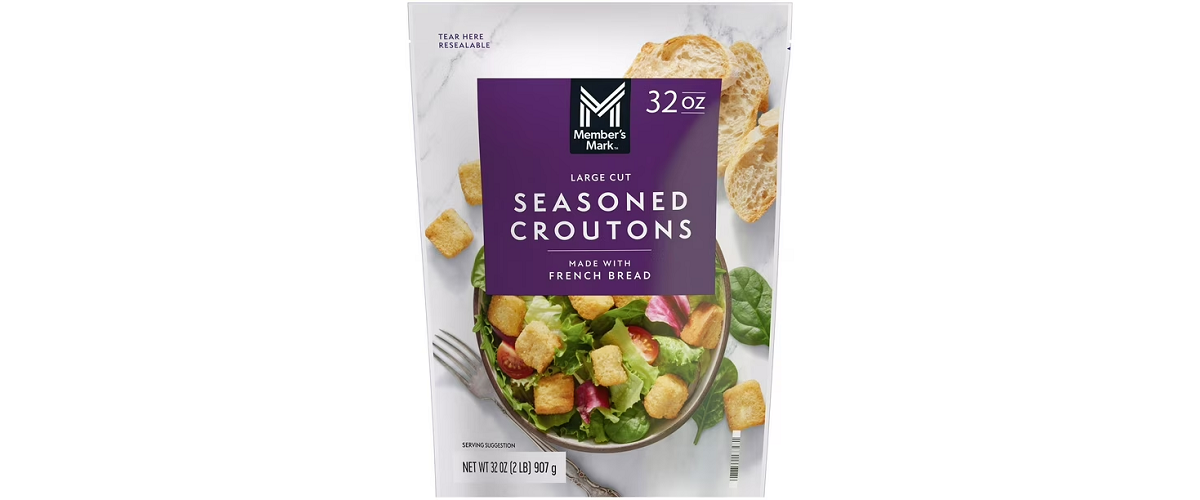
Gusseted Bags
Side-gusset or flat-bottom bags are suitable for:
- Bulk packaging
- Foodservice distribution
They provide higher capacity and stability.
Multi-Pack Packaging
Flexible packaging supports bundling multiple small packs for convenience and portion control.
2. How Does Flexible Packaging Help Maintain Crouton Crunchiness and Freshness?
Croutons require protection from environmental factors that affect texture and taste.
Moisture Barrier Protection
Flexible packaging prevents humidity from entering the package, preserving crispness.
Oxygen Barrier
Reducing oxygen exposure helps maintain flavor and prevents oxidation of oils.
Airtight Sealing
Strong seals ensure the internal environment remains stable.
Protection from Physical Damage
Flexible packaging cushions croutons, reducing breakage during transportation.
3. Which Packaging Materials Provide the Best Moisture and Oxygen Protection?
Material selection is essential for maintaining crouton quality.
BOPP (Biaxially Oriented Polypropylene)
- Excellent moisture resistance
- Cost-effective
- Widely used for snack packaging
PET (Polyethylene Terephthalate)
- Strong and durable
- Good printability
- Suitable outer layer
PE (Polyethylene)
- Excellent sealing properties
- Flexible inner layer
Metallized Films (MPET)
- Enhanced barrier against oxygen and moisture
- Cost-effective alternative to aluminum foil
Aluminum Foil
- Superior barrier protection
- Ideal for premium or long shelf-life products
Typical Laminated Structures
| Structure | Features | Applications |
|---|---|---|
| BOPP/PE | Cost-effective | Standard croutons |
| PET/PE | Strong and reliable | Retail packaging |
| PET/MPET/PE | Enhanced barrier | Seasoned or premium croutons |
| PET/AL/PE | Maximum protection | Export or long shelf life |
4. What Packaging Features Improve Shelf Life and Prevent Staleness?
Functional features are critical for maintaining product performance.
Airtight Heat Sealing
Prevents air and moisture from entering the package.
High Barrier Layers
Protect against environmental factors that cause staleness.
Resealable Closures
Zipper features allow consumers to maintain freshness after opening.
Easy-Open Design
Tear notches improve convenience without compromising protection.
Nitrogen Flushing
Replacing oxygen with nitrogen helps preserve freshness and extend shelf life.
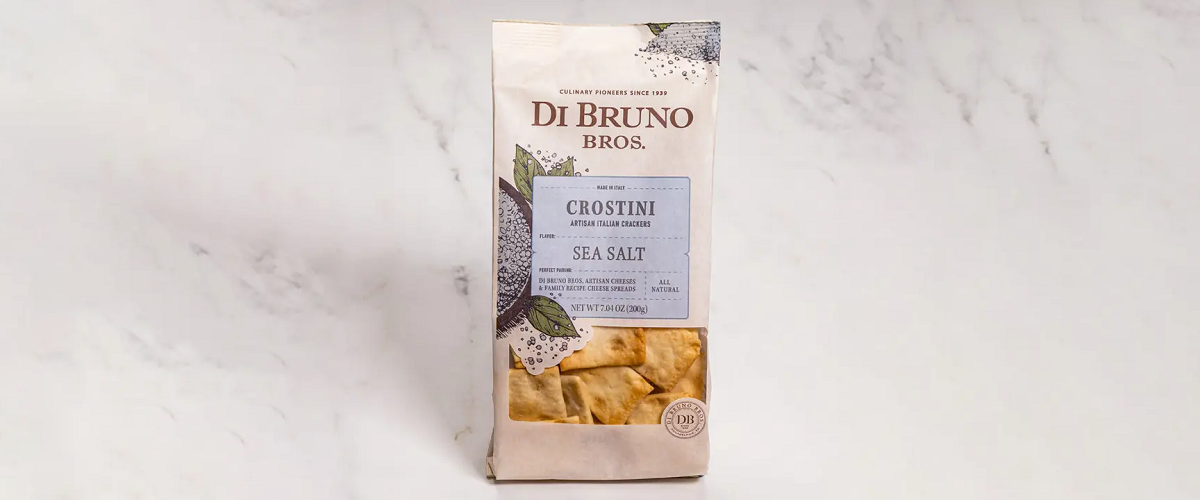
5. Flexible Packaging for Croutons: Key Factors for Storage, Distribution, and Branding
A comprehensive packaging strategy ensures product success across the supply chain.
Storage Conditions
Packaging must protect against humidity and temperature fluctuations.
Transportation Efficiency
Lightweight packaging reduces shipping costs and improves logistics efficiency.
Shelf Life Optimization
Proper material selection and sealing extend product shelf life.
Branding and Shelf Appeal
High-quality printing and attractive design enhance visibility and consumer appeal.
Sustainability Considerations
Reduced material usage supports environmentally friendly packaging solutions.
FAQ
Why do croutons lose their crunchiness?
Moisture absorption is the main cause of loss of crispness.
Which packaging material is best for croutons?
BOPP, PET, PE, metallized films, and aluminum foil are commonly used depending on barrier requirements.
Can crouton packaging be resealable?
Yes. Zipper closures are widely used to maintain freshness after opening.
Is nitrogen flushing necessary for croutons?
It is optional but beneficial for extending shelf life and preserving flavor.
Conclusion
Flexible packaging is highly suitable for crouton products due to its ability to provide strong moisture and oxygen protection, maintain crunchiness, and support efficient distribution. By selecting appropriate materials, incorporating high-barrier structures, and adding functional features such as airtight seals and resealable closures, manufacturers can effectively prevent staleness and preserve product quality. In addition to its protective benefits, flexible packaging offers excellent branding opportunities and cost advantages, making it a key solution for modern crouton packaging strategies.