Flexible Packaging Suitable For Dried Fruits
Anna_Yu
1. What Are the Challenges in Storing Dried Fruits?
Dried fruits are among the most popular and nutritious snacks in the global food market. They are rich in vitamins, fibers, and natural sugars, offering a convenient source of energy. However, because they contain residual moisture and natural oils, they are also highly sensitive to oxygen, light, and humidity, making packaging a critical factor for maintaining freshness, texture, and flavor.
Moisture Absorption and Rehydration
One of the main challenges in dried fruit storage is moisture control. Dried fruits such as raisins, apricots, or mango slices still contain about 10–20% residual moisture. If exposed to humid environments, they absorb water and begin to rehydrate, leading to microbial growth and stickiness.
In contrast, excessive dryness can make fruits hard and brittle, reducing palatability.
Oxidation and Rancidity
Dried fruits containing natural oils—like almonds or walnuts—are prone to oxidation, which results in rancid flavors and discoloration. Oxygen transmission through low-barrier packaging materials accelerates this process. Studies show that even 1% residual oxygen inside the package can significantly shorten product shelf life.
Light and Temperature Sensitivity
Light exposure, particularly UV radiation, degrades color pigments and vitamins such as Vitamin C. Temperature fluctuations can also trigger sugar crystallization and moisture migration, causing uneven texture and visual defects.
Contamination and Hygiene
Dried fruits are often consumed directly without washing, so packaging must prevent dust, microorganisms, and insect intrusion. A high-barrier, tamper-proof flexible package provides physical protection and hygienic assurance.
Summary of Challenges
| Challenge | Cause | Impact |
|---|---|---|
| Moisture absorption | Poor humidity control | Stickiness, microbial growth |
| Oxidation | Oxygen exposure | Off-flavor, discoloration |
| Light degradation | UV exposure | Vitamin loss, fading |
| Temperature fluctuation | Improper storage | Crystallization, texture change |
| Contamination | Poor sealing | Mold or pest infestation |
2. What Is Flexible Packaging? What Materials Is It Made Of?
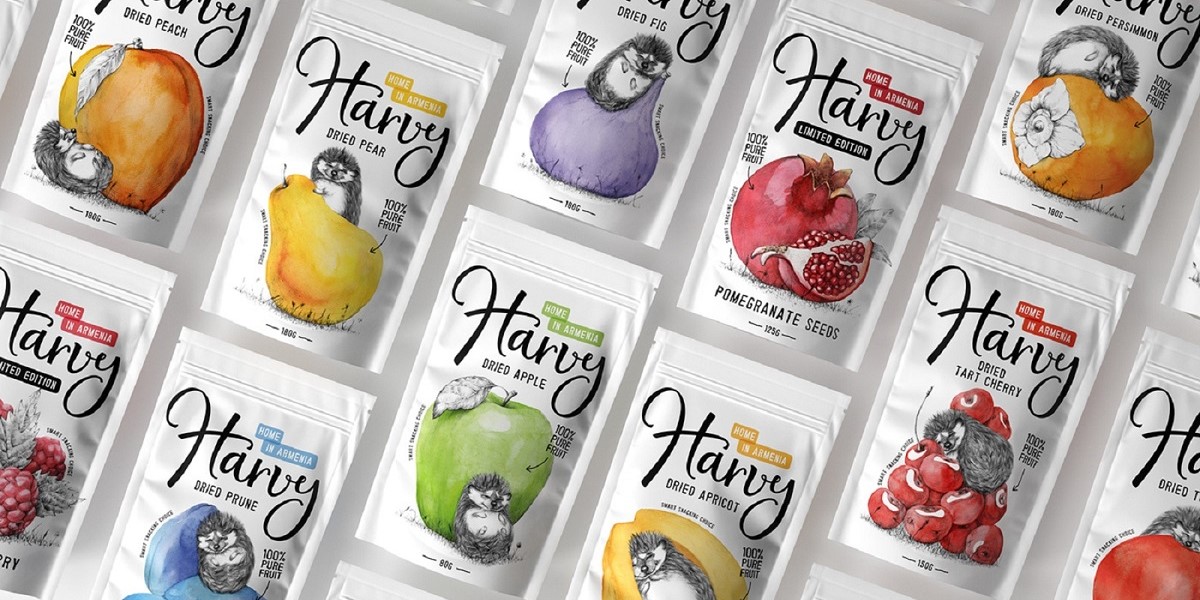
Flexible packaging refers to non-rigid materials that can easily conform to product shape while maintaining barrier and protection properties. It’s lightweight, customizable, and highly adaptable—making it a perfect fit for delicate products like dried fruits.
Core Definition
Flexible packaging uses multi-layer films that combine different materials to achieve mechanical durability, oxygen barrier, sealability, and visual appeal. These films can be shaped into pouches, roll stock, sachets, or bags depending on application.
Common Materials in Flexible Packaging
| Material | Function | Benefits |
|---|---|---|
| PET (Polyethylene Terephthalate) | Outer layer | Excellent clarity, printability, and strength |
| NY (Nylon/PA) | Middle layer | High puncture and oxygen resistance |
| EVOH (Ethylene Vinyl Alcohol) | Barrier layer | Extremely low oxygen permeability |
| PE (Polyethylene) | Inner layer | Sealable, moisture-resistant, flexible |
| CPP (Cast Polypropylene) | Seal layer | High gloss, thermal stability |
| AL (Aluminum Foil) | Barrier layer | Total protection from light, gas, and moisture |
| Paper (Kraft or Coated) | Structural or aesthetic | Eco-friendly, tactile, printable surface |
Each material contributes to a balance of protection, functionality, and branding. For instance, a PET/NY/PE combination delivers superior protection for fruit products during long-term transportation and storage.
Lamination Structures for Dried Fruits
| Structure Type | Use Case | Key Features |
|---|---|---|
| PET/PE | Standard dried fruits | Cost-effective, glossy finish |
| PET/NY/PE | Premium packaging | High oxygen barrier and mechanical strength |
| PET/AL/PE | Export products | Maximum barrier against UV and humidity |
| Paper/AL/PE | Organic or eco-focused brands | Natural texture, sustainability appeal |
| PET/EVOH/PE | Long shelf life snacks | Excellent oxygen control, recyclable variants available |
Why Multi-Layer Structures Matter
Each layer has a specific role:
- Outer layer: protection and printing surface
- Middle layer: gas and light barrier
- Inner layer: sealing and food contact safety
Together, they form a flexible yet strong envelope that protects dried fruits throughout storage and distribution.

3. Why Is Flexible Packaging Suitable for Storing Dried Fruit?
Flexible packaging meets the precise protection needs of dried fruits while aligning with modern demands for sustainability, lightweight logistics, and visual differentiation.
Moisture and Oxygen Barrier
The combination of nylon or EVOH middle layers creates a low moisture vapor transmission rate (MVTR) and oxygen transmission rate (OTR). For example:
- PET/PE: OTR 50–80 cc/m²/day
- PET/EVOH/PE: OTR < 1 cc/m²/day
This dramatically slows down oxidation and spoilage, maintaining taste and color over months.
Extended Shelf Life
Flexible packaging can extend the shelf life of dried fruits by 2–4 times compared to paper or single-layer plastic. Products remain fresher, more aromatic, and visually appealing.
Cost Efficiency
Since flexible packaging uses up to 70% less material than rigid jars or tins, it lowers:
- Production costs
- Shipping weight
- Storage space requirements
This makes it especially efficient for bulk packaging of dried fruits for export.
Customizable Visual Appeal
Modern printing technologies—like digital, rotogravure, or flexographic printing—allow high-resolution designs that enhance shelf appeal. Matte lamination, spot varnish, and transparent windows make the packaging both functional and attractive.
Resealability and Convenience
For snacks consumed over time, resealable zippers and tear notches improve user convenience while maintaining product freshness. Many flexible pouches also support hang holes or stand-up bases for retail display.
Eco-Friendly Options
Sustainability is another major advantage. With the rise of mono-material PE or recyclable kraft laminates, flexible packaging can meet both functional and environmental requirements.
4. How to Choose the Right Bag Type for Flexible Packaging of Dried Fruit?
The ideal packaging structure depends on distribution channels, storage duration, and brand positioning. Here are the most common flexible packaging types suitable for dried fruit products.
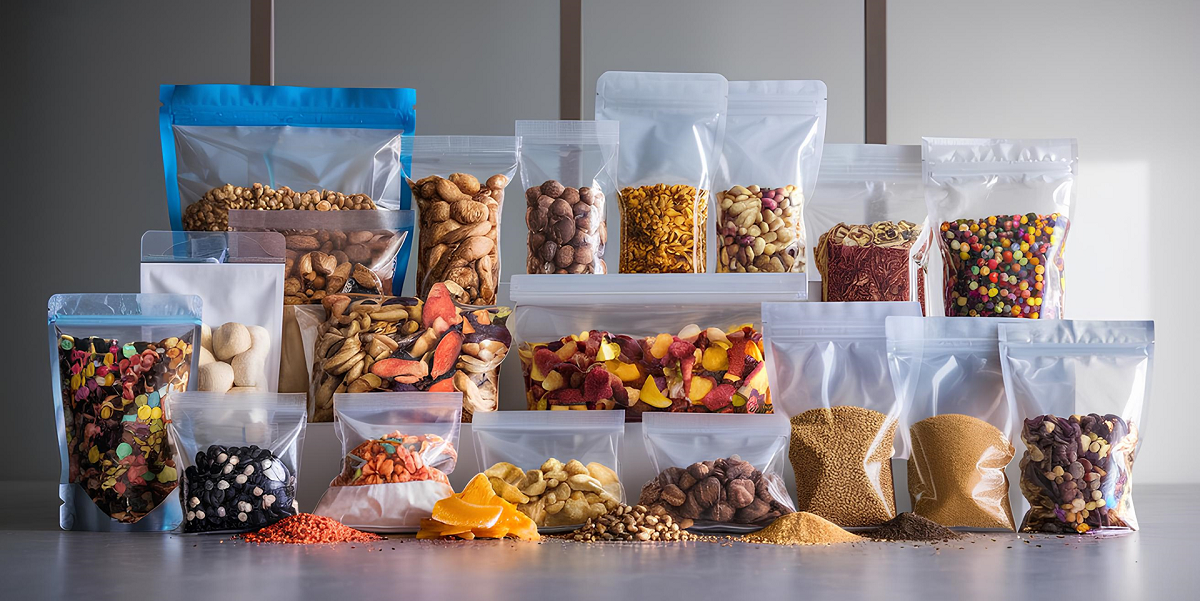
1. Stand-Up Pouch
- Excellent for retail display due to its self-supporting base.
- Available in matte or gloss finishes with optional zip lock or valve.
- Popular for mixed dried fruits, nuts, and trail mixes.
2. Flat Bottom Pouch
- Premium look with large printable surface area.
- Stable base ideal for high-end dried fruit products.
- Allows multiple panels for detailed product storytelling.
3. Three-Side Seal Pouch
- Simple, cost-effective design for small portions or single-serve packs.
- Often used in on-the-go or sampling products.
4. Gusset Bag
- Expands to accommodate larger volumes.
- Excellent for bulk packaging of dried fruits or food service applications.
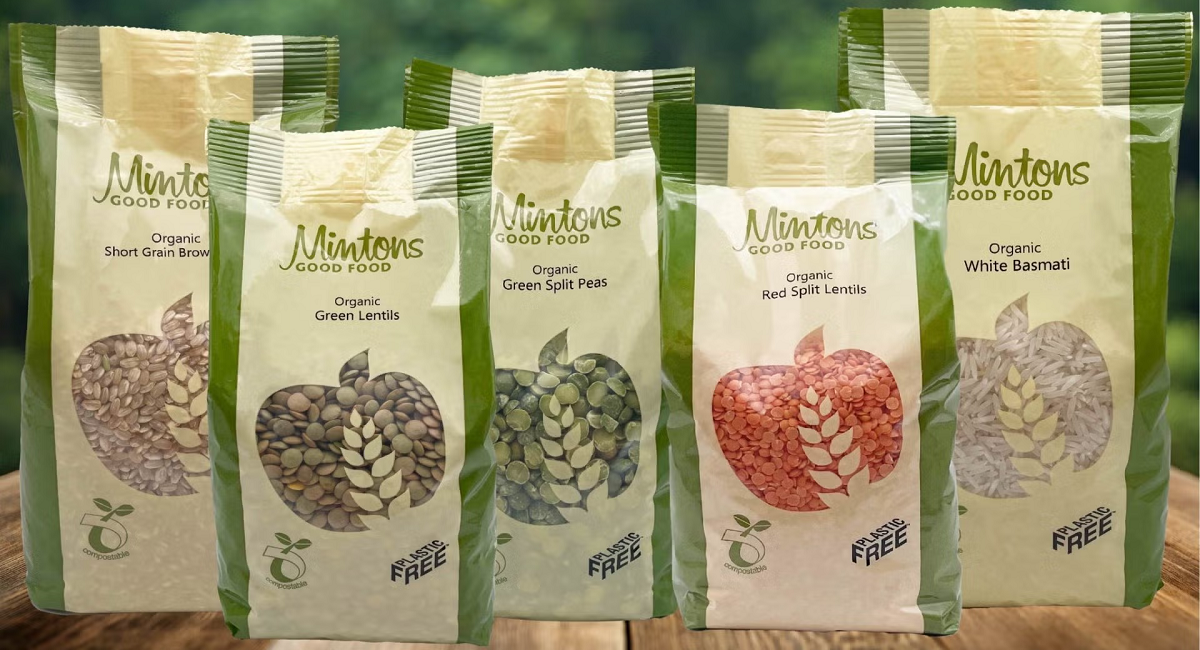
5. Kraft Paper Pouch with Window
- Combines natural aesthetics with transparency for consumer confidence.
- Suitable for organic and artisanal brands seeking eco-friendly appeal.
6. Aluminum Foil Pouch
- Highest barrier protection; blocks UV, gas, and moisture completely.
- Ideal for long-distance export or humid climates.
Industry Insights: The Market for Flexible Dried Fruit Packaging
According to MarketWatch 2025 Report, the global dried fruit packaging market is valued at USD 8.3 billion and is projected to reach USD 12.6 billion by 2030, growing at a CAGR of 6.9%. The demand is driven by:
- Rising health awareness and on-the-go snacking culture.
- Increasing export of tropical fruits like mangoes and pineapples.
- The growing preference for resealable, eco-conscious packaging.
Asia-Pacific dominates the market, accounting for over 45% of global production, with China, India, and Thailand being key exporters.
Europe and North America lead in premium packaging design innovation, focusing on sustainable laminates and minimalistic branding.
FAQ: Frequently Asked Questions About Flexible Packaging for Dried Fruits
Q1: Why is oxygen so harmful to dried fruits?
Oxygen accelerates oxidation of oils and vitamins, leading to rancidity and color fading. Flexible packaging with EVOH or aluminum layers effectively blocks oxygen ingress.
Q2: How long can dried fruits last in flexible packaging?
With high-barrier structures, dried fruits can maintain freshness for up to 18–24 months, depending on moisture level and storage temperature.
Q3: Are all flexible packaging materials food-safe?
Yes, when certified by FDA and EU food contact regulations. Reputable manufacturers like SHUANGFU PACKAGING use compliant materials and inks.
Q4: Can flexible packaging be recycled?
Mono-material structures such as PE/PE or BOPP/CPP are recyclable. However, traditional multi-layer laminates with aluminum may require specialized recycling streams.
Q5: How do I prevent dried fruit from sticking together?
Use moisture barrier films and consider nitrogen flushing before sealing to minimize residual humidity inside the pouch.
Q6: What is nitrogen flushing and why is it used?
Nitrogen flushing replaces oxygen with inert nitrogen gas before sealing, creating a low-oxygen environment that prevents oxidation and mold growth.
Q7: Which packaging type works best for export products?
PET/AL/PE stand-up pouches or flat-bottom pouches are ideal for long-distance shipping due to their superior light and moisture barriers.
Q8: How can packaging design improve brand recognition?
Using high-quality rotogravure printing, tactile matte coatings, and transparent windows helps build brand trust and shelf appeal—essential for premium dried fruit lines.
Conclusion
Flexible packaging represents the perfect balance of preservation, sustainability, and visual impact for dried fruit products. By using the right combination of materials and structures, brands can ensure their dried fruits remain flavorful, fresh, and visually appealing throughout their shelf life.
From moisture control to oxygen protection, flexible packaging delivers long-term benefits across the supply chain—enhancing both product integrity and consumer satisfaction.
As trends move toward eco-friendly materials and smart packaging, manufacturers like SHUANGFU PACKAGING continue to innovate, offering recyclable, resealable, and beautifully printed solutions that help brands stand out globally.