From Tradition to Innovation: How Customized Packaging Meets Ever-Changing Market Demands
Anna_Yu
From Tradition to Innovation: How Customized Packaging Meets Ever-Changing Market Demands
Packaging has undergone a profound transformation over the past few decades. What was once viewed as a purely functional component—designed simply to contain, protect, and transport products—has now become a strategic tool that influences consumer perception, brand value, and market competitiveness. In an era defined by rapid technological change, evolving consumer preferences, and intensified global competition, packaging is no longer static. Instead, it is dynamic, adaptive, and deeply connected to innovation.
Customized packaging sits at the center of this transformation. As markets fragment and consumer demands become more personalized, standardized packaging solutions struggle to keep pace. Brands are increasingly required to respond quickly to trends, regulatory shifts, sustainability expectations, and digital commerce requirements. Customized packaging allows companies to move beyond tradition, aligning packaging design, materials, and functionality with specific market needs and brand narratives.
This article explores how customized packaging bridges the gap between tradition and innovation. We will examine why packaging has become a strategic pivot for market transformation, where innovation in packaging bags is happening today, how customers benefit from these innovations, and the broader impact innovative packaging has on brands. Understanding these factors is essential for businesses aiming to remain relevant and competitive in fast-changing markets.
1. Why is packaging considered a strategic pivot for market transformation?
Packaging is now recognized as a strategic pivot because it directly connects production, distribution, marketing, and consumer experience. Unlike many internal business processes, packaging is visible, tangible, and immediately influential at the point of sale. It is often the first physical interaction a consumer has with a product, making it a powerful driver of purchasing decisions.
From a market transformation perspective, packaging enables brands to respond quickly to change. When consumer preferences shift toward sustainability, convenience, or premium experiences, packaging can be redesigned faster than reformulating a product. This flexibility makes packaging a key lever for adaptation. For example, introducing recyclable materials, resealable features, or portion-controlled formats allows brands to realign with market expectations without altering the core product.
Packaging also plays a crucial role in differentiation. In saturated markets, products often have similar formulations and price points. Packaging becomes the primary way to stand out. Through customized structures, finishes, colors, and messaging, brands can clearly communicate value propositions such as quality, innovation, or environmental responsibility.
Additionally, packaging acts as a bridge between offline and online markets. With the rise of e-commerce, packaging must protect products during shipping while also delivering a strong unboxing experience. This dual role elevates packaging from a cost center to a strategic investment that influences brand loyalty and repeat purchases.
In short, packaging is a strategic pivot because it shapes perception, enables agility, and supports long-term market evolution.
2. Where is the innovation in packaging bags now?
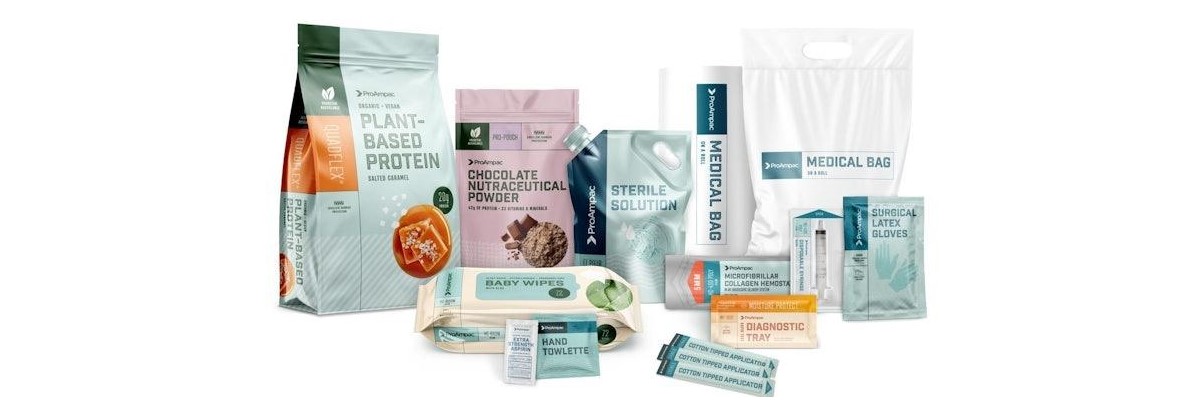
Innovation in packaging bags is happening across multiple dimensions, including materials, structure, functionality, and production technology. These innovations are driven by sustainability goals, consumer convenience, and advances in manufacturing processes.
One major area of innovation is material development. Brands are moving away from traditional multi-material laminates toward recyclable mono-material structures. At the same time, high-barrier films are being engineered to maintain shelf life while reducing material thickness. Bio-based and compostable materials are also gaining traction in specific applications, reflecting growing environmental awareness.
Structural innovation is another key trend. Modern packaging bags are designed not only to hold products but also to enhance usability. Stand-up pouches with flat bottoms improve shelf stability, while spout pouches enable controlled dispensing. Special-shaped bags and ergonomic designs improve handling and visual appeal, especially in crowded retail environments.
Functional features represent a third innovation area. Resealable zippers, tear notches, easy-open seals, degassing valves, and transparent windows all enhance user experience. These features transform packaging from a one-time container into a reusable, consumer-friendly solution that aligns with real-life usage scenarios.
Finally, innovation is occurring in printing and customization technologies. Digital printing allows for shorter runs, faster turnaround, and greater design flexibility. This enables seasonal packaging, limited editions, and market-specific designs without excessive cost. High-quality gravure and hybrid printing techniques further enhance visual impact, supporting premium branding strategies.
Together, these innovations redefine what packaging bags can achieve, making them smarter, more sustainable, and more aligned with modern market demands.
3. What are the benefits of innovative packaging for customers?
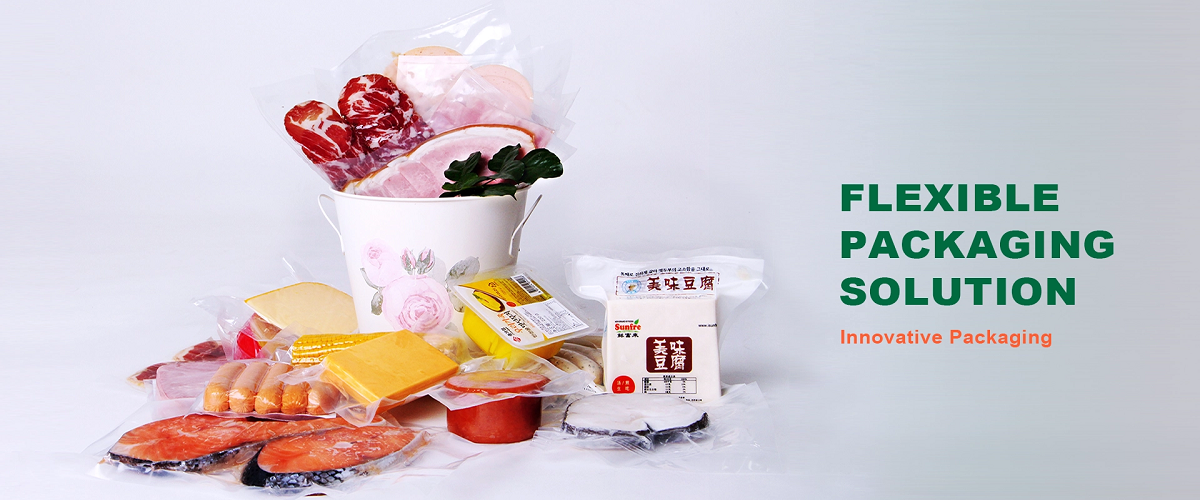
Innovative packaging delivers tangible benefits to customers by improving convenience, safety, transparency, and overall product experience. From a consumer’s perspective, packaging is not just about appearance—it directly affects daily use and satisfaction.
One of the most significant benefits is enhanced convenience. Features such as resealable closures, easy-tear openings, and portion-friendly designs make products easier to use and store. Customers no longer need additional containers or tools, which simplifies their routines and reduces waste.
Innovative packaging also improves product protection and freshness. Advanced barrier materials help maintain flavor, aroma, and texture, especially for sensitive products like food, beverages, and pet supplies. This ensures that customers receive products in optimal condition, reinforcing trust in the brand.
Transparency is another key benefit. Clear windows, informative labeling, and QR codes allow customers to see and understand what they are buying. This builds confidence, particularly in categories where quality and authenticity are critical.
Sustainability-focused innovations also resonate strongly with modern consumers. Recyclable, lightweight, or reduced-material packaging aligns with environmental values and allows customers to make more responsible purchasing decisions without sacrificing quality or convenience.
Ultimately, innovative packaging enhances the user experience by combining functionality, reliability, and emotional appeal, turning everyday products into more satisfying and meaningful purchases.
4. What are the impacts of innovative packaging on brands?
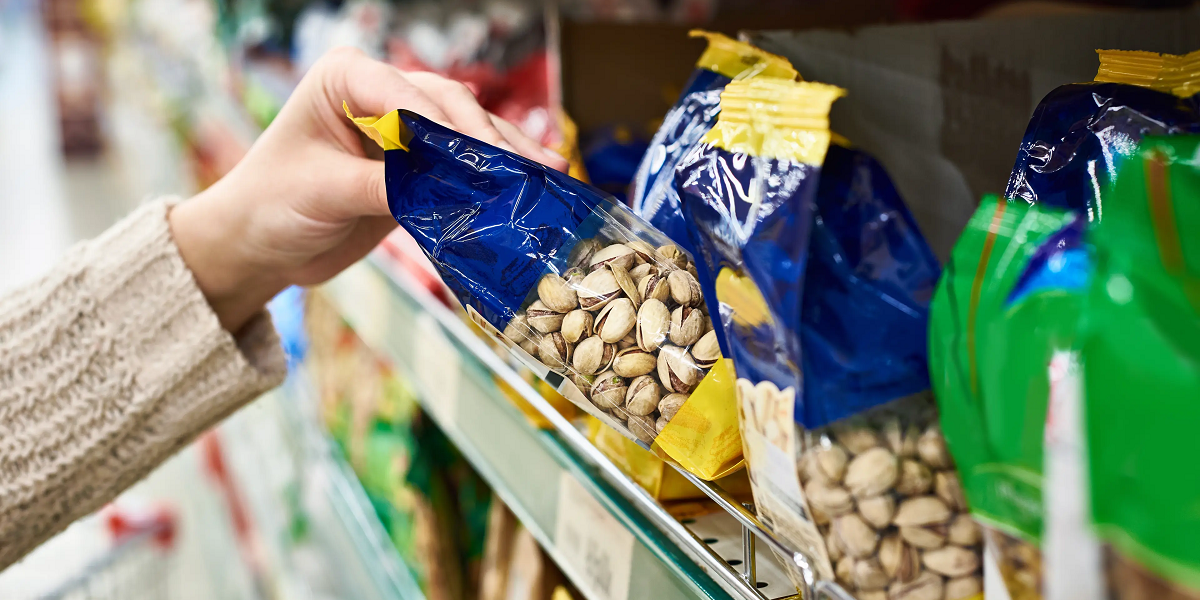
For brands, innovative packaging is a powerful driver of differentiation, efficiency, and long-term growth. One of the most immediate impacts is stronger brand identity. Customized packaging enables brands to express their values, positioning, and personality clearly and consistently. Design elements such as color, texture, and structure become recognizable brand assets.
Innovative packaging also supports market expansion and segmentation. Brands can tailor packaging formats and designs to specific regions, demographics, or sales channels. This flexibility allows companies to enter new markets or adapt to local preferences without overhauling their product lines.
From an operational standpoint, packaging innovation can improve supply chain efficiency. Lightweight flexible packaging reduces transportation costs and carbon footprint. Improved durability lowers the risk of damage and returns, particularly in e-commerce.
Furthermore, innovative packaging enhances customer loyalty. When packaging is easy to use, visually appealing, and aligned with consumer values, it creates positive experiences that encourage repeat purchases. Over time, this builds stronger emotional connections between brands and customers.
In a competitive environment where products are increasingly similar, innovative packaging becomes a key differentiator that influences perception, preference, and profitability.
FAQ
1. Is customized packaging only suitable for large brands?
No. Advances in digital printing and flexible manufacturing make customized packaging accessible to small and medium-sized businesses as well.
2. Does innovative packaging increase costs significantly?
While some innovations may increase unit costs, they often reduce overall expenses through improved efficiency, reduced waste, and higher sales conversion.
3. How does customized packaging support sustainability?
Customized packaging can optimize material usage, enable recyclable structures, and reduce unnecessary packaging components.
4. Can packaging innovation impact online sales?
Yes. Packaging designed for e-commerce improves product protection and enhances unboxing experiences, directly influencing customer satisfaction and reviews.
5. How often should brands update their packaging?
There is no fixed rule, but brands should regularly review packaging to ensure it aligns with market trends, regulations, and consumer expectations.
Conclusion
The journey from traditional packaging to innovative, customized solutions reflects broader changes in global markets and consumer behavior. Packaging has evolved into a strategic asset that enables agility, differentiation, and deeper customer engagement. By embracing innovation in materials, structure, functionality, and design, brands can meet ever-changing market demands while enhancing customer value and brand strength. In a future defined by competition and customization, innovative packaging is not just an option—it is a necessity.