Fruit Dried Packaging Guide You Need to Know
Anna_Yu
Fruit Dried Packaging Guide You Need to Know
Before diving into the technical aspects of dried fruit packaging, it is important to understand why this category has rapidly become one of the most competitive sectors in the food packaging industry. Dried fruits are no longer simple snacks; they are now regarded as premium, health-oriented, and convenience-driven products that appeal to a wide range of consumers—from fitness enthusiasts and busy professionals to families seeking nutritious alternatives. Because dried fruits have relatively low moisture yet remain highly sensitive to environmental factors such as humidity, oxygen, temperature, and microbial contamination, their packaging must provide a level of protection far superior to many other snacks. At the same time, dried fruit packaging must also communicate freshness, quality, and brand value in an increasingly crowded marketplace.
In today’s global market, packaging is not merely a container—it is part of the consumer experience, influencing purchasing decisions, perceived product quality, and even long-term brand loyalty. Functional performance and visual appeal must therefore coexist. Packaging designers must consider light protection, oxygen barrier, sealing performance, shelf impact, environmental friendliness, and consumer convenience. Flexible packaging bags have emerged as the preferred packaging format due to their durability, cost efficiency, customizable features, and excellent barrier properties.
This guide will explore everything you need to know about dried fruit packaging—from bag types and materials to future trends driven by sustainability and e-commerce. With the rapid evolution of flexible packaging technology, brands that understand and implement these strategies will gain a significant competitive advantage.
1. What is dried fruit packaging?
Dried fruit packaging refers to the protective system used to store, transport, and display dehydrated fruits such as raisins, apricots, mango slices, banana chips, cranberries, dates, and mixed dried fruit snacks. Unlike fresh produce packaging, dried fruit packaging must focus on long-term preservation and protection from external elements.
The main purposes of dried fruit packaging include:
-
Preventing moisture absorption
Even small increases in moisture can cause dried fruit to become sticky, moldy, or lose texture. -
Protecting from oxygen exposure
Oxygen triggers oxidation, resulting in color changes, nutrient loss, flavor degradation, and rancidity. -
Maintaining aroma and flavor
Dried fruits often contain natural sugars and oils that can lose intensity or absorb external odors. -
Extending shelf life
Quality packaging ensures freshness from production to consumption. -
Ensuring food safety
Packaging prevents contamination from bacteria, insects, allergens, and physical damage. -
Supporting branding and marketing
High-quality packaging helps products stand out on supermarket shelves and online listings.
Dried fruit packaging must balance barrier protection, mechanical strength, aesthetic design, and consumer convenience—making it a critical component of product success.

2. What types of packaging bags are suitable for dried fruit?
Different packaging formats can be used depending on product type, quantity, market positioning, and distribution method. The most commonly used bag types include:
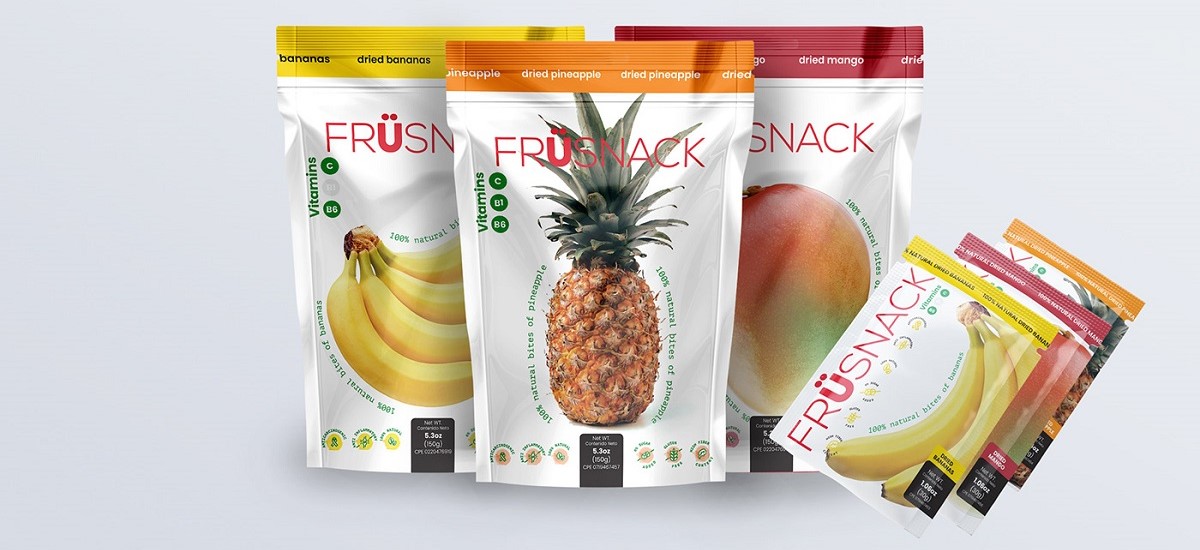
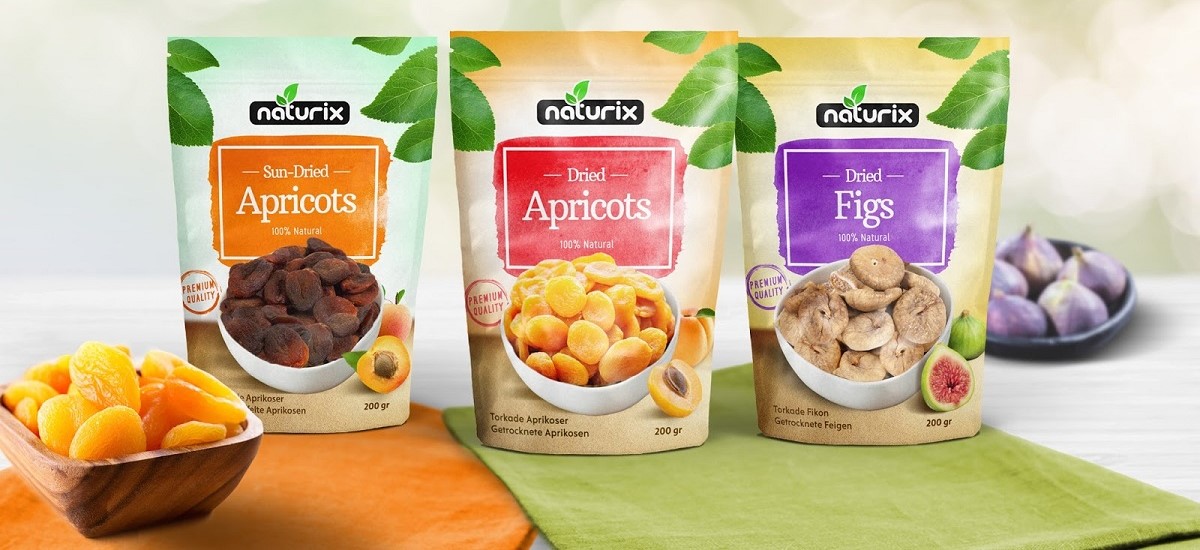
Stand-Up Pouch
One of the most popular choices for dried fruits.
Features:
- Allows products to stand firmly on shelves
- Excellent for branding due to wide printable surface
- Can include zippers for reusability
- Works well for both lightweight and bulk dried fruits
Best for: Mixed dried fruit, soft fruits, family packs.
Three-Side Seal Pouch
A simple and cost-effective option.
Features:
- Strong sealing
- Ideal for single-serve and travel-sized packs
- Lightweight and affordable
Best for: Small snacks, on-the-go packs, sample sizes.
Flat Bottom Bag / Box Bottom Bag
Premium packaging for high-end markets.
Features:
- Stands upright with great stability
- Maximum internal space
- Very strong visual appeal
- Compatible with zippers and valves
Best for: Premium dried fruit assortments, gift packs.
Gusset Bag (Side Gusset Pouch)
A strong and spacious bag type.
Features:
- Holds large volumes
- Often used in wholesale packaging
- Suitable for vertical sealing
Best for: Bulk dried fruit (1kg, 2kg, etc).
Vacuum Packaging Bags
Used for extra-sensitive dried fruits prone to oxidation.
Features:
- Excellent oxygen protection
- Extends shelf life significantly
- Ideal for export products
Best for: Premium dates, prunes, dried mango, dehydrated tropical fruits.
Resealable Zipper Bags
A functional upgrade for consumer convenience.
Features:
- Prevents repeated moisture exposure
- Maintains freshness after opening
- Reusable
Best for: Ready-to-eat packaging, supermarkets, organic dried fruits.
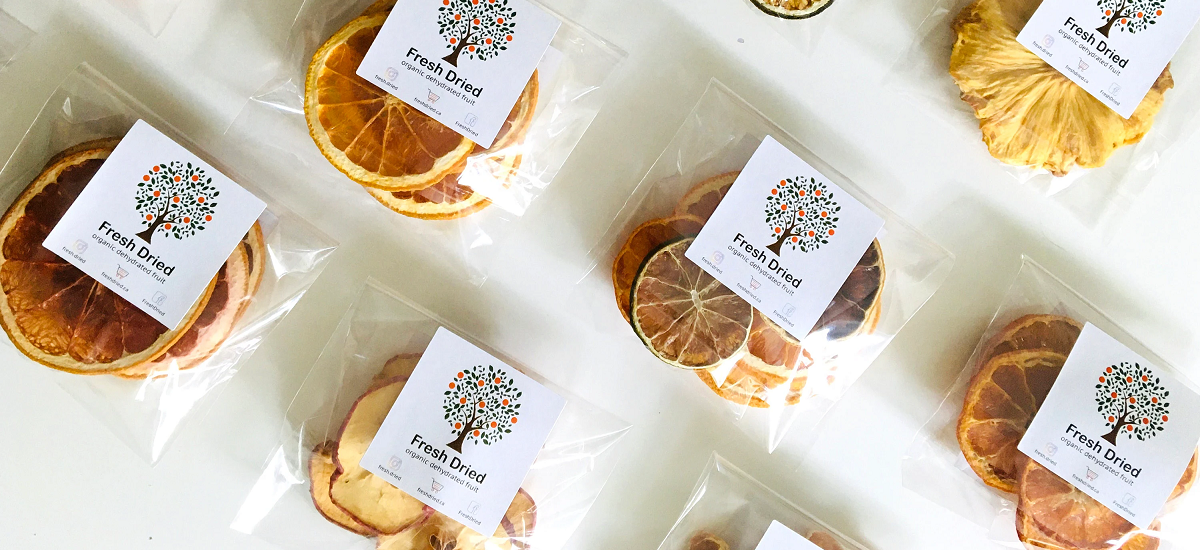
Window Pouch
Combines aesthetics with transparency.
Features:
- Allows consumers to see the product
- Enhances trust and purchasing confidence
- Popular for natural or organic brands
Best for: Mixed fruit snacks, freeze-dried fruit.
Each packaging type supports different product strategies and markets, making it important to choose based on customer needs and branding requirements.
3. What materials are used for packaging dried fruit, and why are they chosen?
Dried fruit packaging materials must offer strong barrier protection, durability, and compatibility with high-speed production lines. Here are the most commonly used materials:
① PET (Polyester Film)
Role: Outer layer
Reasons for use:
- Excellent printability
- High mechanical strength
- Good oxygen barrier
- Provides premium visual finish
PET is often laminated with PE or CPP as inner sealing layers.
② OPP / BOPP (Oriented Polypropylene)
Role: Outer layer or middle layer
Reasons for use:
- High clarity and gloss
- Good moisture barrier
- Lightweight and cost-effective
- Suitable for printing
Commonly used for window pouches and lightweight snacks.
③ CPP (Cast Polypropylene)
Role: Inner sealing layer
Reasons for use:
- Strong heat-sealing performance
- Excellent clarity
- Good flexibility
Often combined with PET for dried fruit packs.
④ PE (Polyethylene)
Role: Sealing layer
Reasons for use:
- Excellent sealing performance
- Good puncture resistance
- Suitable for zipper bags
- Ideal for larger packaging formats
PE helps maintain freshness after the bag is opened.
⑤ Aluminum Foil (AL)
Role: High-barrier middle layer
Reasons for use:
- 100% light blocking
- Best oxygen and moisture barrier
- Prevents aroma loss
- Ideal for long-term storage and export
Used for sensitive or premium dried fruits.
⑥ Metallized Film (VMPET / VMOPP)
Role: High-barrier laminated layer
Reasons for use:
- Cost-effective alternative to aluminum
- Reflective metallic look
- Good moisture and oxygen barrier
- Lightweight and flexible
Widely used for dried mango, apricots, and mixed fruit.
⑦ Kraft Paper Laminated Film
Role: Outer aesthetic layer
Reasons for use:
- Natural, eco-friendly appearance
- Excellent shelf appeal
- Often used with window designs
Popular in organic and artisanal dried fruit brands.
Why these materials?
Dried fruit packaging materials are selected based on:
- Moisture barrier to prevent stickiness
- Oxygen protection to avoid rancidity and discoloration
- Light protection for sensitive fruits
- Mechanical strength to prevent crushing
- Print performance for branding
- Cost efficiency for mass-market products
The right combination ensures freshness, safety, and strong market presence.
4. Why is the packaging of dried fruit so important?
Dried fruit packaging is essential for several reasons. As consumer expectations grow and markets become more competitive, packaging plays a deeper role than simple containment.
1. Protecting product quality
Dried fruits lose freshness when exposed to humidity, heat, and oxygen. Proper packaging maintains texture, color, and aroma.
2. Extending shelf life
High-barrier materials significantly delay oxidation, preserving nutritional value.
3. Ensuring food safety
Packaging prevents:
- bacterial contamination
- insect infiltration
- cross-contact with allergens
- physical damage
4. Enhancing shelf appeal
Visually appealing packaging improves:
- brand recognition
- consumer trust
- purchase rates
5. Supporting transportation and storage
Flexible packaging is lightweight and durable, reducing logistic costs and protecting during shipment.
6. Creating a premium image
Stylish designs such as kraft paper, matte finishes, and window pouches help products stand out.
7. Meeting sustainability expectations
Eco-friendly packaging options influence buying decisions of health- and environment-conscious consumers.
8. Improving customer convenience
Features like:
- tear notches
- resealable zippers
- stand-up structures
make the packaging user-friendly.
Packaging is not just protection—it is a core component of product value and consumer satisfaction.
5. What are the future trends in dried fruit packaging?
The dried fruit industry is continuously evolving. Here are the major trends shaping the future:
① Sustainable materials
Consumers expect eco-conscious solutions. Future packaging will shift toward:
- recyclable PE/PE mono-material bags
- compostable films
- paper-based laminates
- reduced plastic content
② High-barrier recyclable packaging
Replacing traditional multi-layer foils with:
- EVOH-based films
- high-barrier metallized recyclable films
③ Smart packaging
Includes:
- QR codes for traceability
- freshness indicators
- anti-counterfeit technologies
④ Transparent and window designs
Growing demand for:
- product visibility
- trust-building designs
- natural, kraft-mixed aesthetics
⑤ Premiumization
Brands will increasingly use:
- matte finishes
- embossing
- soft-touch films
- luxury flat-bottom bags
⑥ Convenience-first designs
Consumers will prefer packaging that includes:
- zippers
- easy-tear notches
- portion-controlled sachets
⑦ E-commerce-optimized packaging
Stronger packaging with:
- higher puncture resistance
- tighter sealing
- improved transit durability
E-commerce requires durable yet visually appealing packaging.
⑧ Health & wellness branding
Packaging will emphasize:
- clean labels
- nutritional transparency
- functional benefits (vegan, organic, no-sugar-added)
These trends reflect the increasing demand for functional, sustainable, and visually striking packaging solutions.
FAQ
1. What is the best bag type for dried fruits?
Stand-up pouches with zippers are the most versatile and consumer-friendly option.
2. Are window pouches safe for dried fruits?
Yes, as long as they use high-barrier laminations to prevent moisture and oxygen penetration.
3. Do dried fruits require aluminum foil packaging?
Only for highly sensitive fruits or long export journeys.
4. Can dried fruit packaging be eco-friendly?
Yes—recyclable mono-material PE/PE packaging is increasingly popular.
5. How long can dried fruits last in high-barrier packaging?
Up to 12–24 months depending on fruit type and storage conditions.
Conclusion
Dried fruit packaging is a delicate balance of barrier performance, consumer convenience, visual appeal, and cost efficiency. With rising consumer expectations and competitive markets, brands that invest in high-quality flexible packaging can significantly improve their product freshness, shelf impact, and long-term brand loyalty. From understanding materials and bag types to embracing future trends like sustainability and smart packaging, businesses that prioritize innovation in packaging will stand at the forefront of the dried fruit industry.