Future Packaging Trends for Spout Pouches
Anna_Yu
Future Packaging Trends for Spout Pouches
Spout pouches are becoming one of the fastest-growing packaging formats in the global flexible packaging industry. As consumers shift toward convenience, portability, sustainability, and improved user experience, spout pouches are replacing traditional rigid packaging in multiple sectors, including beverages, condiments, household cleaning products, automotive liquids, cosmetics, and industrial materials. Their lightweight structure, customizable shapes, and compatibility with various dispensing systems allow brands to enhance product presentation and reduce transportation and storage costs.
Meanwhile, the packaging landscape is undergoing major transformation due to environmental regulations, advancements in recyclable materials, e-commerce growth, and the rising demand for eco-friendly solutions. Spout pouches are at the center of this transformation. Companies are developing mono-material laminates, renewable bio-films, post-consumer-recycled content, and new spout technologies that improve user experience while reducing environmental footprint. As more industries adopt flexible packaging, spout pouches are moving beyond simple functionality—they are becoming a symbol of premium brand value and sustainable innovation.
This 10,000-word guide provides an in-depth analysis of what spout pouches are, which raw materials are commonly used, whether they can be recycled, which industries require them, and how future packaging trends will shape their development. Whether you are a manufacturer, brand owner, packaging engineer, or sourcing manager, this comprehensive overview will help you understand the long-term direction of spout pouch technology and global market demand.
1. What Is a Spout Bag?
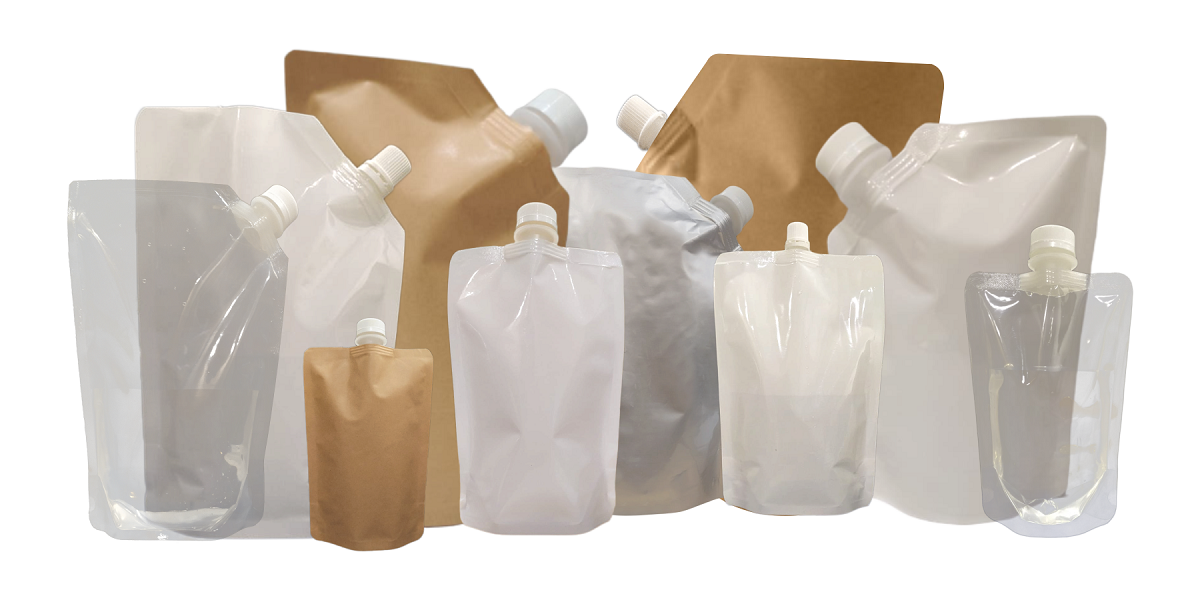
A spout bag (also called a spout pouch) is a flexible package equipped with a fitment—typically a spout and cap—that allows controlled dispensing, refilling, and sealing. It provides many of the advantages of rigid packaging but in a lighter, more compact format.
Key Characteristics
- Flexible structure: Made from laminated films that provide strength, durability, and barrier protection.
- Dispensing system: A spout and cap that ensures clean, controlled pouring.
- Space-saving: Occupies less storage and shipping space than bottles or jars.
- Customizable appearance: Shape, printing, and structure can be tailored to branding needs.
- High barrier options: Protection against moisture, oxygen, UV light, and contamination.
How Spout Bags Work
Spout pouches are formed through multi-layer film lamination and then sealed using heat or ultrasonic sealing. The spout is welded to the pouch body after the shape is formed. Once filled with product, the pouch is hermetically sealed to preserve freshness, fragrance, nutritional value, or chemical stability.
Why Brands Choose Spout Pouches
- Reduced packaging weight compared to bottles.
- Lower logistics costs due to compactness.
- Improved sustainability—less plastic, fewer emissions.
- Better user experience with easy dispensing and resealability.
- Enhanced branding space—more printable surface than bottles.
2. What Are the Commonly Used Raw Materials for Spout Pouches?
Spout pouches rely on multi-layer flexible films that provide strength, barrier performance, sealing reliability, and product safety. Below is a detailed breakdown of commonly used materials.
2.1 Outer Layer Materials
The outside layer protects printing and provides durability.
| Material | Features | Common Uses |
|---|---|---|
| PET | High clarity, stiffness, good printability | Beverages, detergents, condiments |
| Matt PET | Premium matte texture, scratch resistance | Luxury cosmetics, premium food |
| Nylon (PA) | Puncture resistance, strength | Liquid detergent, sauces, oils |
2.2 Middle Barrier Layer Materials
This layer ensures oxygen, moisture, aroma, and UV resistance.
| Material | Barrier Properties | Notes |
|---|---|---|
| Aluminum foil | Excellent barrier to light, oxygen, moisture | Used for sensitive or high-value products |
| EVOH | Strong oxygen barrier | Popular in recyclable PE mono-structures |
| Metalized PET | Light barrier and aesthetic appearance | Lower cost alternative to foil |
2.3 Inner Sealing Layer Materials
The inside layer touches the product and ensures sealing integrity.
| Material | Advantages | Applications |
|---|---|---|
| PE (Polyethylene) | Safe, strong seal, good heat resistance | Food, beverages, household products |
| CPP (Cast Polypropylene) | Temperature resistance, chemical tolerance | Hot-fill products, oils |
| LLDPE | Flexibility + impact strength | Pouches requiring drop resistance |
Specialty Materials for Spout Pouches
- Bio-based PE – made from sugarcane
- Compostable PLA blends – emerging eco-applications
- PCR (Post-Consumer Recycled) content films – reduces virgin plastic usage
3. Can Spout Pouches Be Recycled?
Recyclability depends heavily on pouch material structure and local recycling systems.
3.1 Recyclable/Mono-Material Pouches
The global trend is shifting toward mono-material spout pouches, especially full-PE structures.
Example:
- PE/PE + PE spout + PP cap
- Can enter polyethylene recycling streams in many countries.
3.2 Multi-Layer Pouches (Non-Recyclable)
Traditional pouches use PET/NY/AL/PE laminations, which are difficult to recycle due to mixed materials.
3.3 Emerging Recycling Technologies
- Chemical recycling: Converts plastics back to raw monomers.
- Advanced sorting systems: AI-driven waste classification.
- Recycling-ready laminates: Designed with compatible polymer families.
3.4 Realistic Industry Scenario
Although recycling is improving, most global regions still lack widespread flexible packaging recycling capability. This is why future packaging trends strongly lean toward:
- mono-material PE pouches,
- recyclable fitments,
- reduced layers,
- thinner yet stronger films.
4. Which Industries Need to Use Spout Pouches?
Spout pouches are highly versatile and are used across numerous sectors.
4.1 Food and Beverage Industry
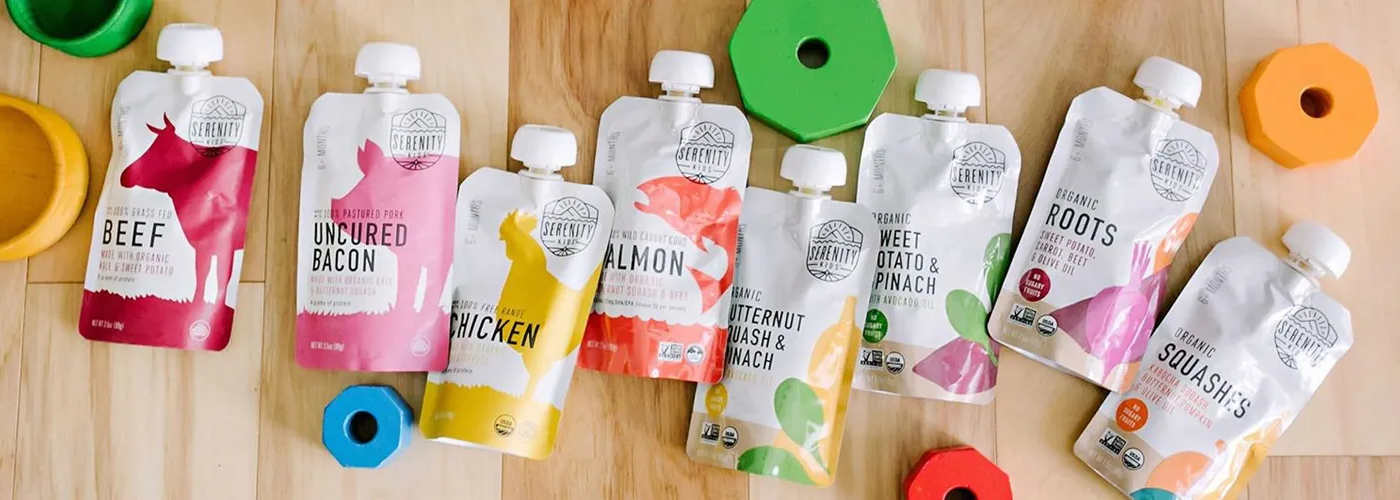
- Baby food
- Smoothies and energy gels
- Sauces, ketchup, and condiments
- Cooking oils
- Soup bases
- Alcoholic mixes
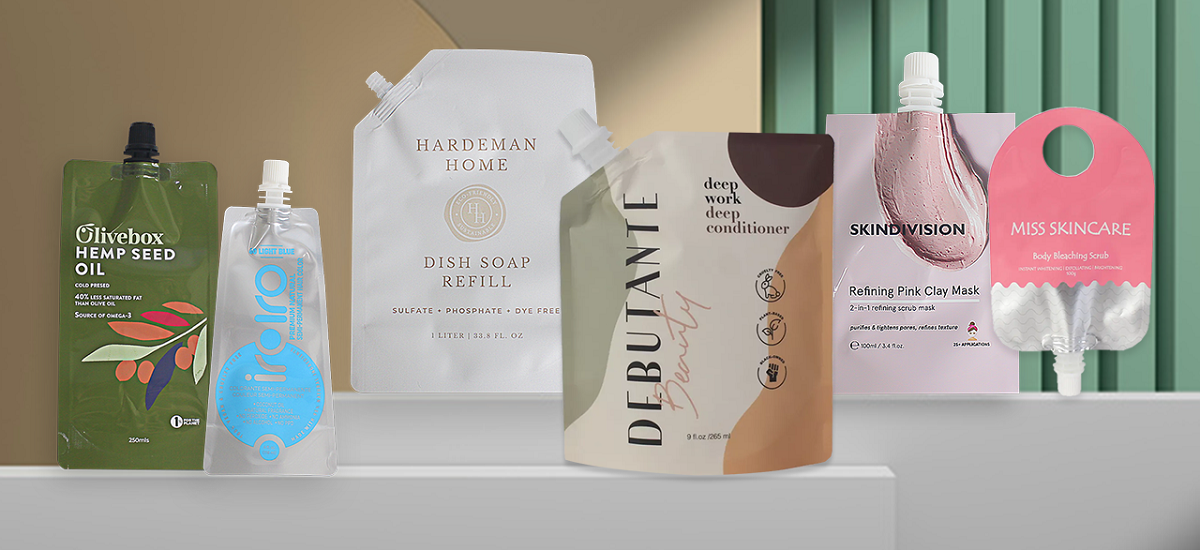
4.2 Beauty and Personal Care
- Shampoo and conditioner
- Body wash and shower gel
- Refill packs for cosmetics
- Lotions and creams
4.3 Household Cleaning Products
- Laundry detergent
- Fabric softener
- Dishwashing liquid
- Surface cleaners
4.4 Industrial and Automotive
- Motor oils
- Car care fluids
- Industrial lubricants
- Chemical concentrates
4.5 Pet Food and Veterinary Products
- Liquid supplements
- Purees
- Broths
- Grooming products
4.6 Agriculture
- Liquid fertilizers
- Nutrient concentrates
- Pesticide solutions
Because spout pouches are safe, durable, and cost-efficient, their adoption continues expanding across global markets.
5. What Direction Will the Future of the Spout Pouch Take?
Future packaging development is driven by environmental requirements, brand aesthetics, consumer habits, and new material technologies.
5.1 Mono-Material Recyclable Structures
The most significant global shift involves converting multi-layer laminates into recyclable mono-material packages.
- PE/PE laminates
- PP/PP laminates
- Mono-family spout and cap systems
Brands will increasingly adopt "recycling-ready" solutions as government regulations strengthen.
5.2 PCR and Bio-Based Materials
- Use of post-consumer recycled (PCR) films
- Bio-PE from renewable sources
- Plant-based spouts and caps
These materials reduce carbon footprint and appeal to eco-conscious consumers.
5.3 Smart Spout Technology
Future spouts will incorporate:
- anti-leak valves,
- directional flow control,
- portion-control systems,
- child-resistant mechanisms.
5.4 Lightweighting and Material Reduction
Technology advancements allow films to become thinner but stronger, reducing total plastic use.
5.5 High-End Digital Printing
Digital printing enables:
- faster production
- multiple SKUs
- variable data (QR codes, tracking IDs)
- personalized packaging
5.6 Growth of Refill Packaging
Refill pouches are surging as brands embrace sustainability.
Spout pouches are the ideal refill format due to:
- lower carbon emissions
- strong barrier properties
- excellent user convenience
5.7 E-Commerce-Ready Designs
Pouches will increasingly be designed for:
- drop resistance
- leakage prevention
- tamper evidence
- anti-burst side gussets
5.8 Transparent Sustainability Labeling
Consumers want to know:
- recyclability
- material type
- carbon footprint
Packages will integrate clearer sustainability communication.
FAQ
1. Are spout pouches safe for food?
Yes. Food-grade materials approved by FDA, EU standards, and SGS testing ensure safety.
2. Can spout bags replace plastic bottles?
In many categories—yes. They use less plastic, cost less to ship, and offer better sustainability.
3. Can I microwave a spout pouch?
Only if it is specifically designed for microwave use. Most standard spout pouches are not microwave-safe.
4. Are spout pouches suitable for hot-fill?
Yes—CPP and high-temperature PE structures can support hot-fill applications.
5. What printing methods are used?
Gravure, flexo, and digital printing are the most common.
Conclusion
Spout pouches are not just a flexible packaging format—they represent the future of sustainable, user-friendly, and visually impactful packaging. As brands compete to reduce waste, enhance consumer convenience, and create a stronger identity, spout pouches offer the perfect balance of performance, aesthetics, and eco-responsibility.
The shift toward mono-materials, recyclable structures, and smart spout innovations will define the next decade of packaging evolution. Companies that adopt these trends early will gain a competitive advantage in cost efficiency, environmental compliance, and market appeal. Whether you operate in food, beauty, household goods, automotive, agriculture, or industrial applications, the spout pouch will continue to grow as a leading packaging solution worldwide.