Guidelines for Flexible Packaging of Candied Fruit
Anna_Yu
Guidelines for Flexible Packaging of Candied Fruit
Candied fruit is a popular confectionery product known for its sweet taste, chewy texture, and vibrant appearance. Whether consumed as a snack, used in baking, or incorporated into desserts, candied fruit requires careful packaging to preserve its quality and visual appeal. Despite its relatively low water activity, candied fruit remains sensitive to environmental factors such as humidity, temperature fluctuations, and oxygen exposure.
One of the primary challenges in packaging candied fruit is preventing moisture absorption, which can lead to stickiness, clumping, or sugar crystallization on the surface. In addition, maintaining the product’s texture and preventing contamination are essential for ensuring a consistent consumer experience.
Flexible packaging has become the preferred solution for candied fruit products due to its strong barrier properties, lightweight structure, and adaptability to different packaging formats. With the right combination of materials and functional features, manufacturers can effectively protect candied fruit during storage, transportation, and export. This guide outlines key considerations for selecting the most suitable flexible packaging solution.
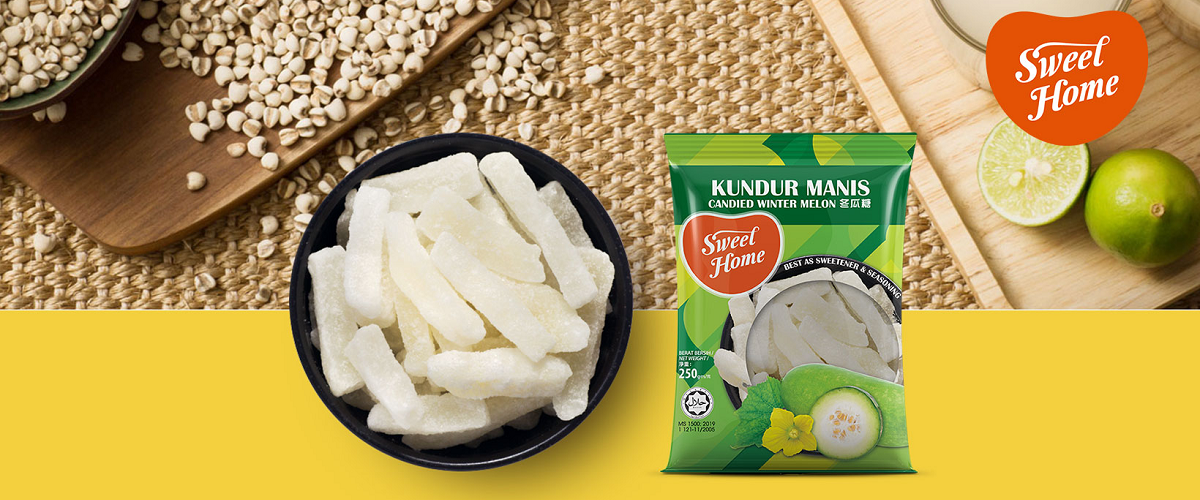
1. What Types of Flexible Packaging Are Best for Candied Fruit Products?
Selecting the right packaging format depends on product type and market positioning.
Stand-Up Pouches (Doypack)
- Ideal for retail packaging
- Supports resealable features
- Enhances shelf visibility
Pillow Pouches
- Cost-effective solution
- Suitable for small or single-use packs
Gusseted Bags
- Suitable for bulk packaging
- Ideal for wholesale or foodservice distribution
Sachets
- Convenient for portion control
- Common for snack-size servings
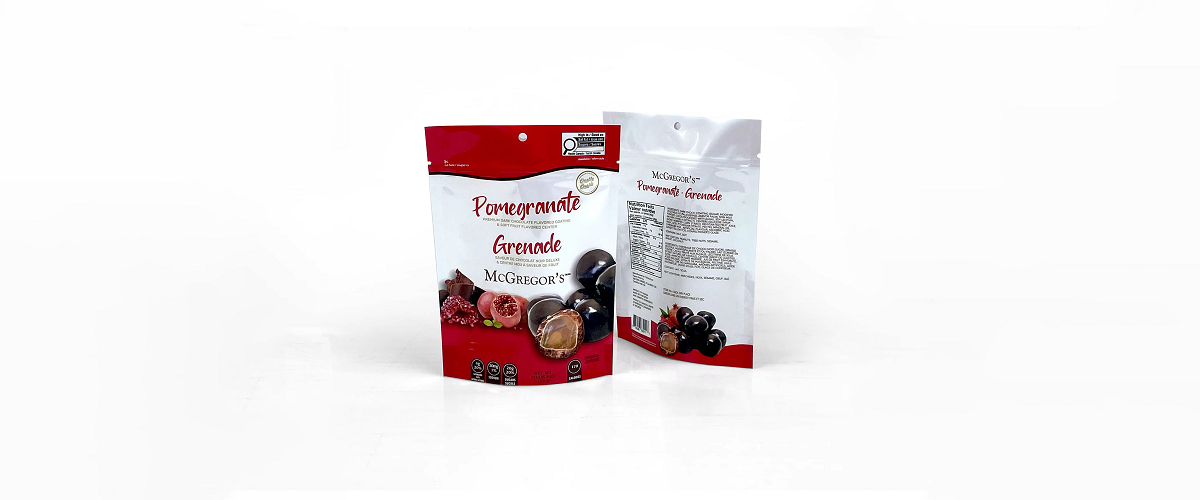
2. How Does Flexible Packaging Prevent Moisture Absorption and Sugar Crystallization?
Candied fruit must be protected from humidity and environmental changes.
Moisture Barrier Protection
High-barrier films prevent external humidity from entering the package.
Airtight Sealing
Maintains a stable internal environment, reducing moisture exchange.
Controlled Internal Humidity
Prevents excess dryness that can lead to sugar crystallization.
Anti-Stick Surface Properties
Inner layers reduce product sticking and clumping.
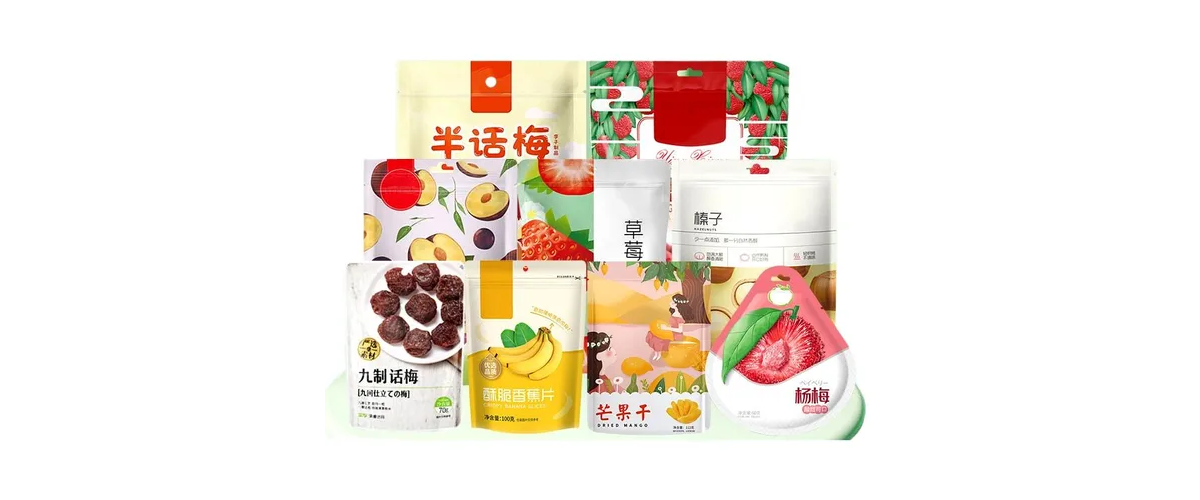
3. Which Packaging Materials Offer the Best Barrier Protection for Candied Fruits?
Material selection is critical for maintaining product quality.
BOPP (Biaxially Oriented Polypropylene)
- Good moisture resistance
- Cost-effective
- Suitable for standard applications
PET (Polyethylene Terephthalate)
- Strong and durable
- Excellent printability
- Suitable outer layer
PE (Polyethylene)
- Excellent sealing properties
- Flexible inner layer
Metallized Films (MPET)
- Enhanced barrier against moisture and oxygen
- Suitable for longer shelf life
Aluminum Foil
- Superior barrier protection
- Ideal for premium or export products
Typical Laminated Structures
| Structure | Features | Applications |
|---|---|---|
| BOPP/PE | Cost-effective | Standard candied fruit |
| PET/PE | Strong and reliable | Retail packaging |
| PET/MPET/PE | Enhanced barrier | Premium or long shelf life products |
| PET/AL/PE | Maximum protection | Export and high-end products |

4. What Packaging Features Help Maintain Texture and Extend Shelf Life?
Functional features are essential for preserving product quality.
Airtight Heat Sealing
Prevents moisture ingress and contamination.
Resealable Closures
Zippers allow repeated use while maintaining freshness.
Anti-Stick Inner Layers
Reduce clumping and improve product handling.
Easy-Open Design
Tear notches improve convenience.
Nitrogen Flushing
Helps reduce oxygen exposure and maintain product quality.
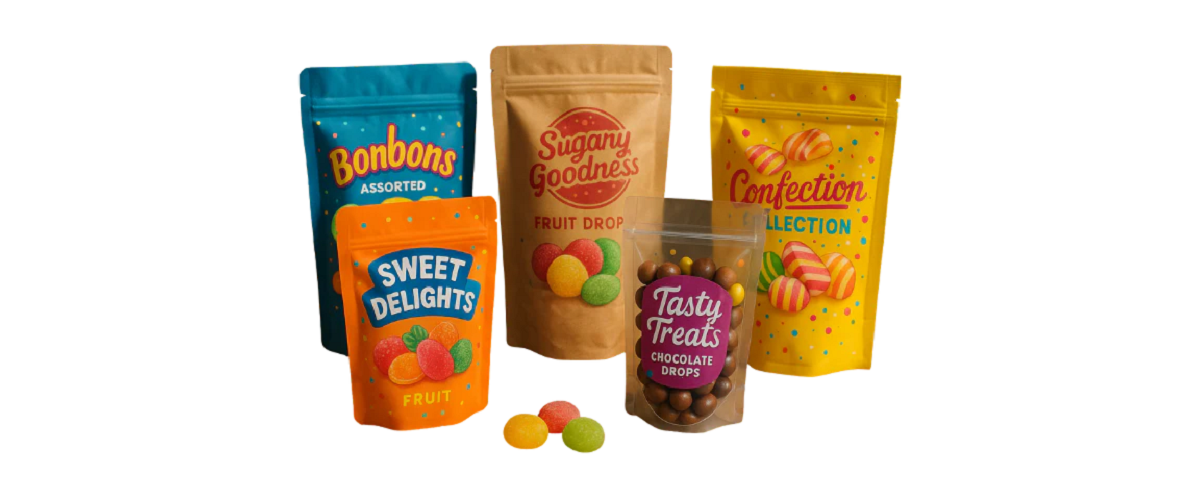
5. Flexible Packaging for Candied Fruit: Key Guidelines for Storage, Transport, and Export
A comprehensive packaging strategy ensures consistent product performance.
Storage Conditions
Packaging must protect against humidity and temperature changes.
Transportation Efficiency
Lightweight packaging reduces shipping costs and improves logistics.
Shelf Life Optimization
High-barrier materials and proper sealing extend product lifespan.
Export Compliance
Packaging must meet international food safety and labeling standards.
Branding and Shelf Appeal
High-quality printing enhances product visibility and consumer attraction.
FAQ
Why does candied fruit become sticky?
Moisture absorption from the environment is the main cause.
What causes sugar crystallization?
Changes in humidity and temperature can lead to crystallization on the surface.
Which packaging materials are best for candied fruit?
BOPP, PET, PE, metallized films, and aluminum foil are commonly used.
Is resealable packaging necessary?
It is highly recommended to maintain freshness after opening.
Conclusion
Flexible packaging provides an effective solution for preserving the quality, texture, and shelf life of candied fruit products. By selecting appropriate materials, incorporating high-barrier structures, and adding functional features such as airtight sealing and resealable closures, manufacturers can prevent moisture absorption, reduce sugar crystallization, and maintain product consistency. In addition to its protective benefits, flexible packaging offers cost efficiency, improved logistics, and strong branding opportunities. As demand for high-quality confectionery products continues to grow, well-designed flexible packaging will remain a key factor in ensuring product success in both domestic and international markets.