Guidelines For The Use of LDPE In Food Packaging
Anna_Yu
Guidelines For The Use of LDPE In Food Packaging
Flexible packaging plays a critical role in the food industry—protecting freshness, maintaining safety, and delivering brand messaging to consumers. One of the most widely used plastics in this space is Low‐Density Polyethylene (LDPE). These guidelines explore what LDPE is, how it is produced, its key properties, why it’s especially suitable for food packaging, and in which parts of food packaging it is typically used.
1. What is LDPE?
Low-Density Polyethylene (LDPE) is a thermoplastic polymer derived from the monomer ethylene. Its “low density” refers to its branched molecular structure, which results in a lower density (approximately 0.917–0.930 g/cm³) compared to High-Density Polyethylene (HDPE).
LDPE was first commercially produced in 1933 by Imperial Chemical Industries (ICI) using high-pressure free-radical polymerization.
Today it is still widely used in film applications, bags, flexible packaging, and other uses where flexibility and ease of processing are required.
1.1 Definition and characteristics
- Density: LDPE’s density falls in the range of approximately 0.910–0.940 g/cm³.
- Structure: It features a branched molecular chain structure, which reduces crystallinity, making it more flexible and less rigid than HDPE.
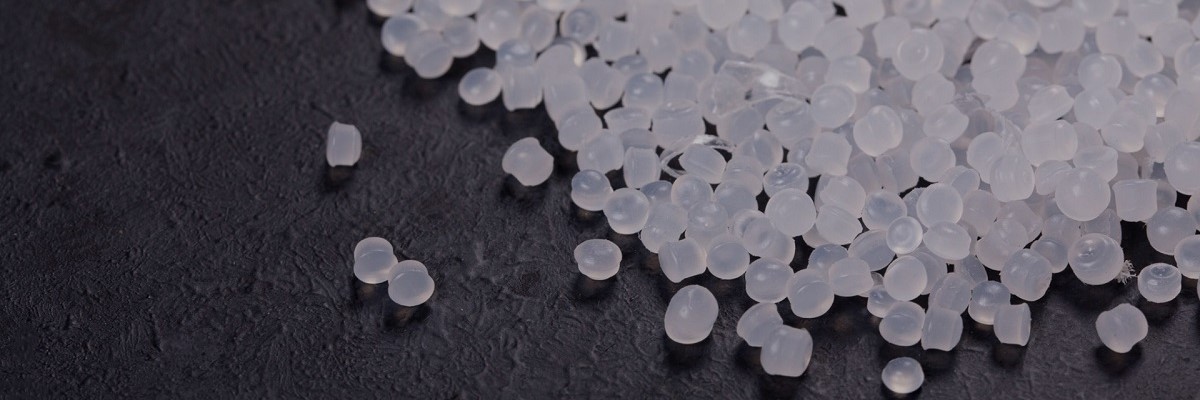
- Appearance: Typically translucent to milky white in film form; can be color-tinted for branding.
- Food-contact approval: LDPE is recognized by regulatory bodies (such as the Food and Drug Administration (FDA) in the U.S.) as a suitable material for food contact applications.
1.2 Historical context
LDPE emerged as the first commercially viable polyethylene grade, enabling production of flexible films and bags at lower cost and higher versatility than earlier rigid plastics. It opened the door to flexible packaging formats for food and other consumer goods.
1.3 Why its name and relevance
The term “low density” reflects a lower packing of polymer chains (due to branching), resulting in a material that is more pliable and easier to form into thin films. In the context of food packaging, this means LDPE can support lightweight, flexible, easily sealed formats while maintaining necessary performance.
2. How is LDPE produced?
Understanding how LDPE is produced helps clarify its cost structure, physical behaviour, and suitability for complex packaging applications.
2.1 Polymerisation and branching
LDPE is commonly produced via high-pressure free-radical polymerisation of ethylene. The branching arises when polymer chains grow and new radicals initiate branches rather than elongating linearly. This branching reduces chain packing and lowers density. :contentReference[oaicite:9]{index=9}
2.2 Typical production conditions
- Pressures often in the range of 1000-3000 bar (or higher) for classic LDPE processes.
- Temperature may vary but the high-pressure, high‐temperature process facilitates radical formation and branching.
- Post-polymerisation steps may include pelletisation, drying, and compounding with additives (such as antioxidants, UV stabilisers, processing aids) depending on the final application.
2.3 Additives and modifications
To make LDPE suitable for specific packaging uses, manufacturers often incorporate:
- Slip agents to ease film contact and handling.
- Anti-fog additives for clarity in food film.
- Metallocenes or catalysts in advanced grades to control branching and improve film strength, clarity or sealability.
- Recycled resin content or compatibilisers as sustainability demands increase.
2.4 Film processing and conversions
LDPE is processed into packaging films via techniques such as:
- Blown-film extrusion for thin-gauge films.
- Cast film
for thicker or specialty films.
- Co-extrusion to integrate multiple layers (for example with barrier materials) or to create laminates usable in food packaging.
- Heat-sealing and lamination when making film structures used in pouches or bags.
2.5 Supply chain and market considerations
LDPE is among the most cost-effective polyolefin films. According to one report, the global LDPE market was valued at approximately US $47.2 billion in 2024 and is expected to reach US $72.6 billion by 2034. Availability of reliable resin supply, stable pricing, and established recycling streams make LDPE a stable choice for packaging converters and brand owners.
3. What are the properties of LDPE?
LDPE’s broad utility in food packaging stems from a set of key performance attributes. Let’s explore them in detail.
3.1 Mechanical and physical properties
- Flexibility and elongation: LDPE films can stretch and bend without breaking, making them ideal for packaging film that must conform, flex, and remain intact under handling.
- Impact and puncture resistance: The branched structure gives improved resilience under tear or shock compared to many rigid plastics.
- Low crystallinity: The lower density and less crystalline structure reduces brittleness and improves film clarity and tactile feel.
- Low melting / sealing temperature: LDPE has a lower melting point (around 105–115 °C) compared to older polyethylene types, enabling efficient heat-sealing in packaging lines.
3.2 Barrier and chemical resistance
- Moisture resistance: LDPE is inherently moisture-resistant, providing protection against humidity ingress in many food packaging contexts.
- Chemical resistance: LDPE resists many acids, bases, and alcohols, making it stable for packaging a variety of food products, including sauces, condiments and oils.
- Gas permeability: While LDPE is not a high barrier to oxygen or aroma compared to engineered barrier films (like PET/AL/PE), its performance is acceptable for many short–medium shelf life applications. Awareness of this limitation is critical.
3.3 Optical and processing properties
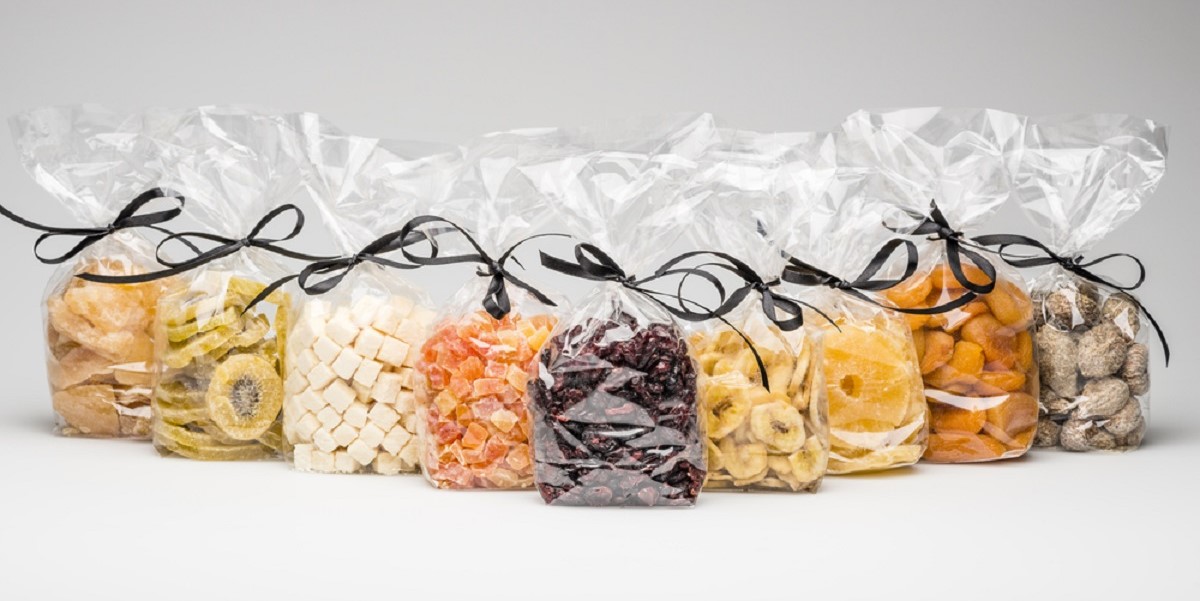
- Clarity and gloss: LDPE films can be produced with good transparency and surface finish, enabling attractive packaging visuals.
- Ease of processing: Its lower melt temperature and good flow make it friendly to extrusion, sealing, and lamination systems.
- Lightweight: Low density means less material weight for a given film area – beneficial for shipping and environmental impact.
3.4 Limitations to consider
- Thermal tolerance: LDPE has limited high-temperature resistance. It may soften or deform if used in applications requiring elevated heat.
- Barrier limitations: For products requiring long shelf life, high aroma retention, or oxygen sensitivity, LDPE alone may not suffice without laminate structures or additional barrier layers.
- UV resistance: Raw LDPE has poor UV resistance; therefore outdoor exposure or light-heavy storage may degrade performance unless additives are included.
-
Recycling challenges: Flexible films made from LDPE are recyclable in theory, but in practice collection and processing is more challenging than rigid formats.
4. Why is it suitable for use in food packaging?
LDPE’s combination of performance, cost, and processing characteristics make it especially favorable for food packaging. Below are specific reasons it continues to be chosen by the industry.
4.1 Food-contact safety
LDPE is among the plastics approved for direct food contact by regulatory bodies. It does not inherently leach harmful substances when used correctly and is widely accepted in packaging of bakery items, produce, frozen foods, snacks and more.
4.2 Flexible packaging formats
Many food items require flexible packaging – pouches, bags, liners – rather than rigid containers. LDPE is ideal for films that must conform to shape, resist puncture from edges, and allow consumer convenience features like resealable closures.
4.3 Cost efficiency
Film made from LDPE is among the lowest‐cost packaging film options for flexible formats. The lower material and processing costs allow brands to allocate budget to other areas such as graphics or value-added features.
4.4 Sealing and machinability
LDPE films are easy to heat-seal and work well in high-speed production lines – particularly for bags, liners and shrink wraps used in food packaging operations. The low sealing temperature helps energy-efficiency.
4.5 Weight and shipping advantages
Because LDPE is lightweight, it reduces the overall weight of packaging, which contributes to lower shipping cost and lower carbon footprint in distribution. For high-volume categories like snacks or frozen foods this is a strategic benefit.
4.6 Versatility for product protection
Even if LDPE alone is not always the primary barrier, it is often used as an inner layer or sealing layer in laminate structures. Its good sealability, flexibility and food safety make it appropriate for many food applications.
4.7 Consumer appeal
Consumers often expect flexible packaging formats (bags, pouches) for items such as bread, produce, snack foods, and frozen items. Using LDPE aligns with consumer convenience expectations – easy opening, resealability, squeezable formats – which can support brand competitiveness.
5. In which part of food packaging is LDPE typically used?
LDPE is used in various parts of food packaging systems. Below are key segments and examples of where LDPE typically plays a role.
5.1 Stand-alone LDPE films and bags
In simpler food packaging where barrier requirements are modest and the shelf life is relatively short, LDPE films may be used directly. Examples include:
- Bread bags
- Produce bags (lettuce, salad greens)
- Snack bags where barrier demands are moderate
- Frozen-food overwraps
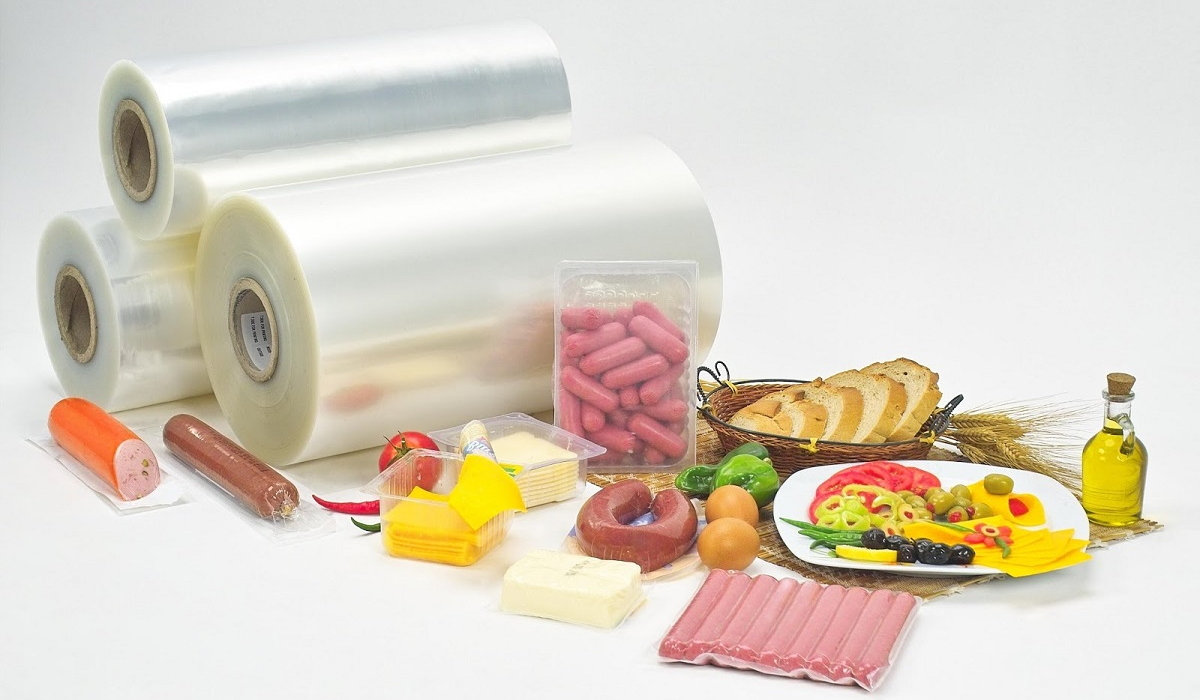
- Shrink-wrap films around multipacks
5.2 Inner sealing layers in laminated structures
When higher barrier is required (for oxygen, aroma, light), LDPE is frequently used as the inner layer of a laminate. Example structure:Outer layer (for print and strength) + barrier layer (e.g., EVOH or aluminium) + LDPE sealing layer
In this role, LDPE provides the heat-seal interface and ensures food-safe contact, while other layers handle the barrier function.
5.3 Liners and sachets
LDPE is commonly used as liners inside rigid containers or pouches. Examples:
- Inner liner of snack tubs
- Sachets for small portion servings
- Flexible liners for coffee or dry goods
5.4 Flexible pouches with resealable features
High-convenience food categories (reusable snack packs, family bags, pet food bags) often use LDPE as part of the resealable zipper system, or as the film for the bag body when durability and user-handling are key.
5.5 Overwrap and shipping protection
LDPE is widely used in shrink films, overwraps for trays or multipack food items, pallet wrap, and other protective layers in the supply chain. While not always in direct food contact, these uses support the entire packaging ecosystem.
5.6 Bread packs and bakery formats
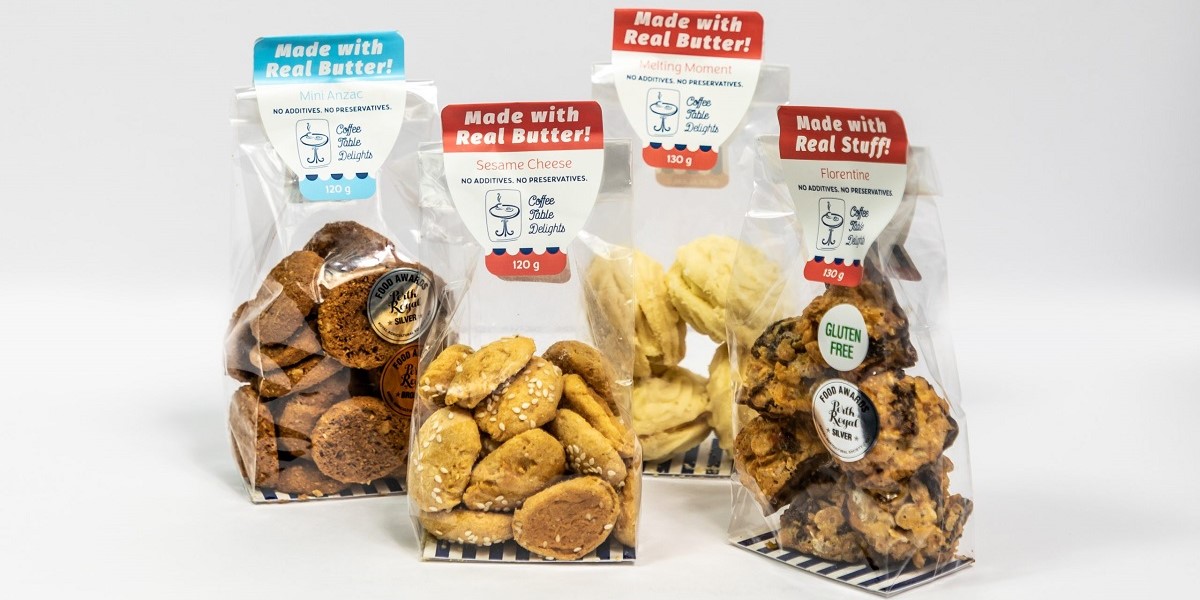
Bakery packaging has long used LDPE films because of its transparency, softness, heat-seal compatibility and cost–effectiveness. For example, bread bags are typically LDPE or LDPE-based.
Summary Table: LDPE Use in Food Packaging
| Use Case | Why LDPE is Chosen | Typical Food Products |
|---|---|---|
| Bread bags / bakery films | Flexible, heat-seals easily, printable | Loaves, bagels, rolls |
| Produce or salad bags | Transparent, moisture resistance, cost-effective | Lettuce, spinach, cut produce |
| Snack pouches (simple barrier) | Lightweight, film machinable, cost-efficient | Chips, crisps, nuts |
| Inner liners in laminate bags | Good sealing layer, food-safe contact | Coffee, powdered foods, group packs |
| Overwrap & shrink films | Tough film, load protection, film machinable | Multipacks, box wraps, tray wrap |
| Family-size resealable pouches | Flexibility, reseal support, consumer convenience | Pet food, snacks, powdered categories |
Conclusion
LDPE remains a highly relevant and versatile material for food packaging today. Through a combination of flexibility, sealability, cost efficiency, food-contact safety and ease of processing, it meets many of the demands of modern packaging converters and brand owners. At the same time, understanding its limitations (barrier performance, UV exposure, recycling complexity) is key to making informed material selections.
For packaging professionals, the key guidelines for LDPE use in food packaging can be summarised as:
- Choose LDPE when flexibility, ease-seal, and moderate barrier are sufficient.
- As barrier or age-ing demands increase, consider LDPE as part of a laminate (inner layer) rather than stand-alone.
- Align design with consumer convenience trends (resealable pouches, flexible bags).
- Work closely with material suppliers to select LDPE grades tailored for your film thickness, seal strength and food-contact requirement.
- Address sustainability: lean toward recyclable LDPE, mono-material film design, or blended with recycled content where appropriate.
- Monitor regulatory & recycling trends: film formats (including LDPE) may face evolving collection and processing requirements; design with end-of-life in mind.
By following these guidelines, food packagers can leverage LDPE’s strengths to deliver packaging that protects product quality, enhances brand presentation, and aligns with the evolving demands of economies and consumers.